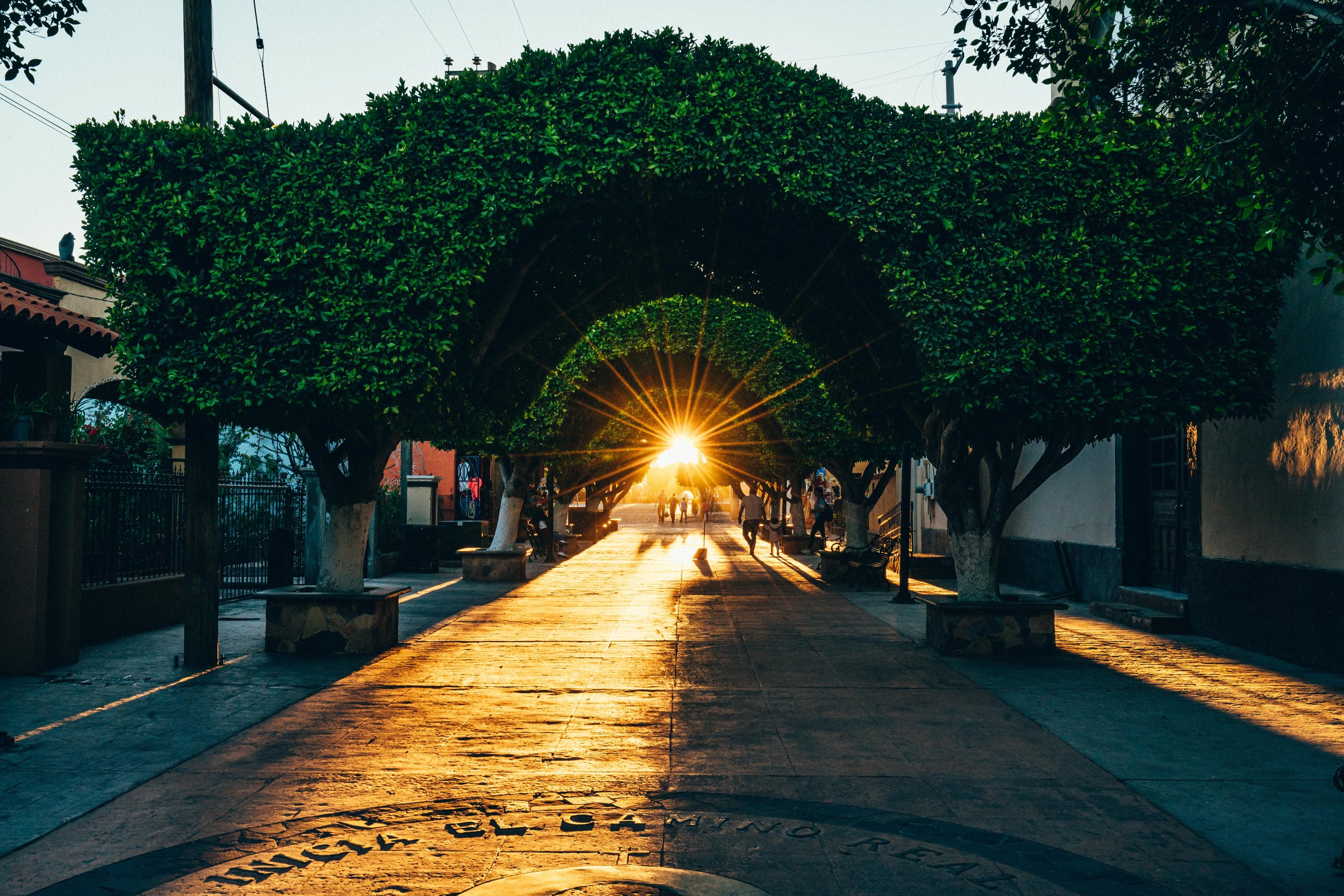
The Quiet Rights
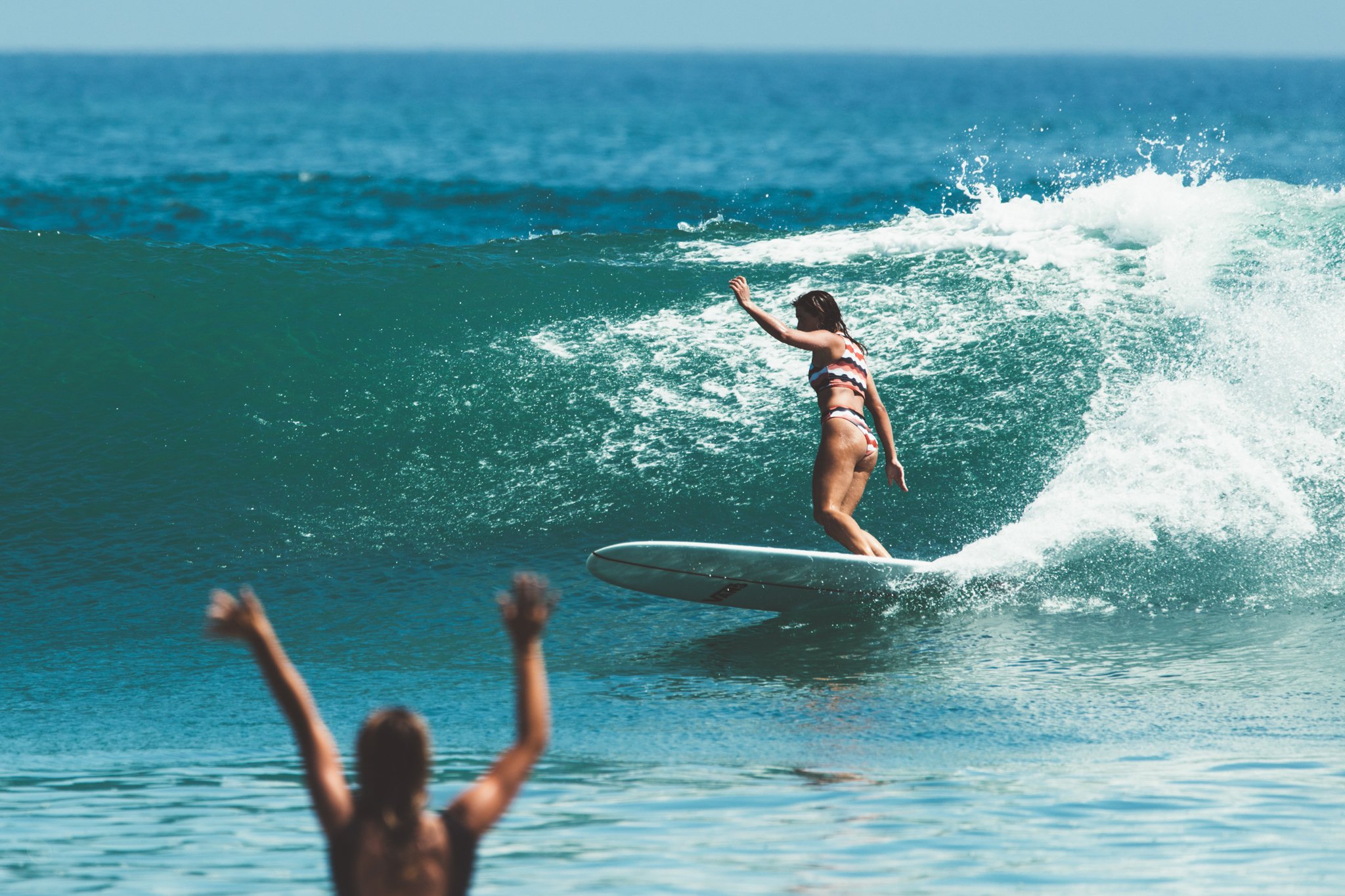


A journey to the remote surf breaks of San Juanico, Baja California Sur, where the long, right-hand points of Scorpion Bay meet the "moon dust" of the desert road, offering a sanctuary of quiet waves, local history, and the rugged charm of the Scorpion Bay Hotel.
By Josiah Roe
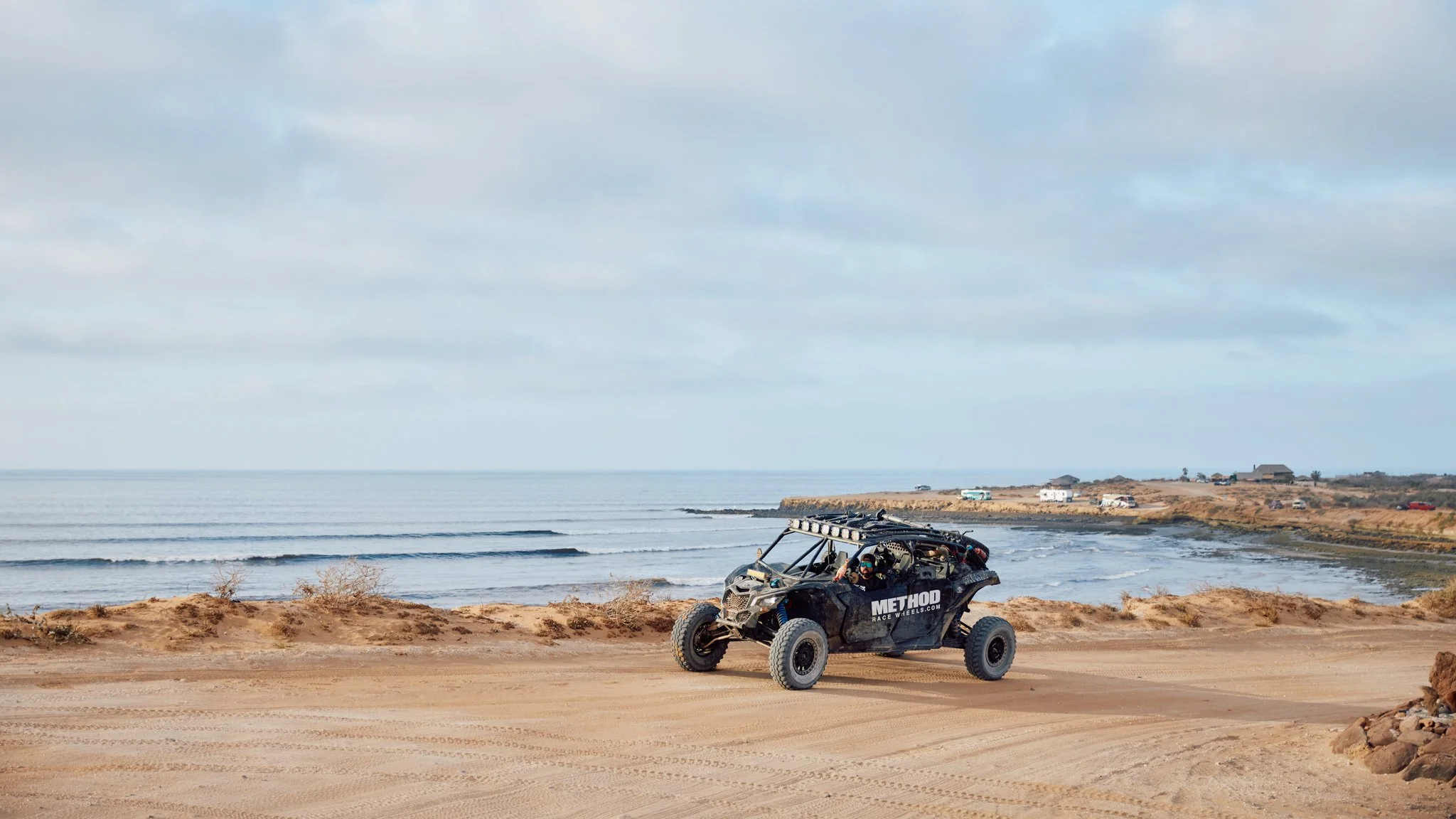
The landscape defines San Juanico long before you see the town.
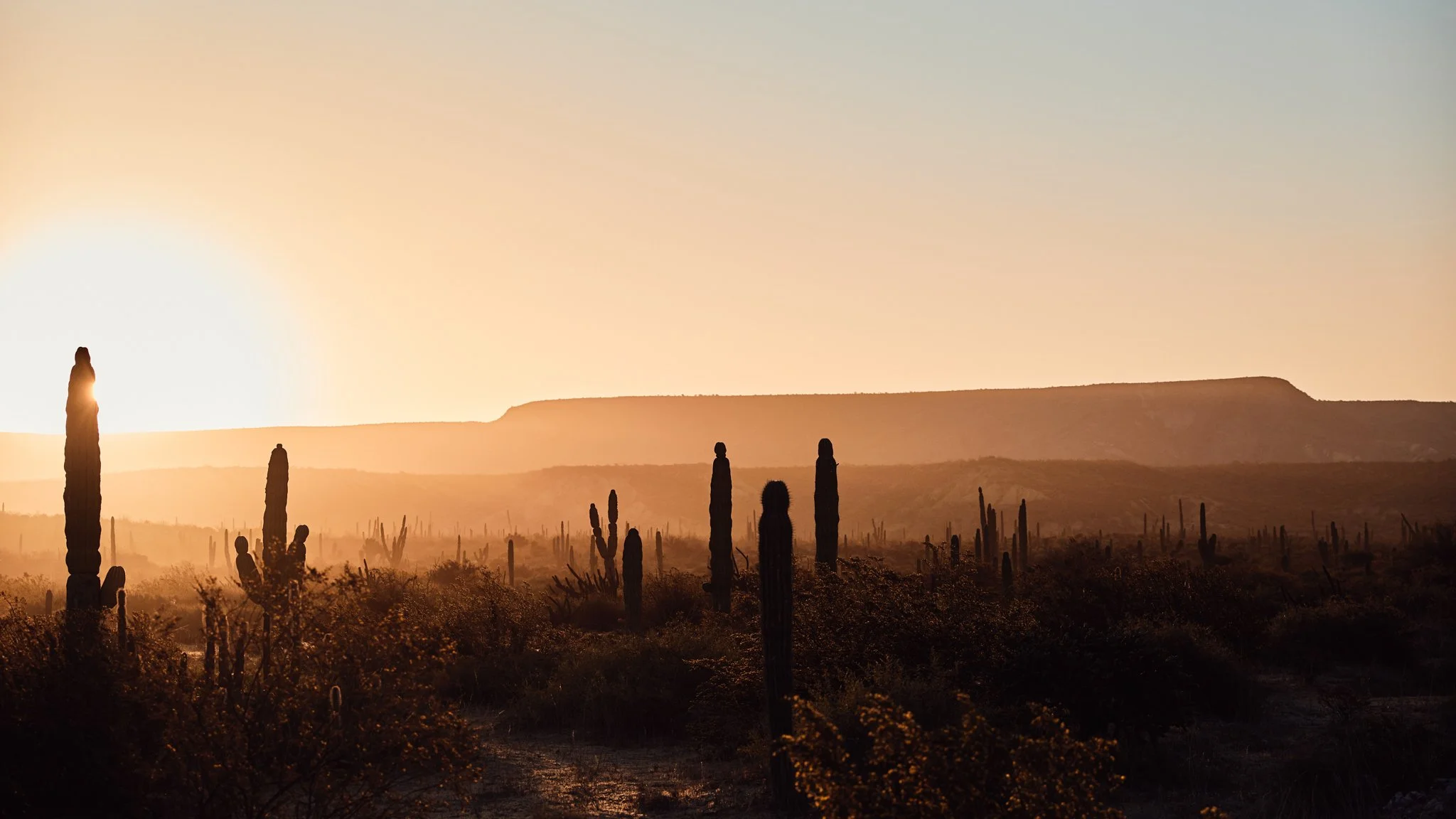
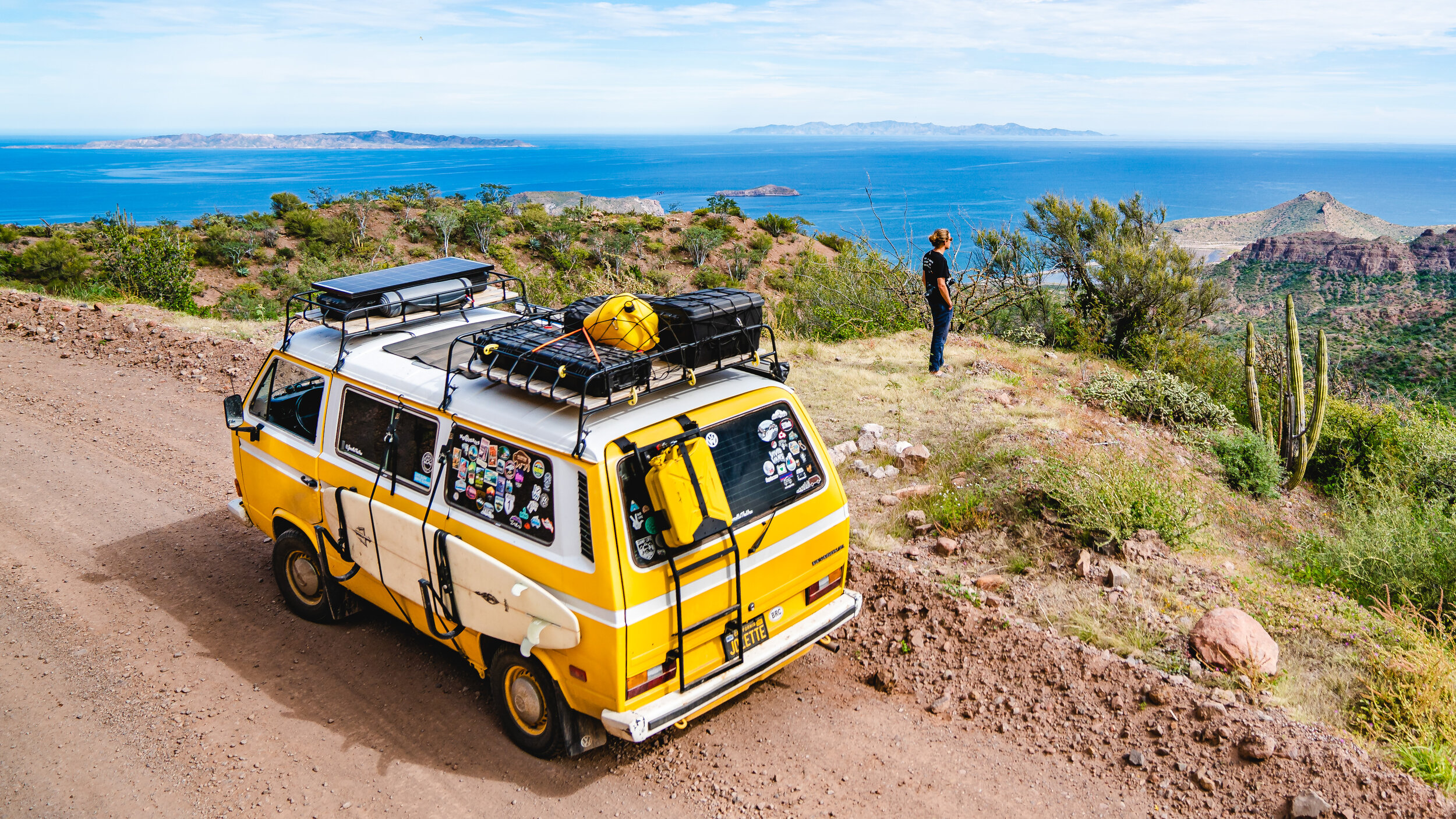
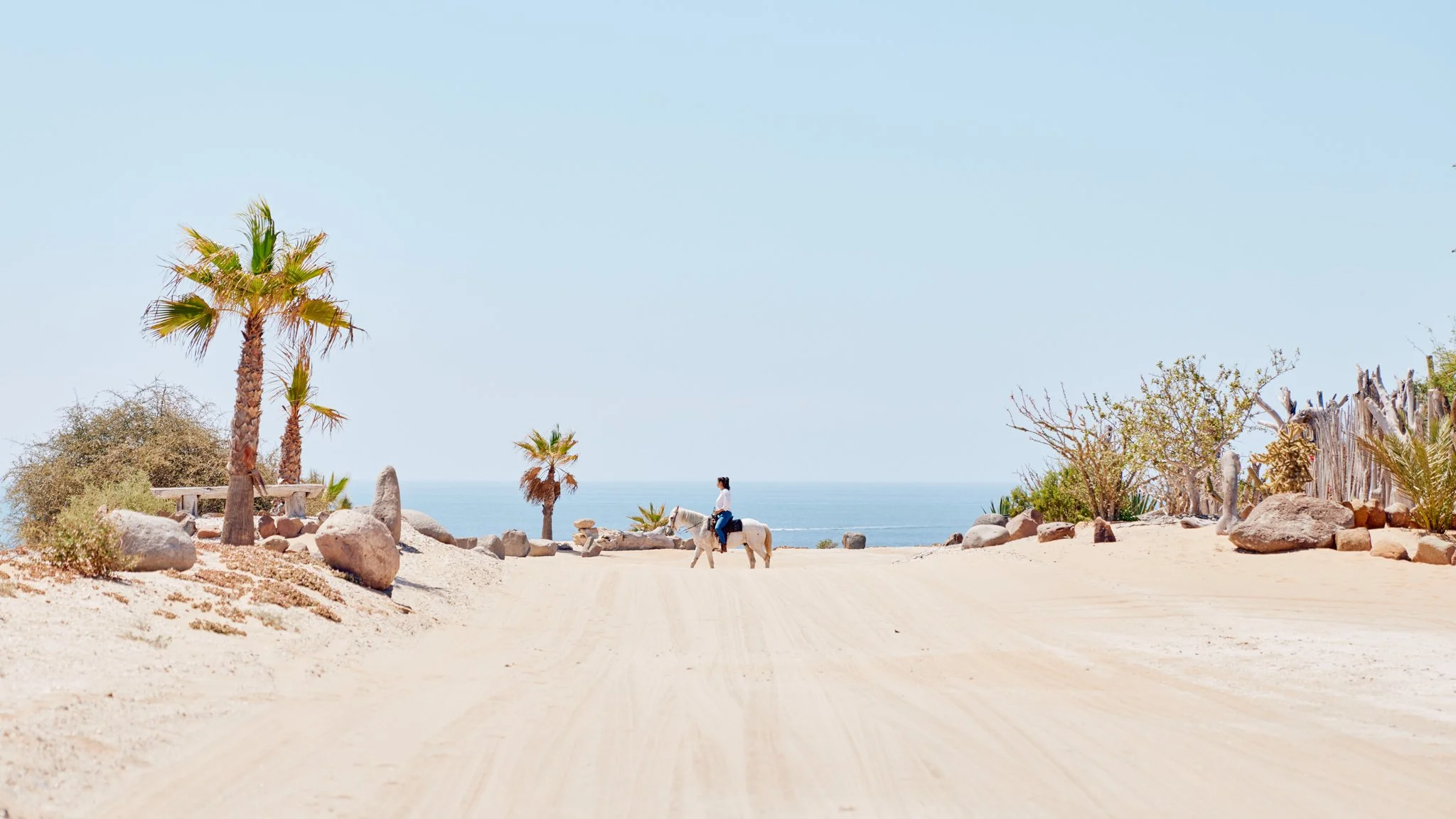
From San Ignacio to the north the road is washboard and “moon dust” and rock. It punishes axles. It splits tires. It rearranges what you packed.
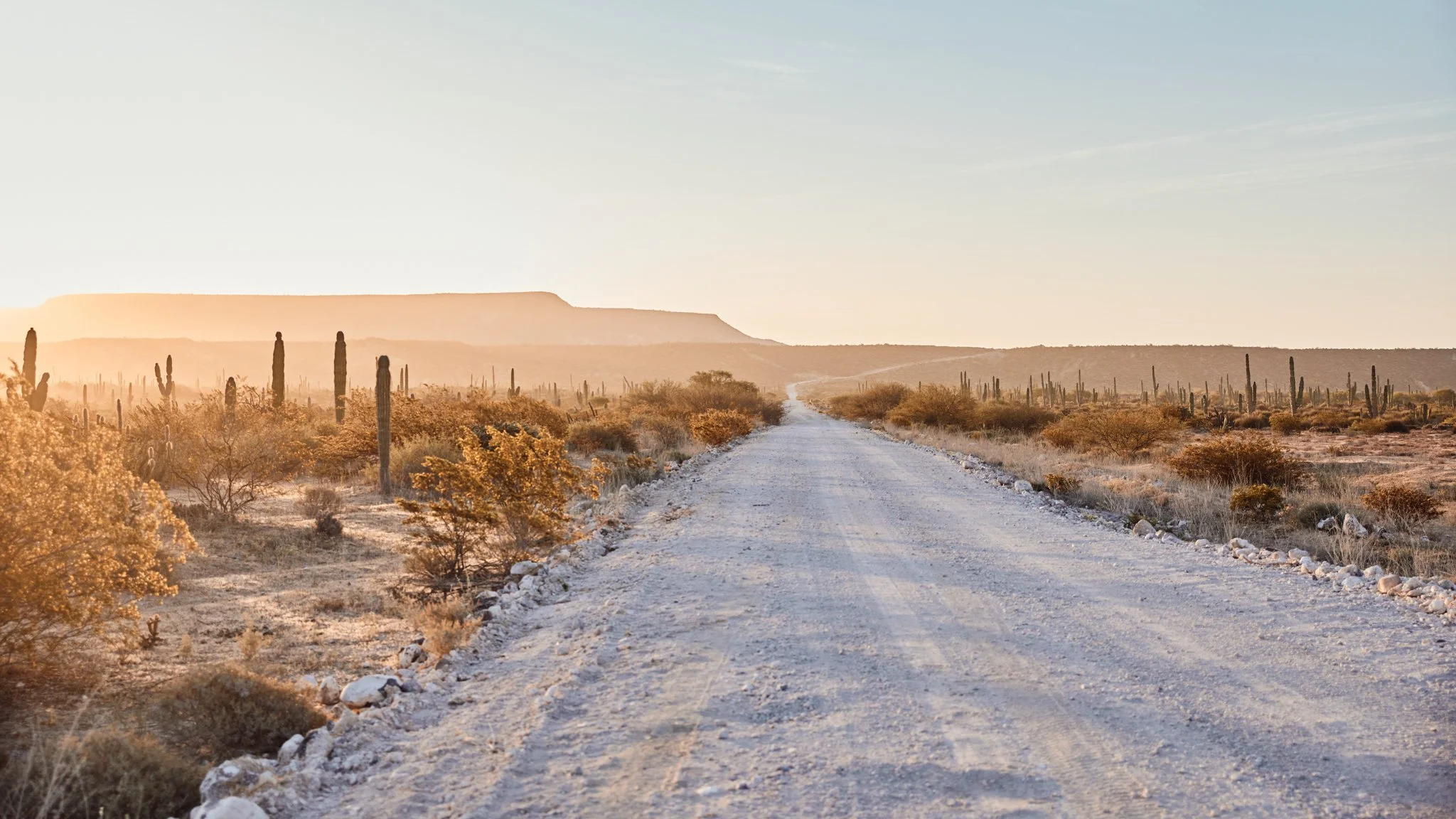
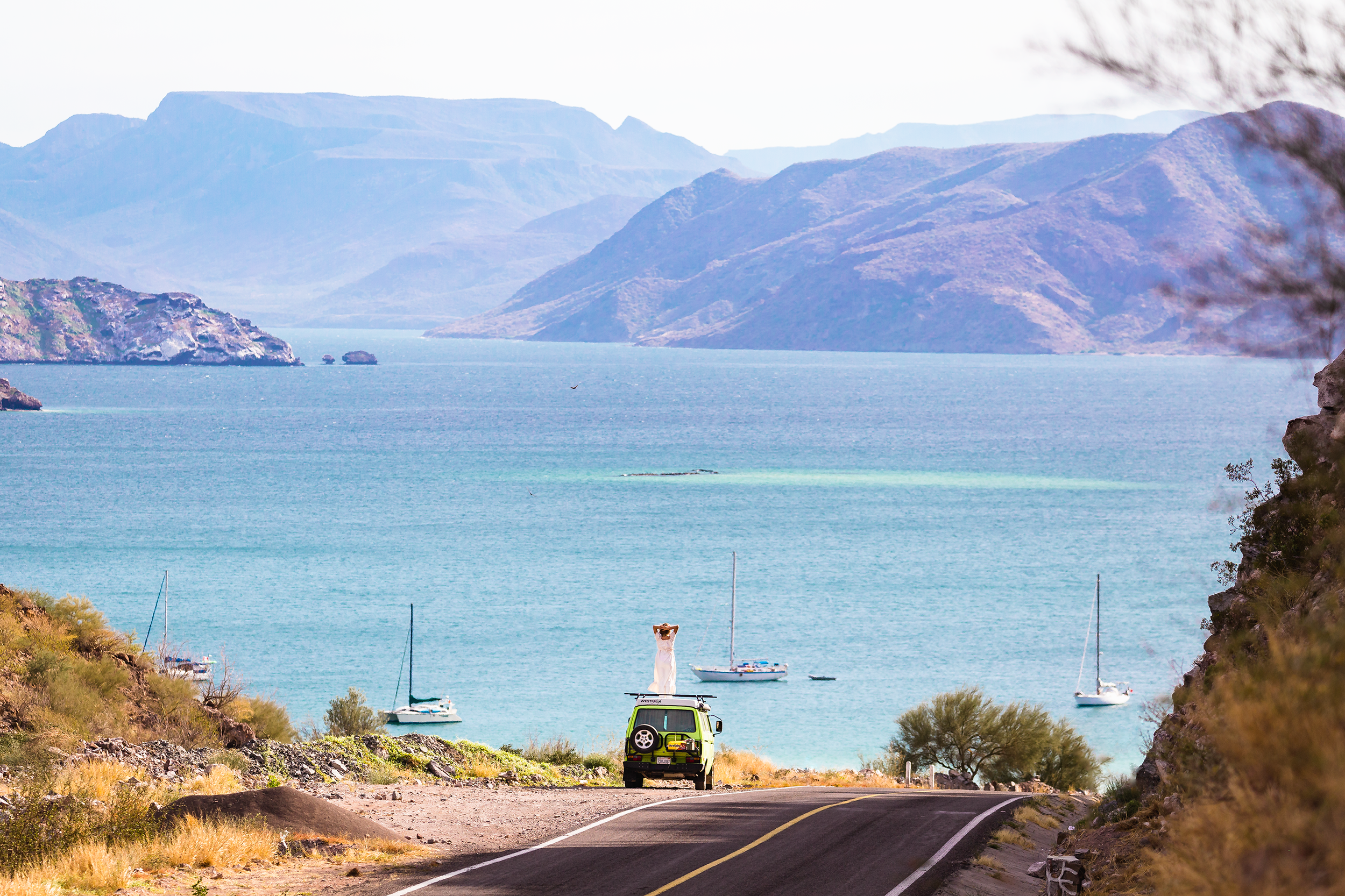
From the south, out of Ciudad Insurgentes, the pavement gives up halfway and the rest is quintessential slow Baja. Either way you arrive late and dirty and quiet; that is entirely the point.
The signs out here are bent and bleached. Salt has chewed the corners. Travelers leave stickers on them: sign, signifier, and a form of currency. Surf shops, race teams, and the names of bars from towns I have never seen. A scrawled set of initials. A torn corner of someone's hometown. Modern petroglyphs. The signs point the way and the stickers say I was here. Both are a kind of comfort.
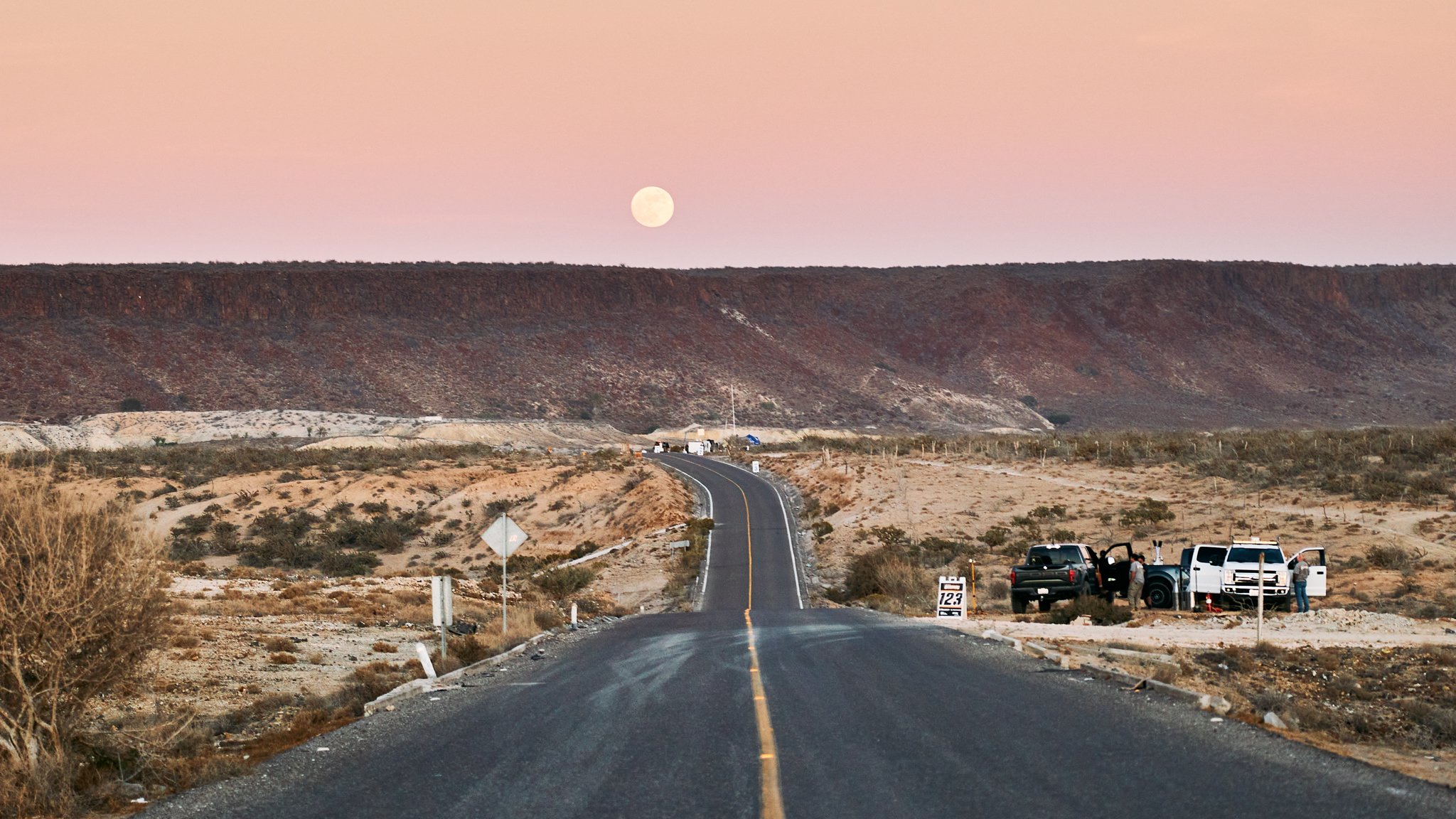
This part of Baja California Sur was left alone while the world built an ever-expanding Cabo far to the south. There are no cruise ships. No swim-up bars. No resort shuttles. There is only the wind off the bay and pelicans low over the lineup. I spy a rooster who does not care what time it is.
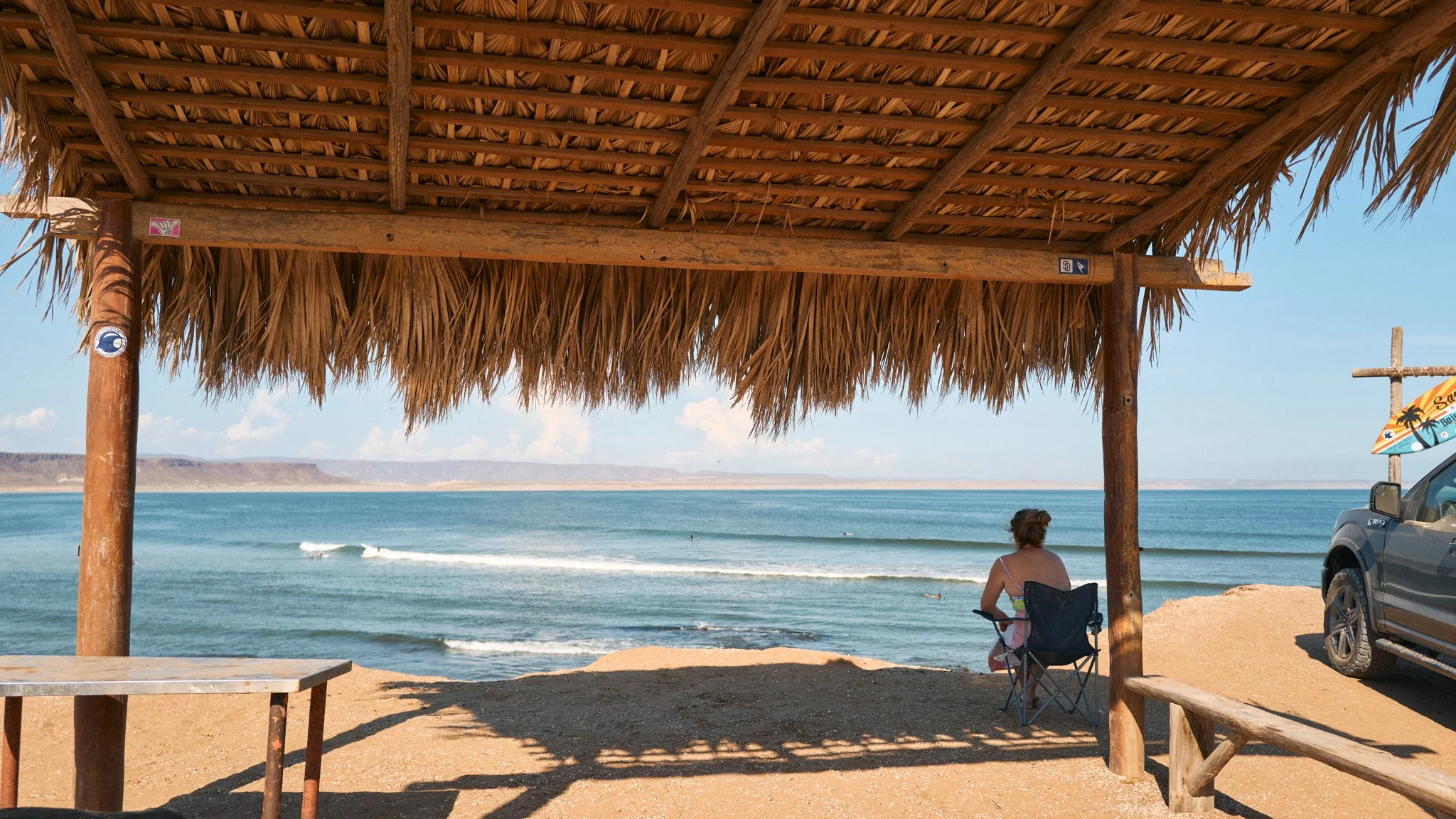
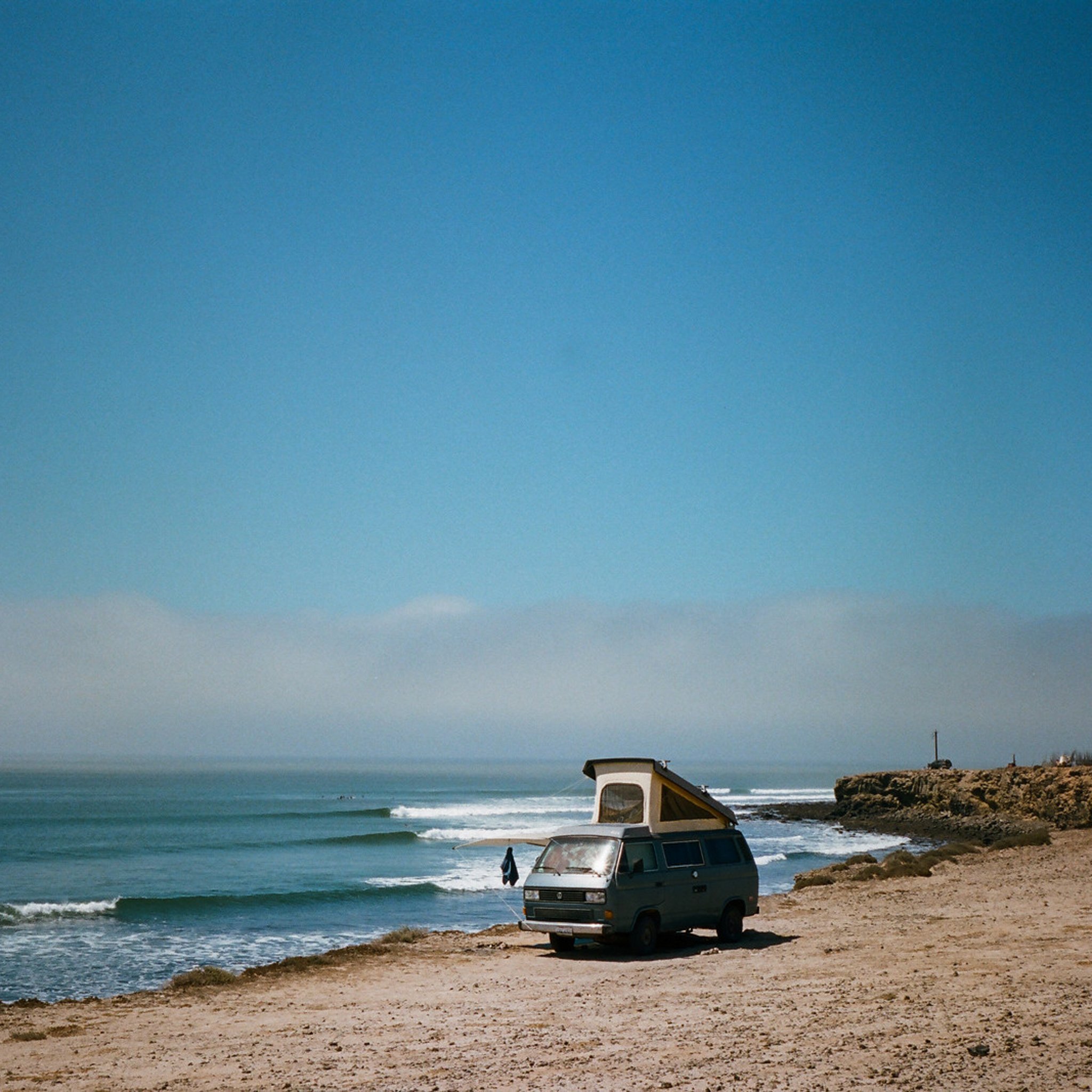
People camp on the bluffs. Vans and truck campers and a few stubborn tents pitched where the cliff gives out into open air. They cook on tailgates. They string lights between roof racks.
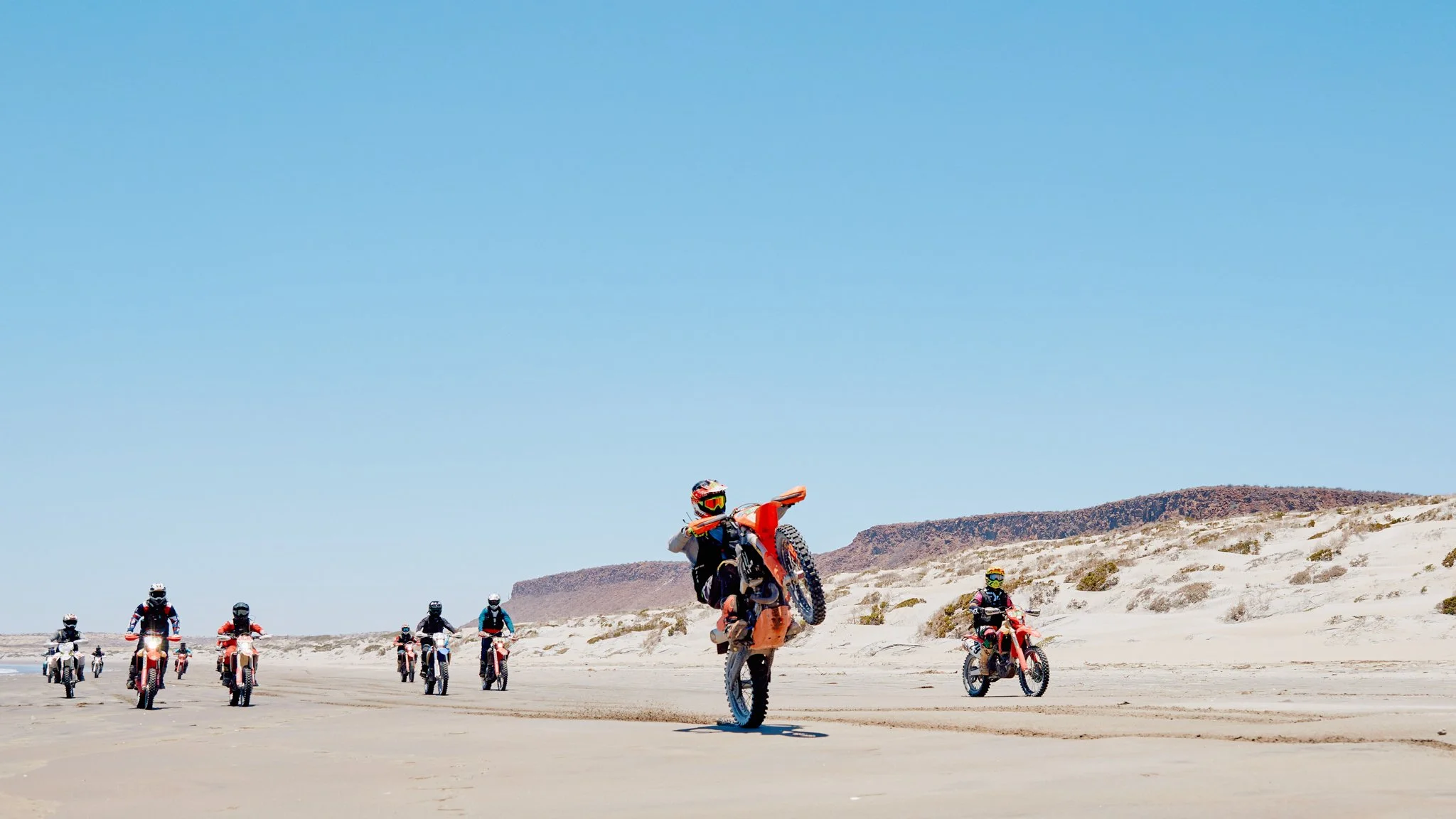
Most of the day the only sound that breaks the ocean is the grumble of a loan side-by-side tour going through, a line of dusty machines kicking up brown dust before vanishing back into the country they came from. Then it is the quiet, long waves again.
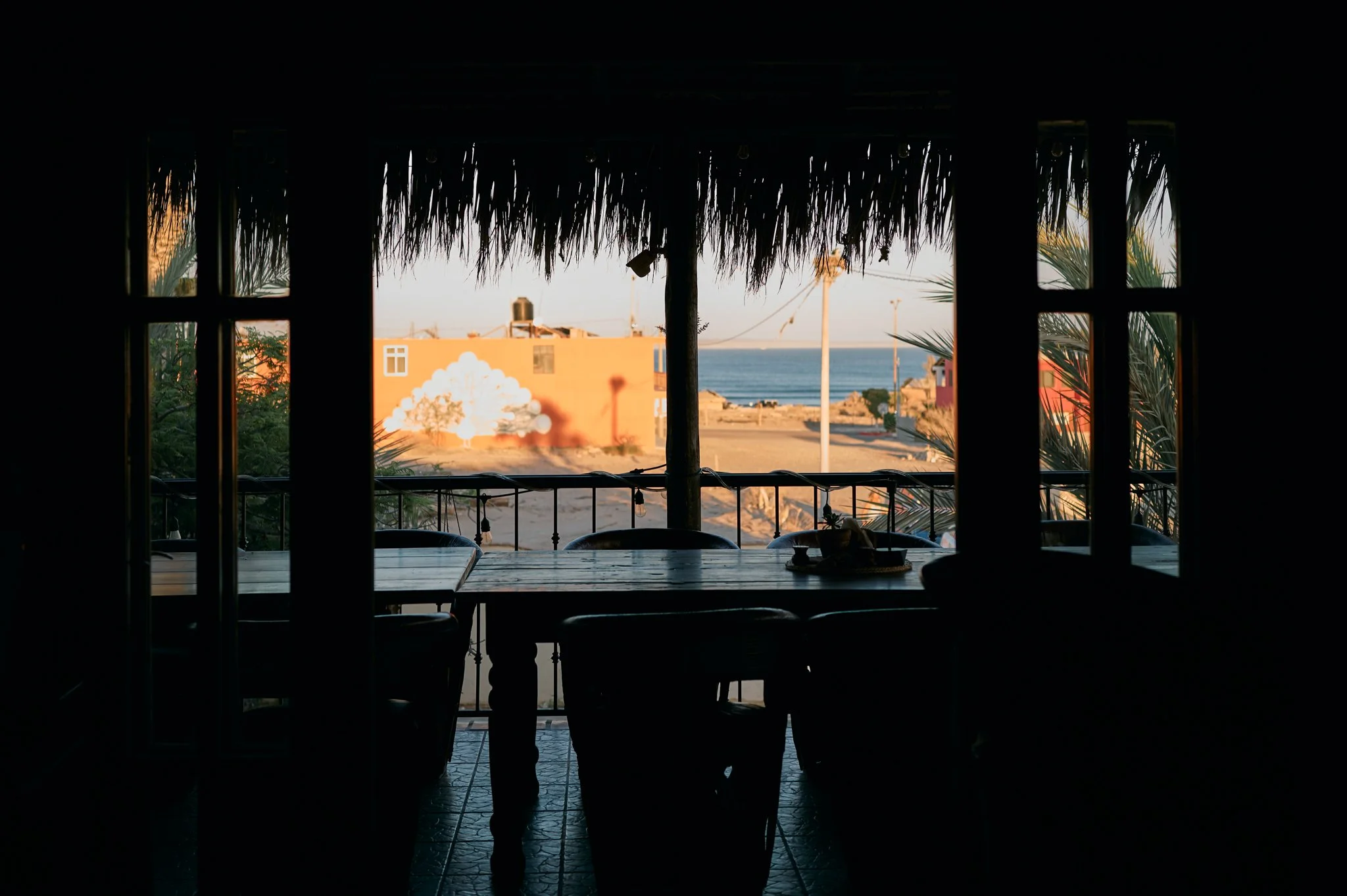
I checked into the Scorpion Bay Hotel before sundown. The hotel sits just off the bluff, wood and stone and tile, a second-floor restaurant and bar looking out over the bay. They give me a key and a cold bottle of water. The lobby is like a museum of local surfing history.
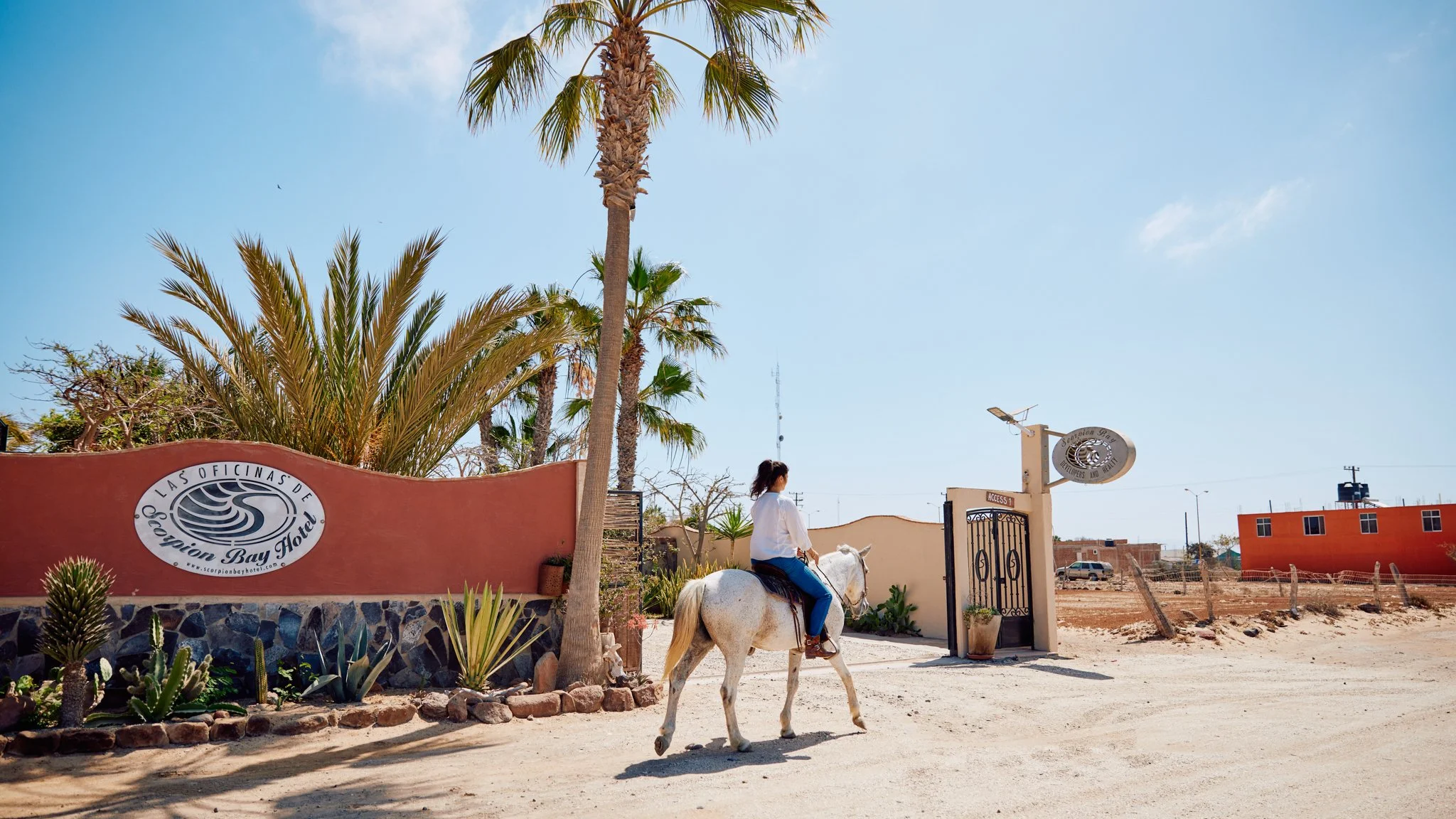
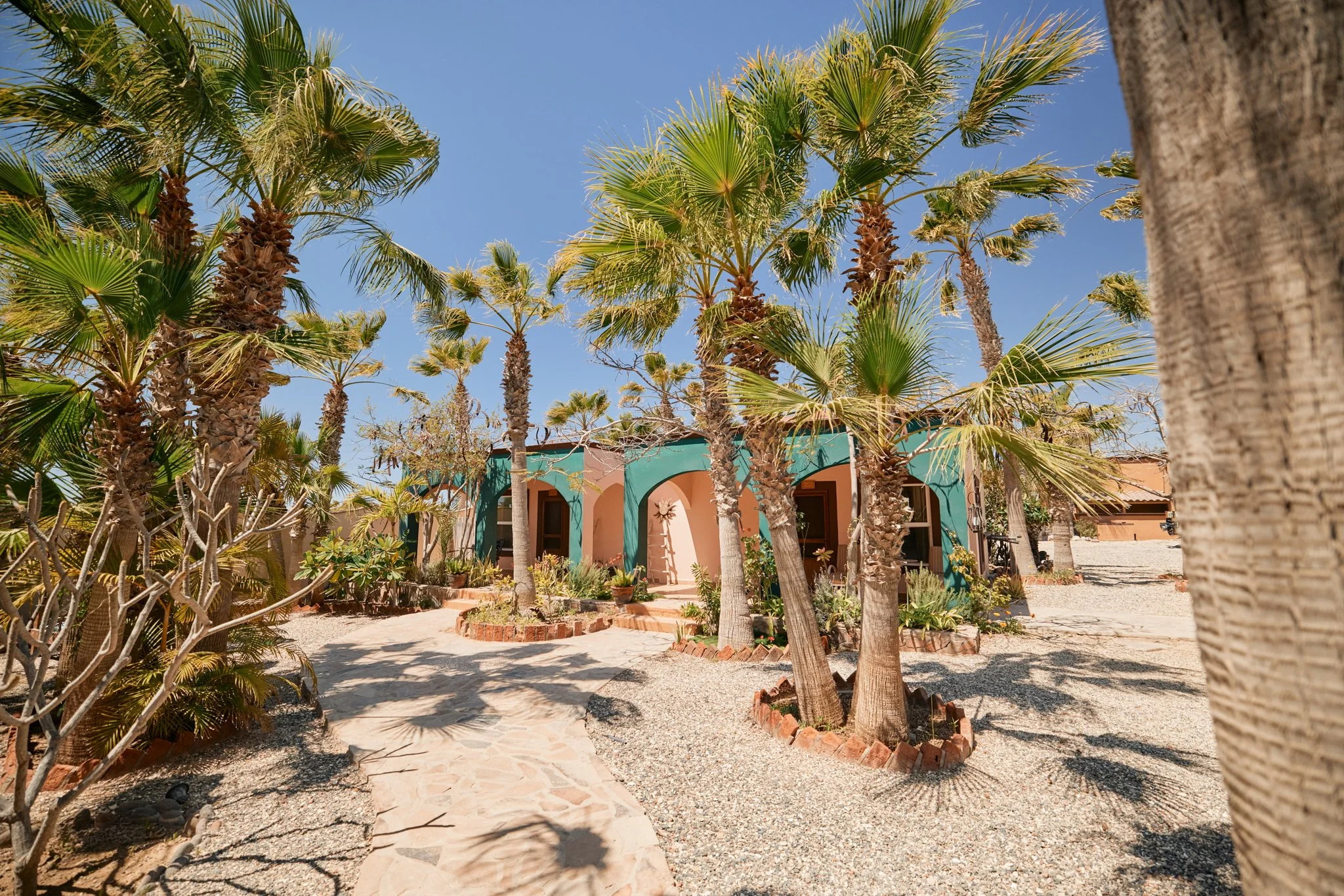
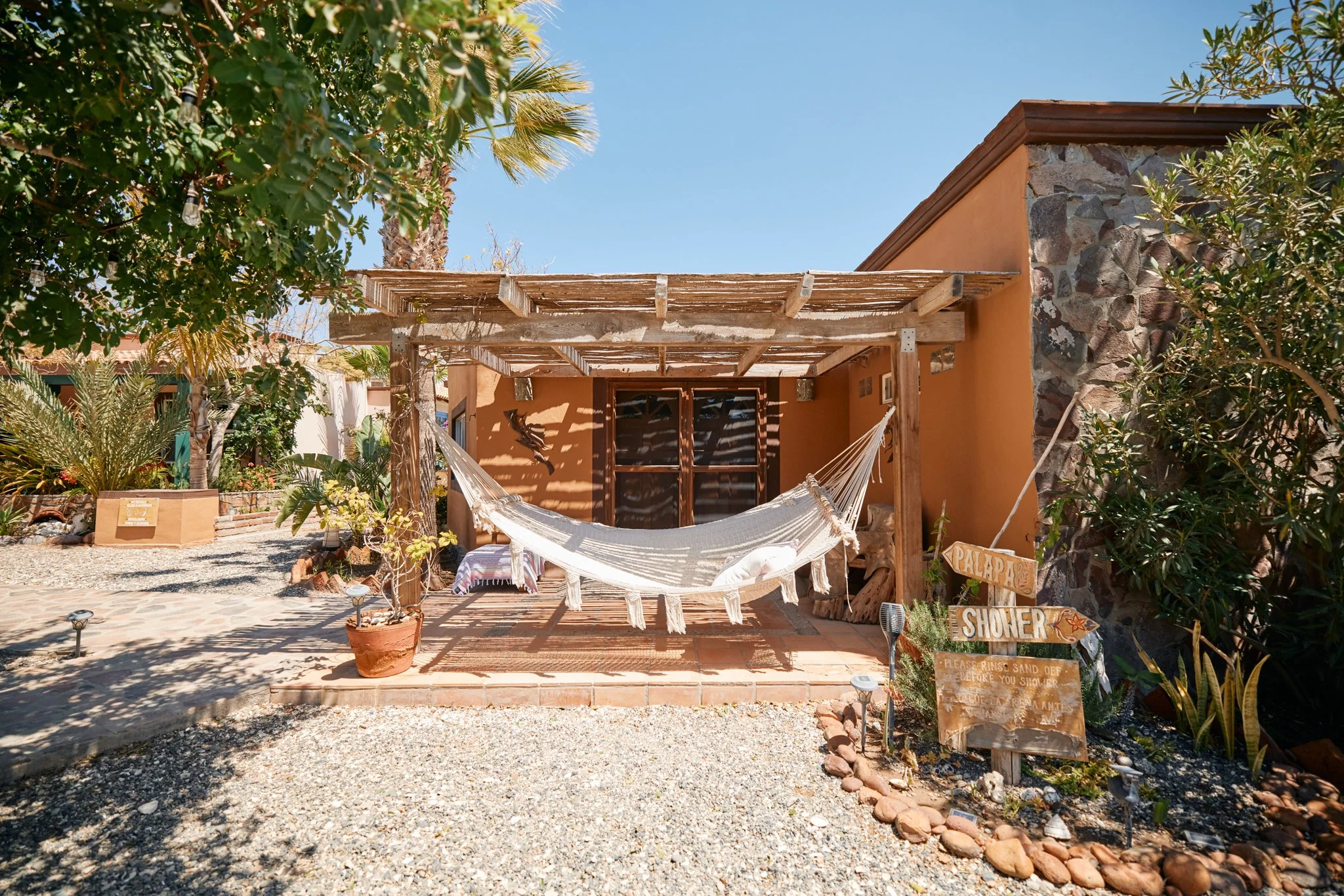
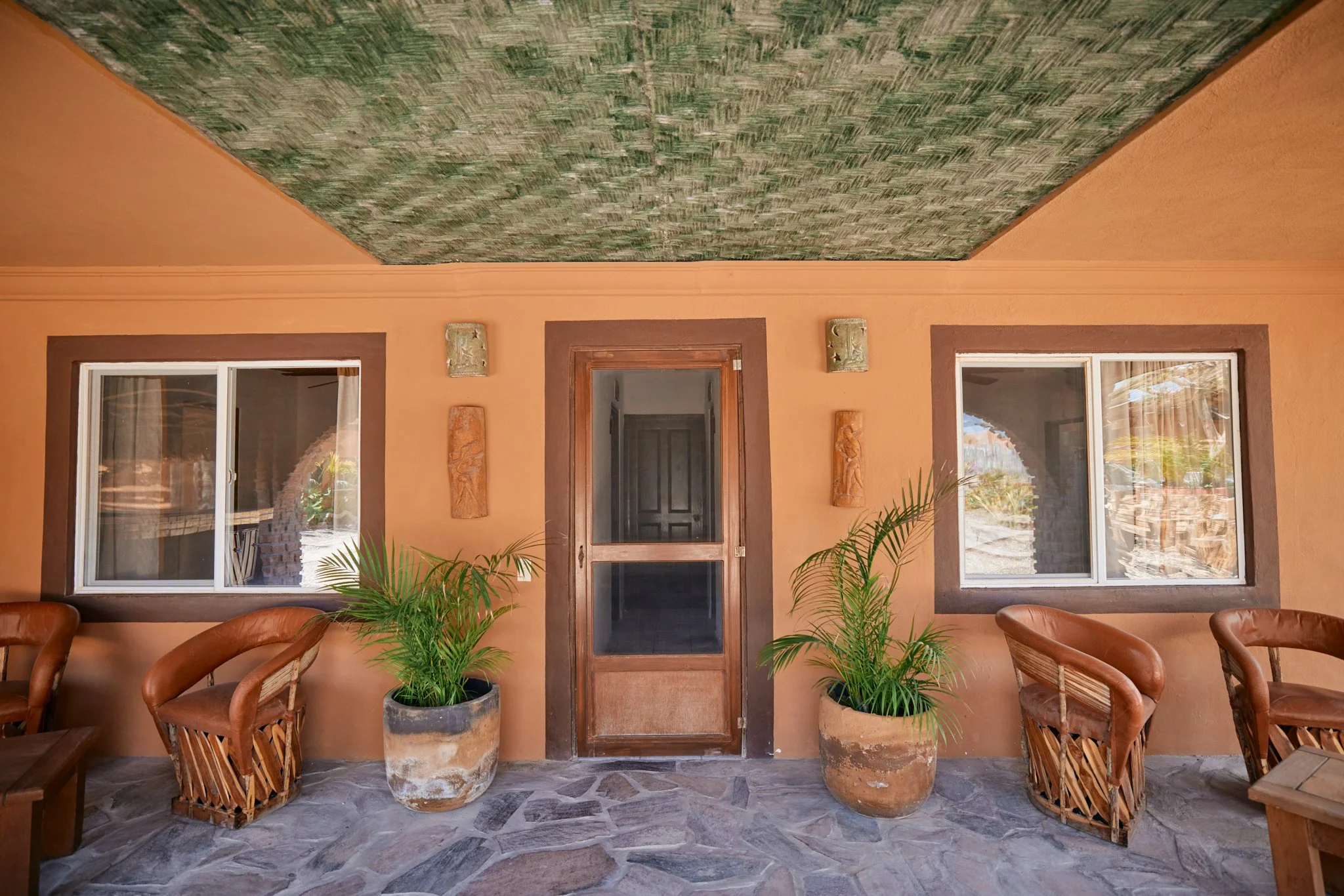
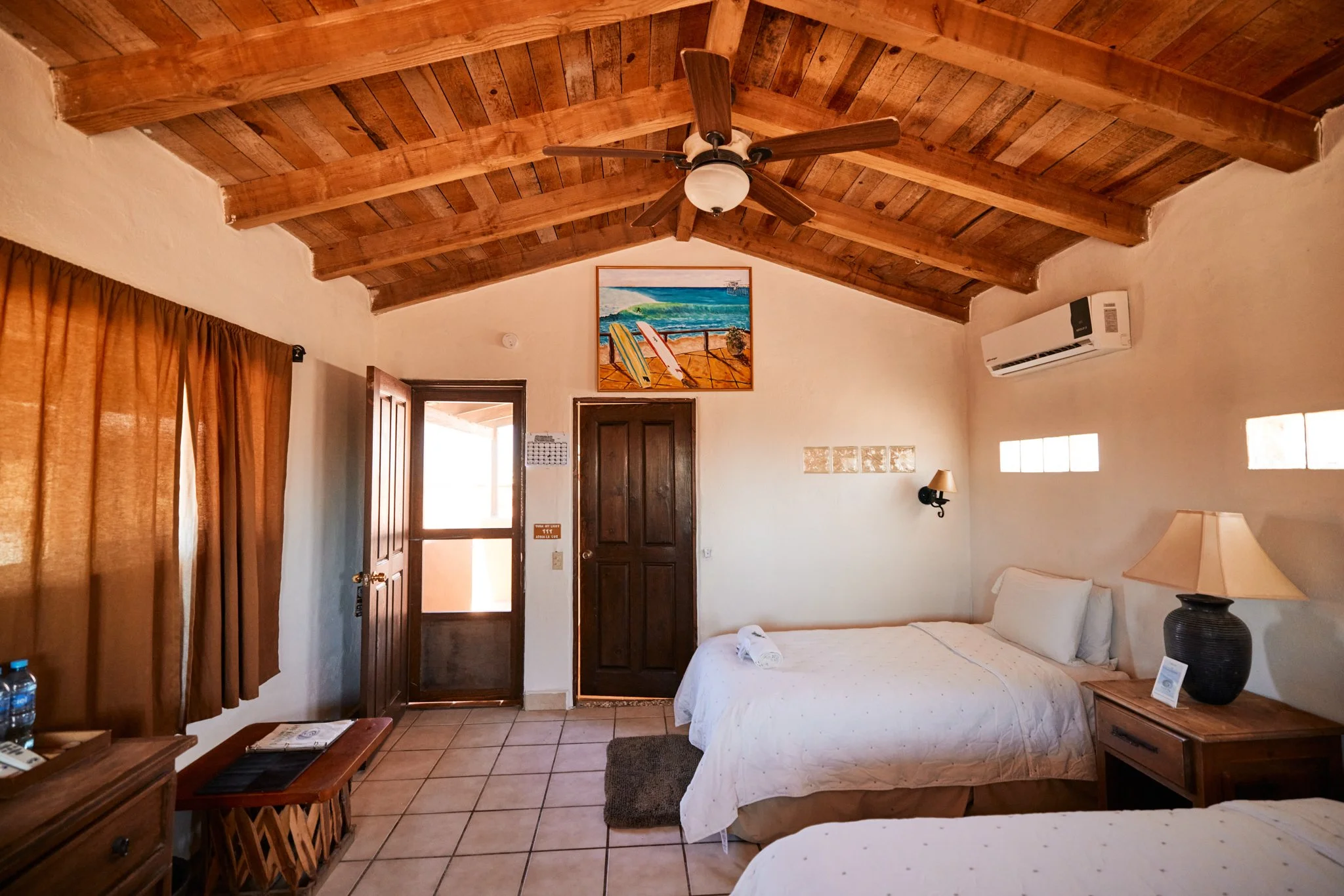
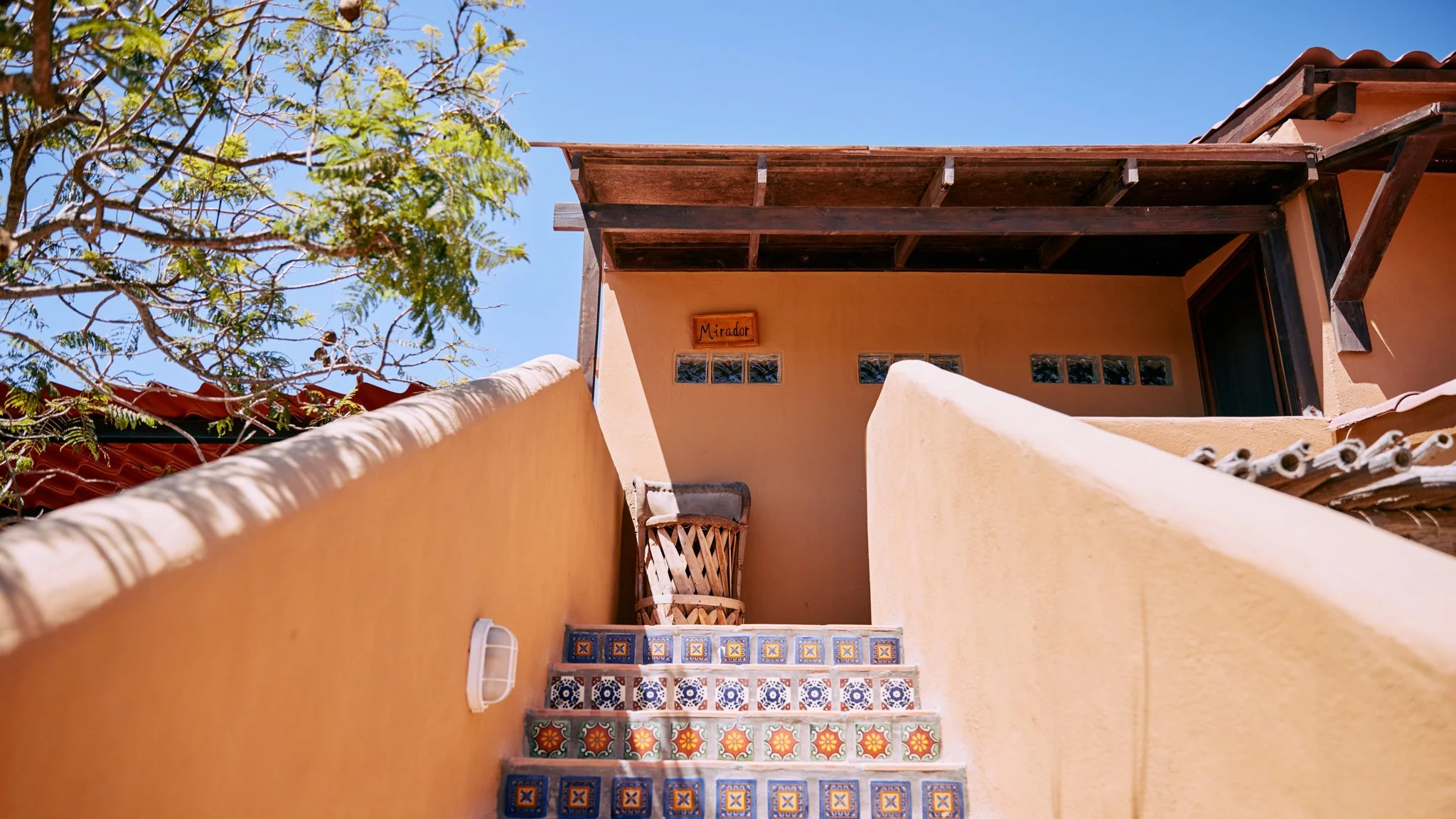
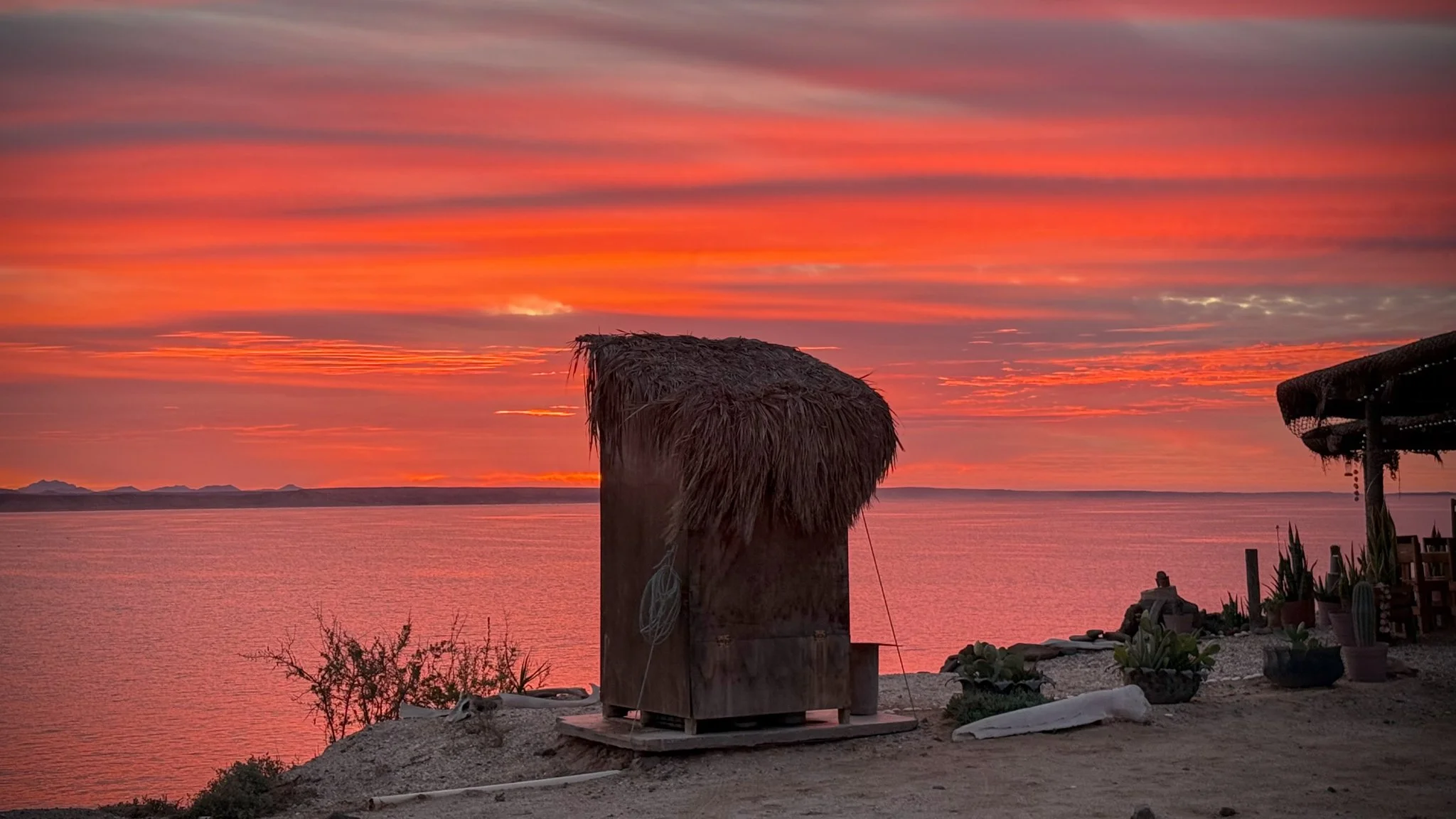
I walk down to the bluff to Bar Bahia. There is a wooden outhouse looking over the bay. It has to be the most scenic in Baja.
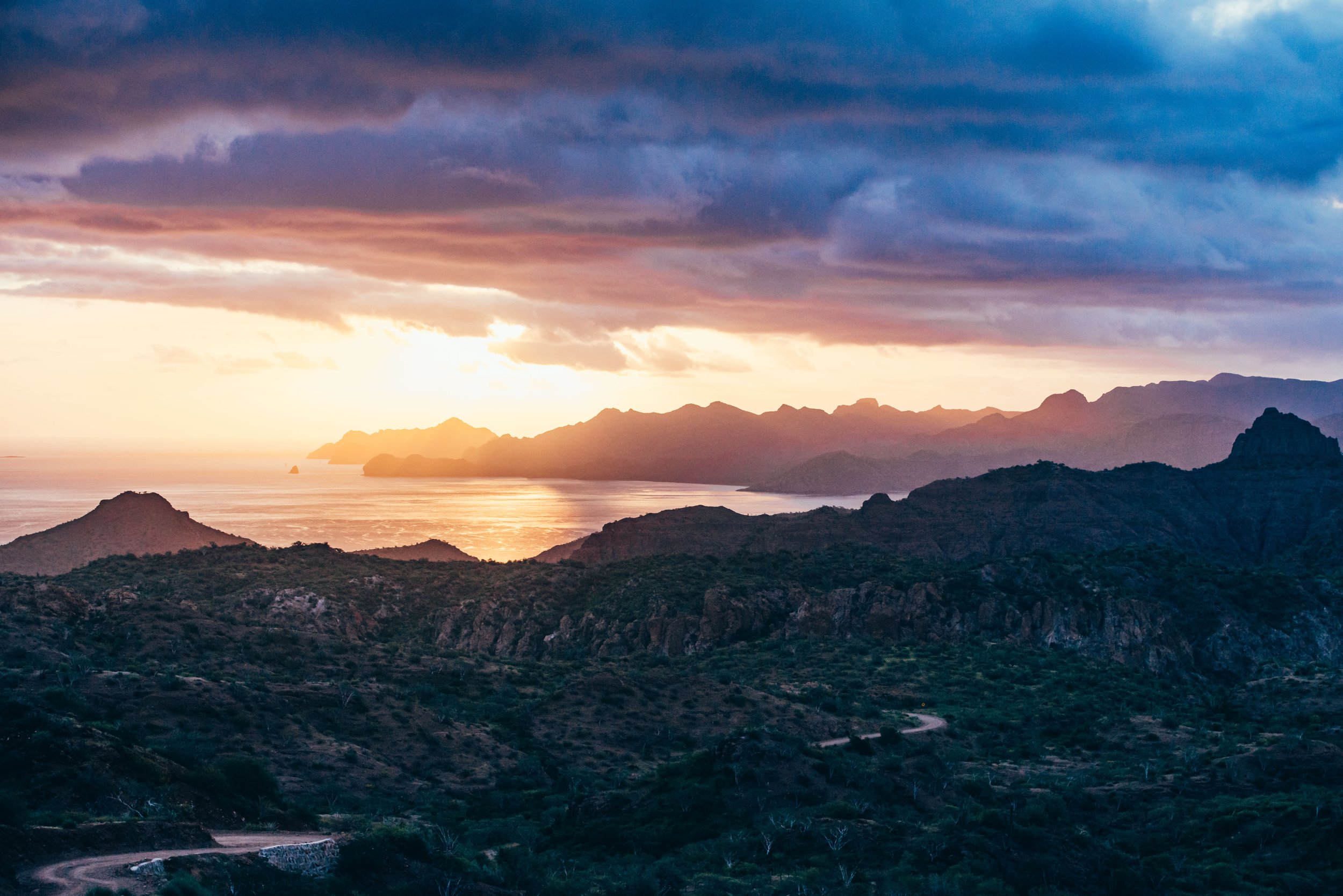
I drink a beer and watch the sun go down. The grand show is eternal.
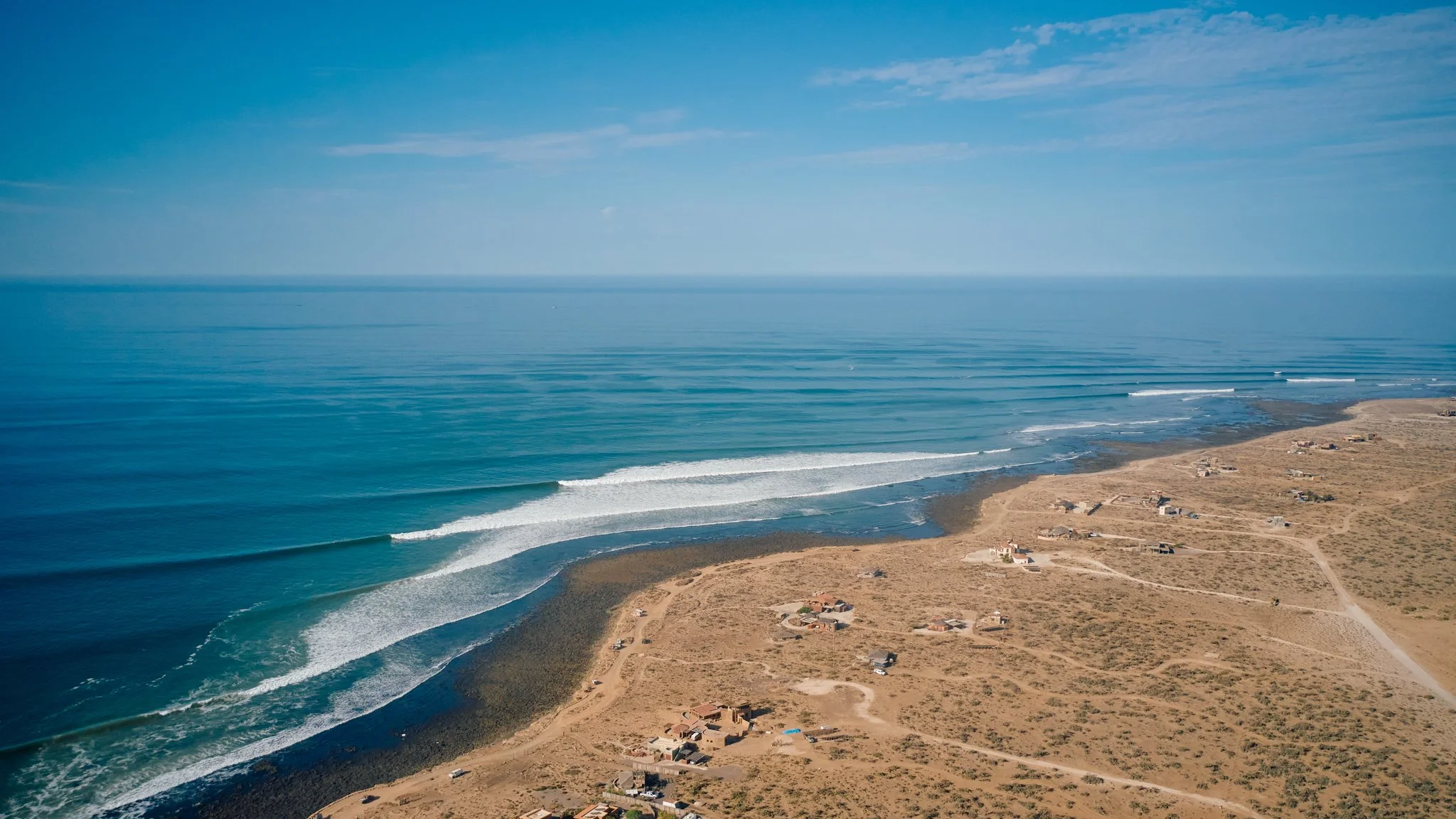
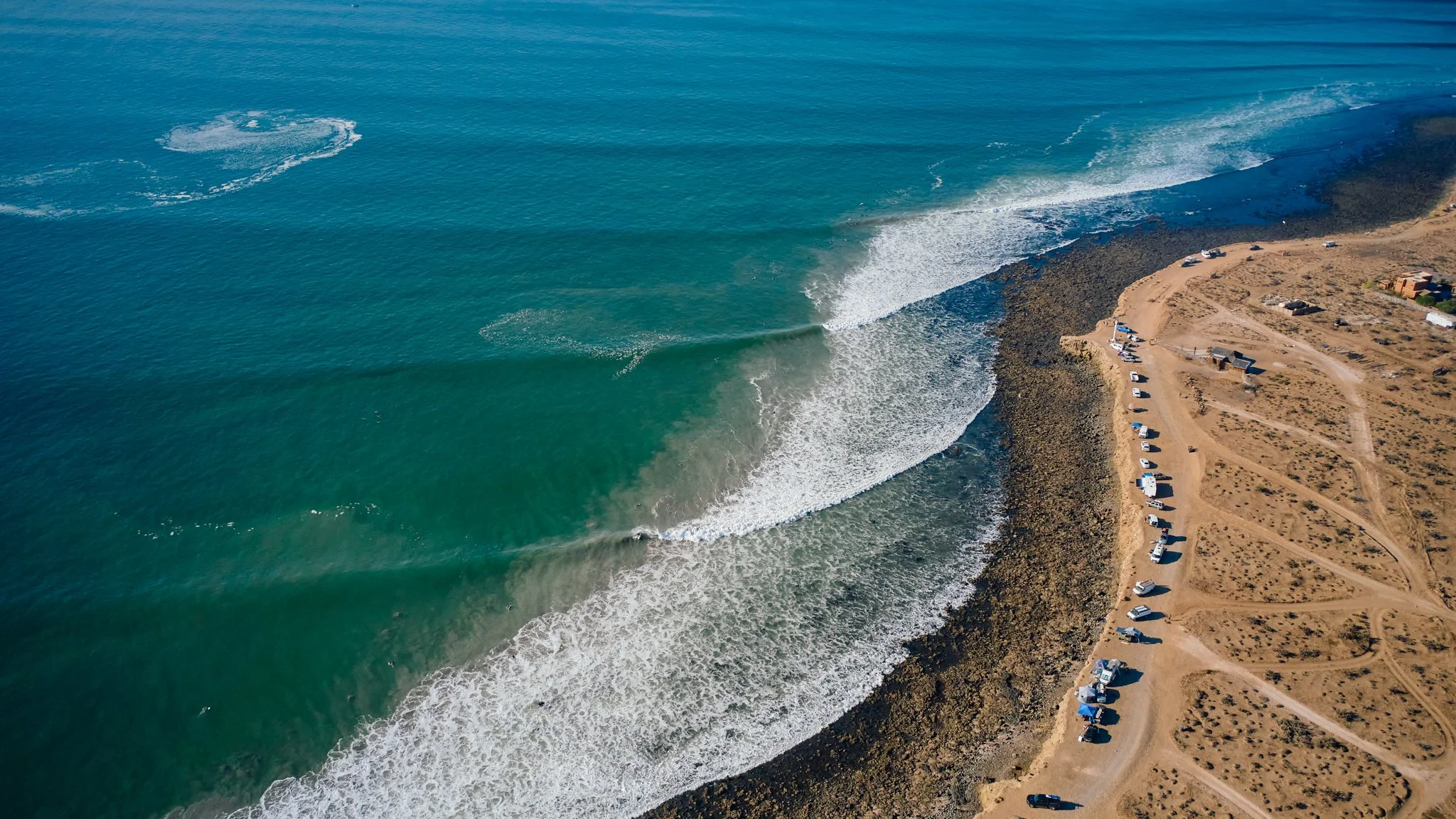
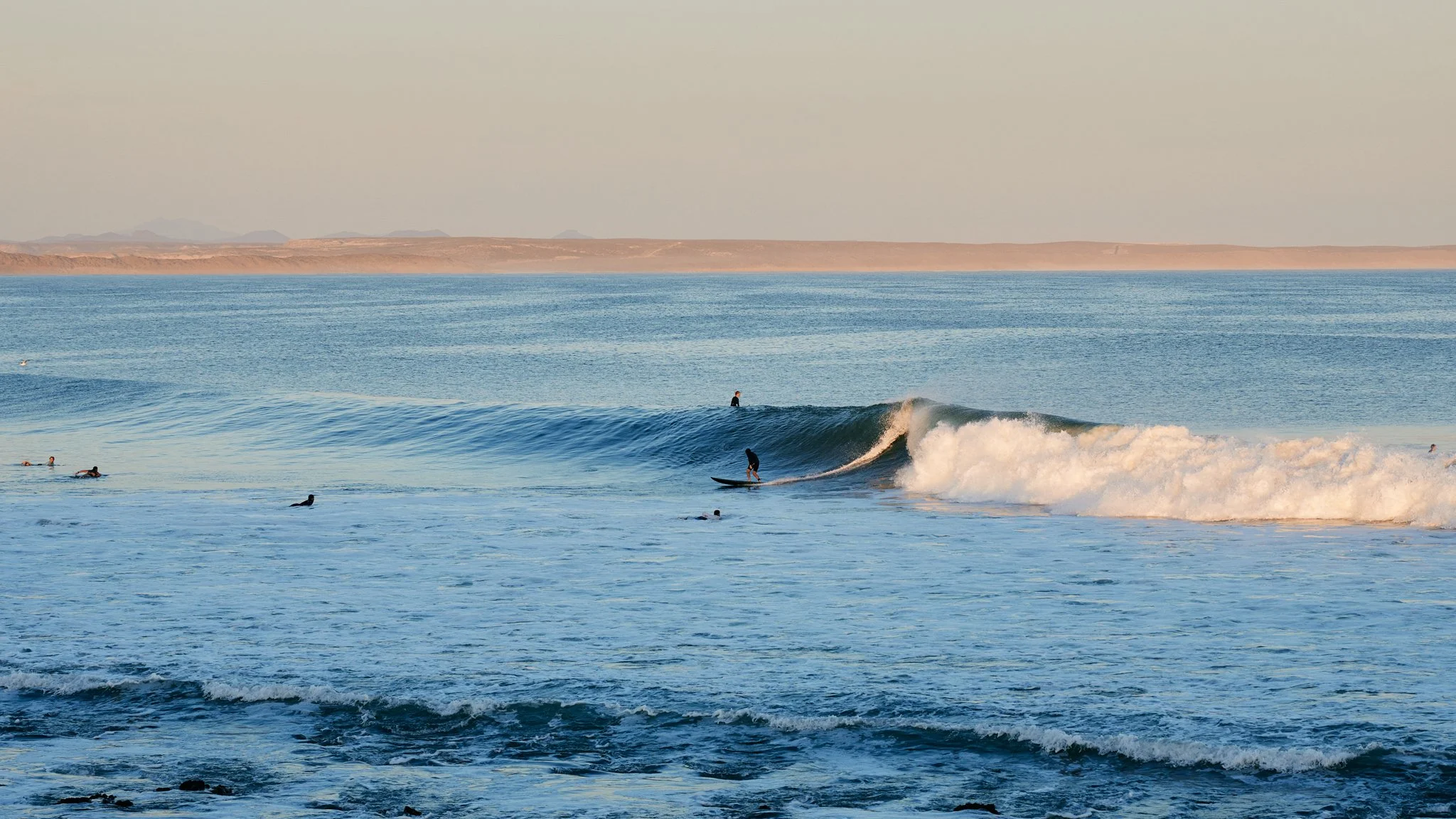
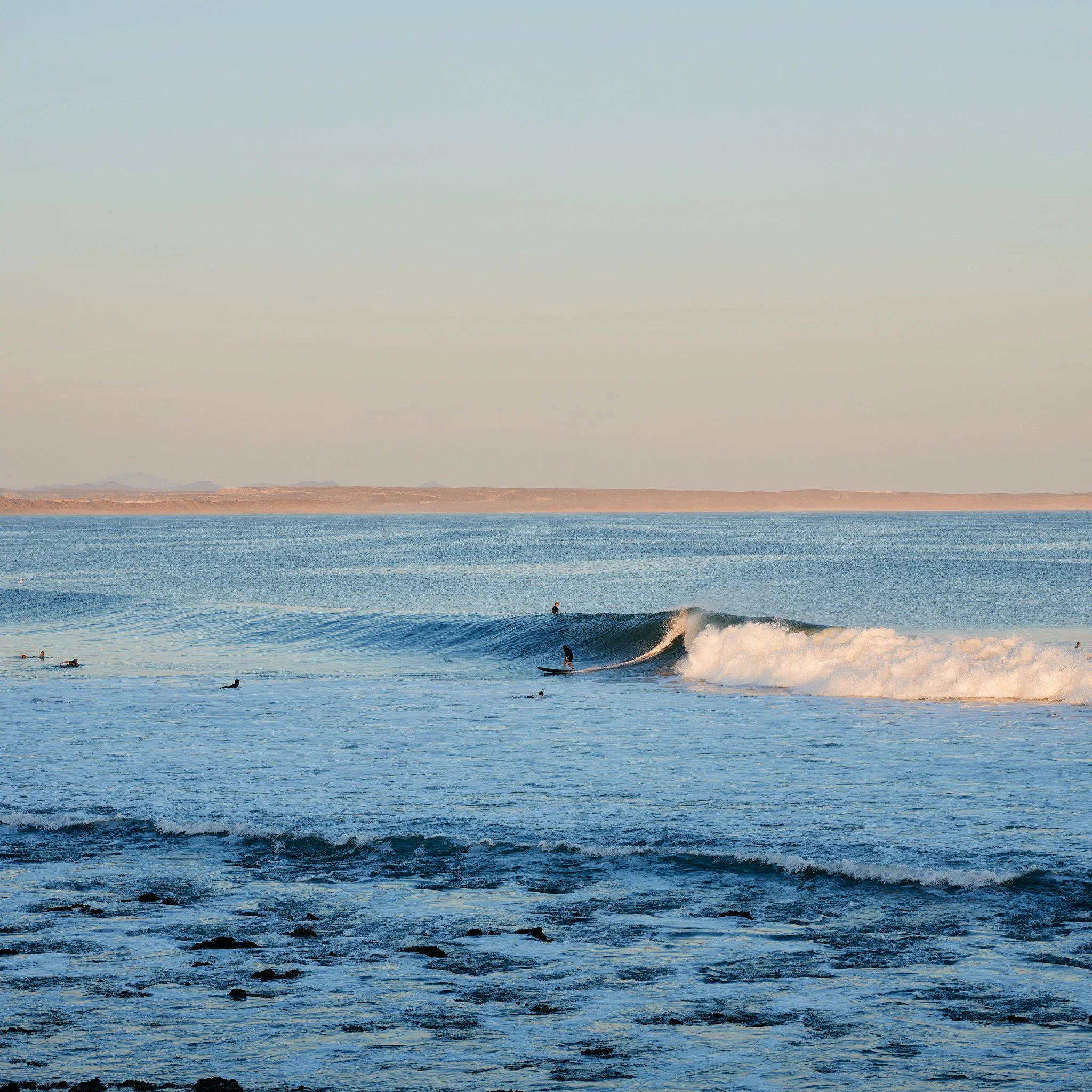
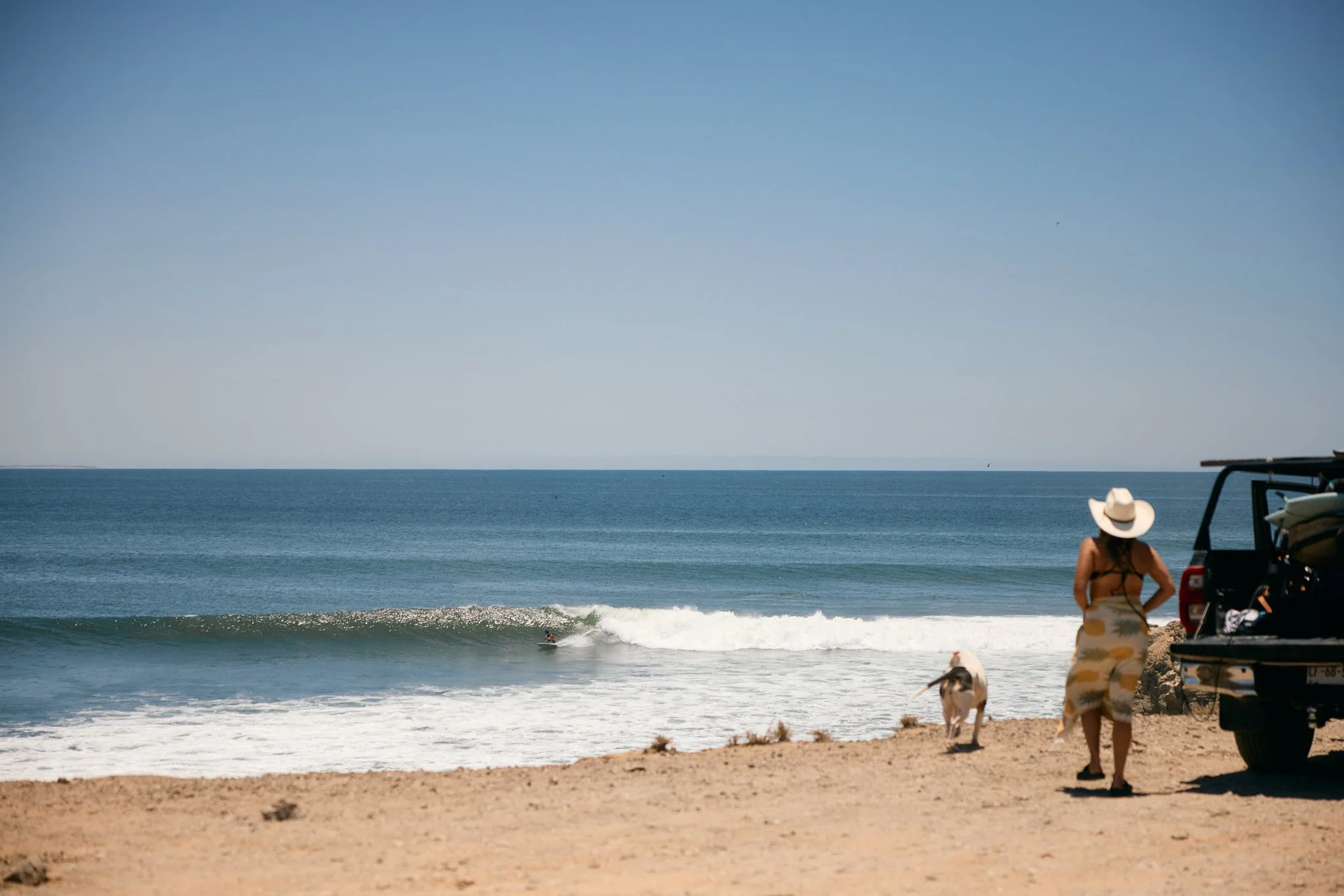
Mornings are for surfing. There are more than four right-hand points along this coast. Local lore stretches the count higher. But the famous four are what put Scorpion Bay on the map.
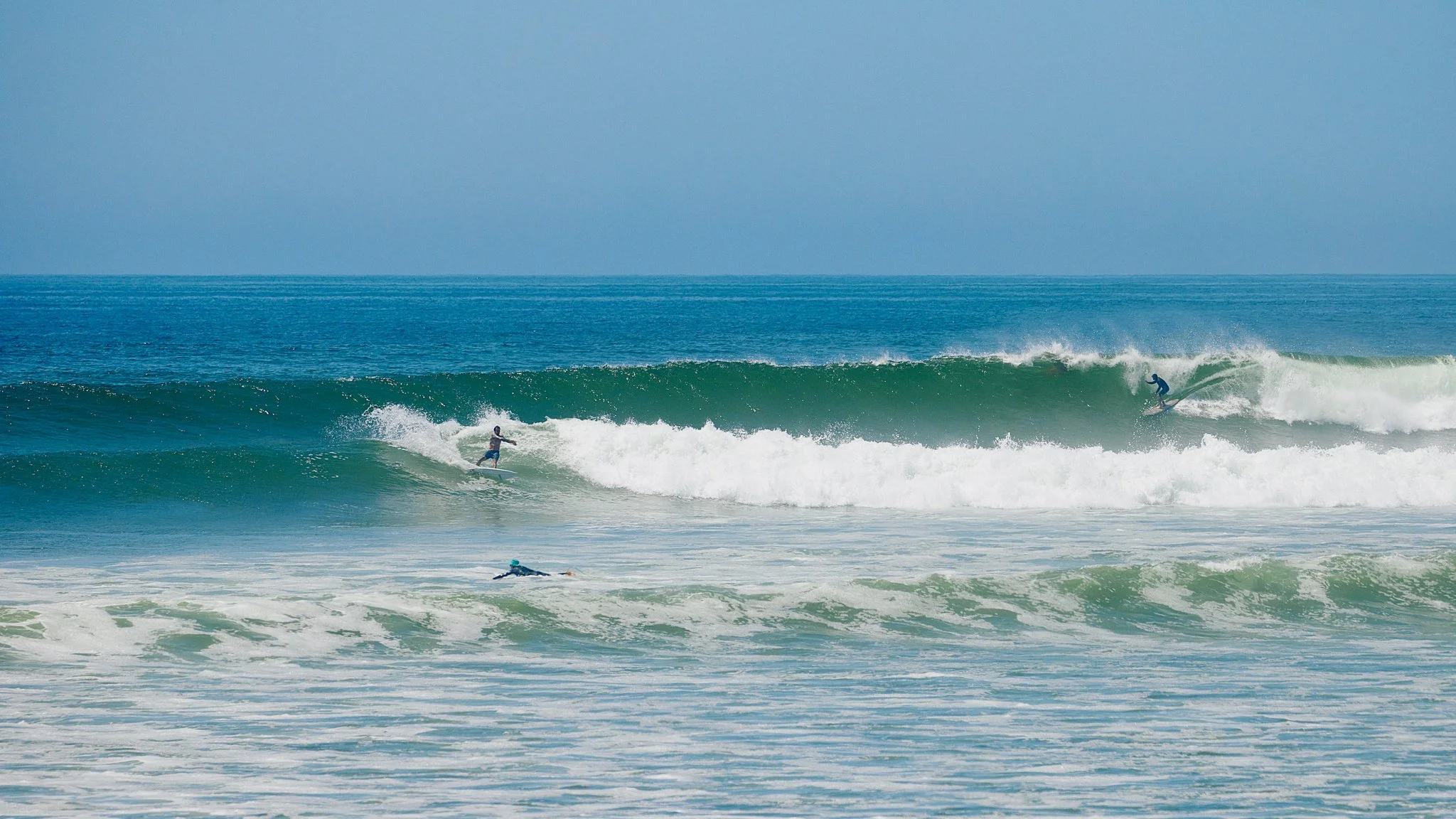
First Point. Second. Third. Fourth. Each one its own animal. First is mellow on a small swell. The kind of wave that makes a beginner think he has figured something out. Push north and the points get longer and faster. On a south swell with the right tide, Third will give you a wave so long your legs go before the wave does.
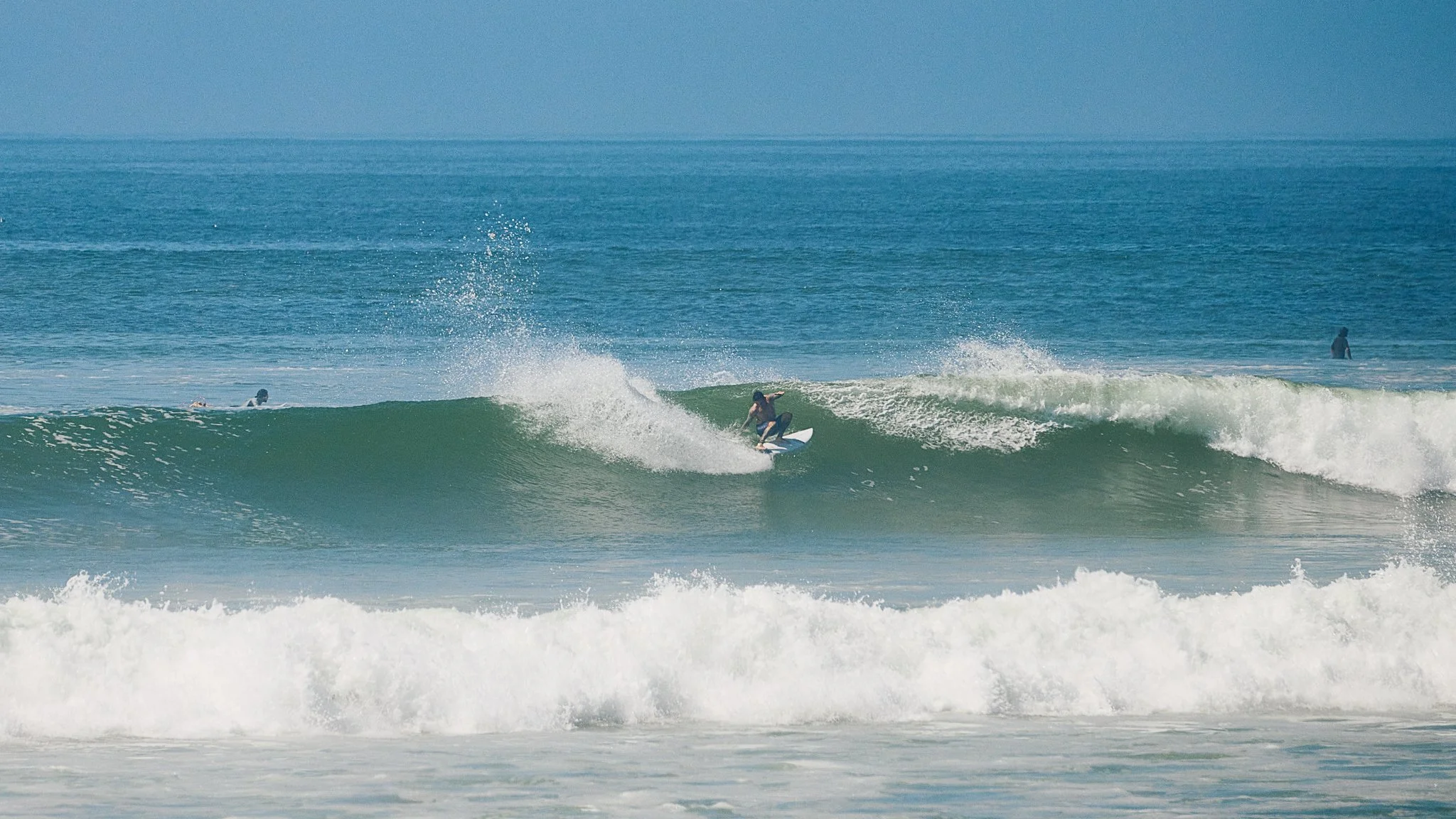
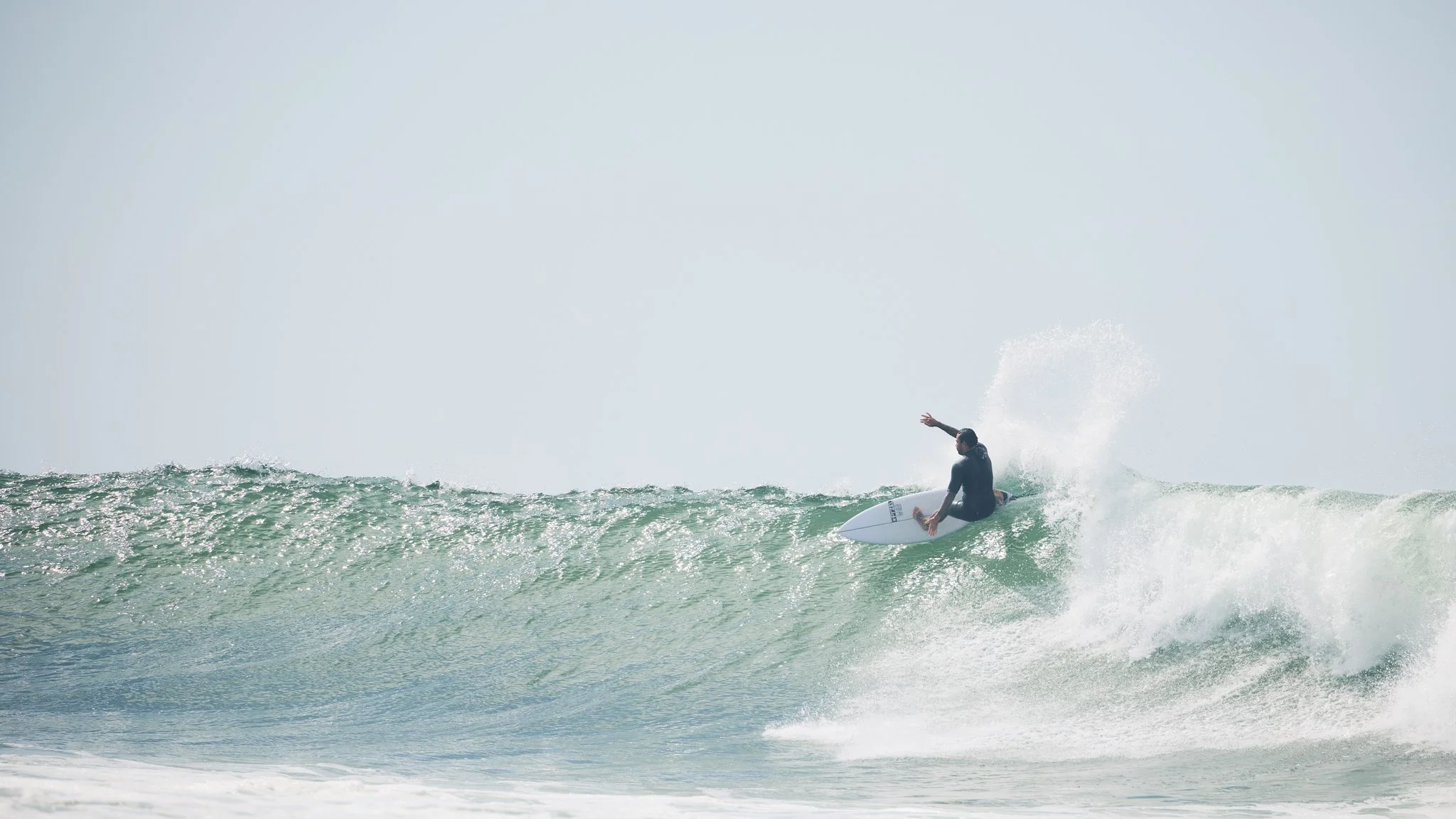
I walk to the water. There is no parking lot. I shoulder the board and find a goat path scratched into the cliff and pick my way down through loose rock and brittlebush. You paddle out from whatever cobble or sand the tide has left. It is a small thing, that walk. But it sets the terms.
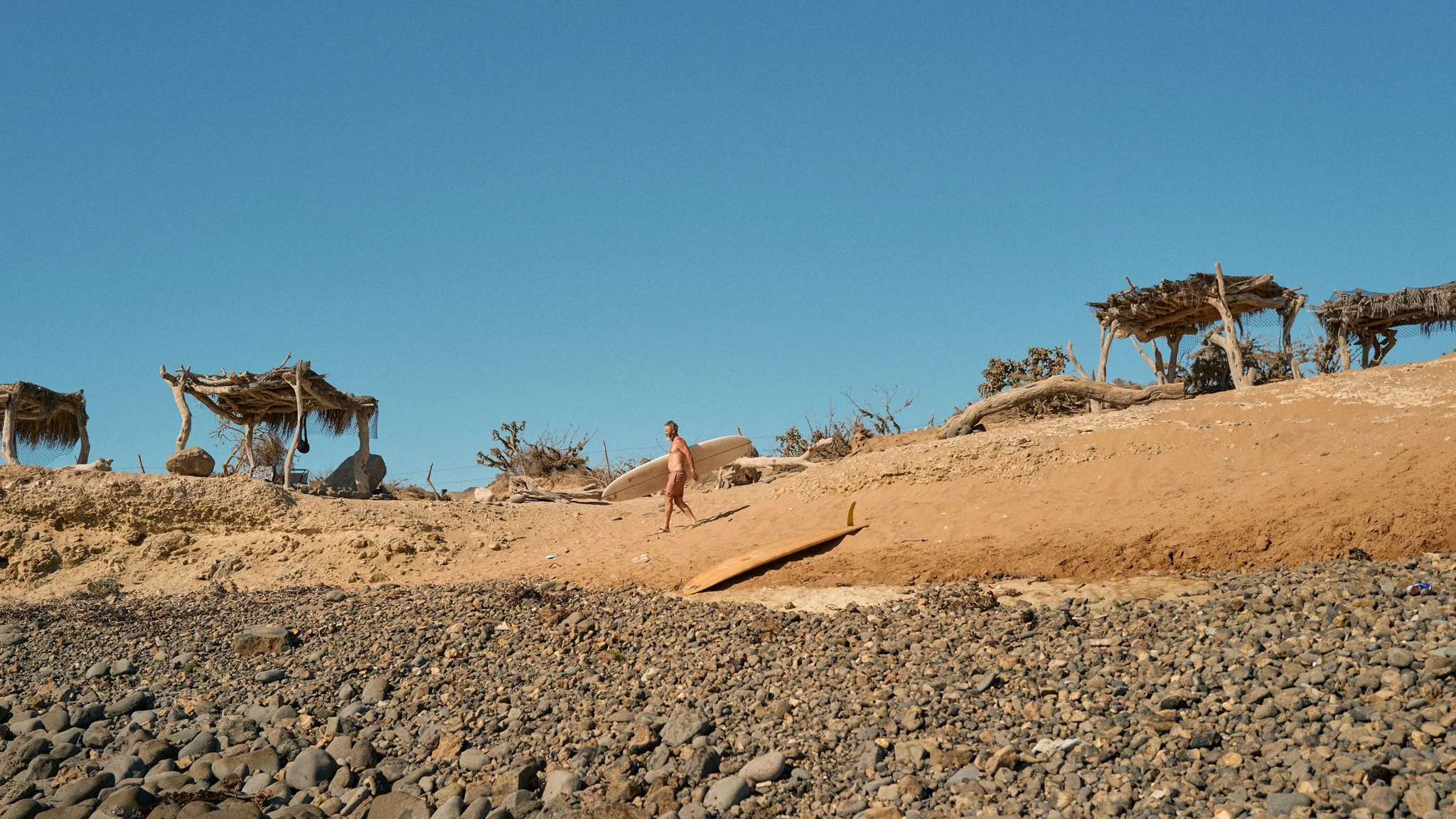
San Juanico is not a secret anymore. The San Juanico Surf Open brings competitors and crowds in the spring and the lineup stacks up when the swell is running. But the place keeps its temper. Maybe it is the road. Maybe it is that nobody flies in. The etiquette here is older and softer than in other places.
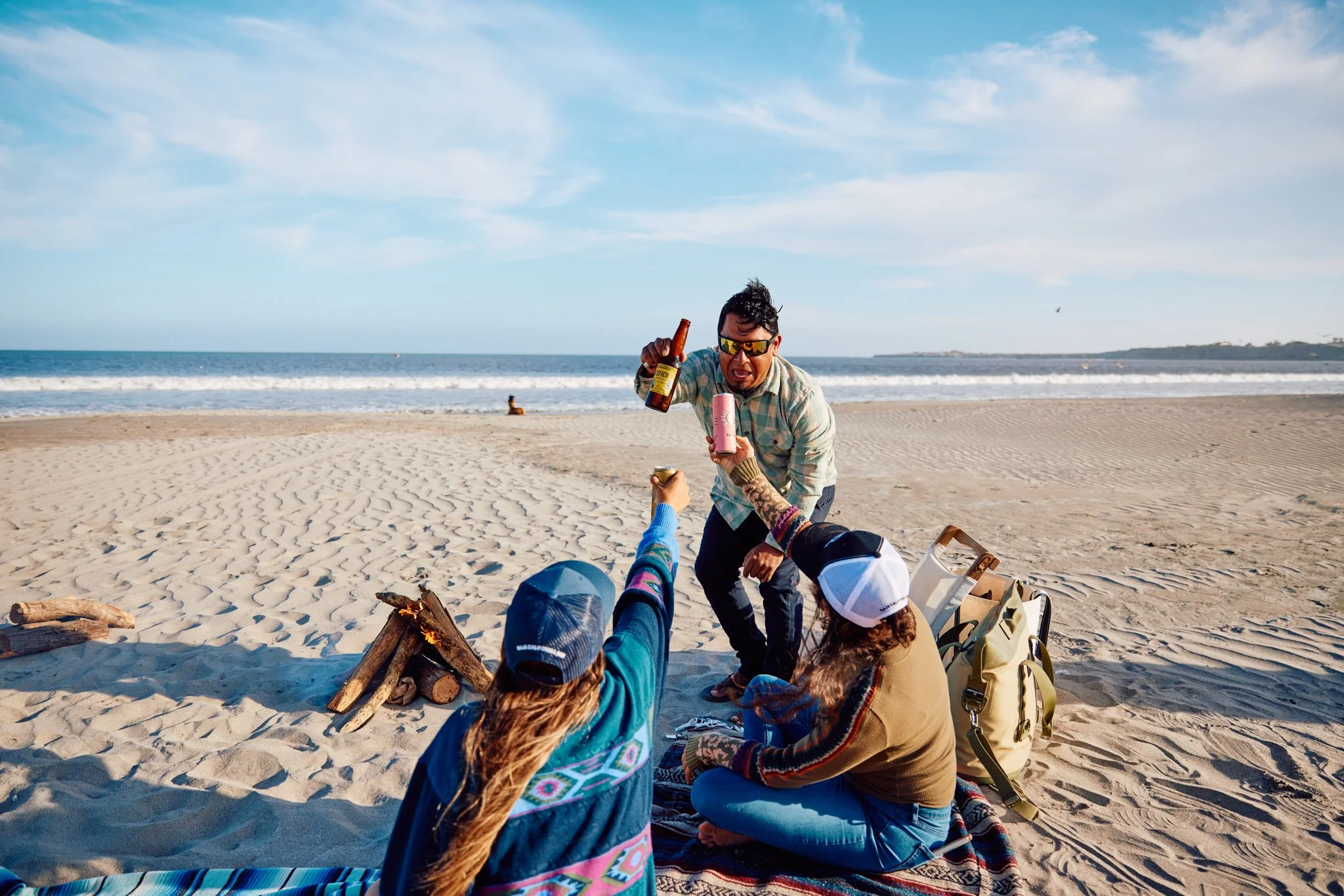
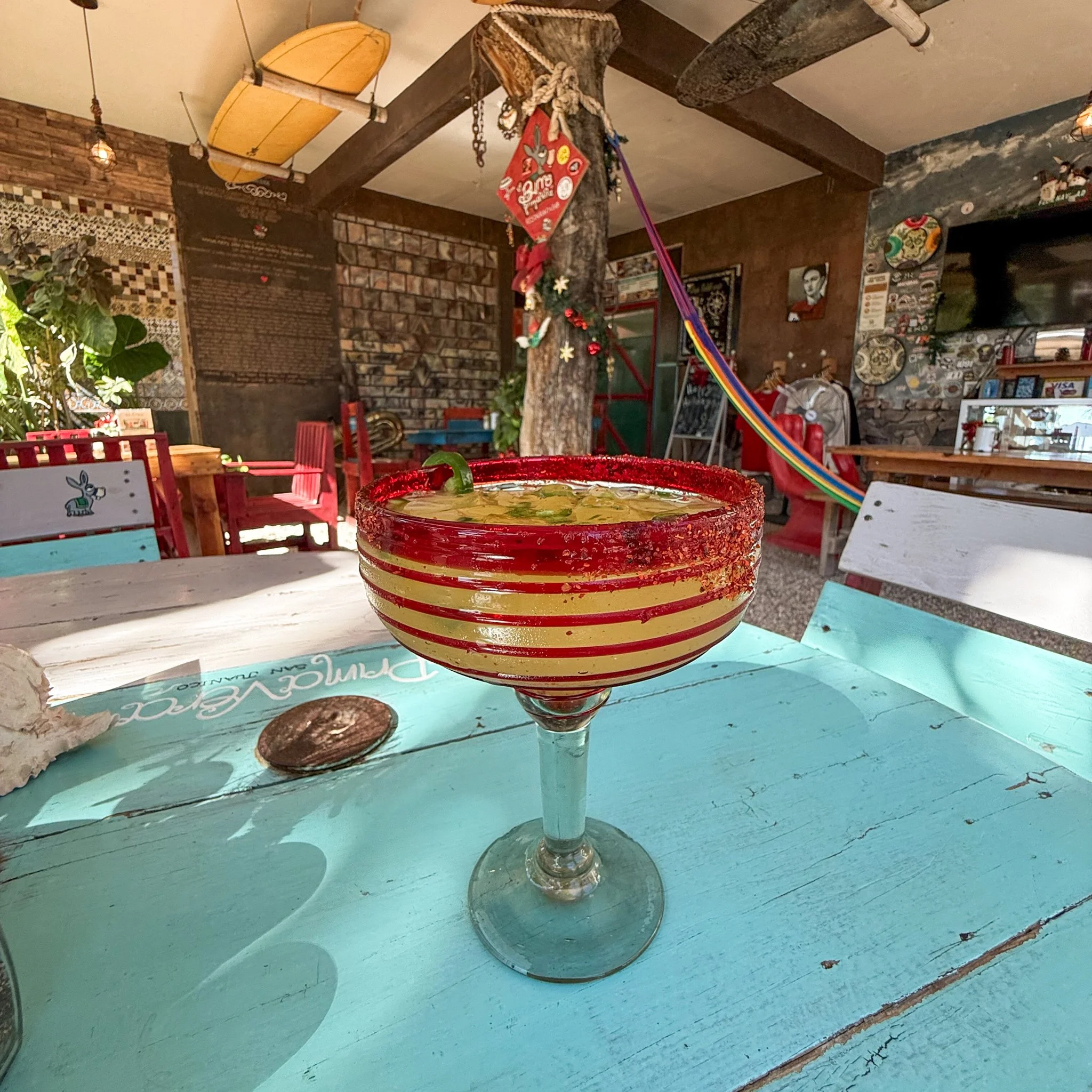
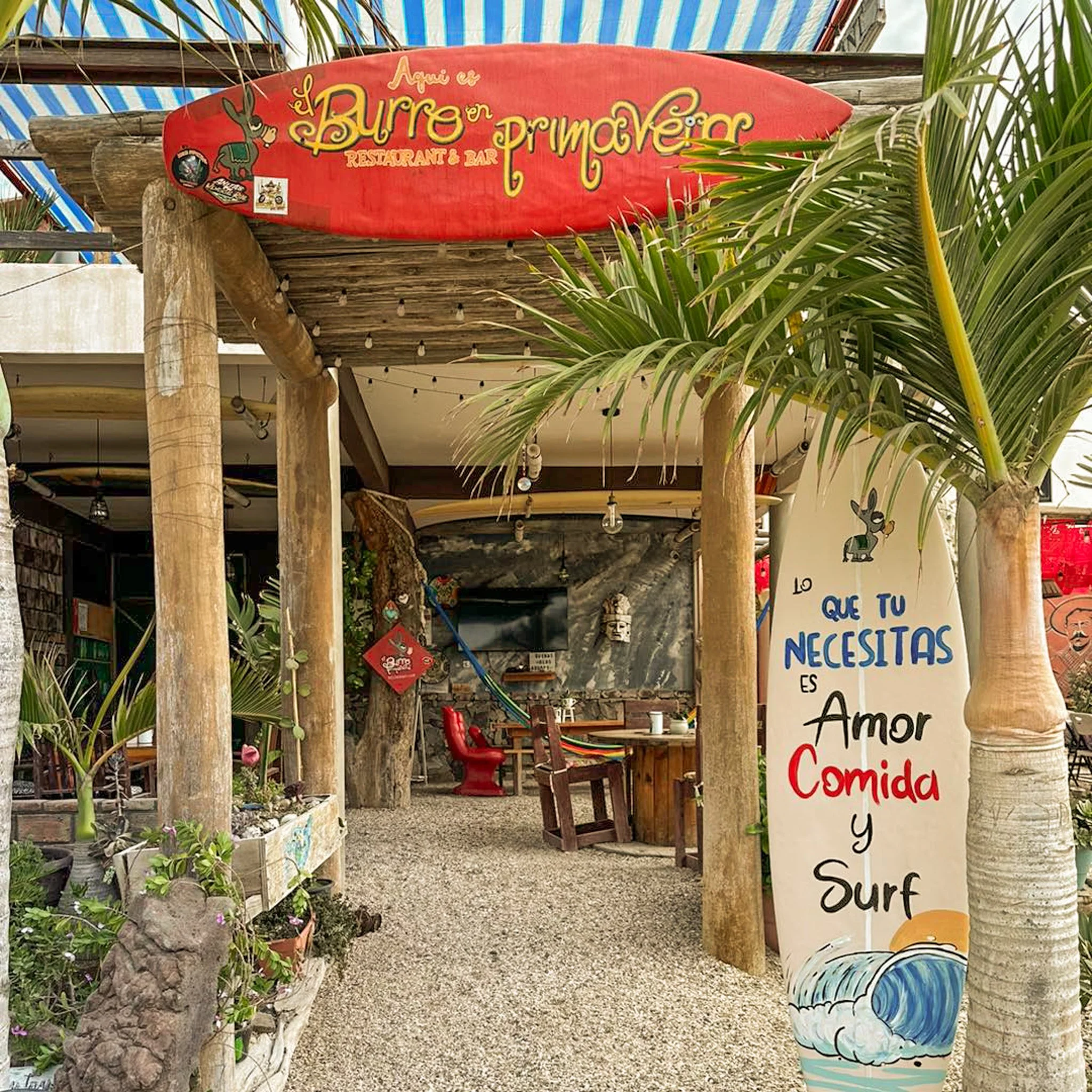
I visit the El Burro Cafe for lunch. Fish tacos. Beans. Food that does not pretend. Another night I visit the Scorpion Bay Cantina and Campground, where the tables sit under a palapa and the talk drifts between Spanish and English and the language of someone describing a wave.
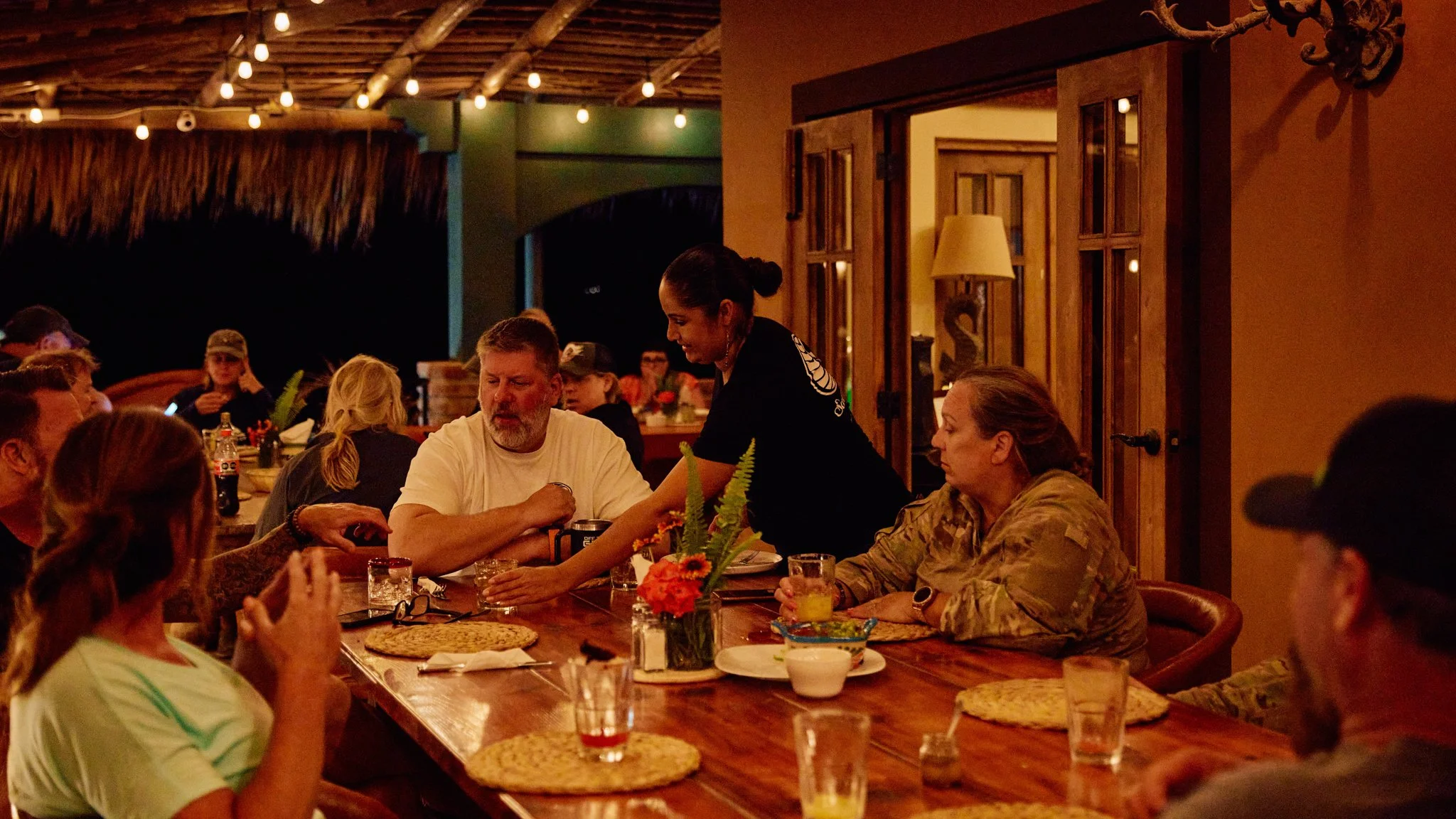
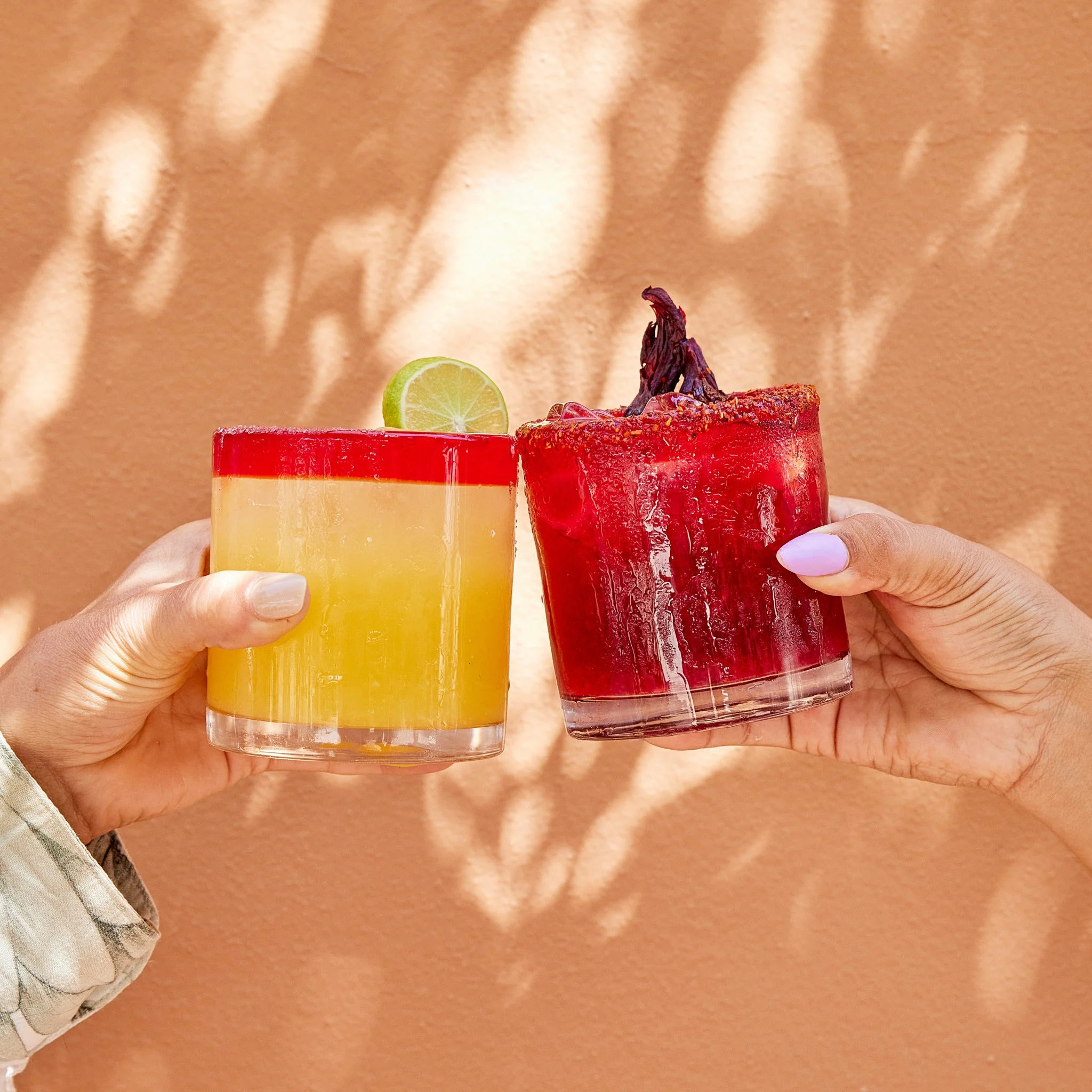
A guy from Oregon said he had been coming down for twenty-five years. A woman from La Paz said her father used to fish these waters before anyone called it a surf town.
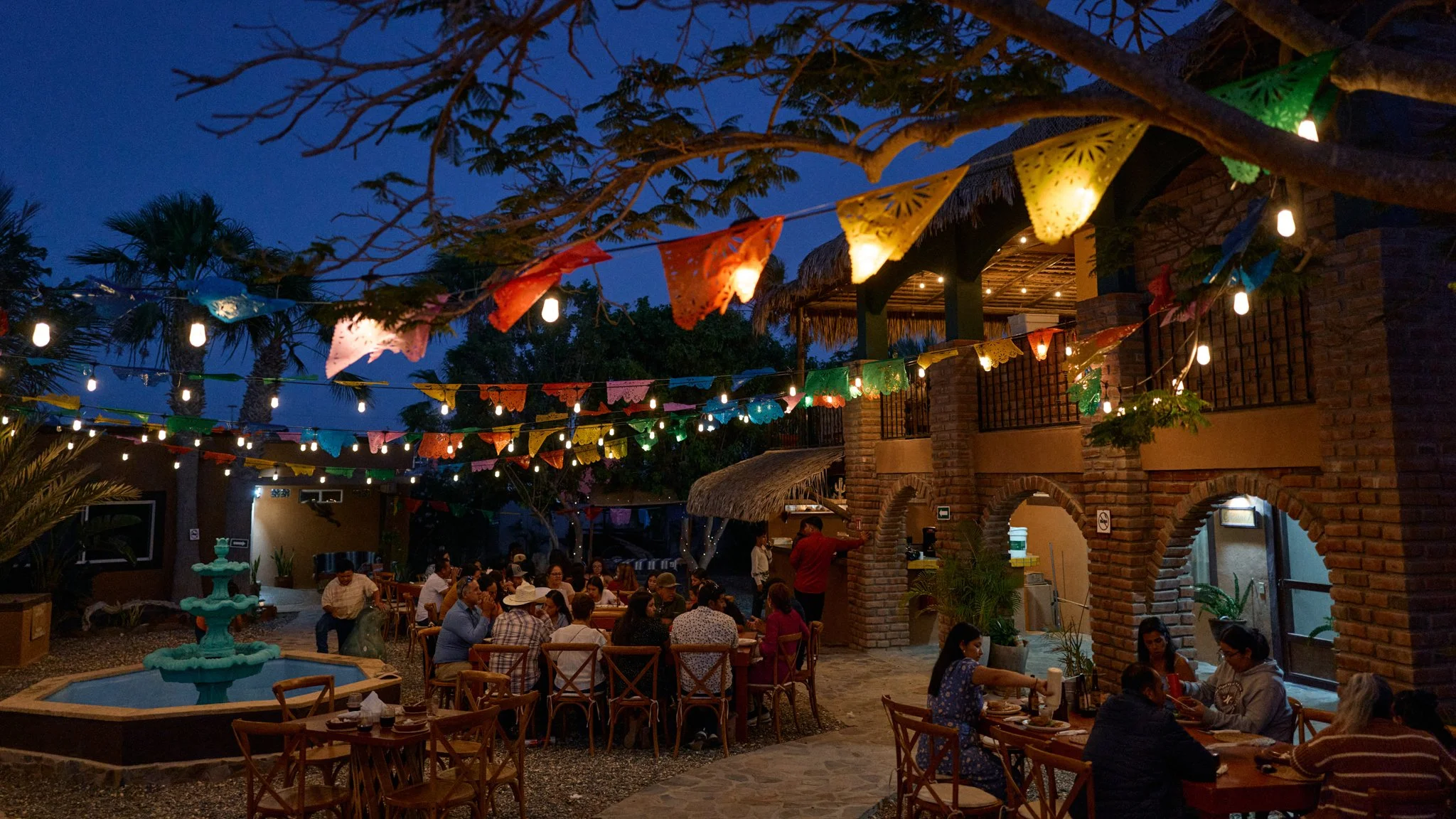
Most nights end on the veranda of the hotel. Dinner after dark. Margaritas sweating on the wood. The bay invisible past the railing, just a sound. Conversations go late and then quiet. A headlamp would click on and off down the bluff. The stars are remarkable. There is no sound other than the ocean.
One afternoon I walk out to El Faro, the old lighthouse on the point. From there you see the whole shape of the bay. The lines of swell coming in. A truck dragging its own dust down some side road. The long curve of beach going off into haze. It is not a dramatic lighthouse. It is a working one, and a lonely one, and it feels like the right place to think about what we ask of places like this.
Steinbeck, motoring through the Sea of Cortez in 1940, wrote that what you find in Baja depends on what you bring to it. Eighty-some years on, with bulldozers carving up the coast around Cabo, that feels truer than ever. San Juanico is still itself because the road is still the road. Because the highway out of Ciudad Insurgentes still bleeds into dust before it gets here. Because the people who live here, and the few of us who keep coming back, like it that way.
I left at dawn. The bay was blue-grey. The lineup was empty and glassy. A long way out, a single set rolled in and broke with no one to ride it. That felt right too.