Trust the River
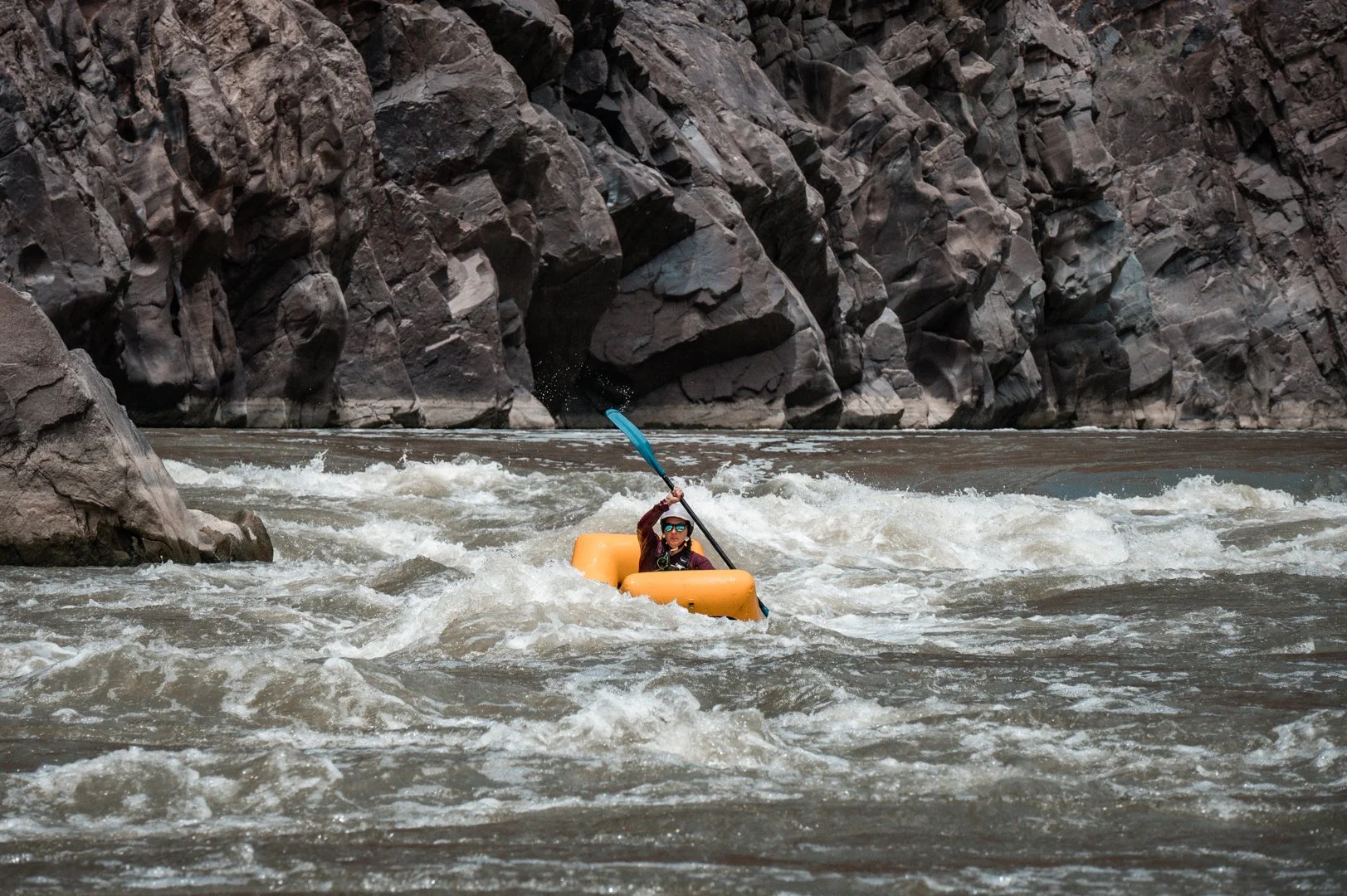

Across a multi-day journey on the Colorado River, a group floats through the calm waters of Ruby-Horsethief Canyon and into the intensity of Westwater.
Words and Visual by Diandra Cazadora
On the first morning of a river trip, there is a moment when the boats push off from shore and the current takes hold. The river bends away from the road, canyon walls begin to rise, and the outside world disappears around the corner. From that point on, there is no easy exit.
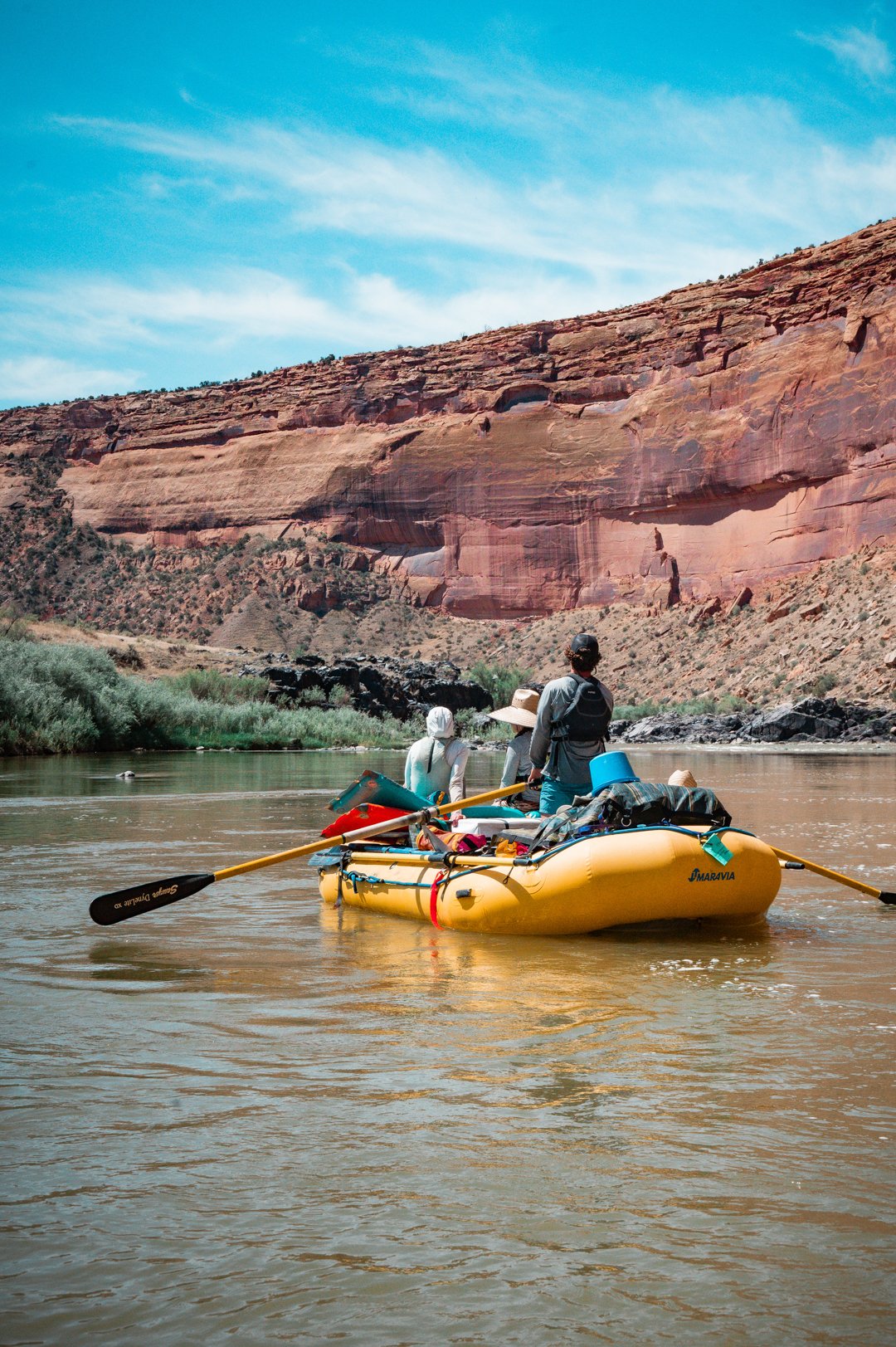
I feel that moment as we launch onto the Colorado River.
I am the outsider—the least experienced river rafter and a stranger to almost everyone on the trip. The evening before, we gathered at the boat launch to prep gear. I introduced myself and offered help, but quickly realized my main role was to step back. Still, the others welcomed me warmly as they rolled dry bags, loaded gear, and tightened straps.
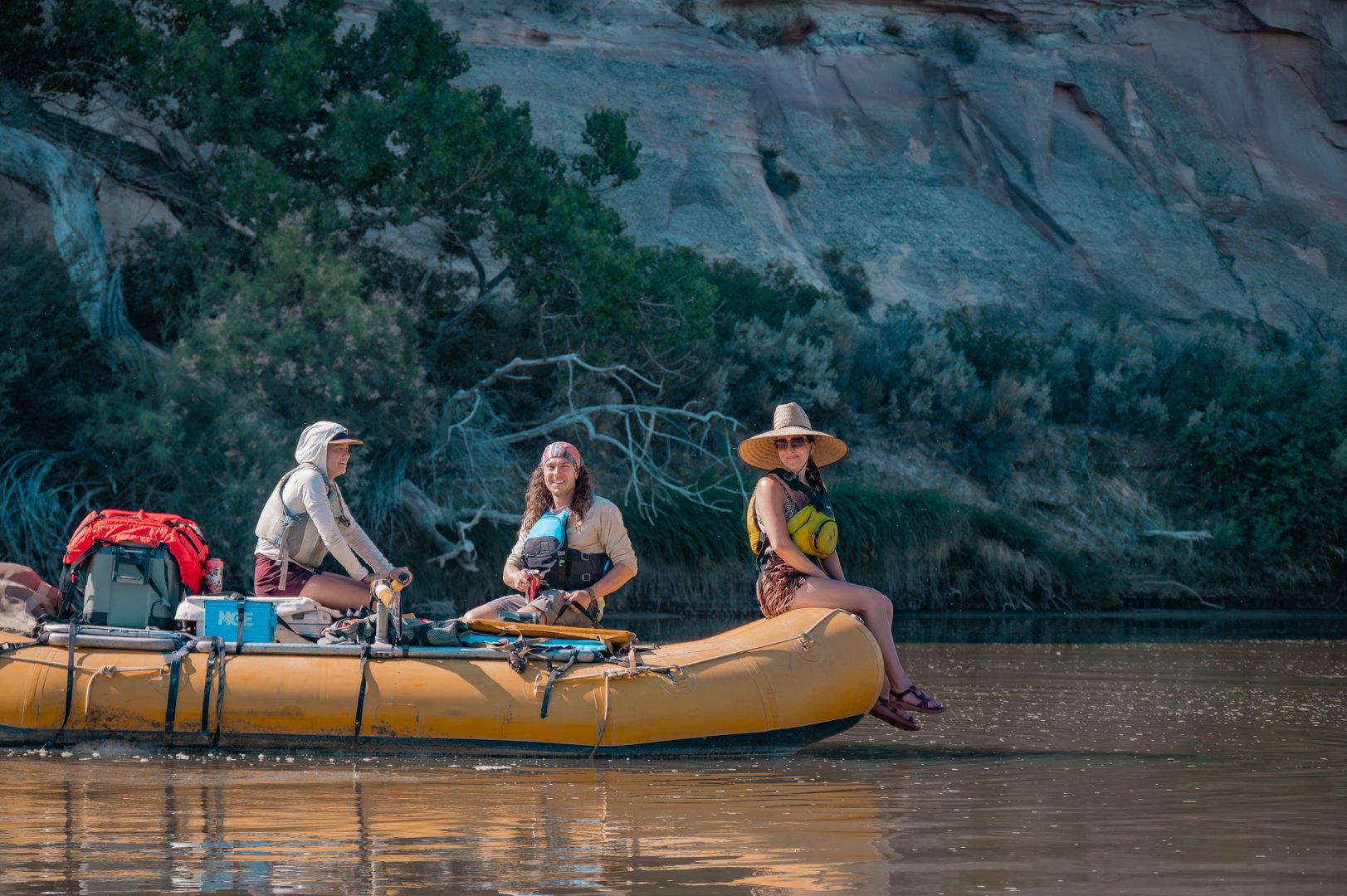
River people understand something about trust. Once you start downstream, you become family. You rely on each other for safety, judgment, food, and laughter.
A river trip is a commitment. Whatever challenges arise, you face them together. The only way out is forward.
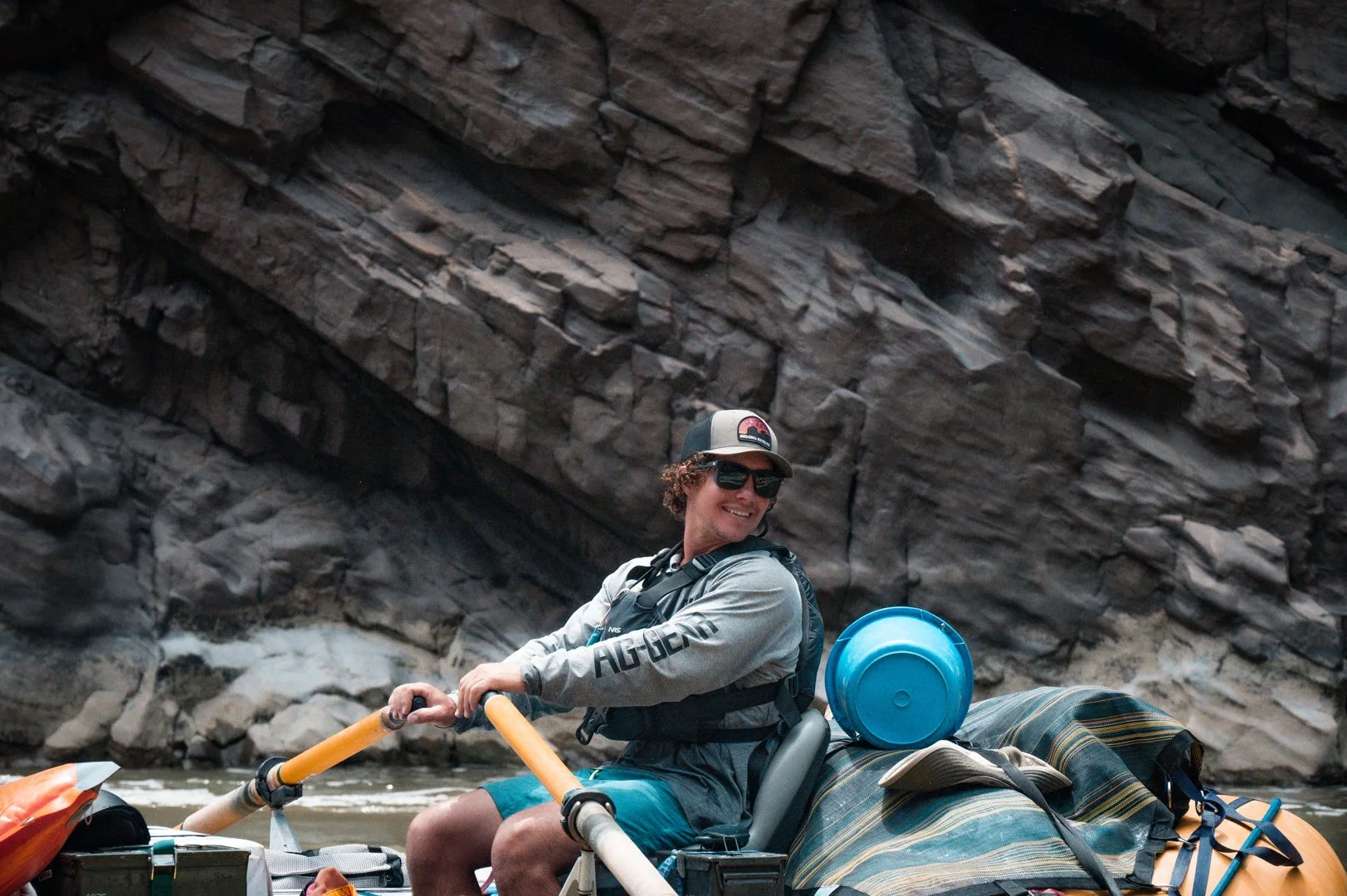
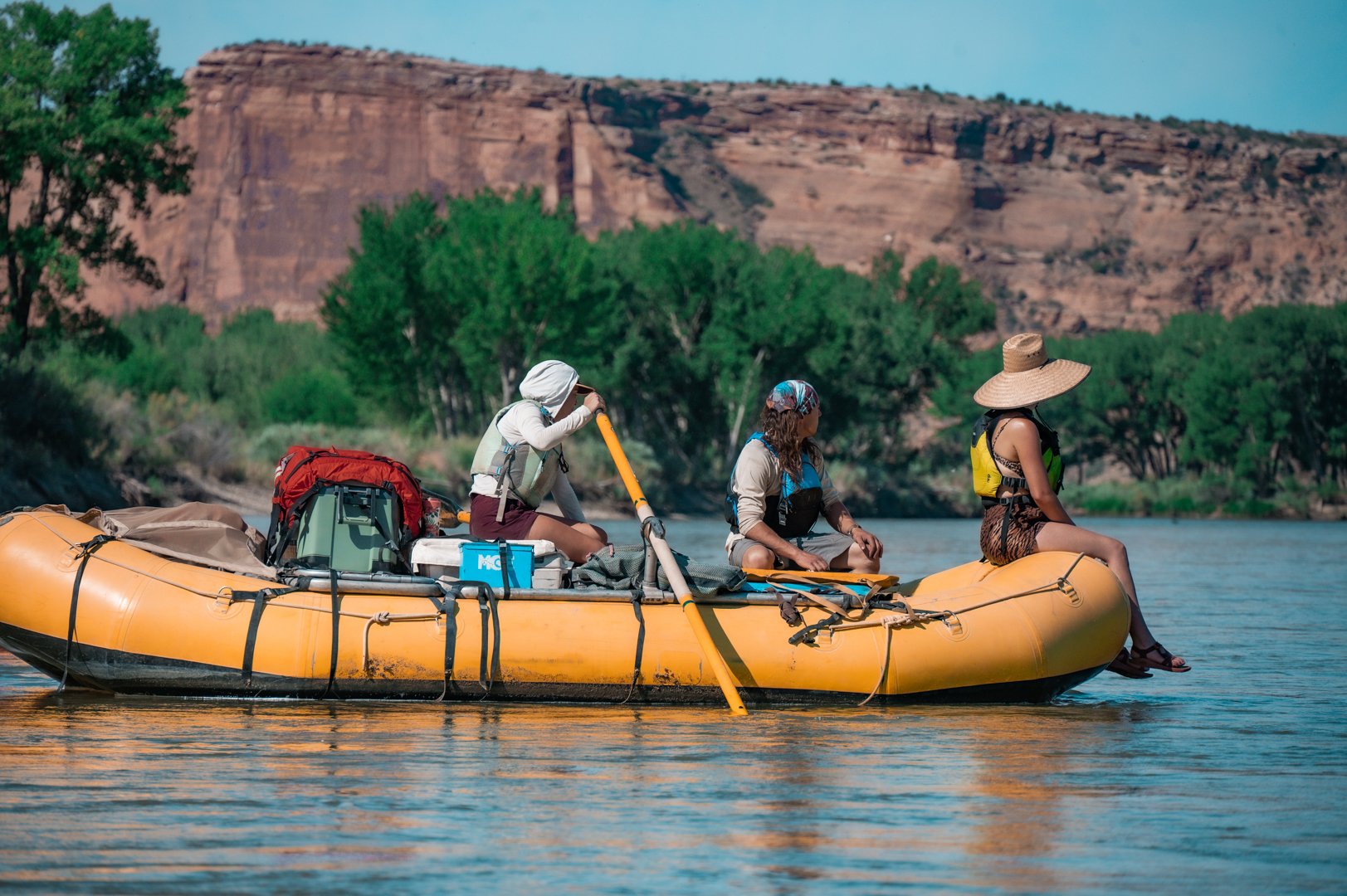
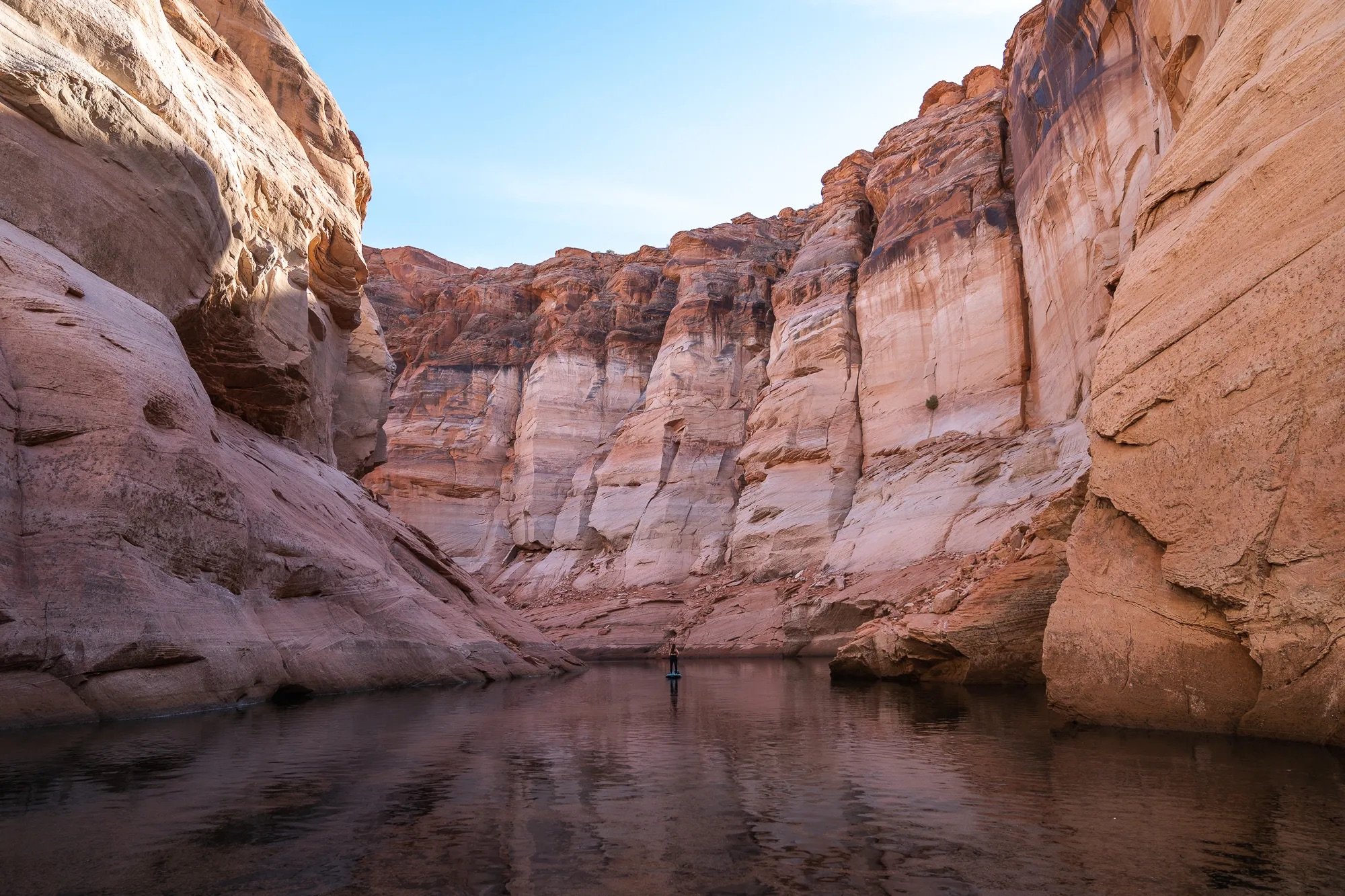
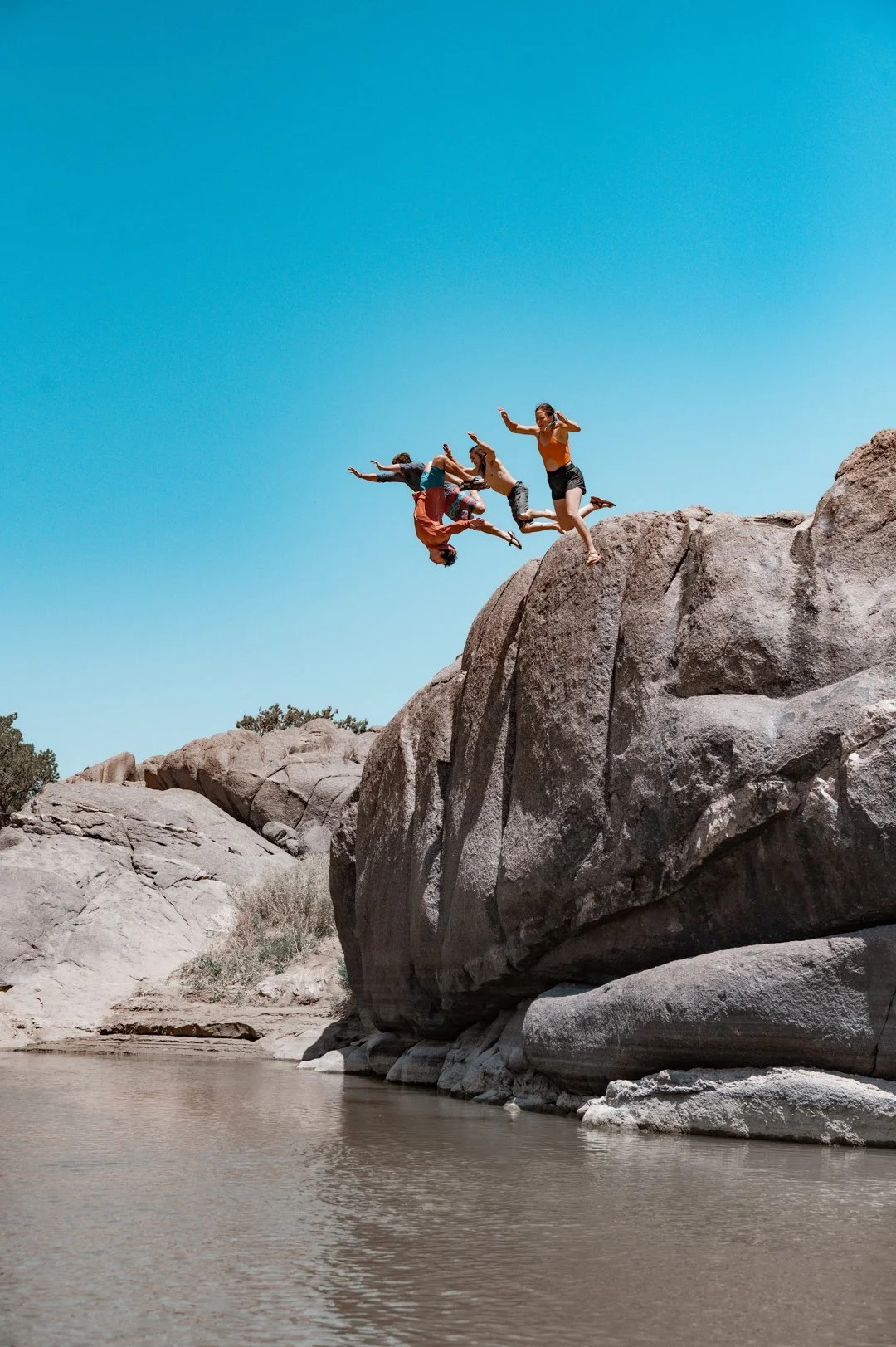
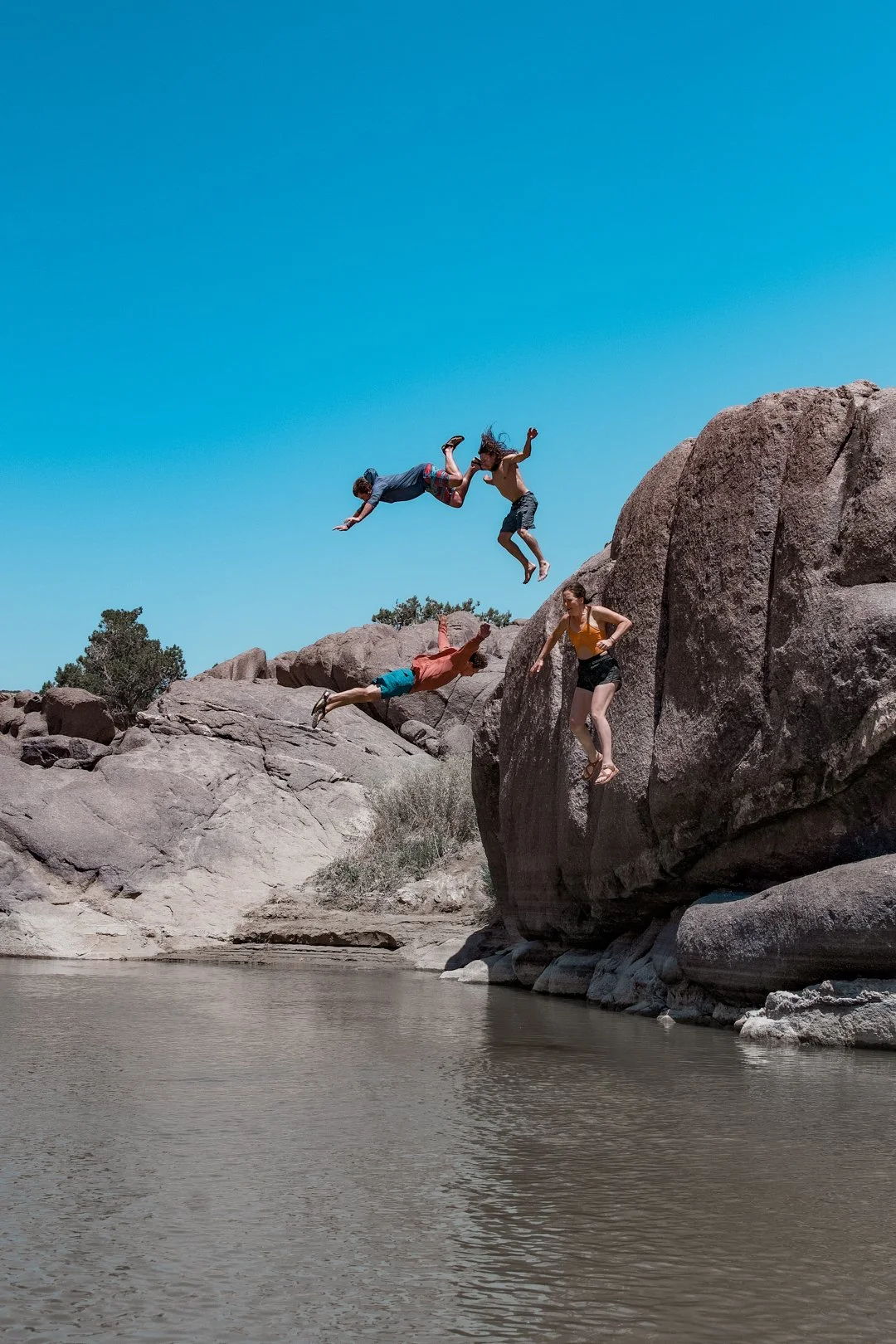
For two days the river moves gently through Ruby-Horsethief Canyon, a stretch of calm water framed by towering red rock walls. The current carries us quietly between the cliffs while swallows circle overhead. We float and swim, take turns cliff jumping, and drift through the desert heat.
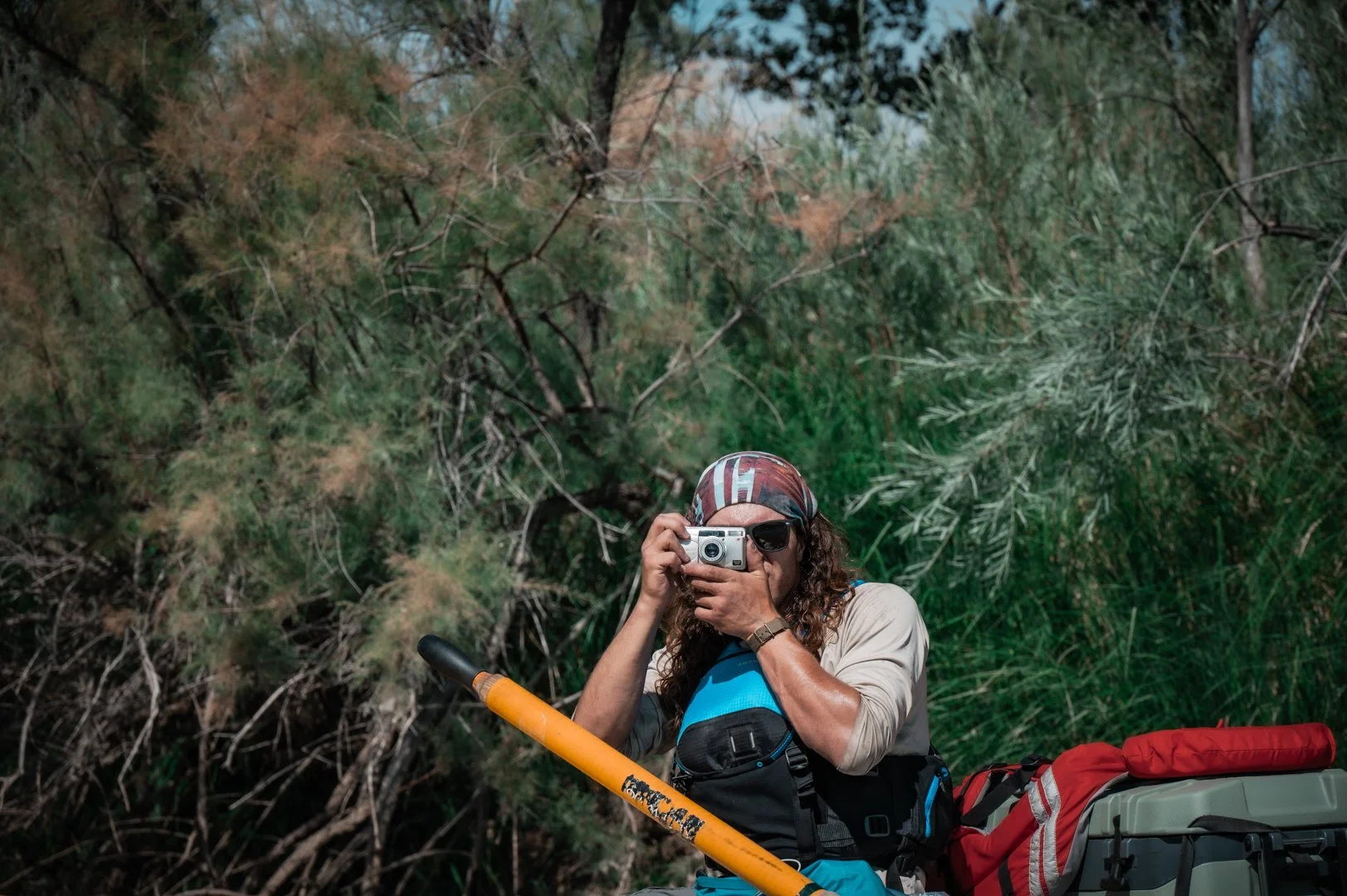
Just days before launch, I decided to bring my camera. Carrying expensive gear on a raft is its own leap of faith. My camera and lenses sit padded inside a newly purchased waterproof case strapped into one of the gear boxes. Each time I open it I move carefully, aware that one wrong move could send thousands of dollars sinking into the Colorado. But the reward is undeniable: the painted canyon walls, the texture of the water, and the rituals of river life unfolding all around us.
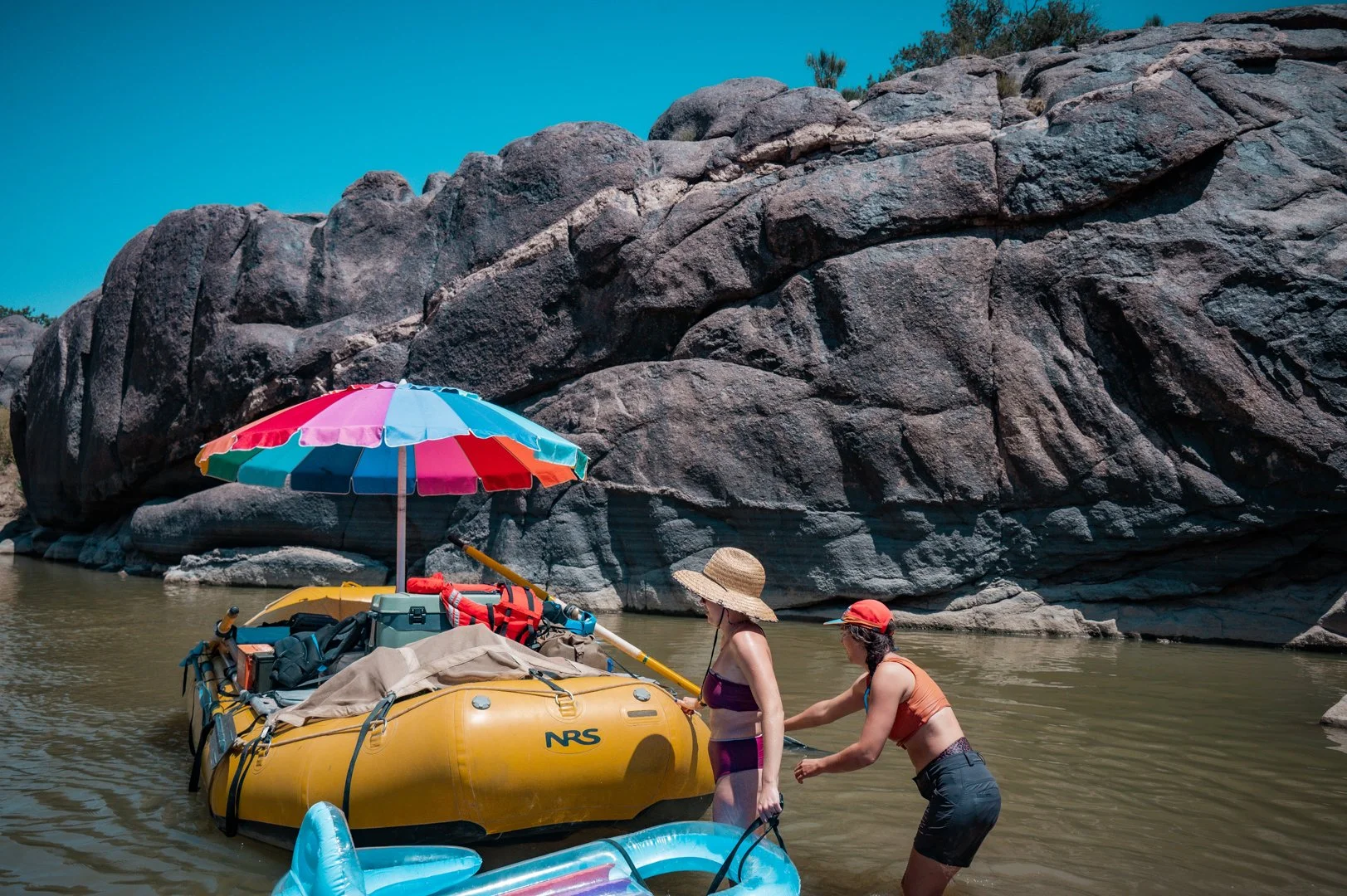
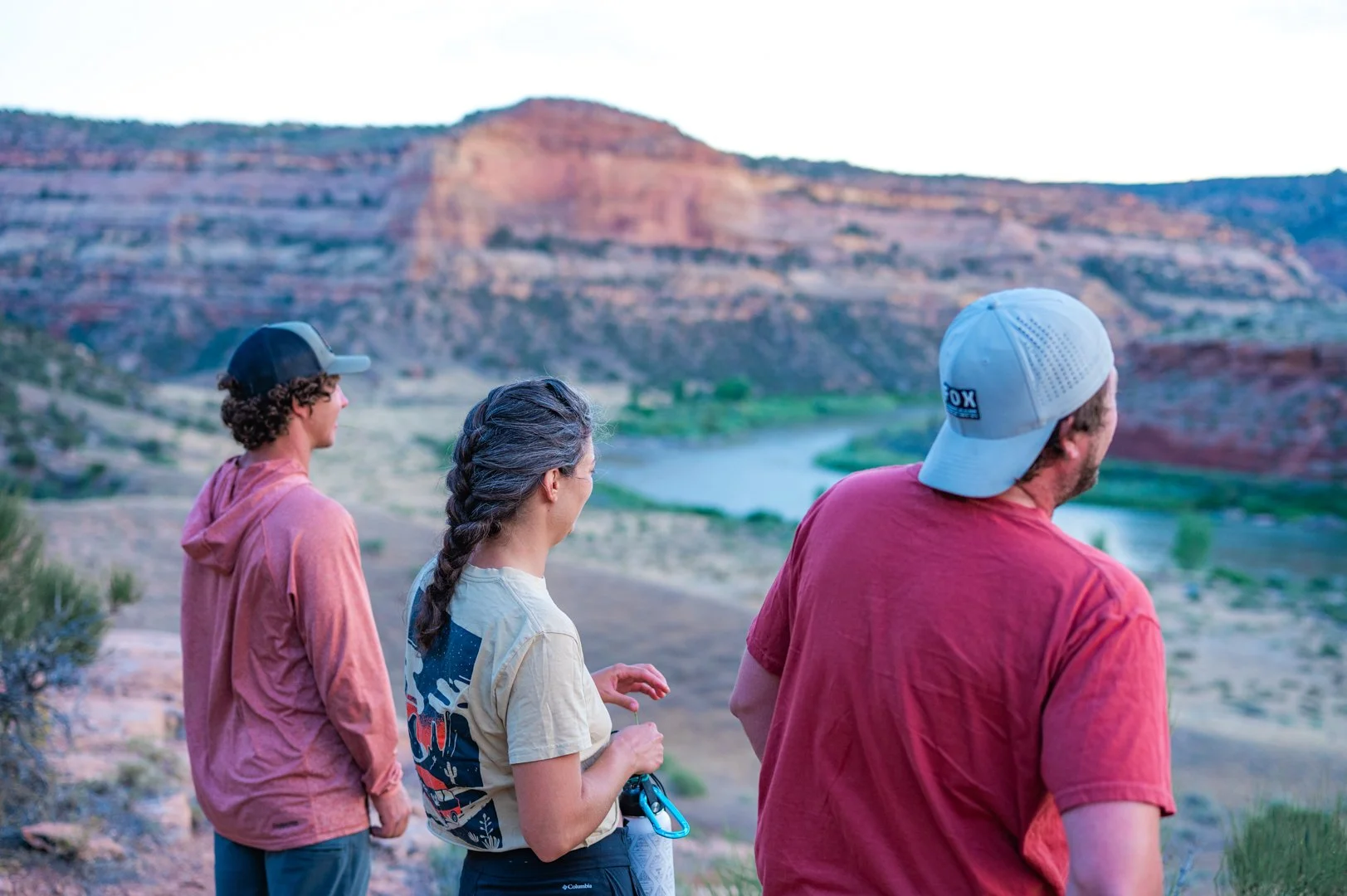
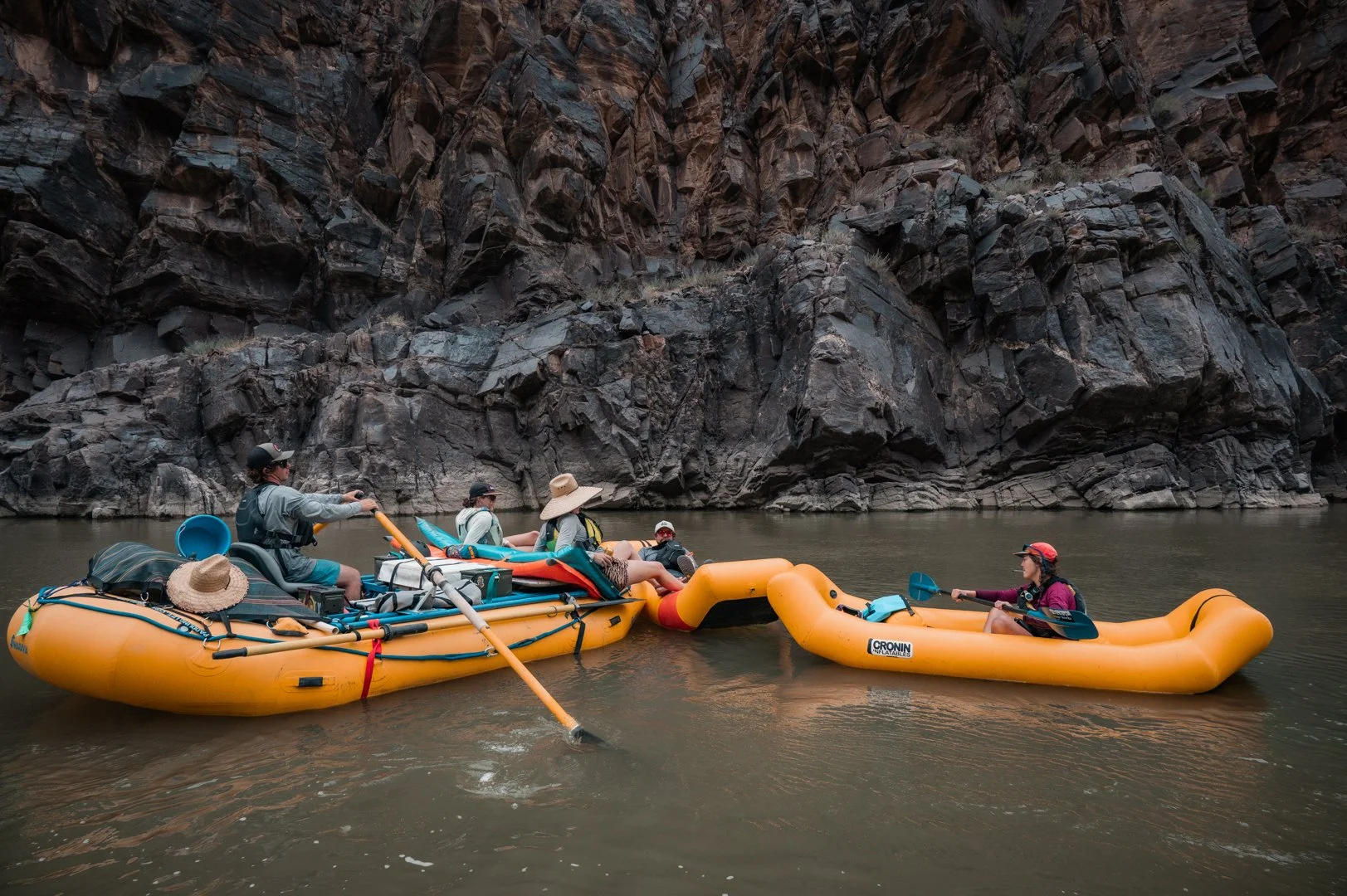
Each evening we pull the rafts onto sandy beaches and unload coolers, dry bags, tents, the groover, folding tables, and kitchen gear. Our trip leader prepares delicious meals that taste unreal in these remote stretches of desert. We hike above camp to watch the canyon glow red at sunset. One night we tie the rafts together and float just offshore, passing around a guitar while the sky fades to black.
Day three everything changes.
We paddle the final miles of Ruby-Horsethief and soon the dark walls of Westwater Canyon close in. The current accelerates and the mood shifts from playful to focused. We pull aside into a calm eddy to tighten straps and review the plan for the rapids ahead.
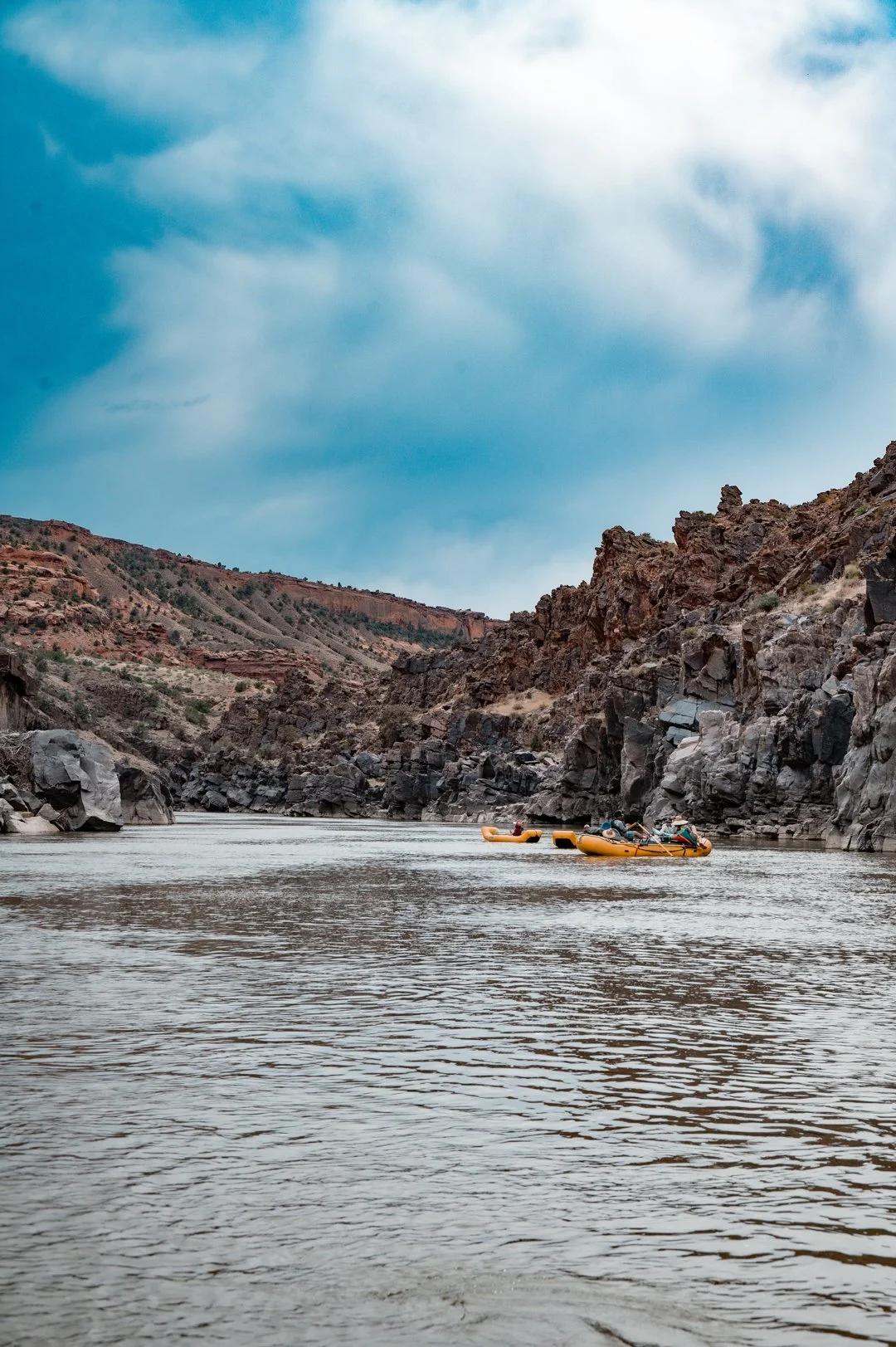
Westwater is famous for its intensity. A chain of rapids crashes through the canyon in fast succession. Most notorious is a Class IV rapid called Skull, an obstacle course that must be approached with precision. Hit it wrong and a raft can flip or become trapped in an ominous whirlpool called the “Room of Doom,” requiring the rest of the group to haul it free with ropes from shore.
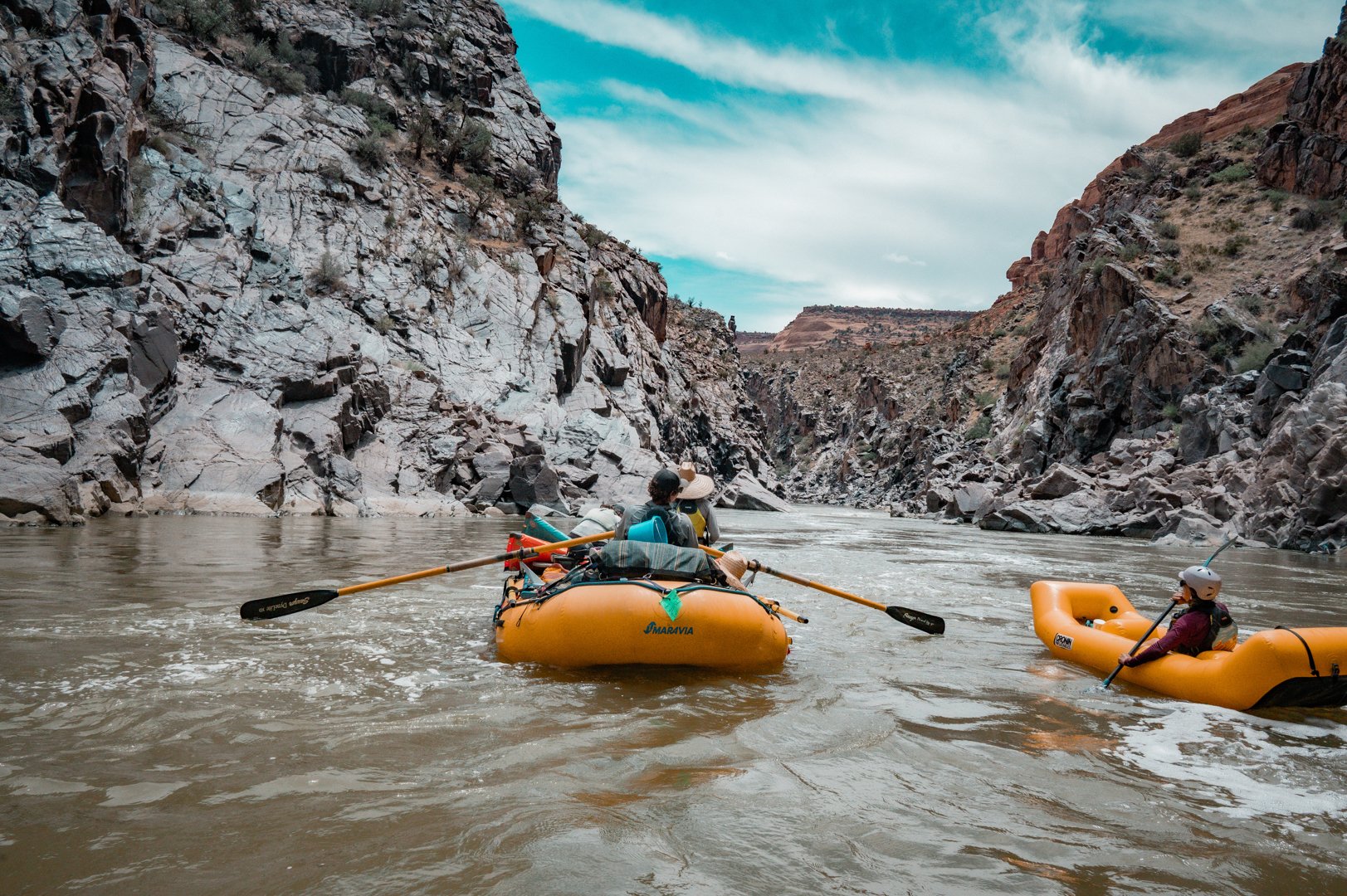
The rapids come one after another. The river surges and drops beneath us. Spray explodes over the bow of the raft. Photography is now a heightened test of coordination and trust.
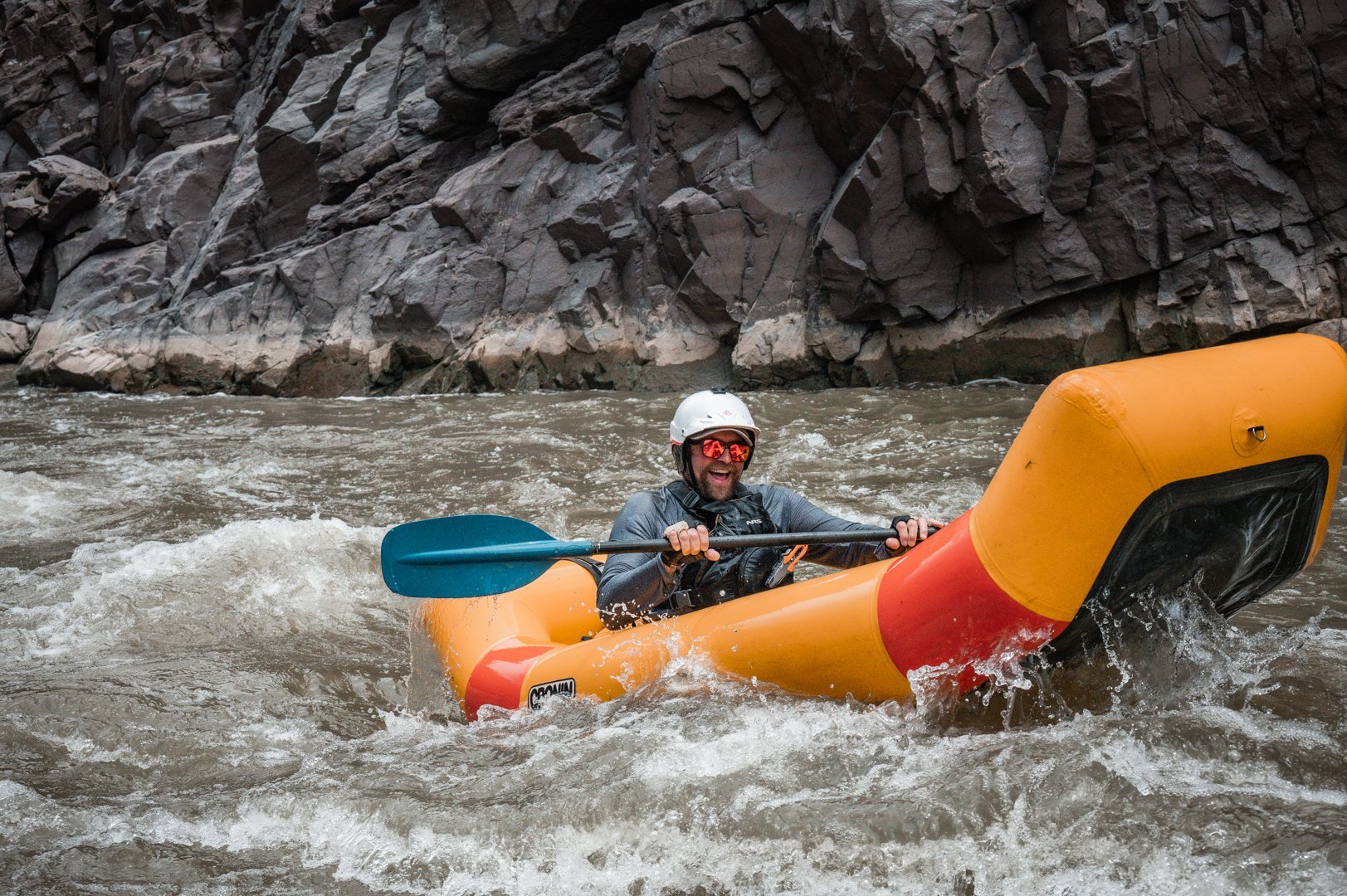
Then my oarsman shouts. A woman in our group has flipped her kayak and disappeared into the current. I stow my camera to grab the rescue line. Her helmet bobs in the waves as she nears our raft. I throw the rope but narrowly miss. She continues through several rapids before we finally pull her into a boat.
She’s coughing up water and breathing fast. We pause to let her recover. Skull is coming.
After catching her breath, she climbs back into her kayak. When we reach Skull, she runs it clean.
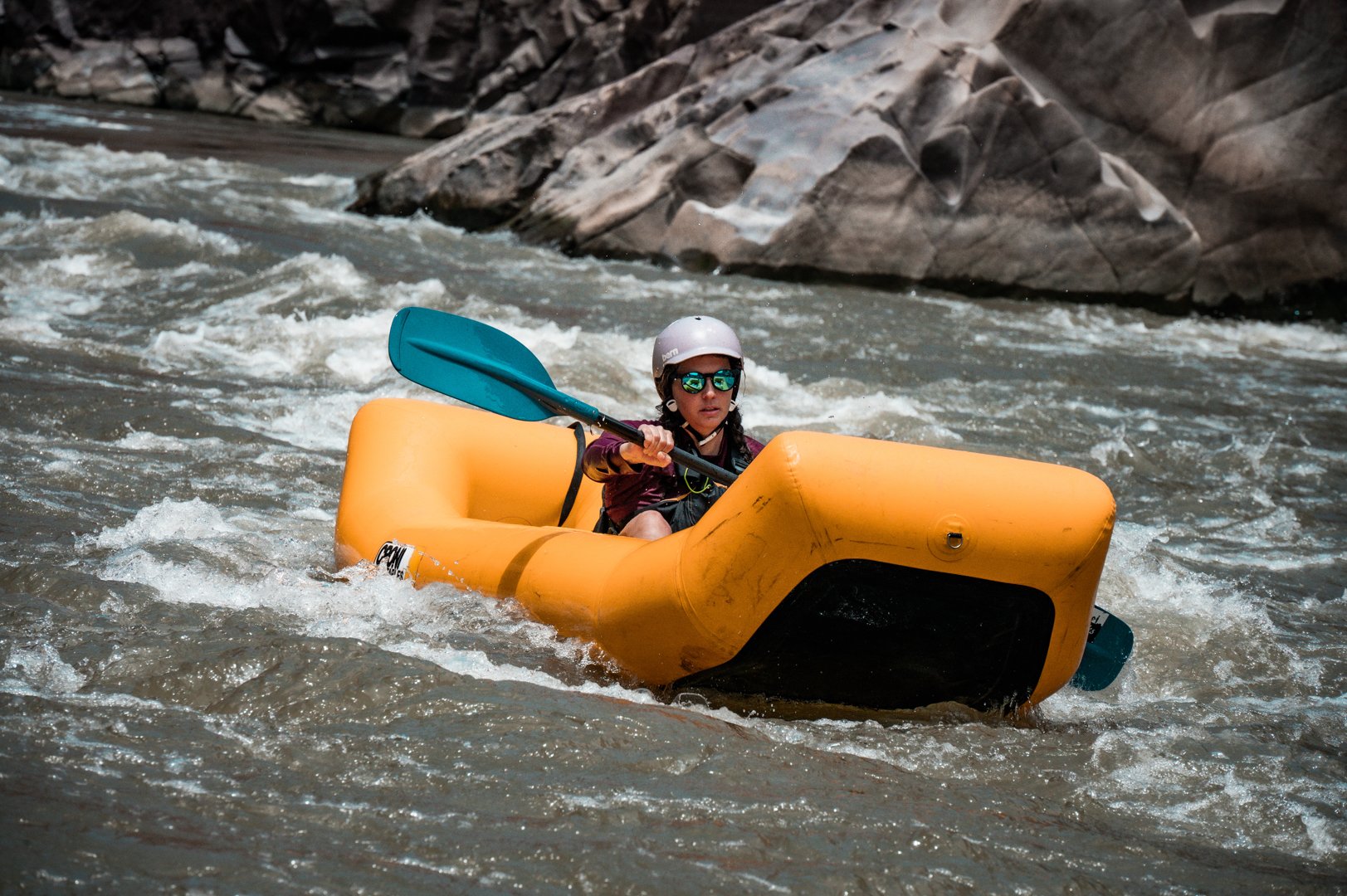
Watching her, I feel a surge of admiration. Courage on the river can be as simple as getting back into your boat.
When our raft drops into Skull, everything unravels faster than I expect. We’re pulled right while trying to correct left. We clip a rock and the raft tips sideways. Suddenly I am tumbling in the cold, roaring current.
Chaos. Waves crash overhead and thundering rapids fill my ears. But I remember the safety talk. Feet downstream. Don’t fight. Get air when you can. Stay calm.
Then it’s over.
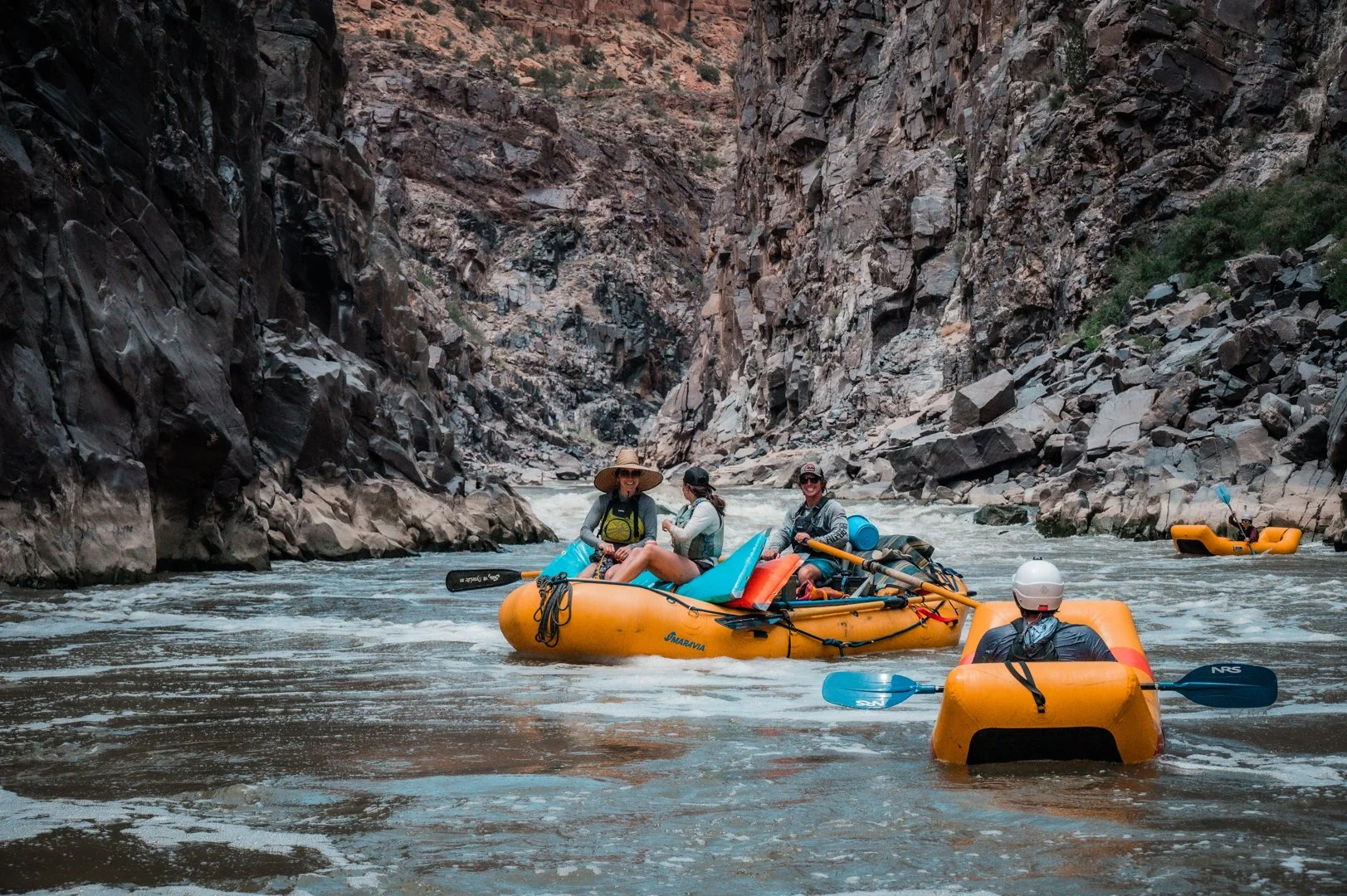
The river releases me into calmer water. I laugh and cough and shiver as the rafts pull alongside to haul me back in. It’s terrifying. It’s exhilarating. And afterward, I feel strangely empowered.
River people trade stories. Everyone on this trip arrived with theirs: a swim, a flip, a humbling moment, a hard-earned lesson. Now I have mine.
The next morning the river is calm again. The canyon opens and the current slows as we drift toward the take-out.
Outdoor adventure often begins with a search for beauty. We want to see remote places and dramatic landscapes, and we accept the effort and risk required to reach them. But the deeper reward is less visible.
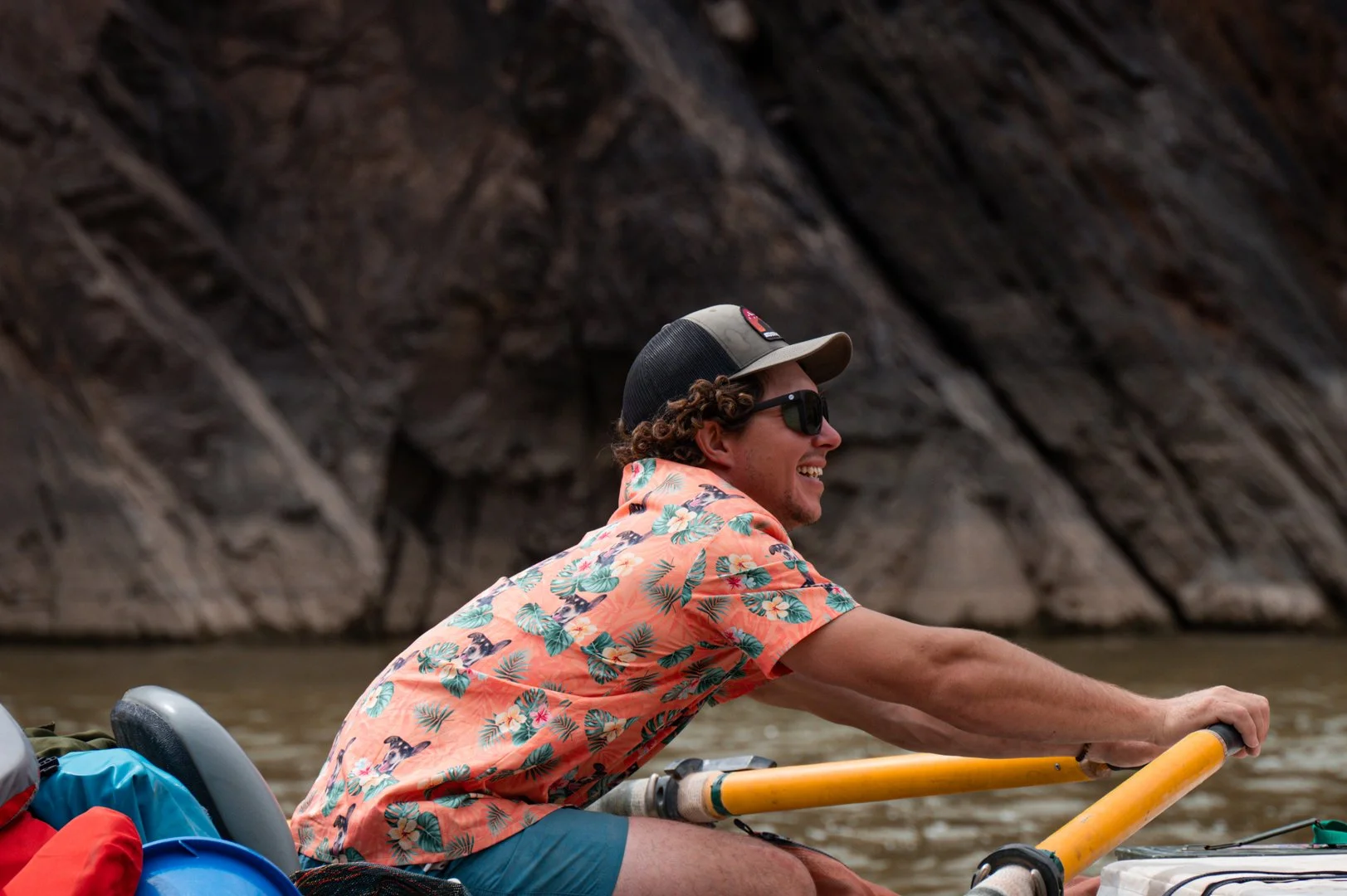
When you commit to a river, you commit to each other. You trust the people beside you to guide the boats, to tend to the gear, and to throw the rescue rope if needed. Along the way, that trust expands—to the river, to the wilderness, and to yourself.
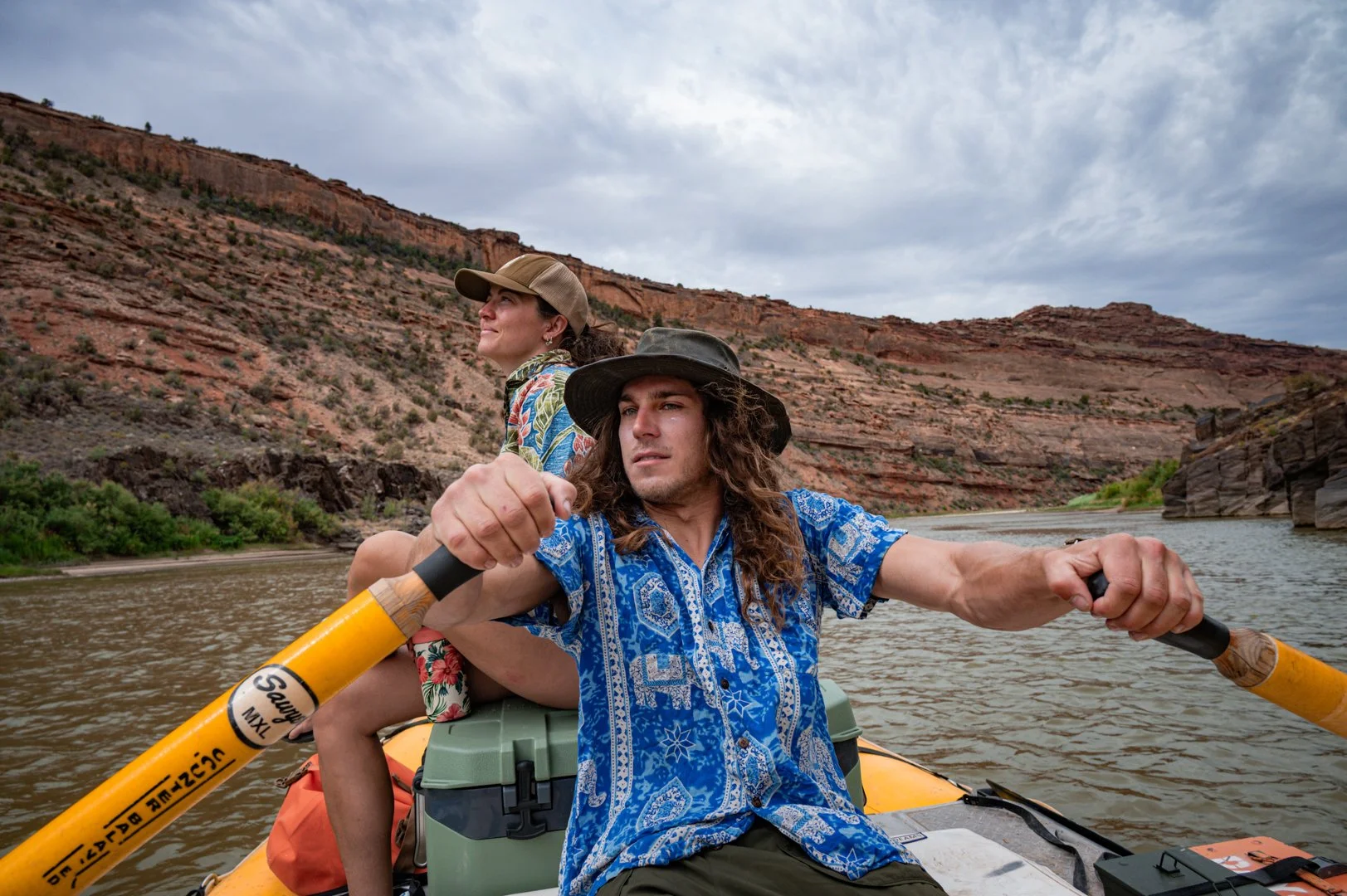
By the time we pull the rafts onto shore, I realize the river has given me far more than photographs.