Cactus & Cosmos

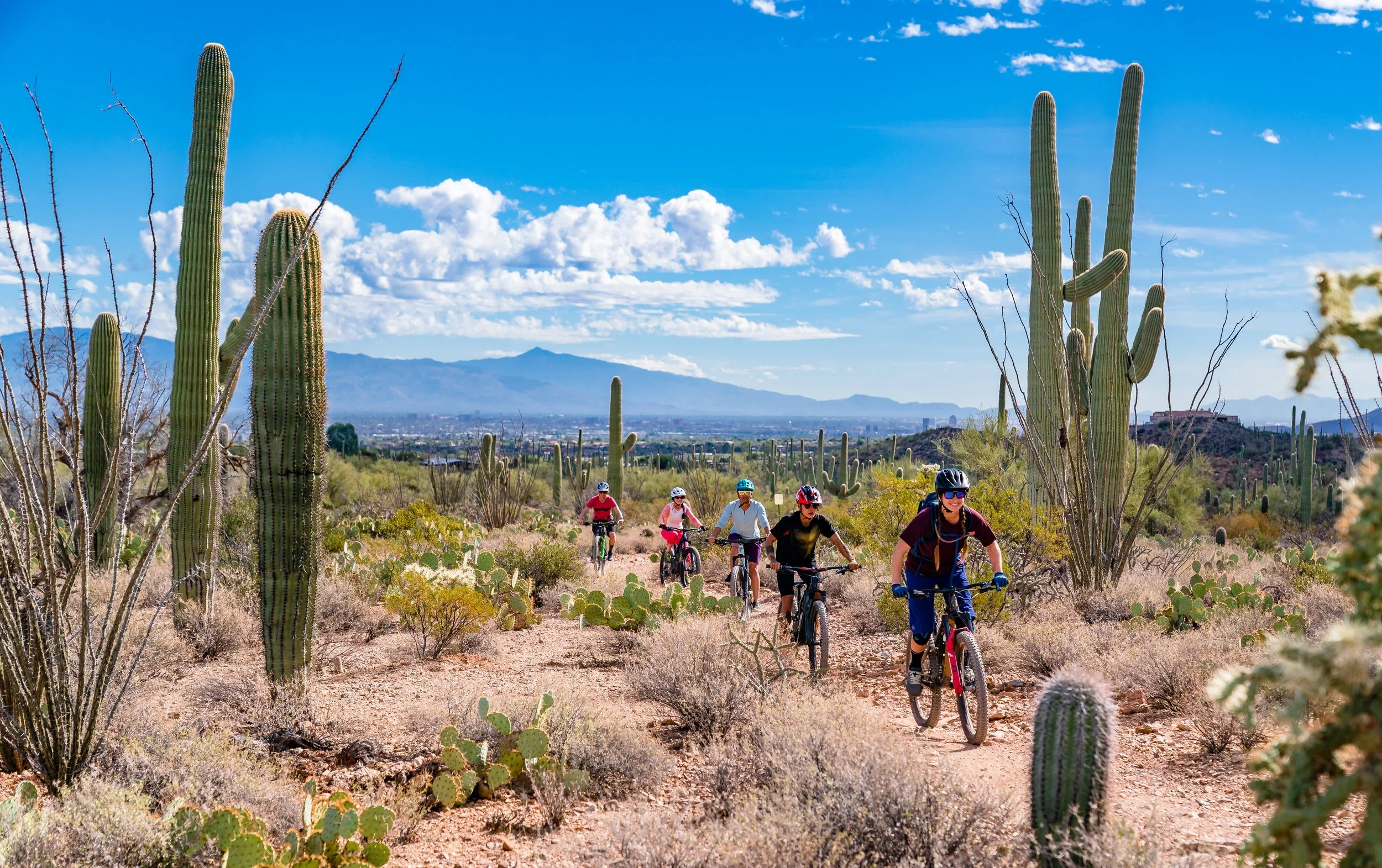
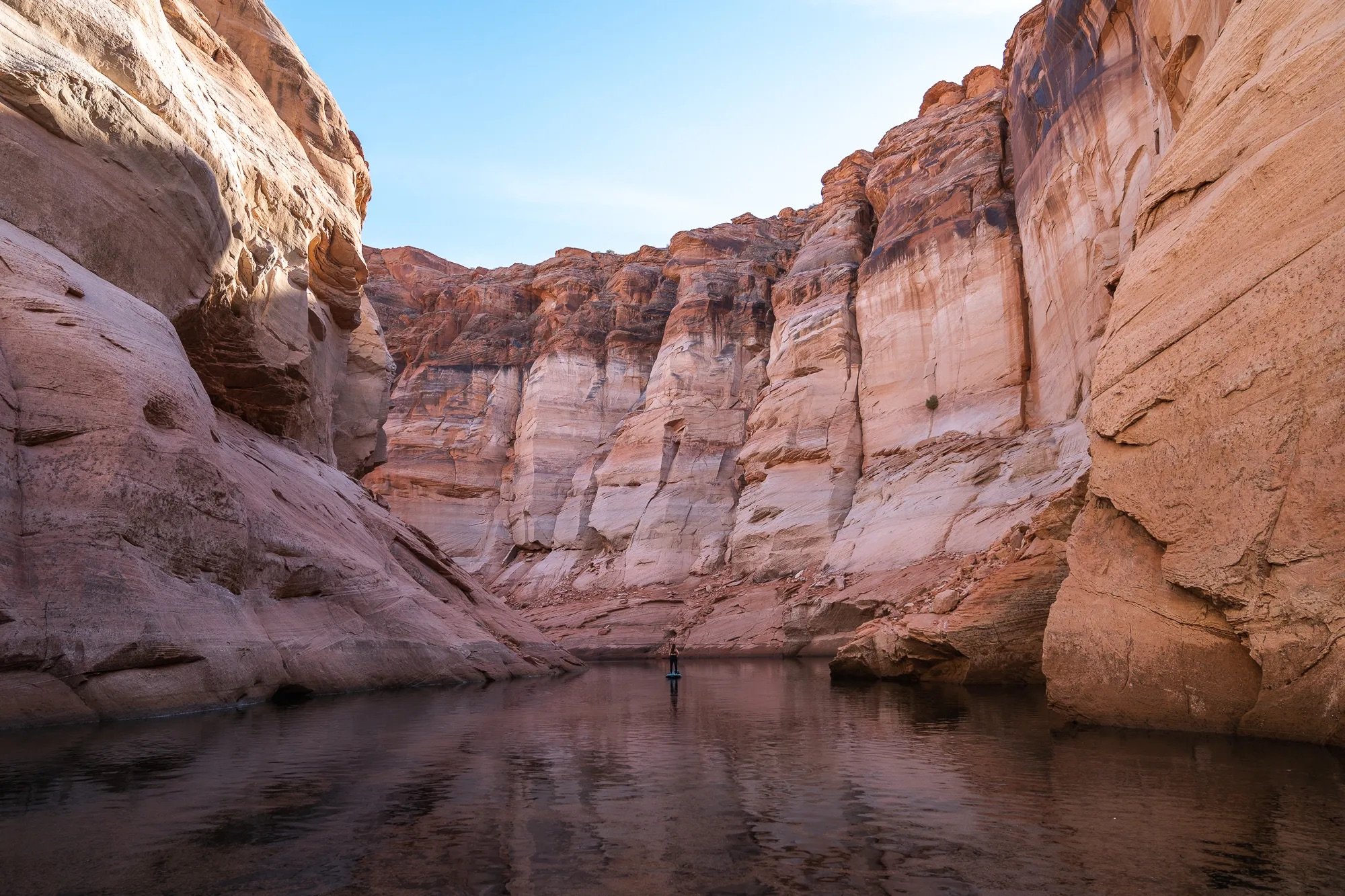
Across a late fall week in Tucson, a group of friends travel between saguaros and observatories, bakeries and museums, mountain pines and starry skies.
Words by Josiah Roe, Visuals by Nate Luebbe & Autumn Schrock, Produced by Samantha Zellmer & Tyler Lahanas.
The warmth of the desert, even in Fall, greets us before the city does.
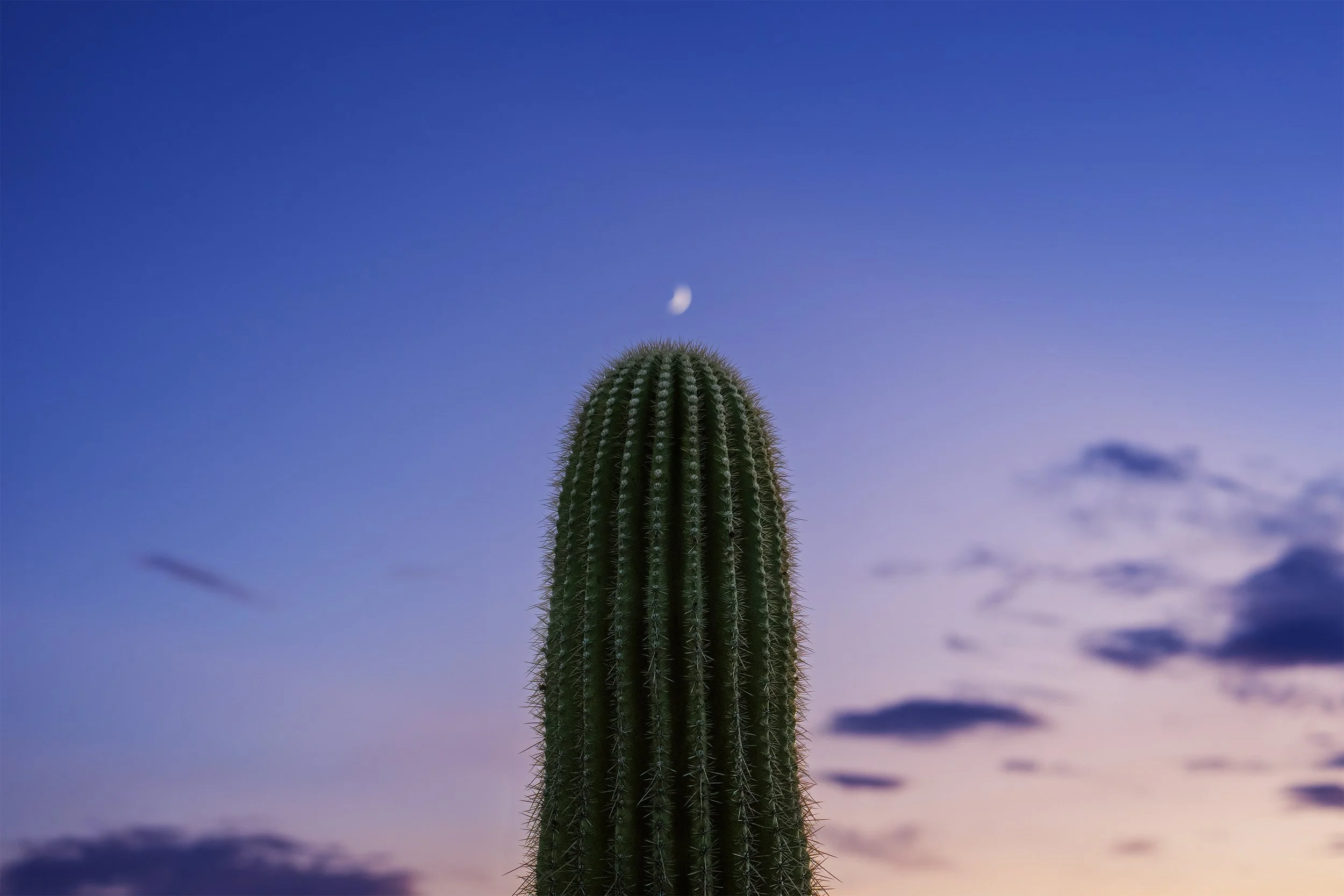
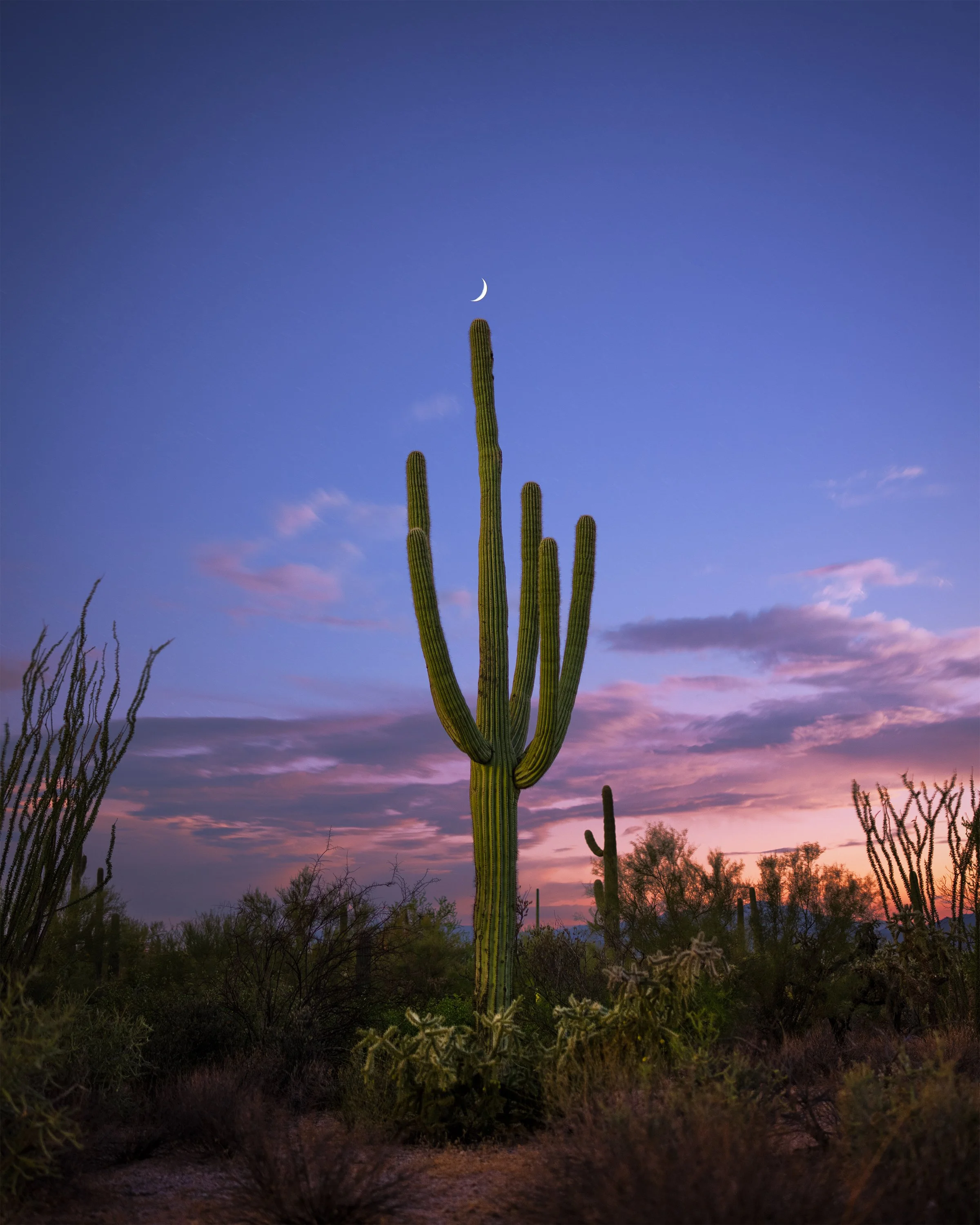
By the time we gather at Saguaro National Park West it is evening, and the saguaros stand like tall, bristled silhouettes across the rolling hills.
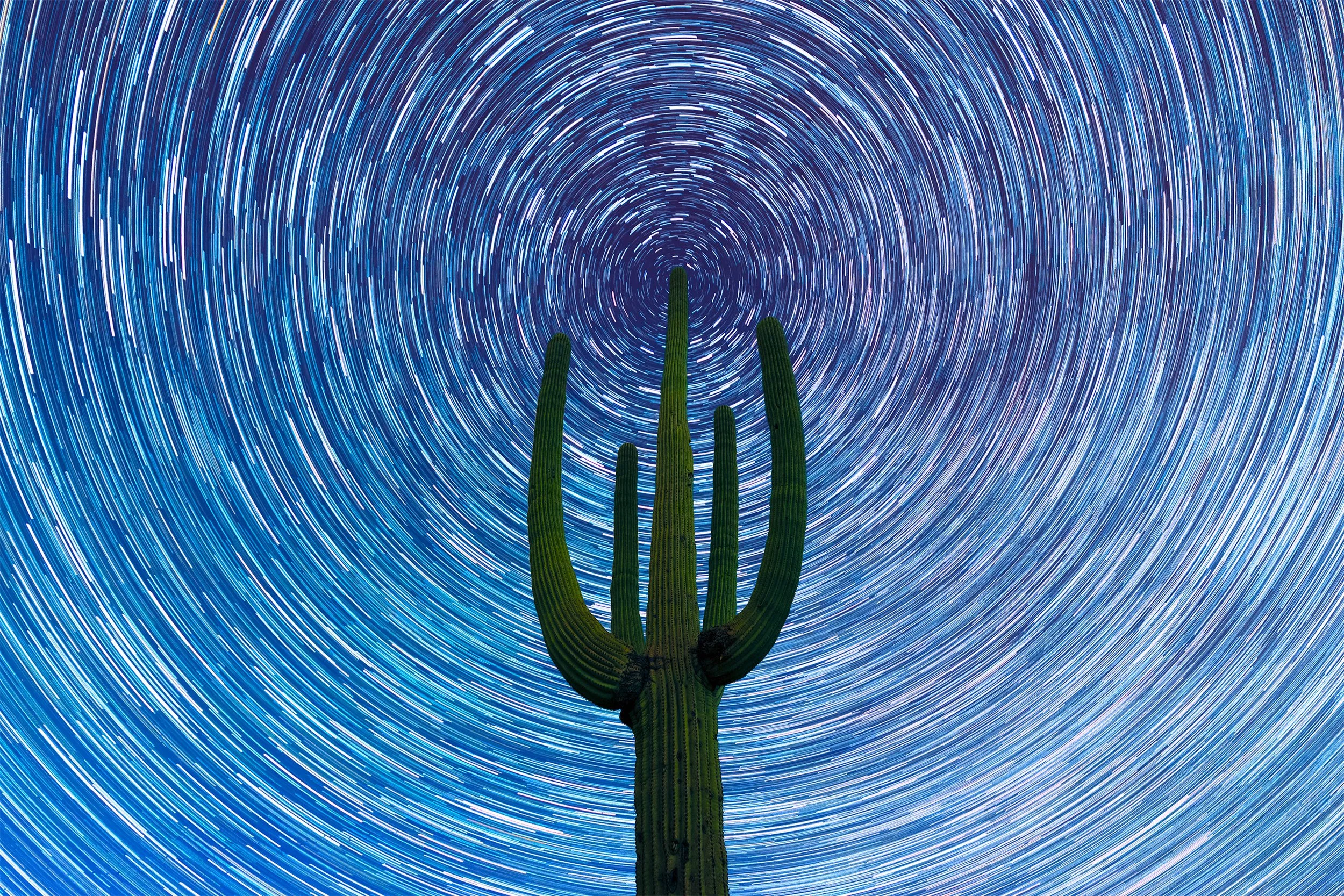
The late light moves slowly along their ribs, turning each spine into a glimmer. As sunset fades across Gates Pass, the air cools. We find a quiet turnout and step outside and point our cameras towards the sky.
Twilight lasts only a moment here. Darkness gathers fast as the towering clouds of the monsoon rains march across the landscape.
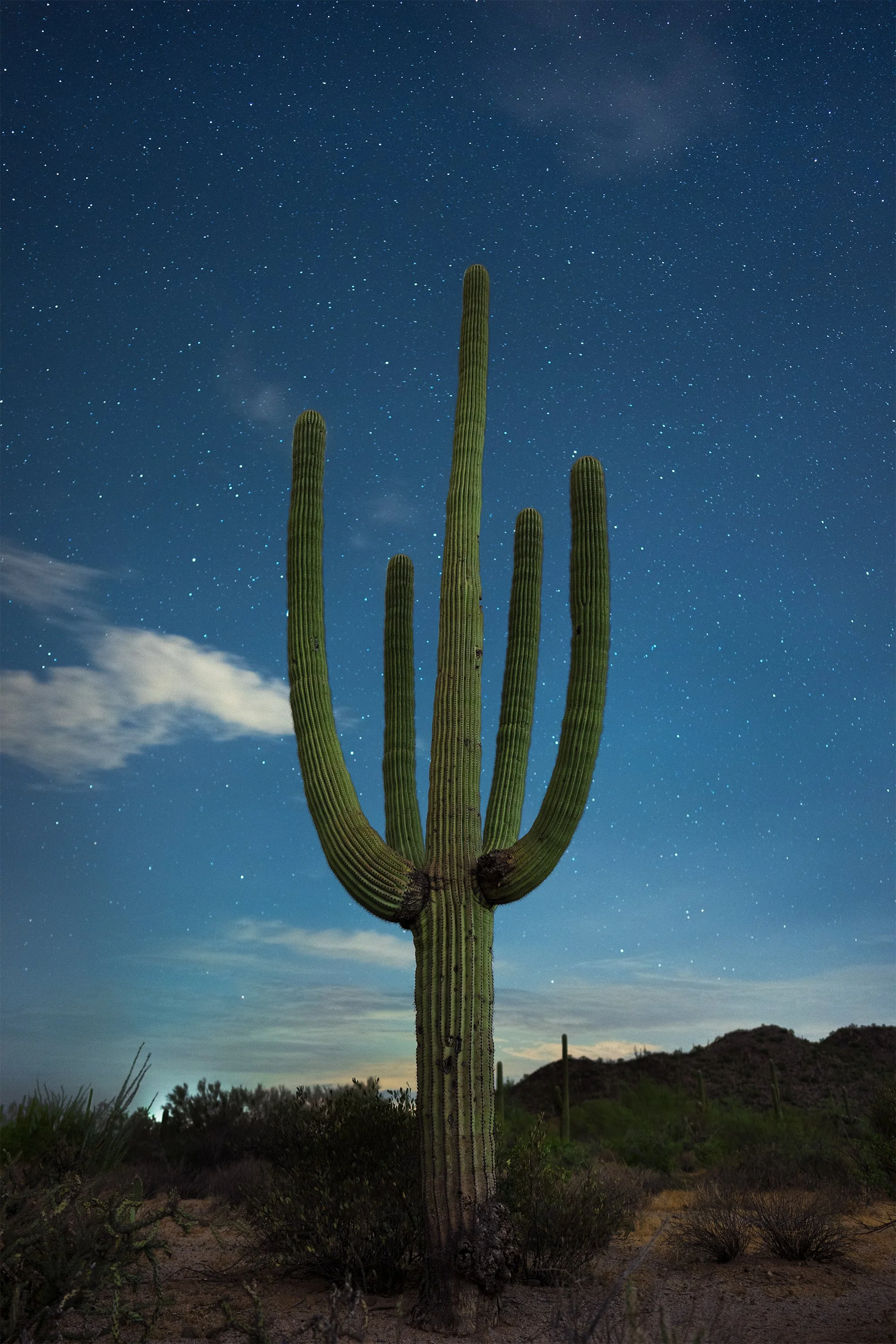
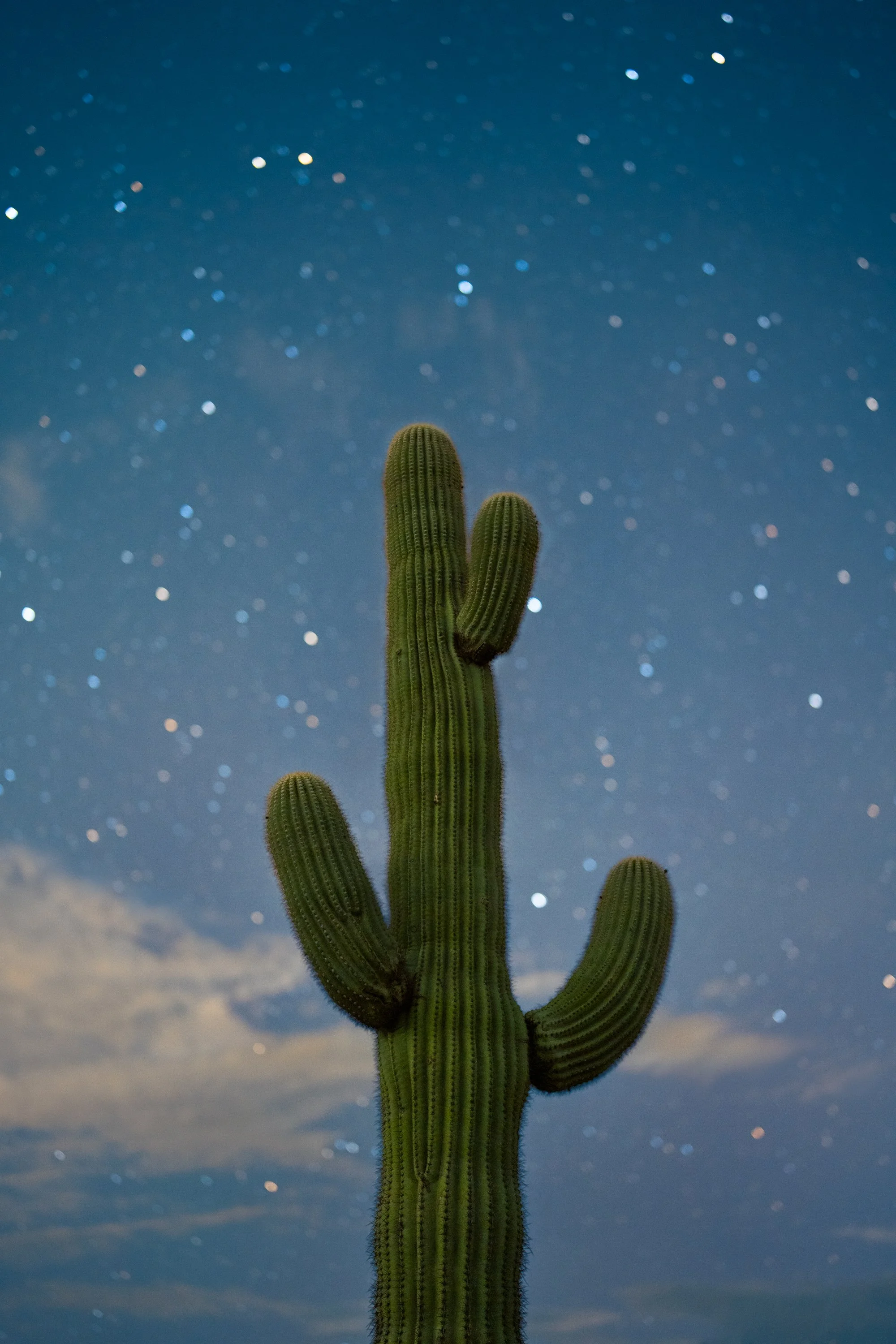
Suddenly the Milky Way stretches over us in a bright river of detail. It is the kind of quiet that you feel more than hear. A small rustle of wind. A single night bird calling over the canyon. Far away, the hum of a car drifting through the pass. Our camera tripods settle deeper into the sand. Faces glow in red headlamps.
It is our first real moment of arrival.
The following morning we set out to find breakfast.
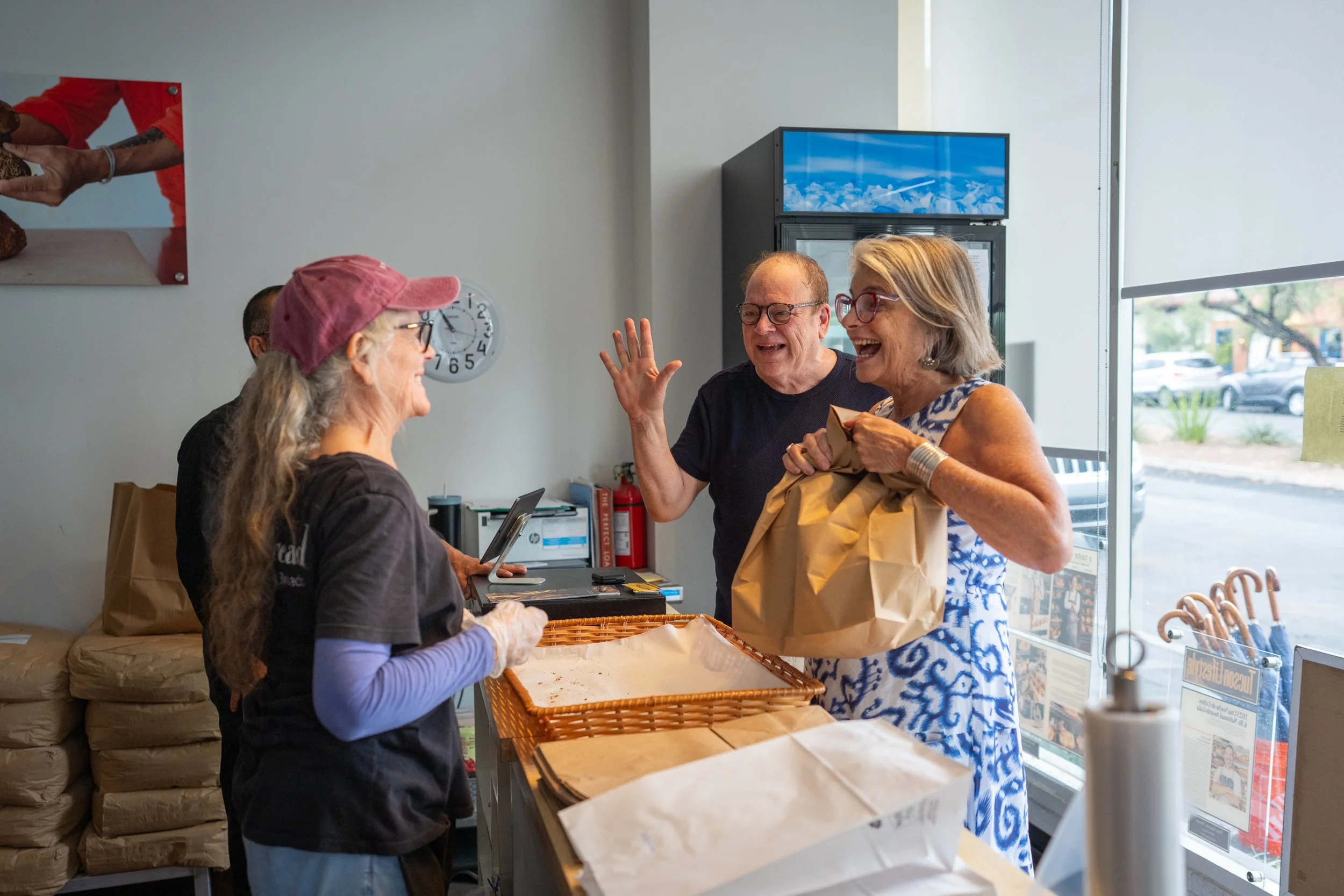
Inside Barrio Bread the smell of bread baking is a joy and sunlight streams across the counter where we meet new friends.
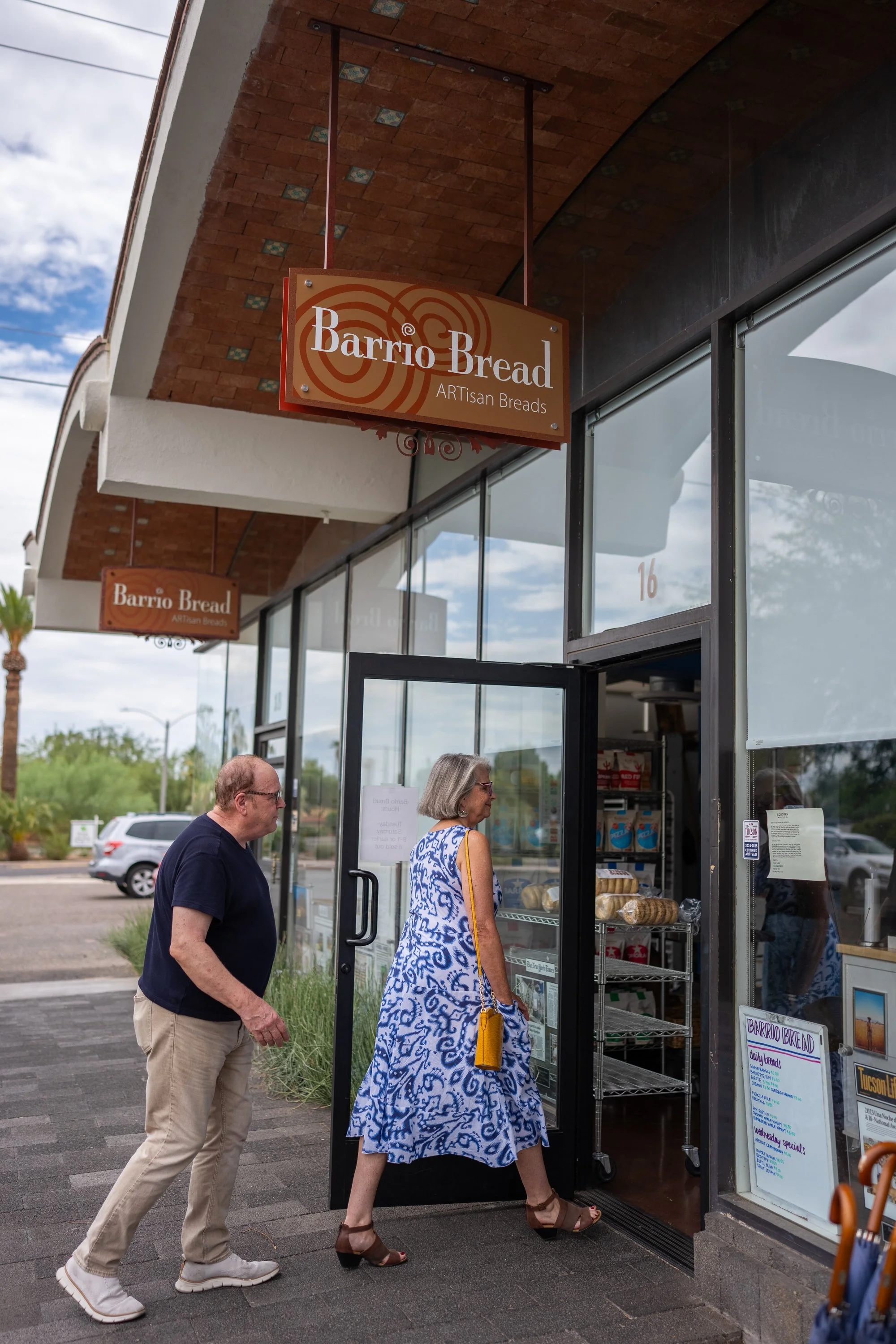
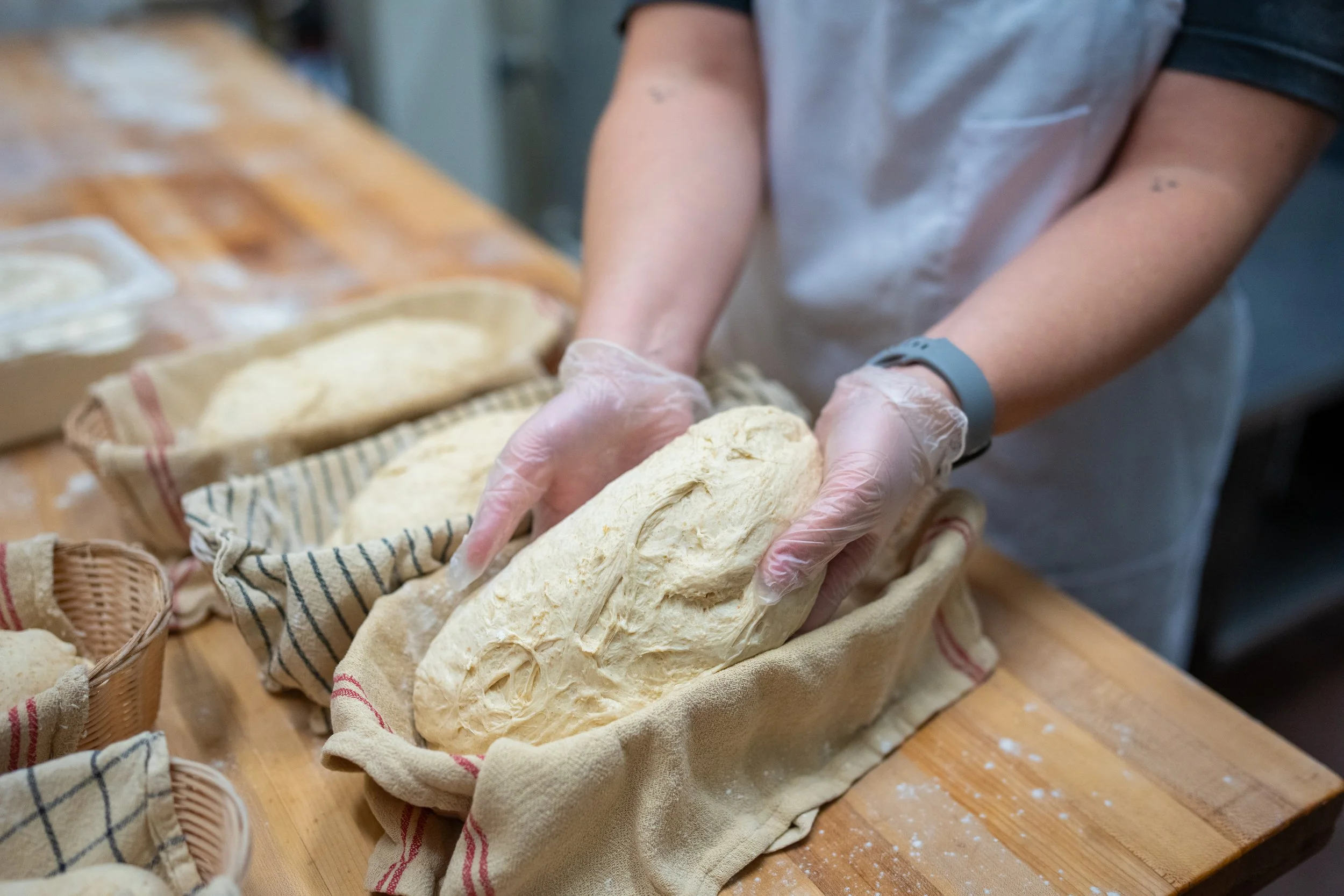
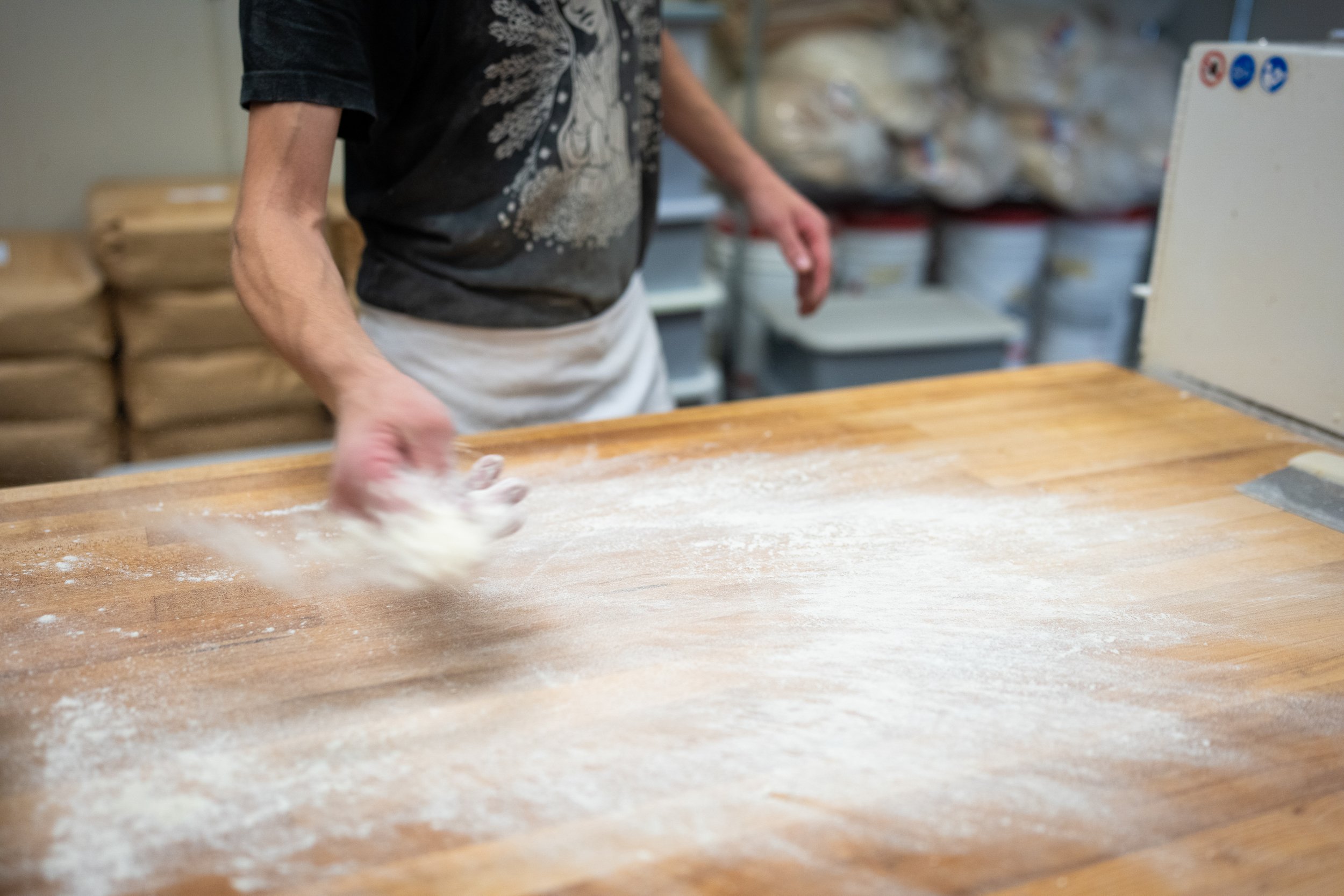
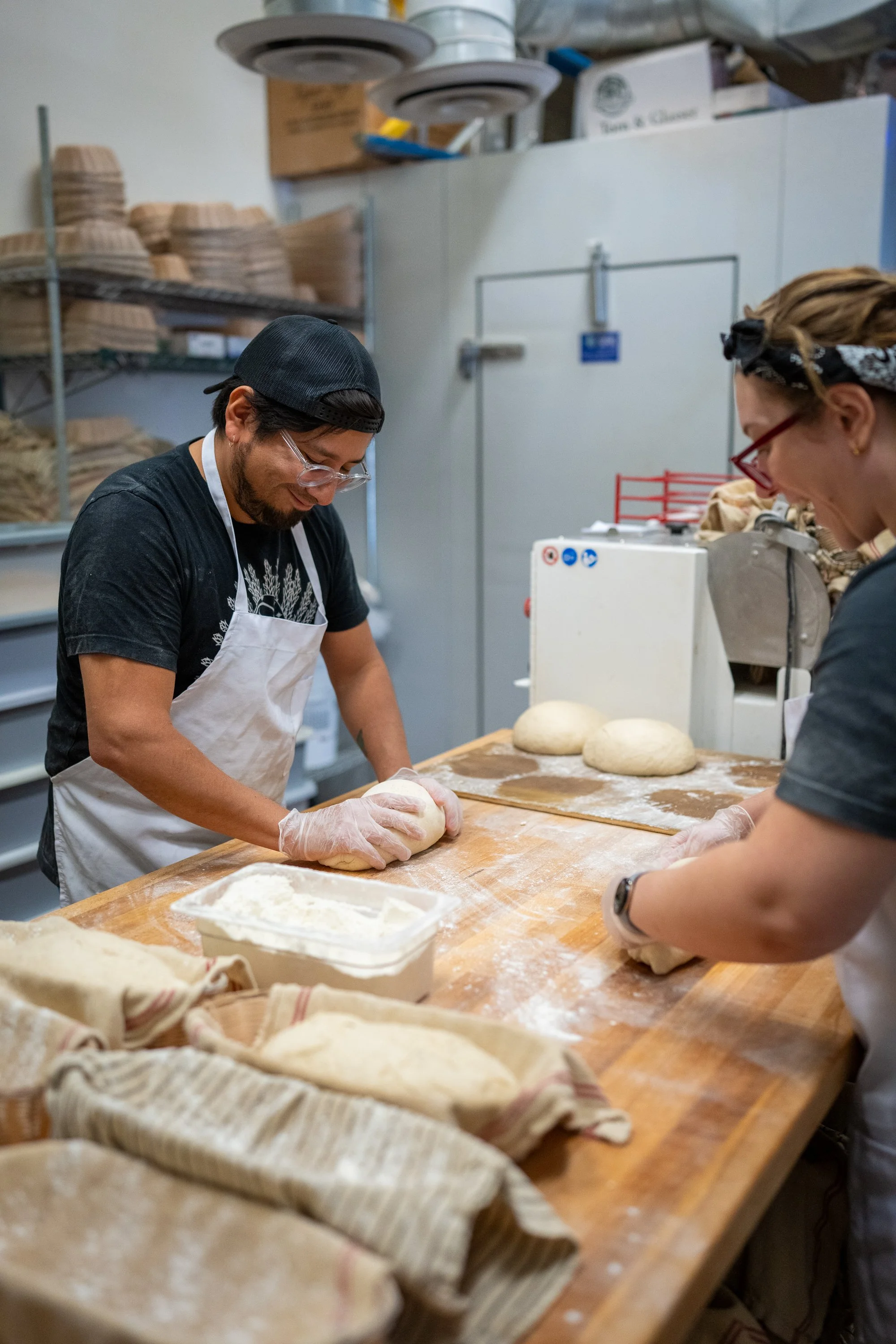
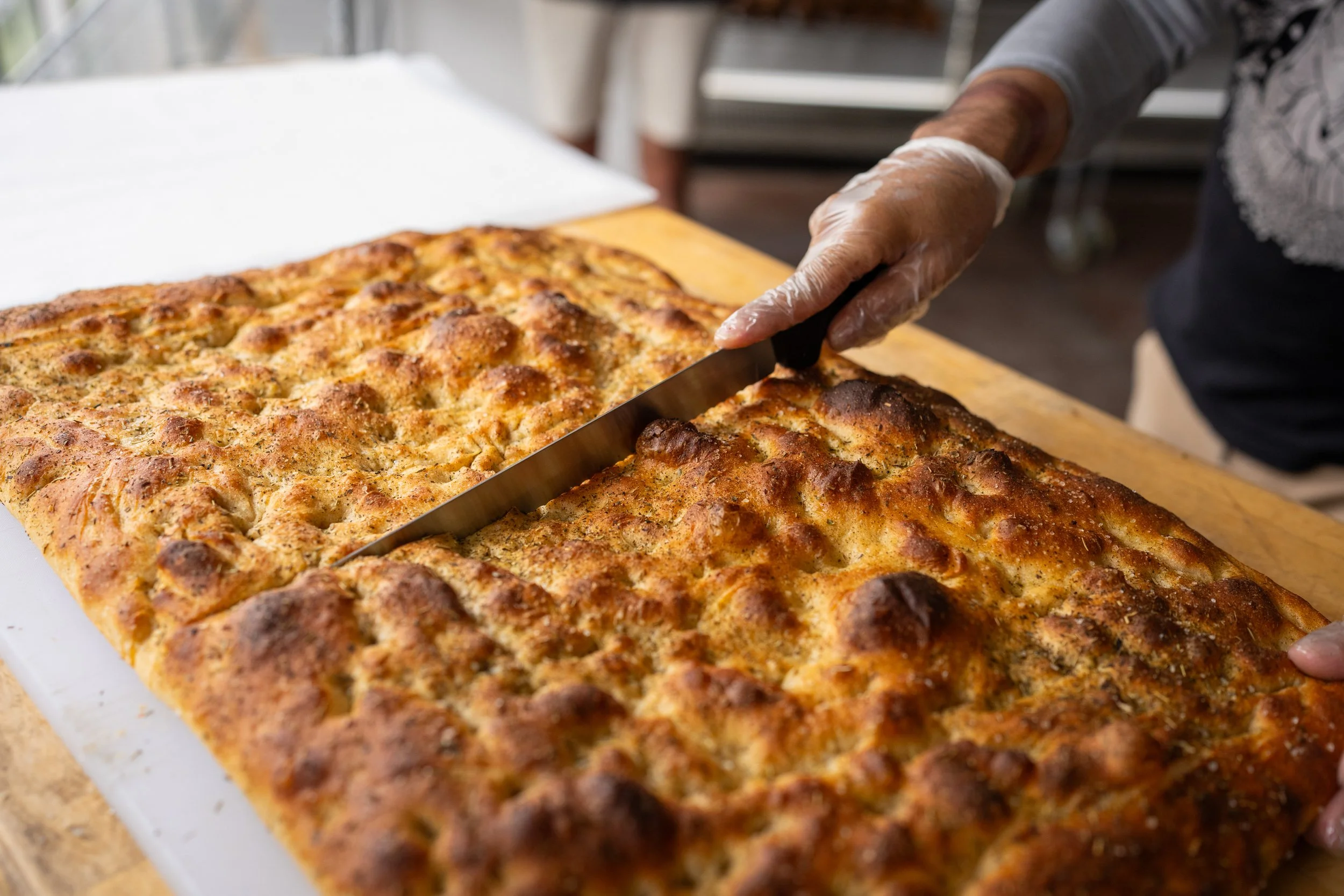
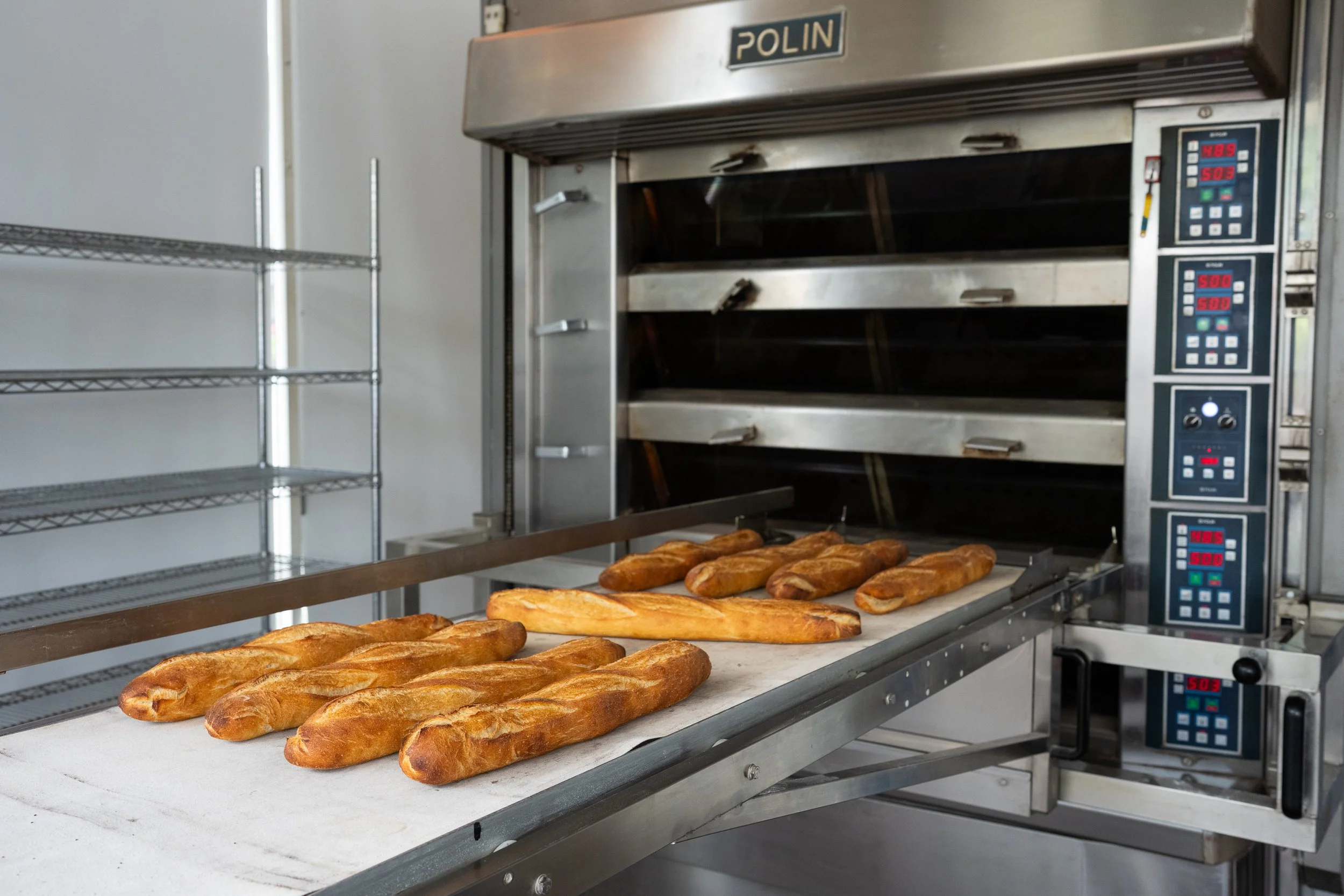
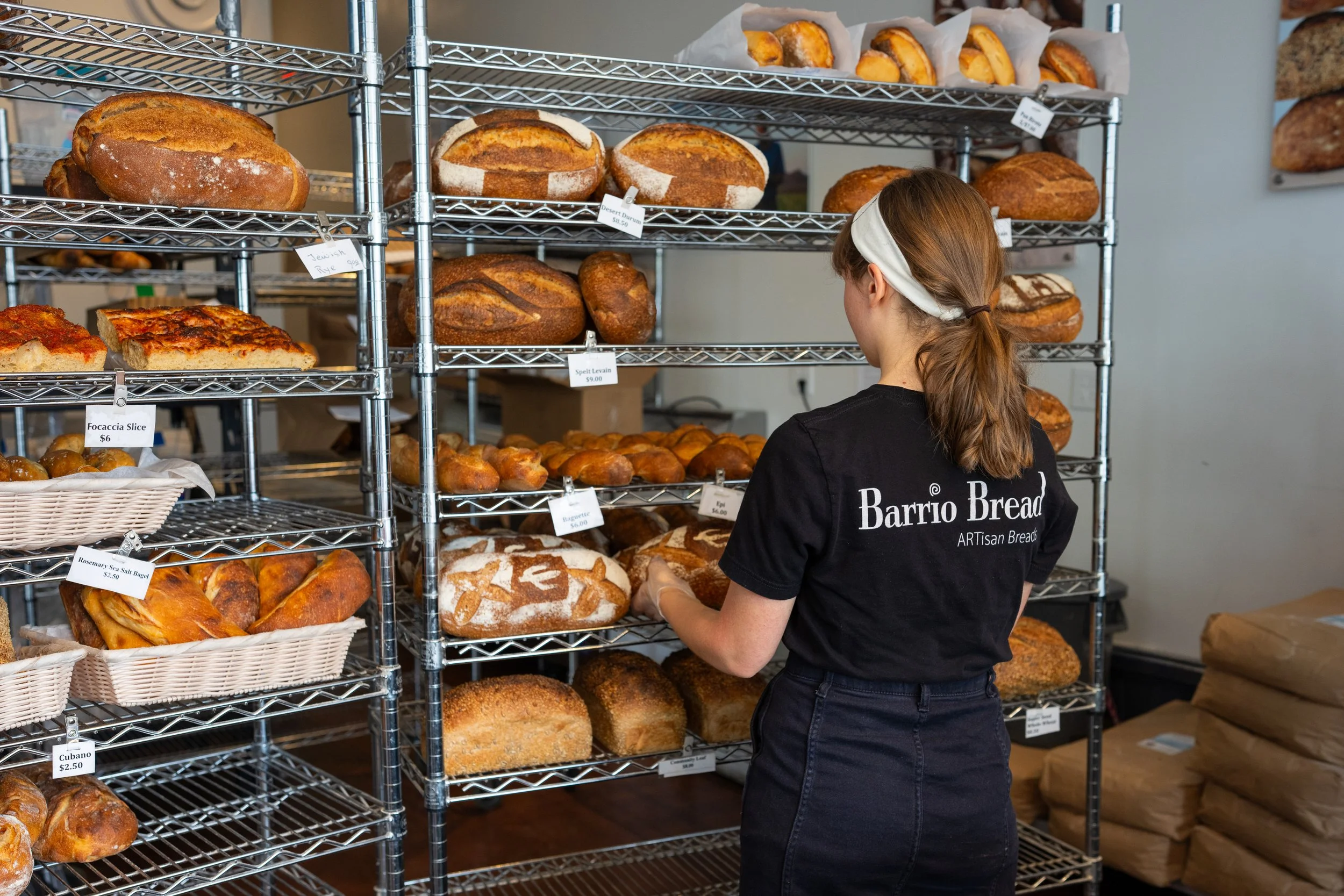
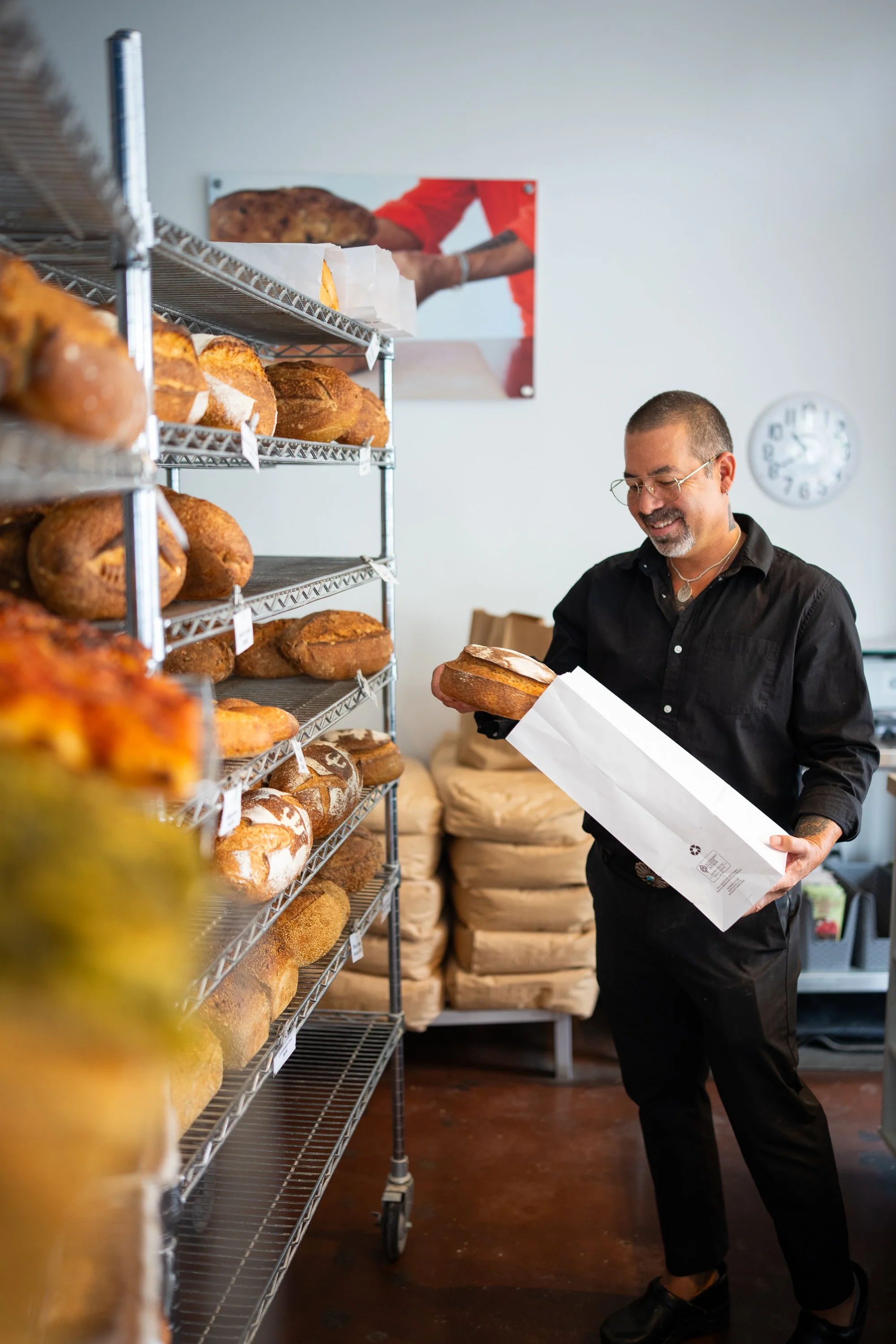
James Beard Award winner Don Guerra pulls loaves from the oven, their crusts still cracking with heat. We tear slices apart while sharing plans for the day. Tucson moves at a patient pace, and it is easy to fall into step.
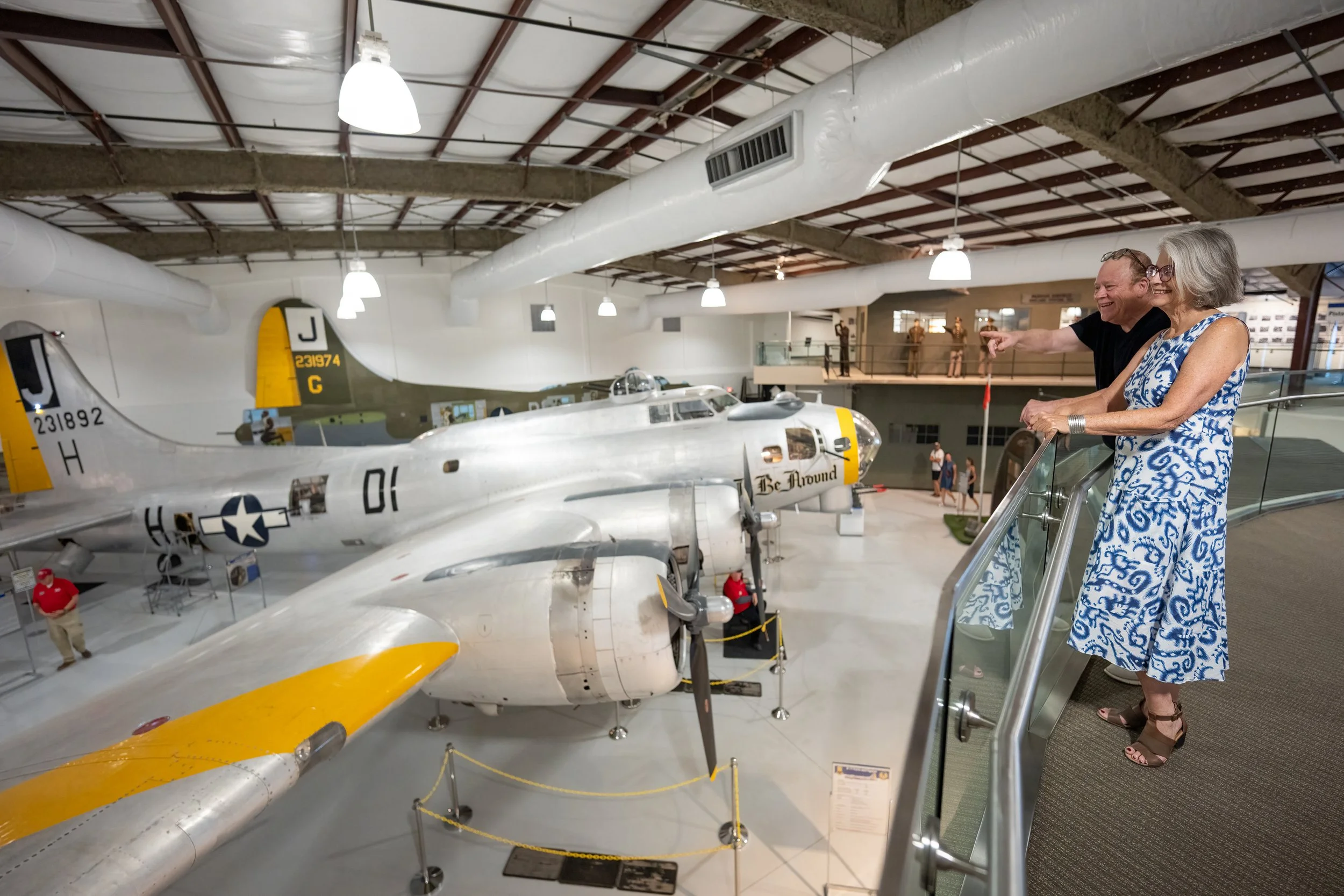
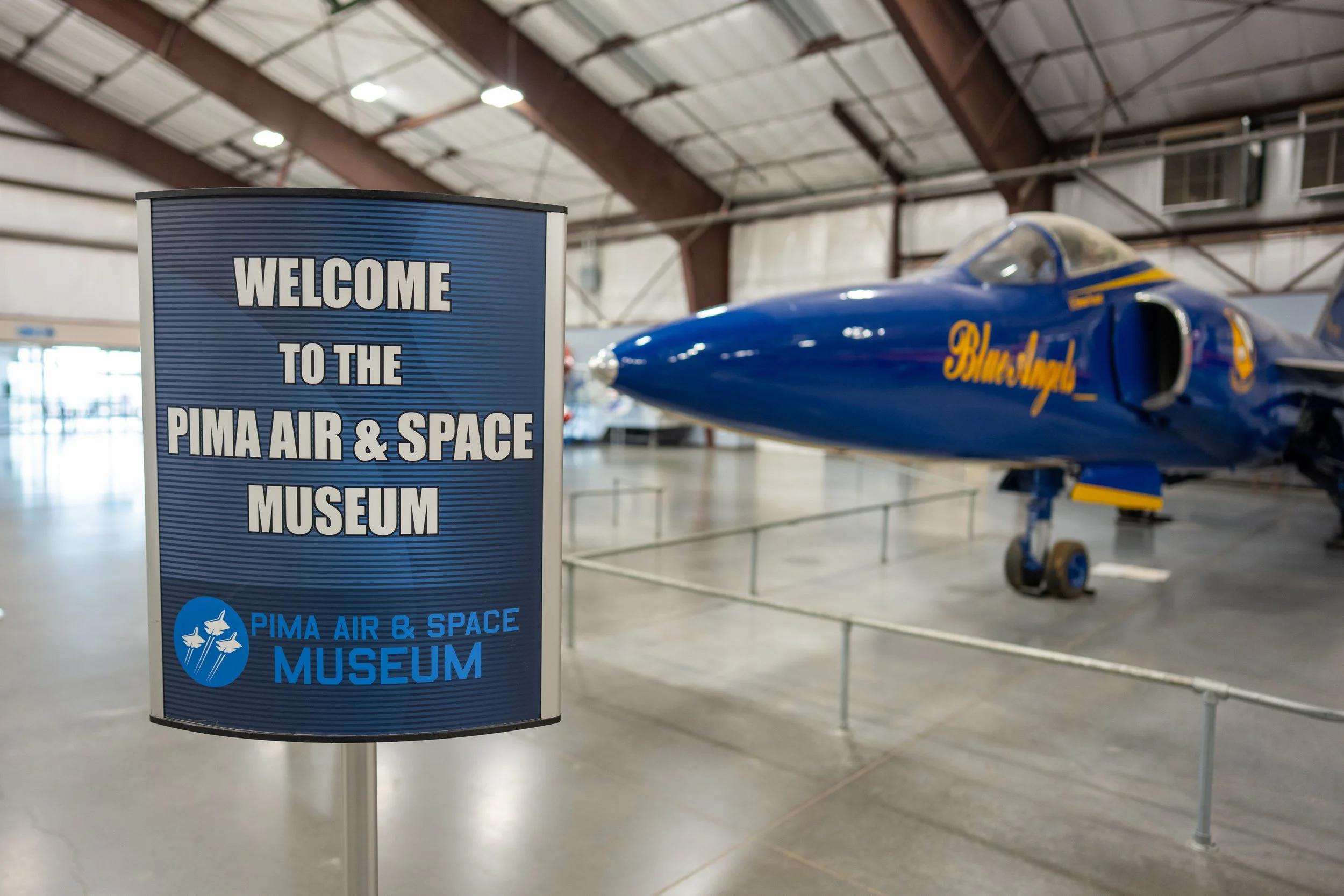
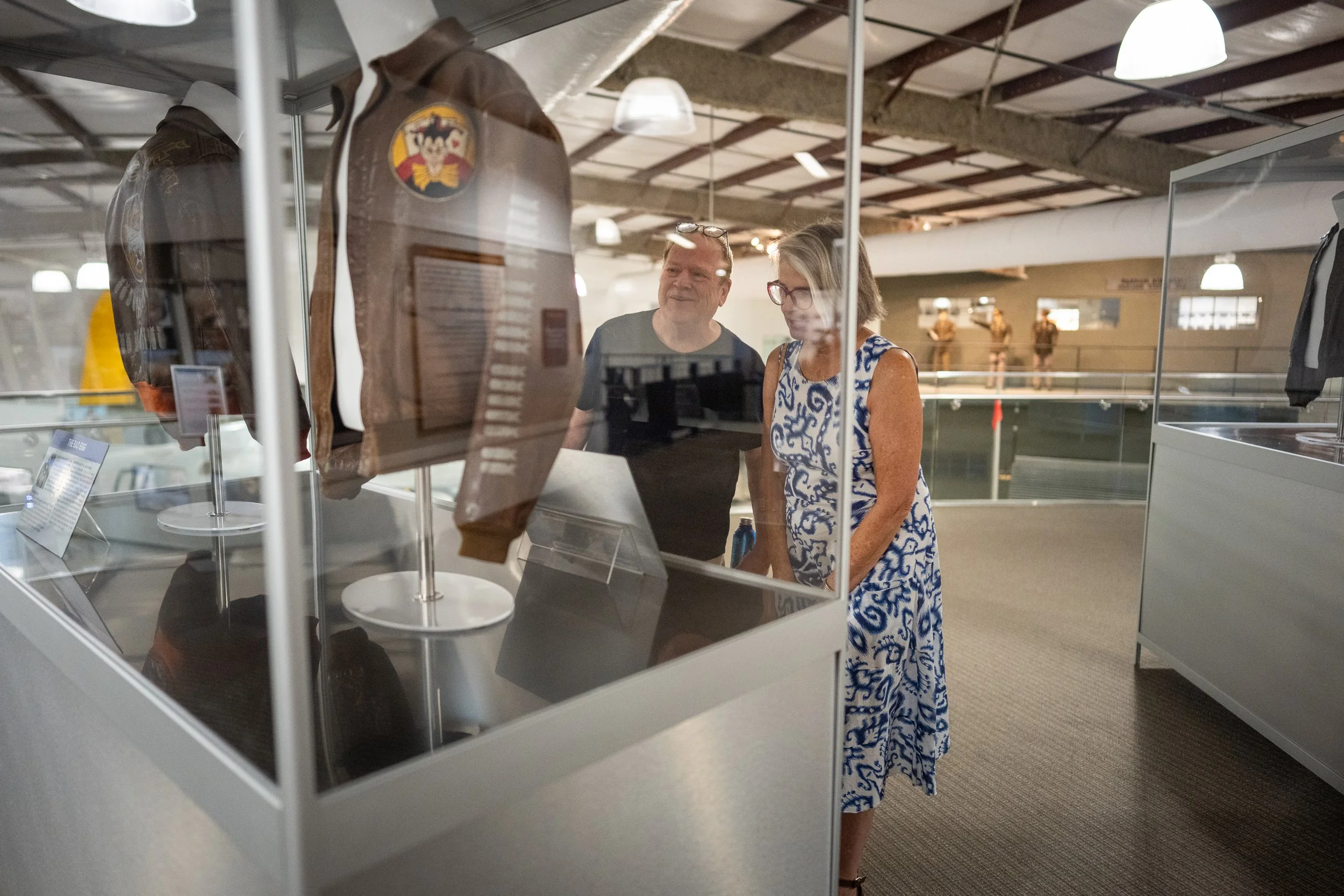
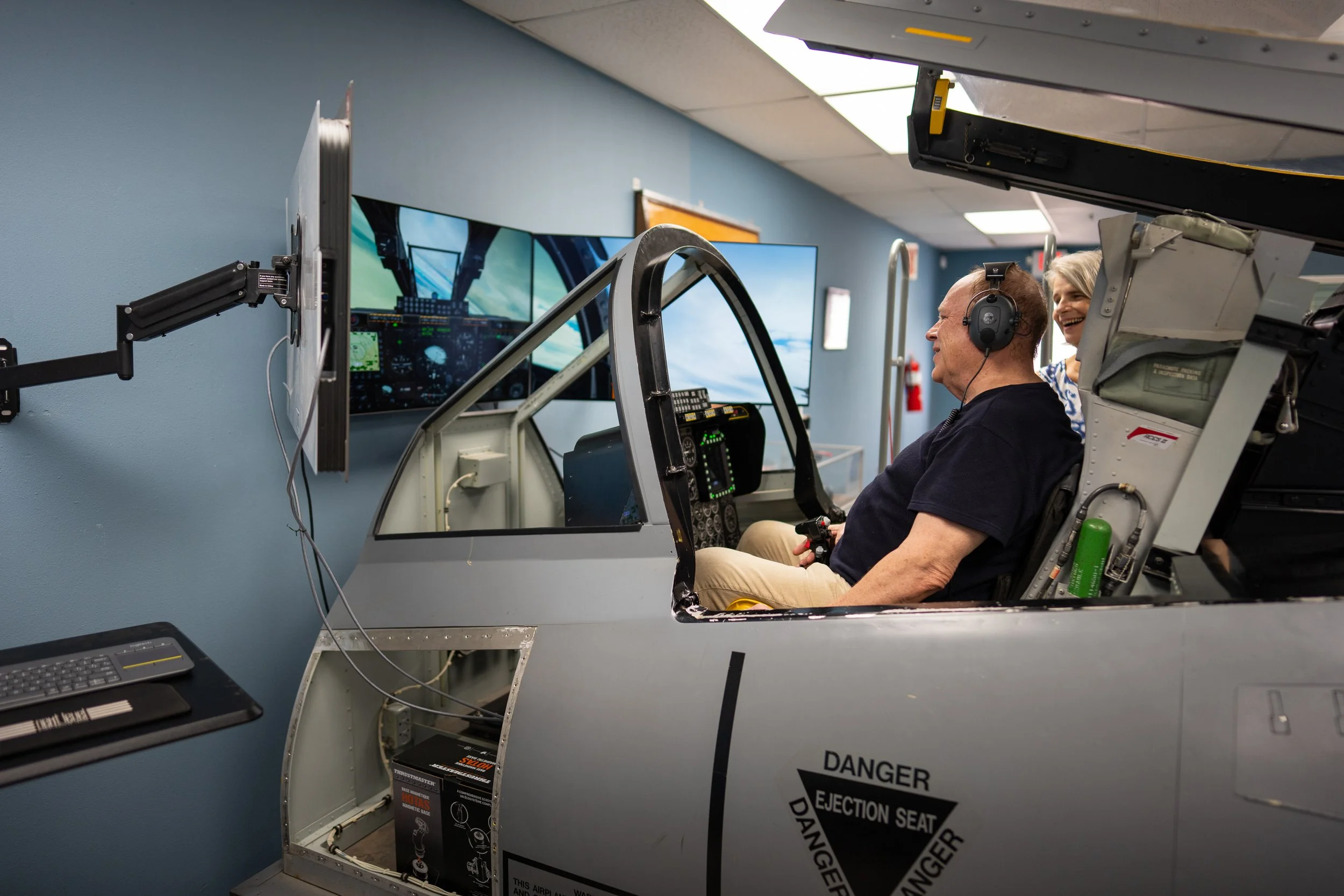
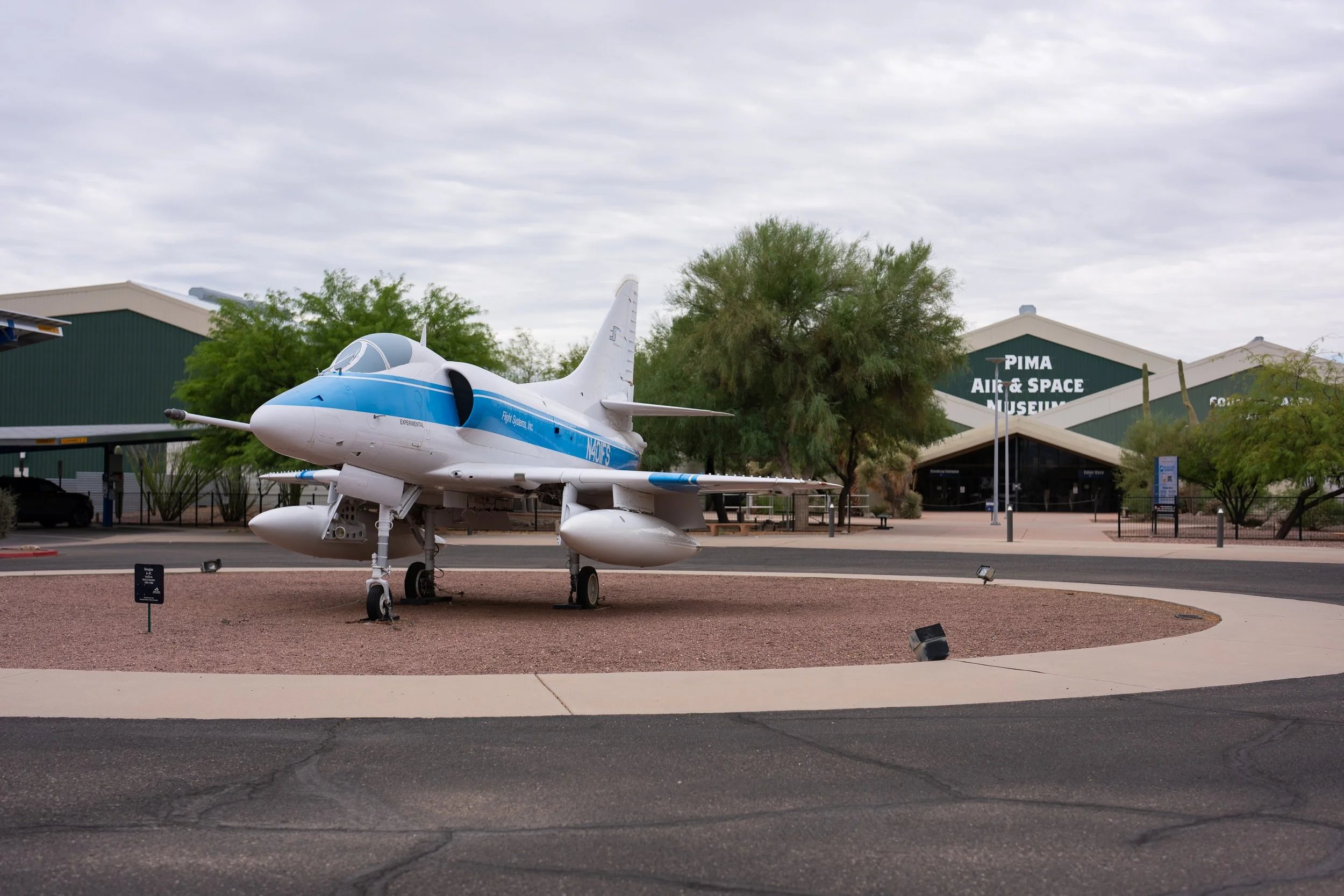
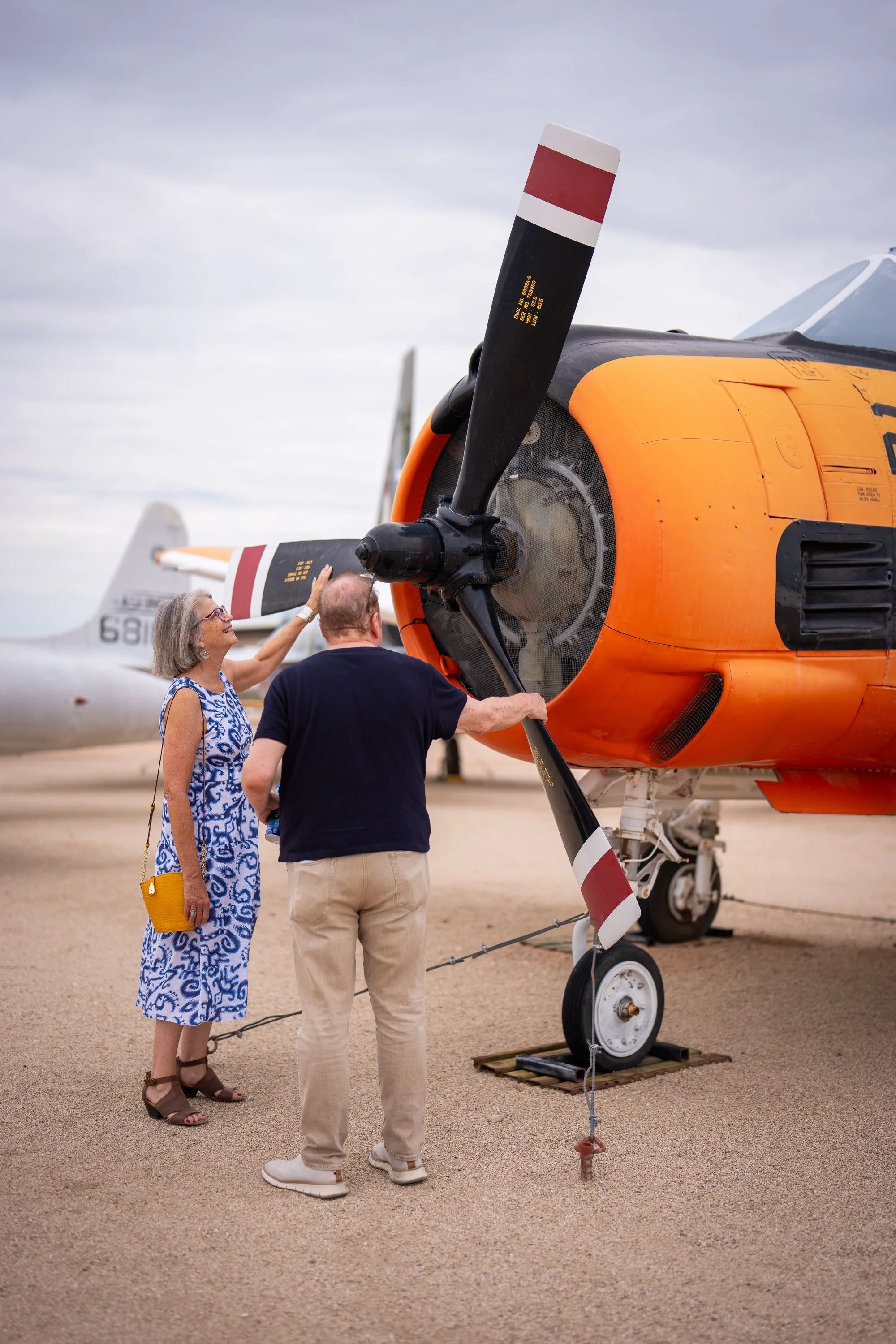
At the Pima Air and Space Museum, the full scale of the place surprises us. Rows of aircraft fill hangars and spill across the horizon, more than 400 in total.
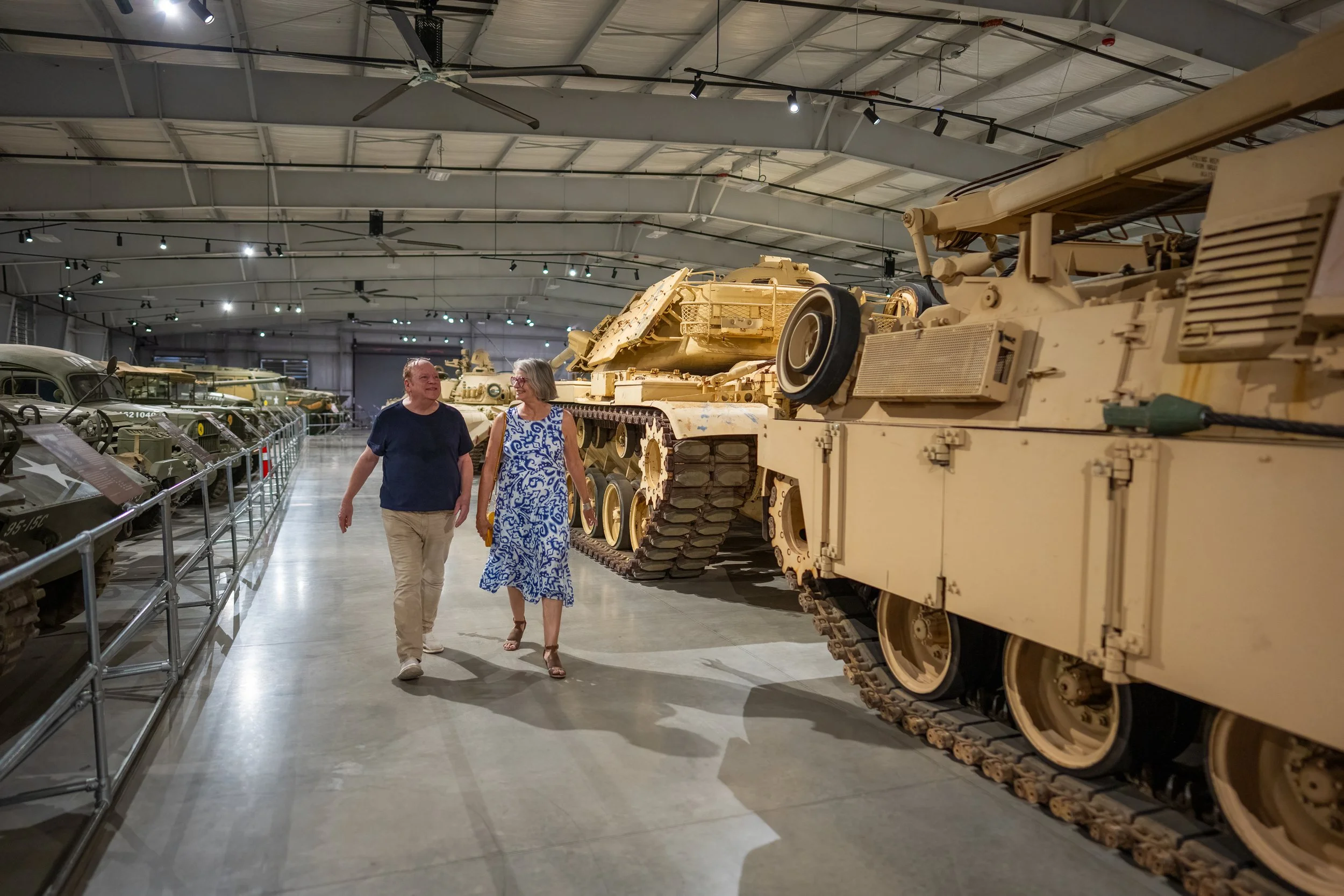
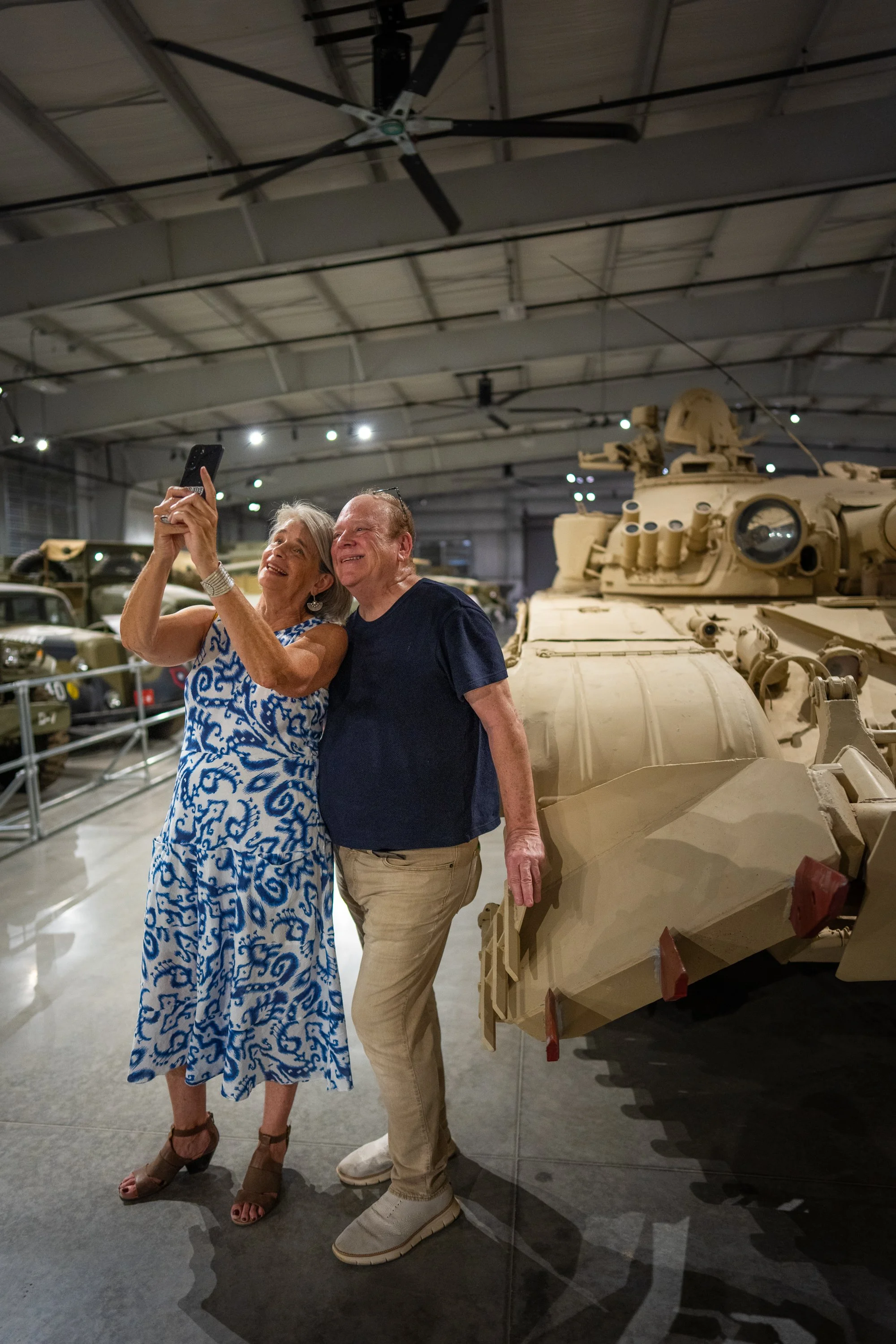
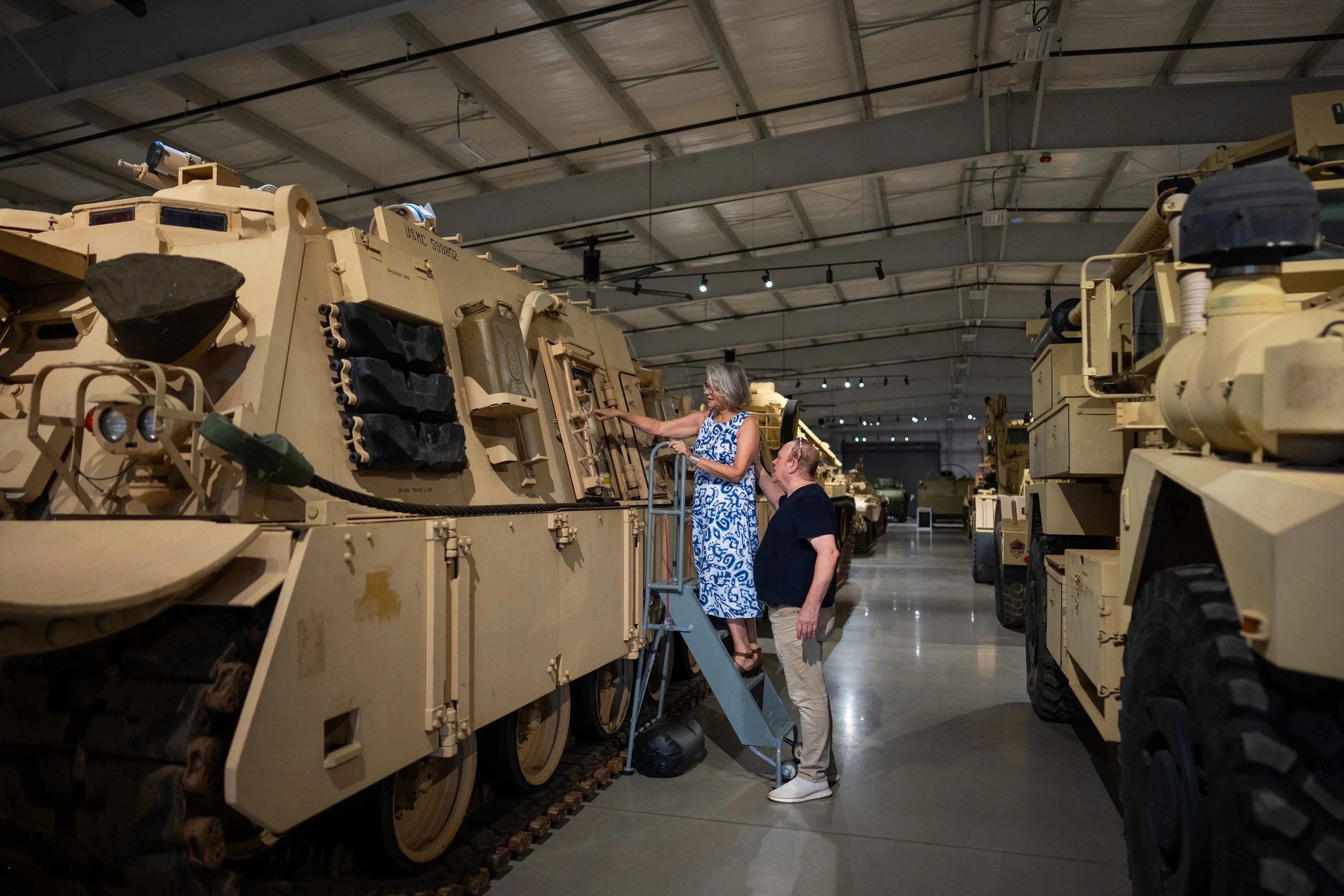
A Boeing 787 Dreamliner rises above the others, its smooth shape gleaming in the sun. A few steps away, vintage military vehicles sit under the heat, their metal frames holding stories from half a century ago.
Nate climbs atop an M41 Walker Bulldog tank from WW2. We can’t help but smile.
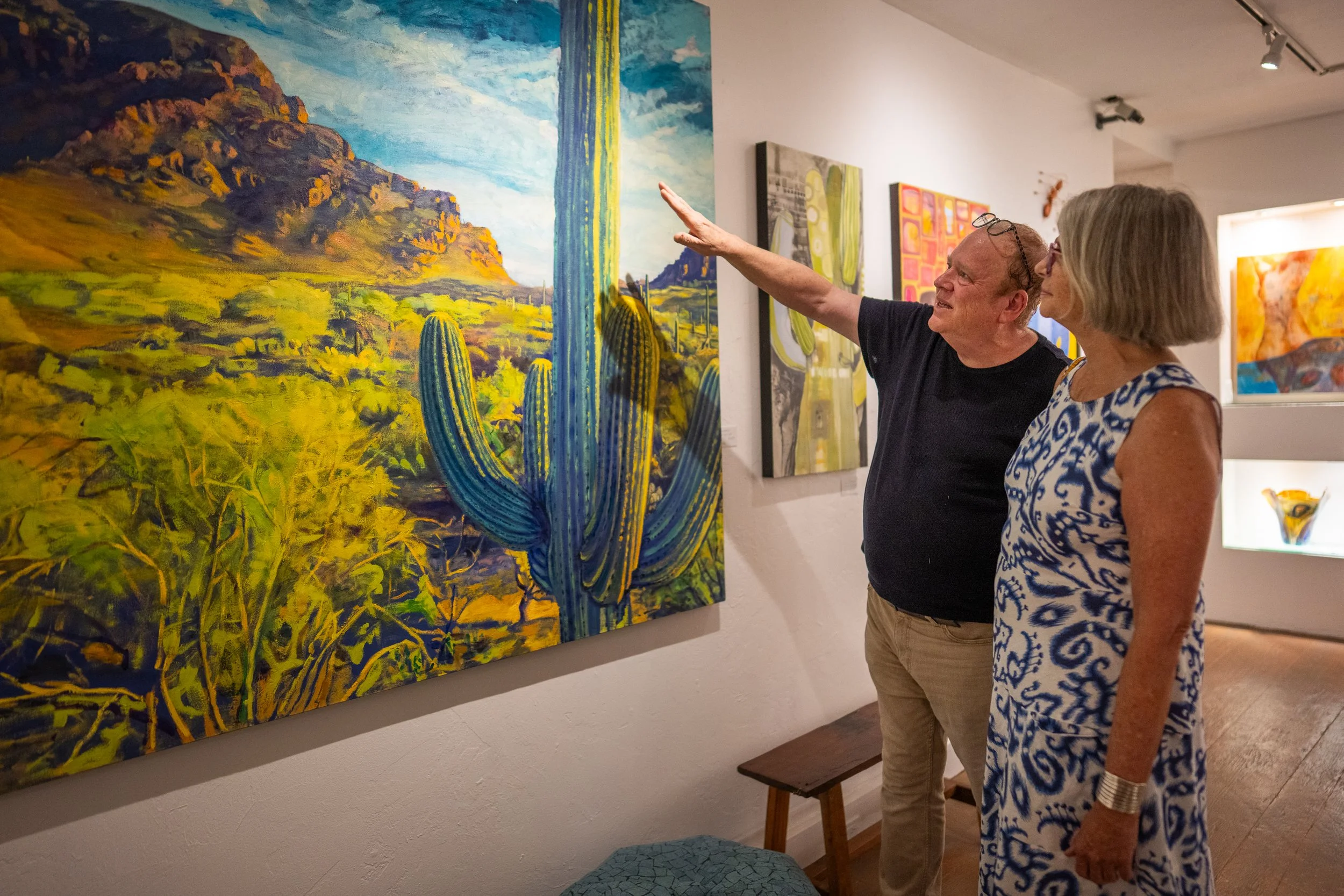
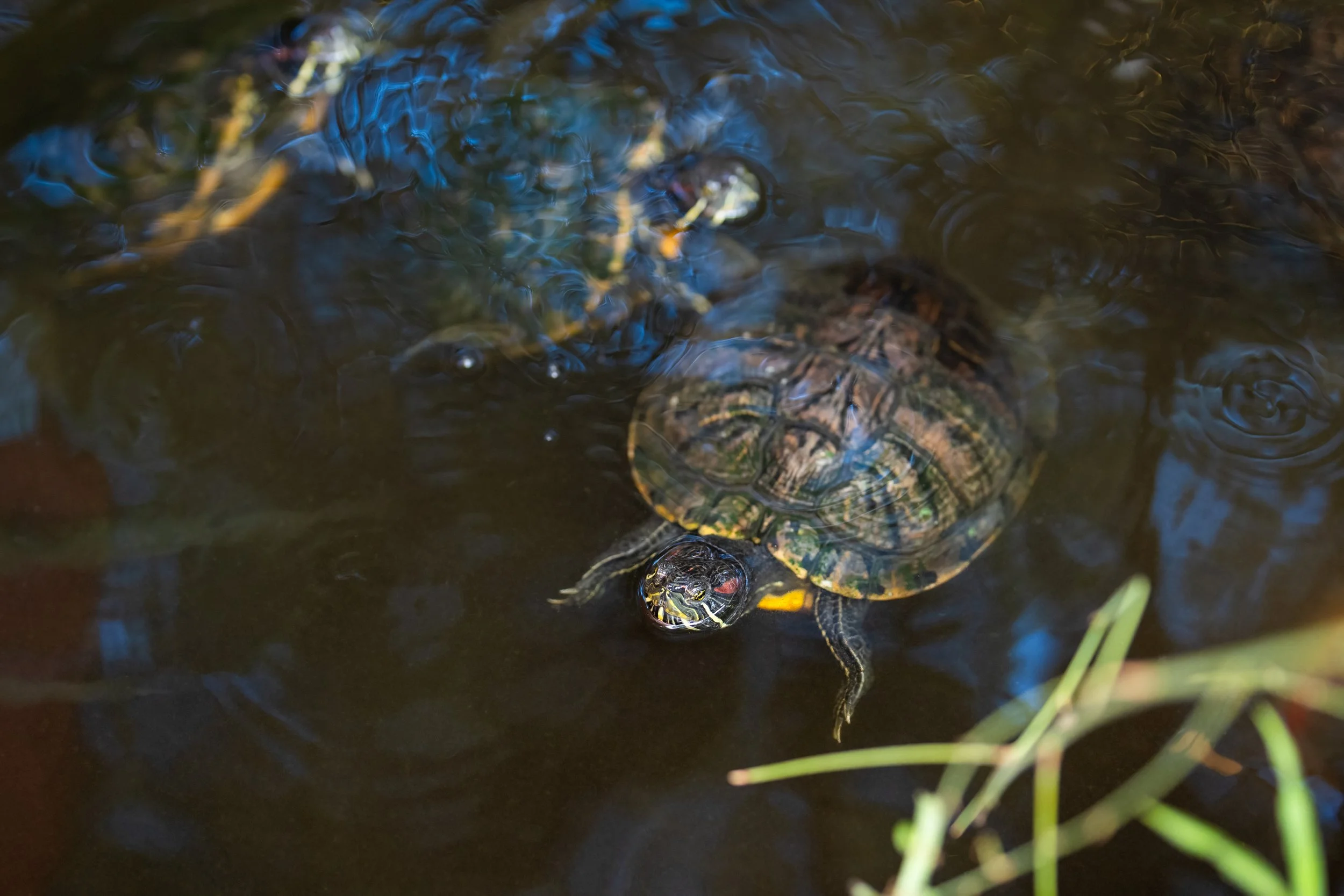
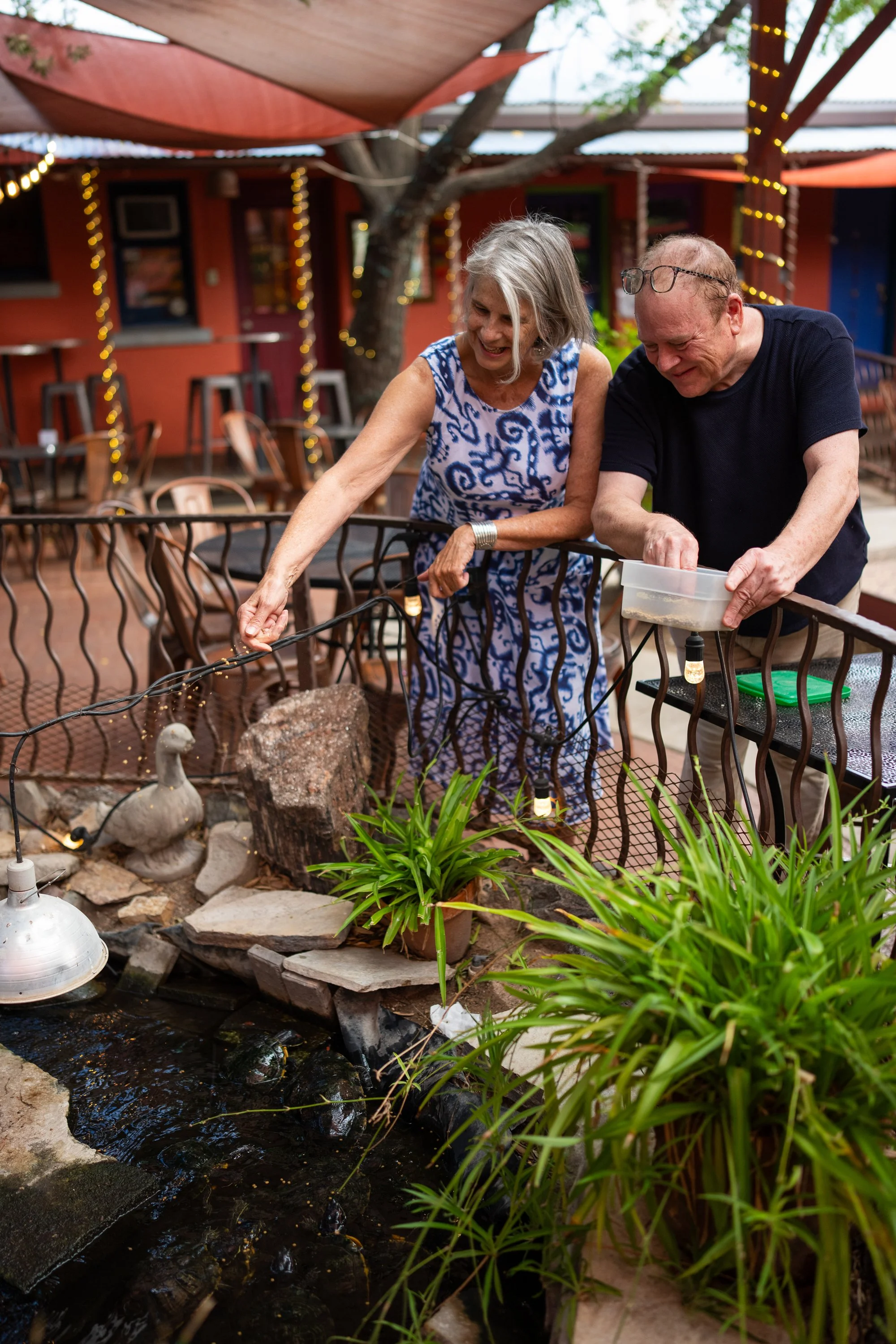
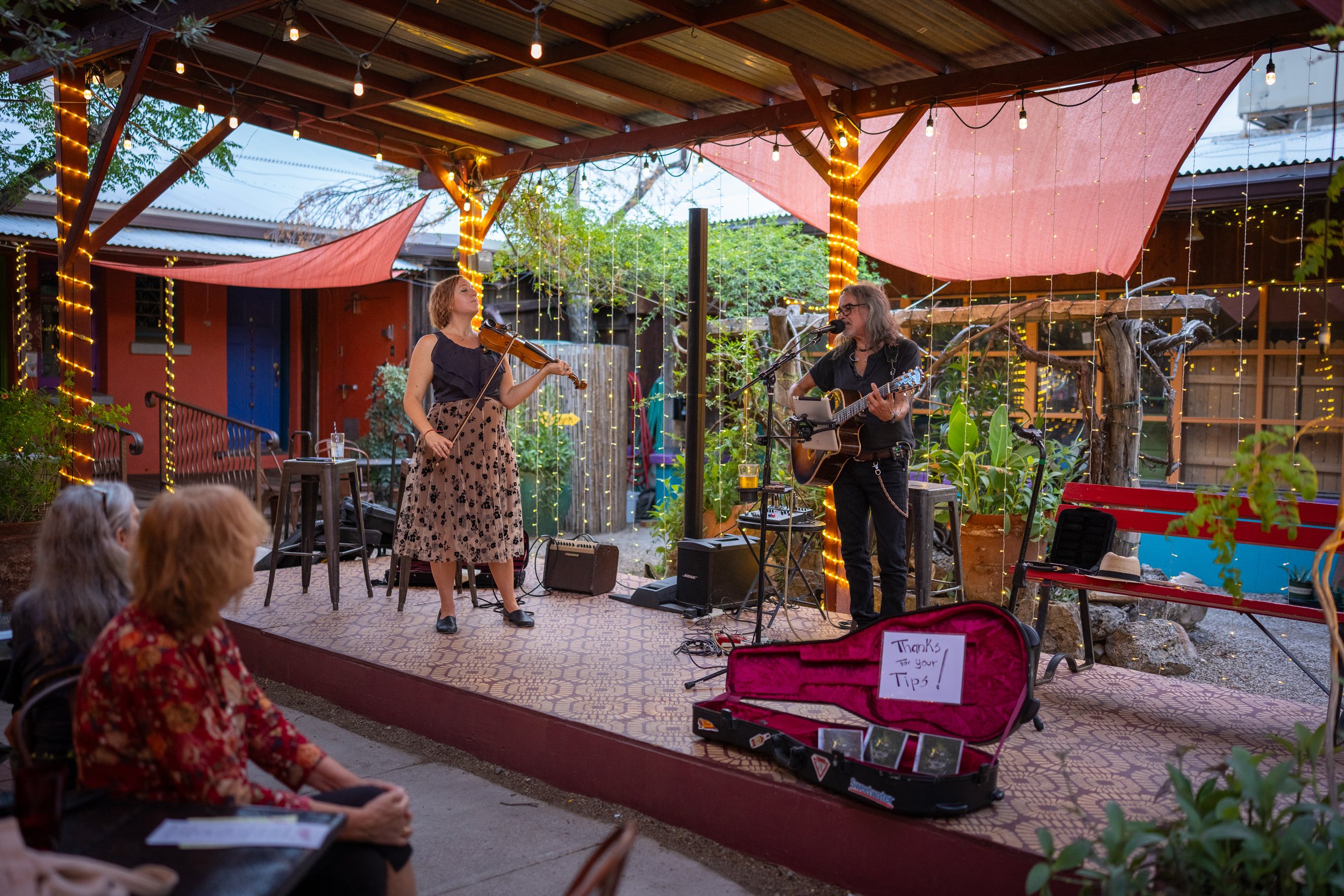
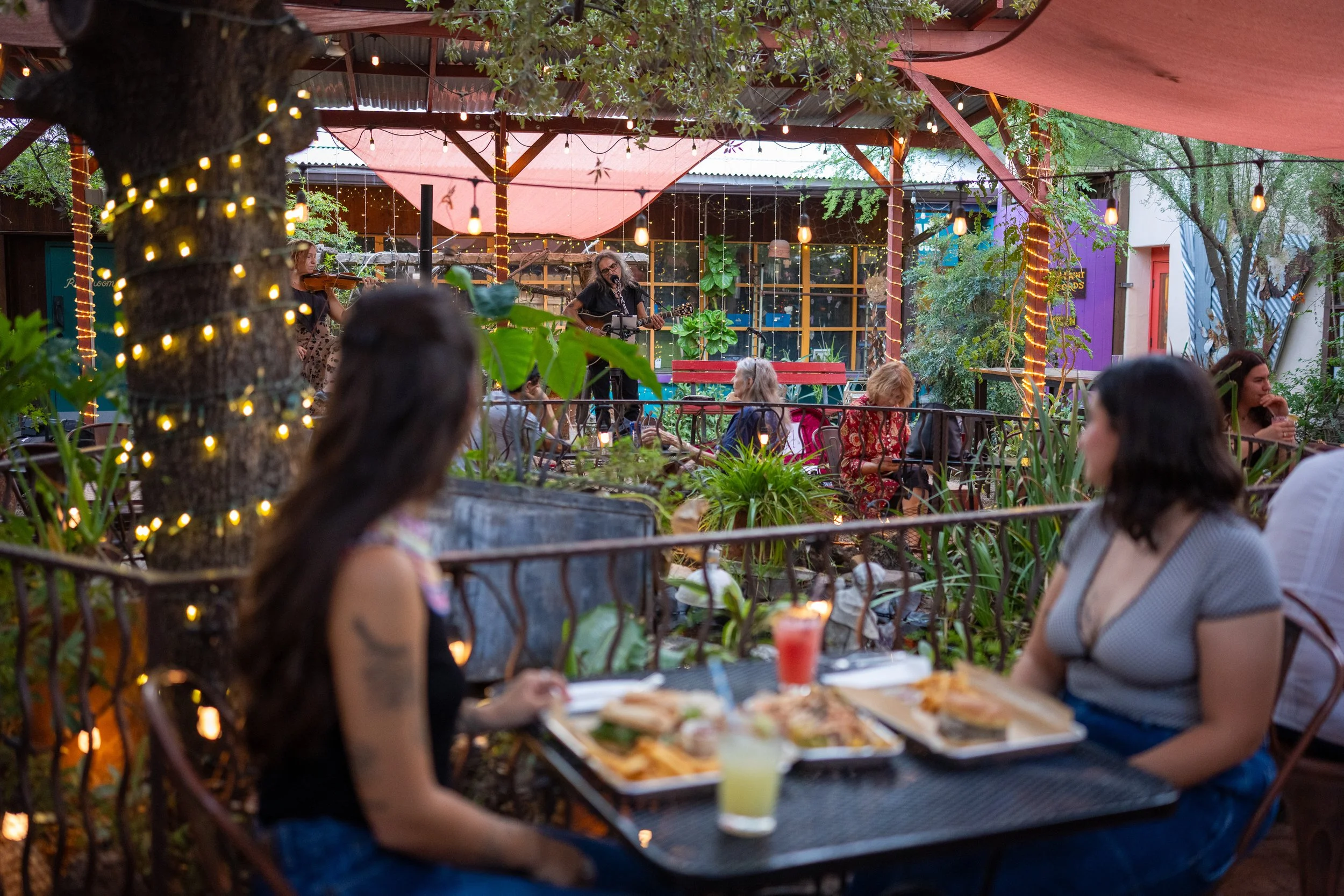
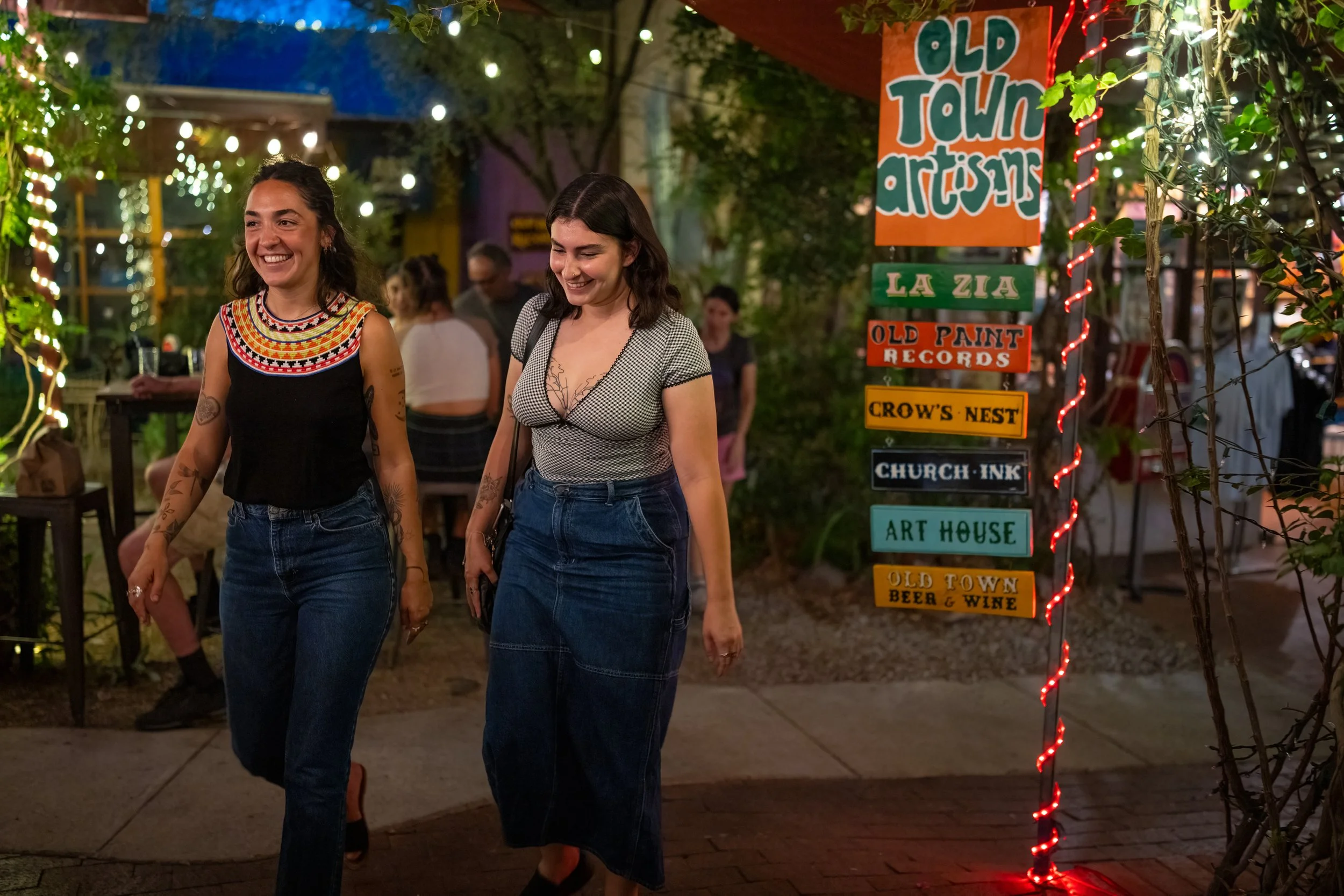
Afternoon brings the refuge of shade at Old Town Artisans, where adobe walls cradle cool courtyards and small shops.
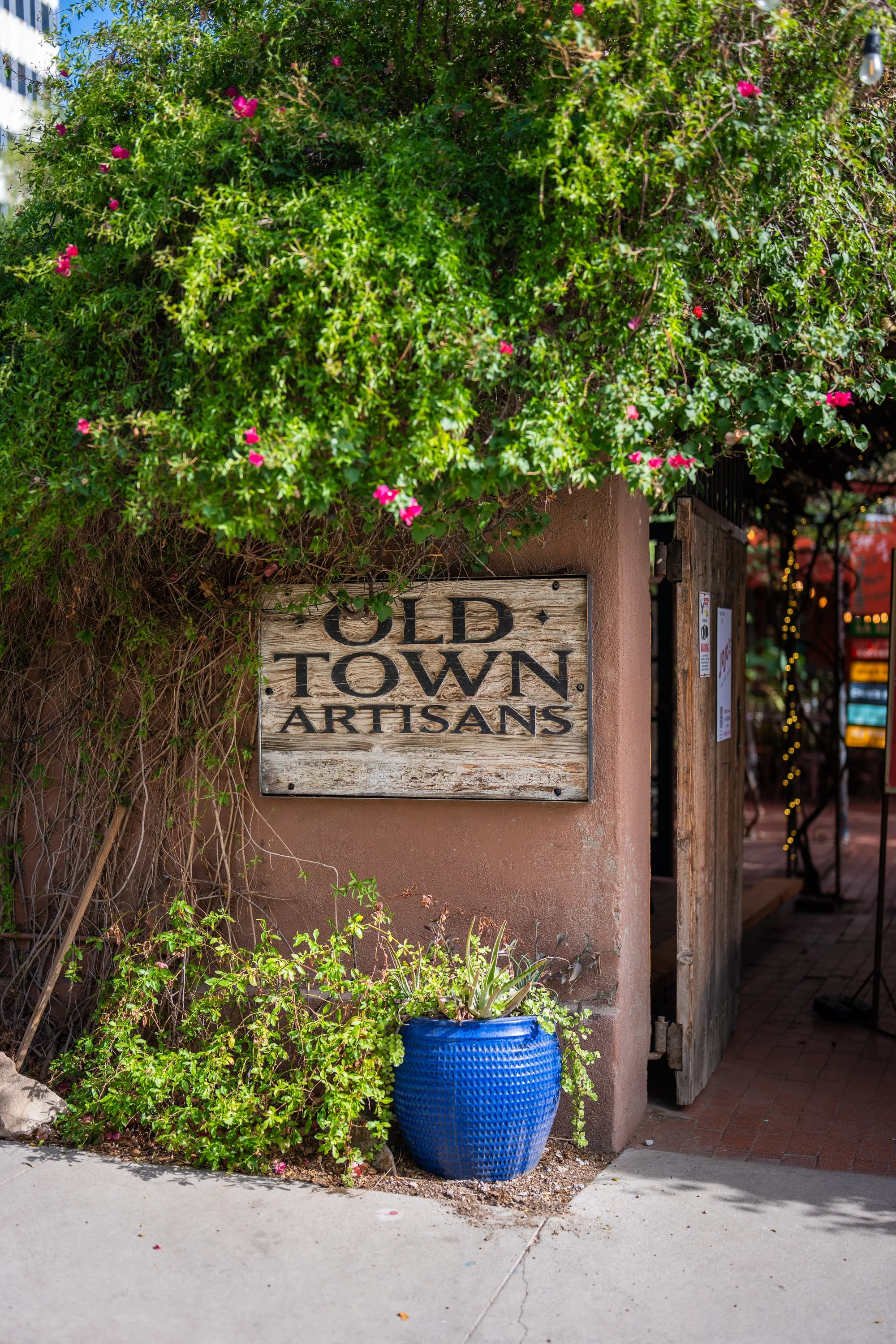
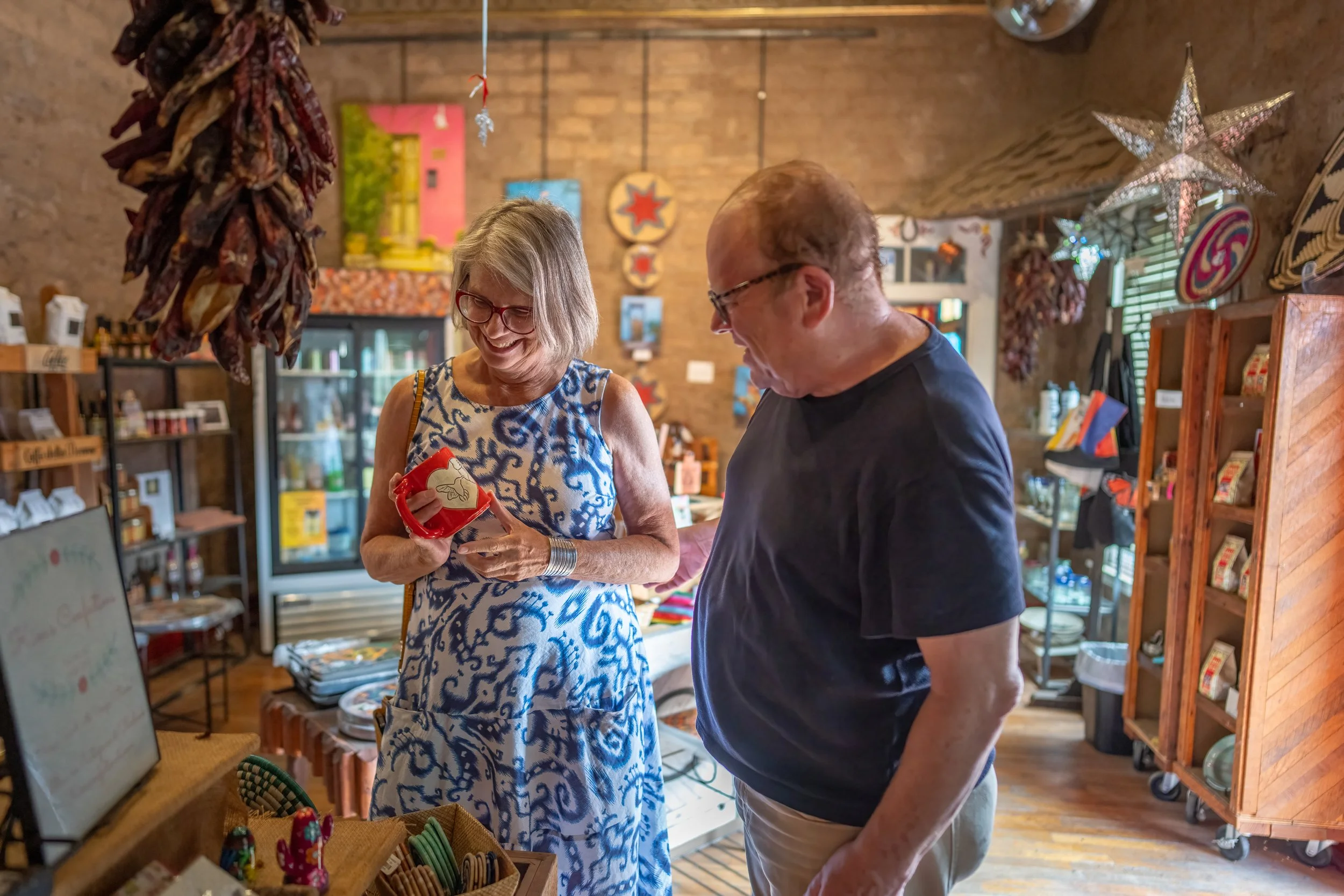
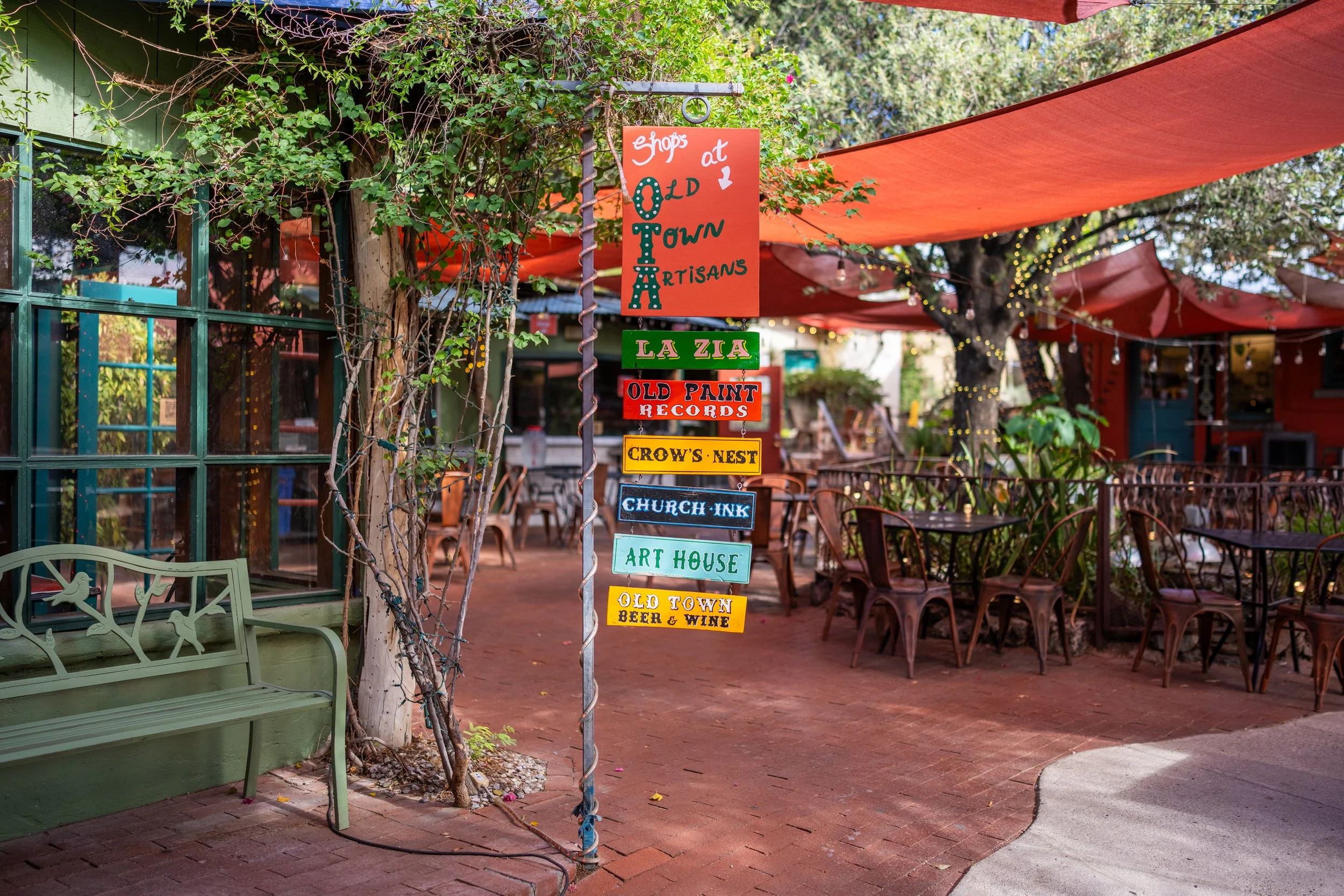
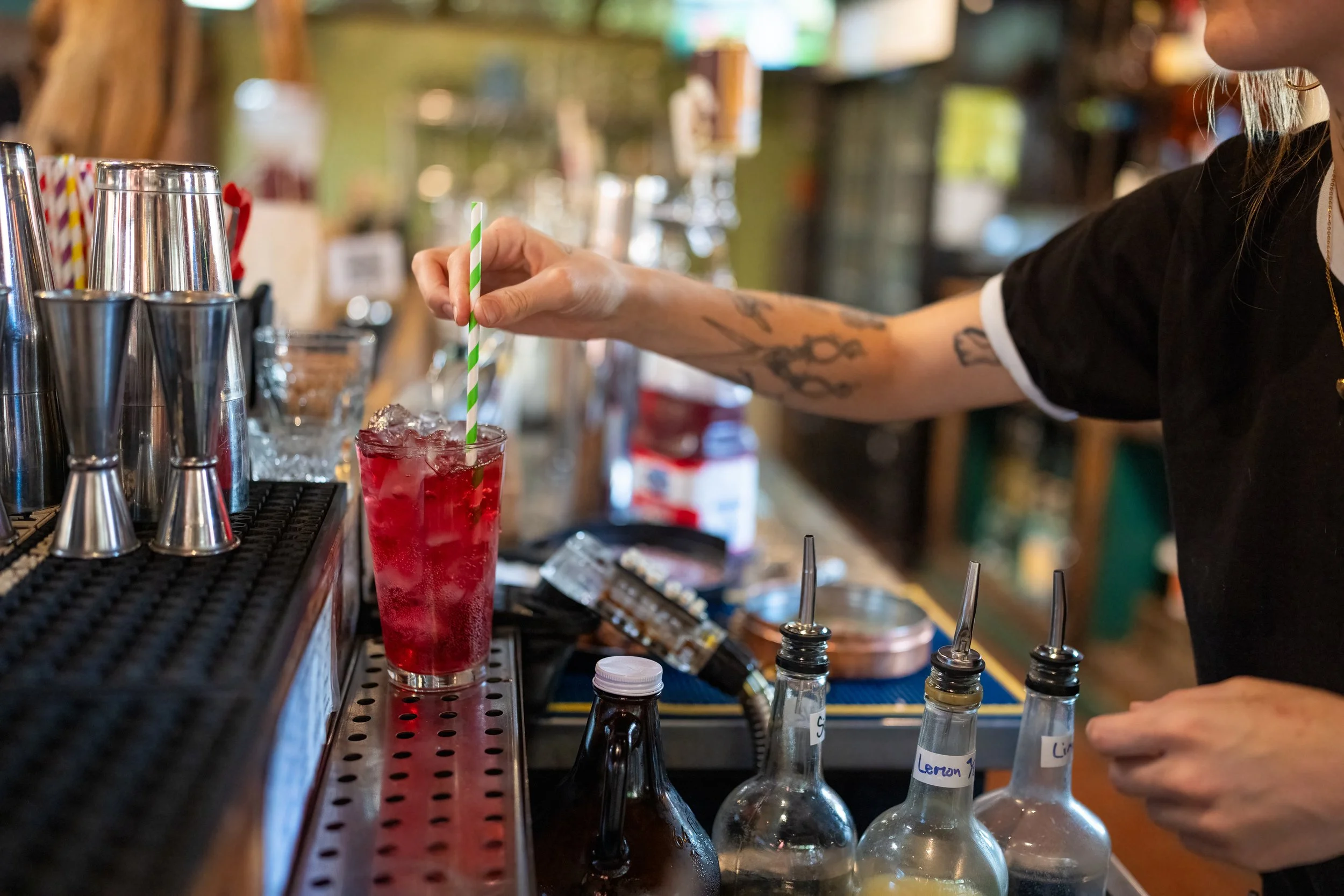
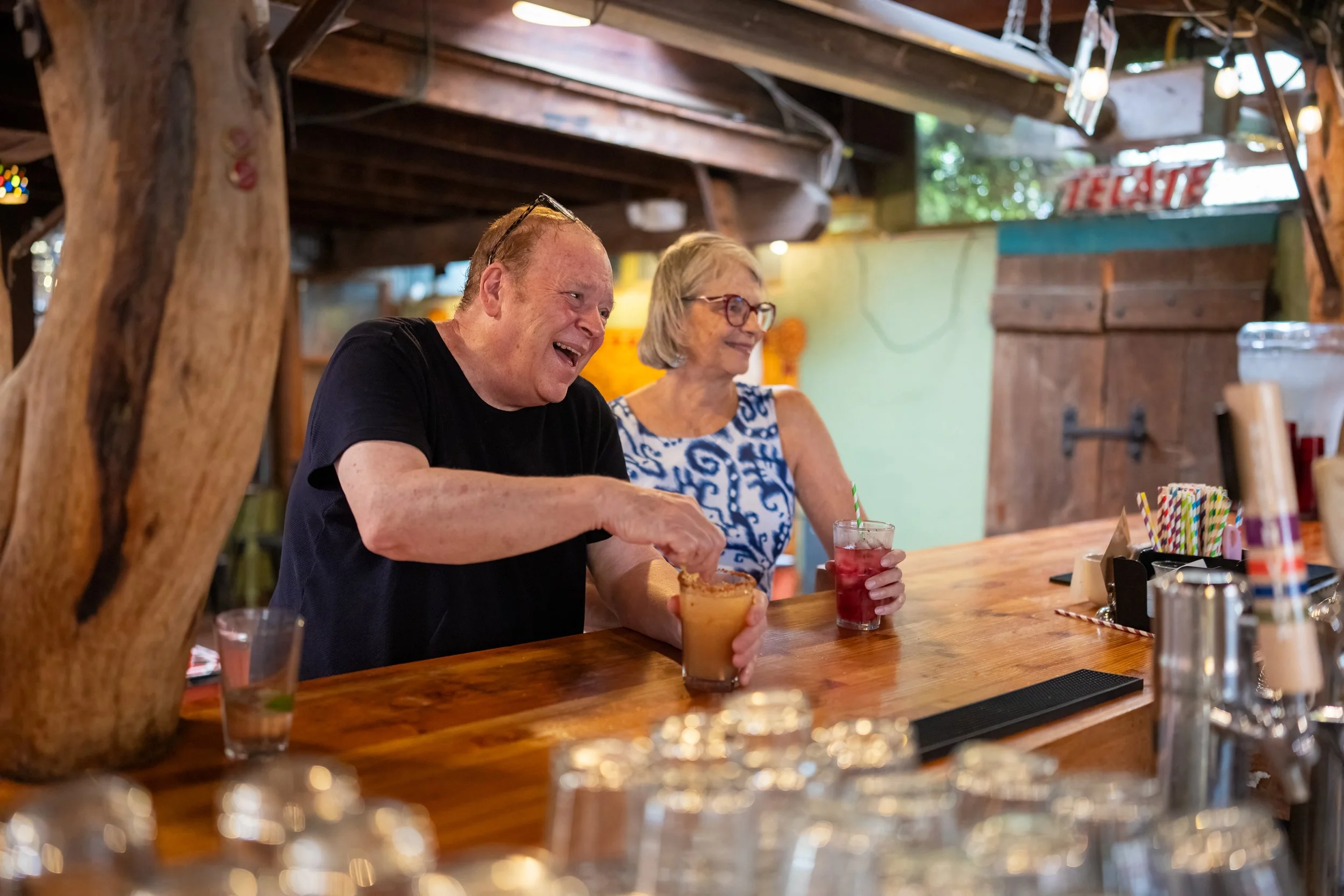
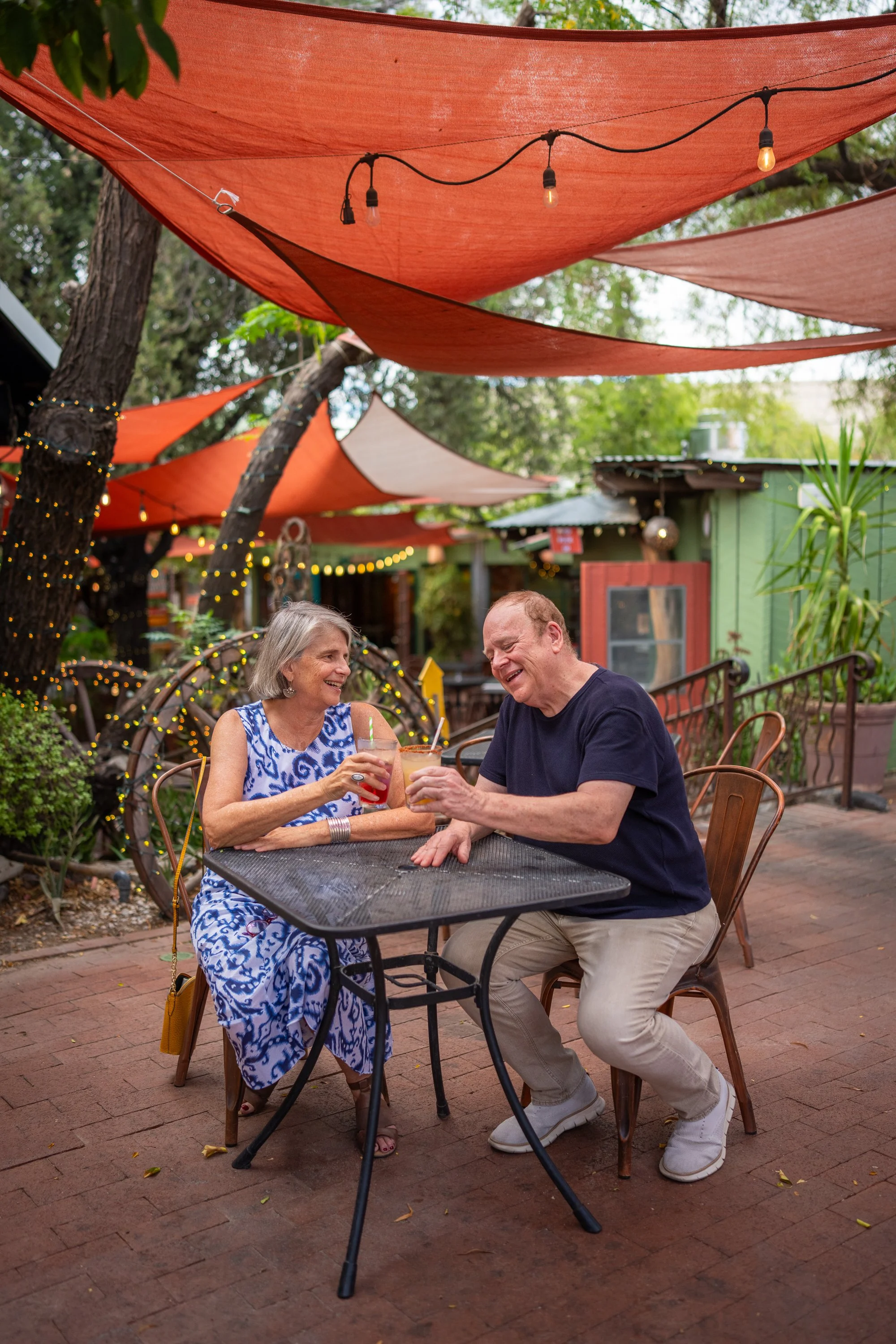
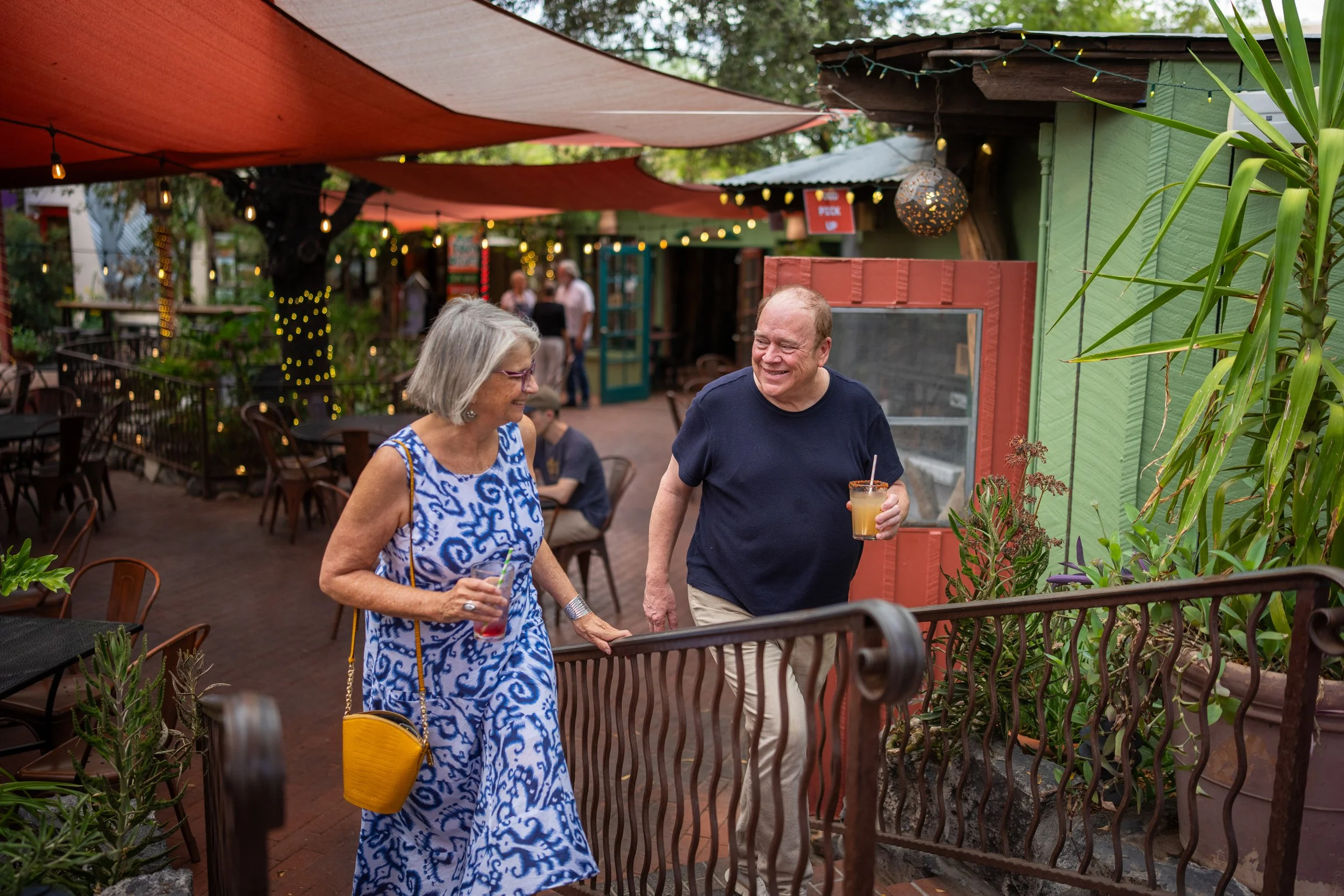
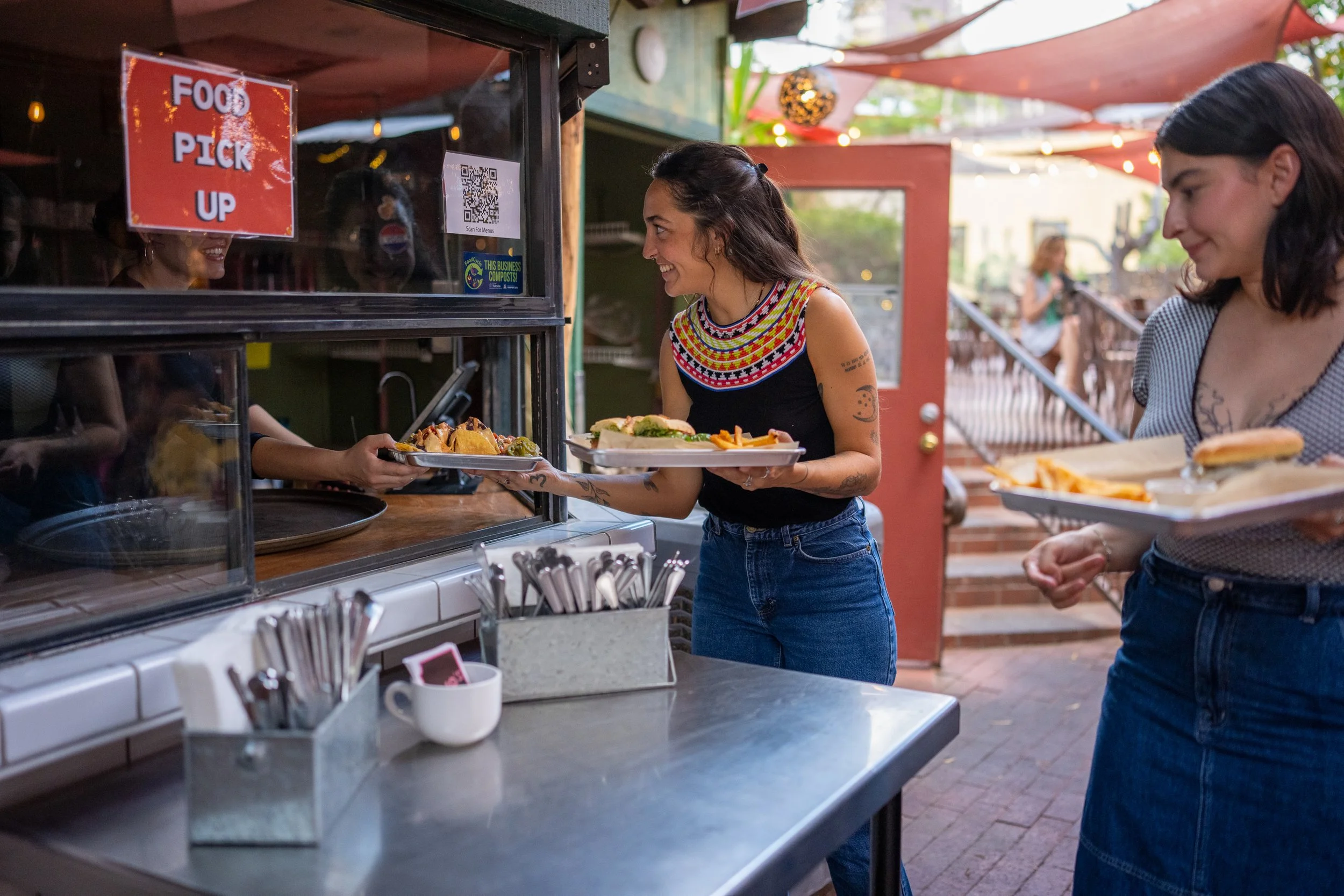
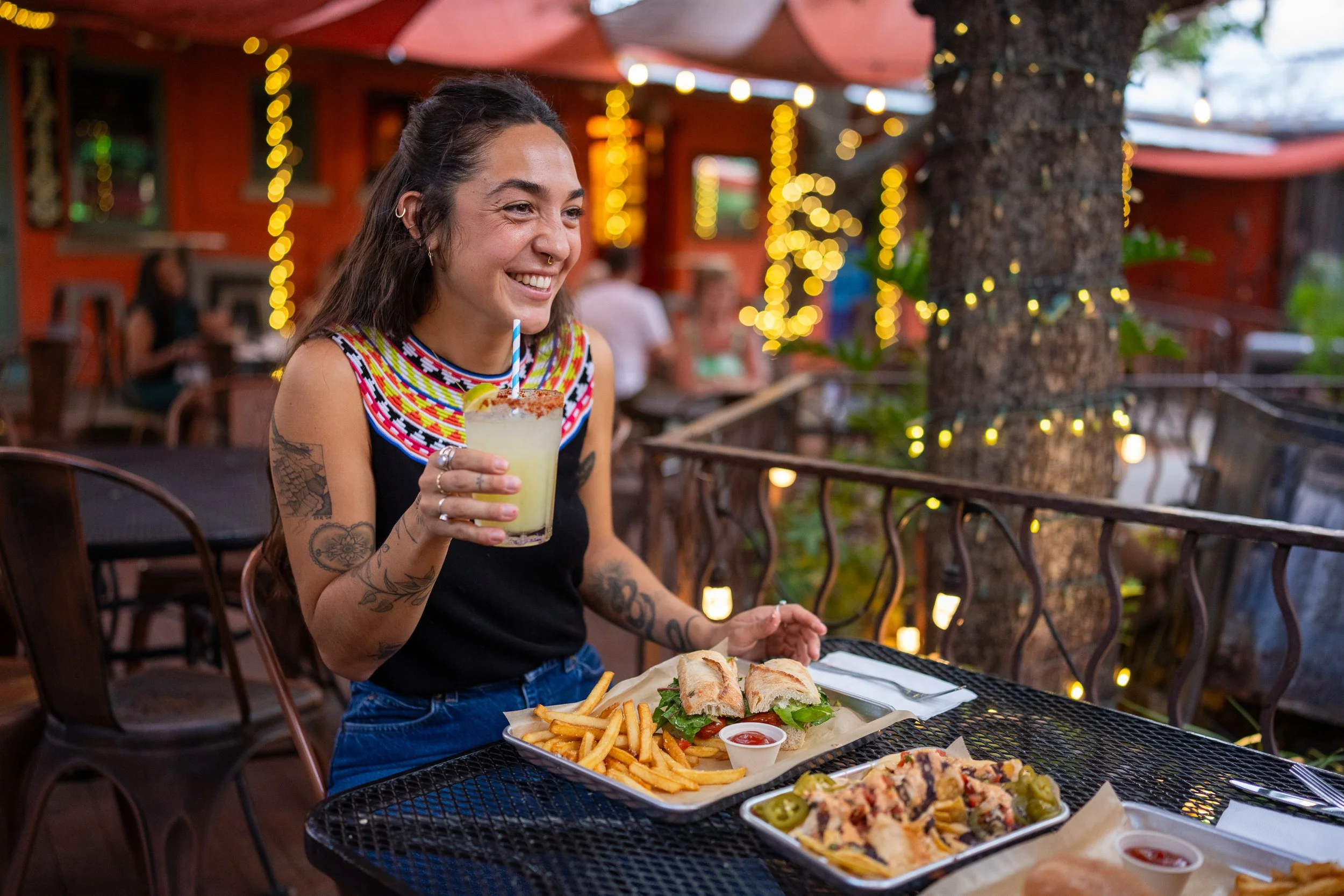
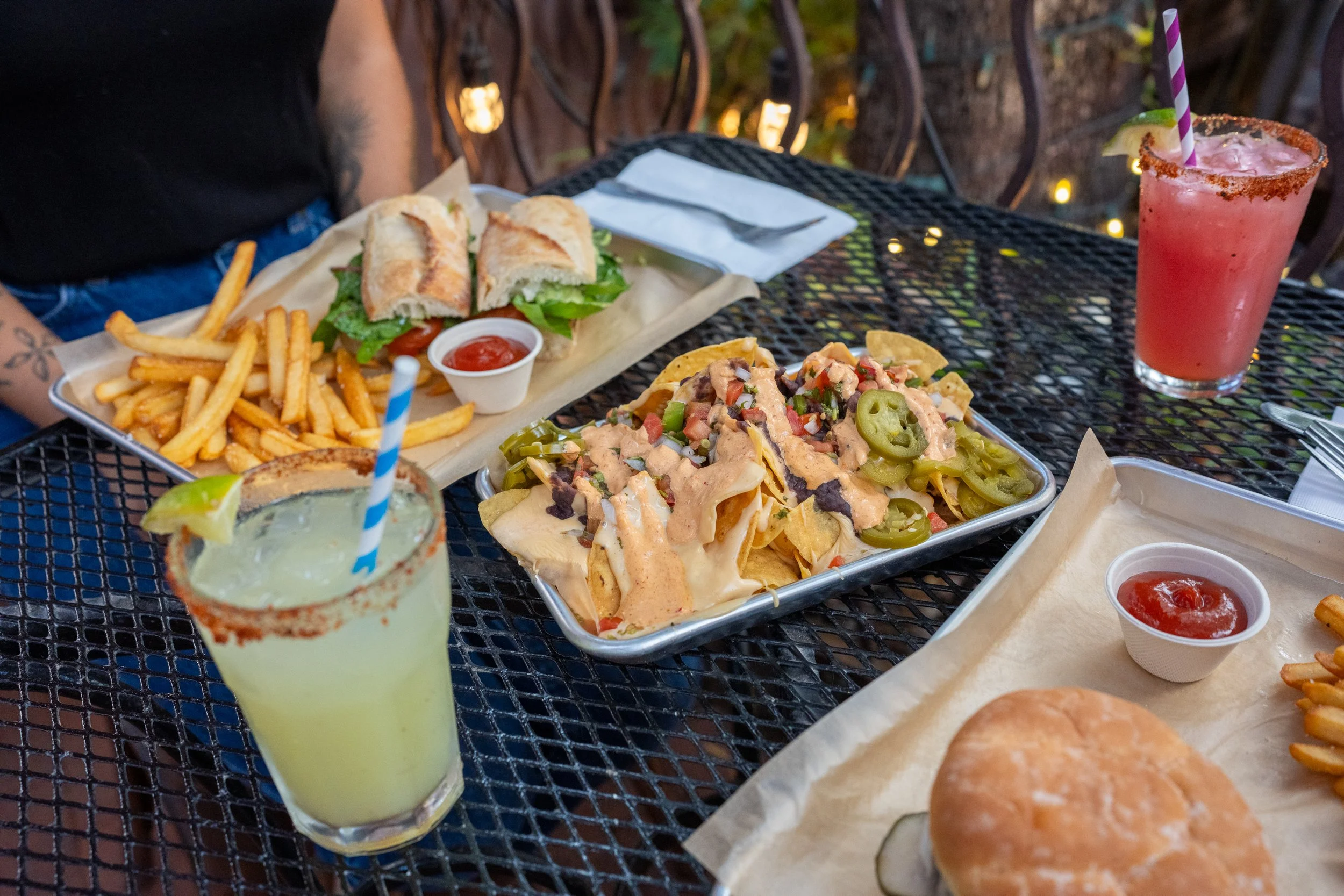
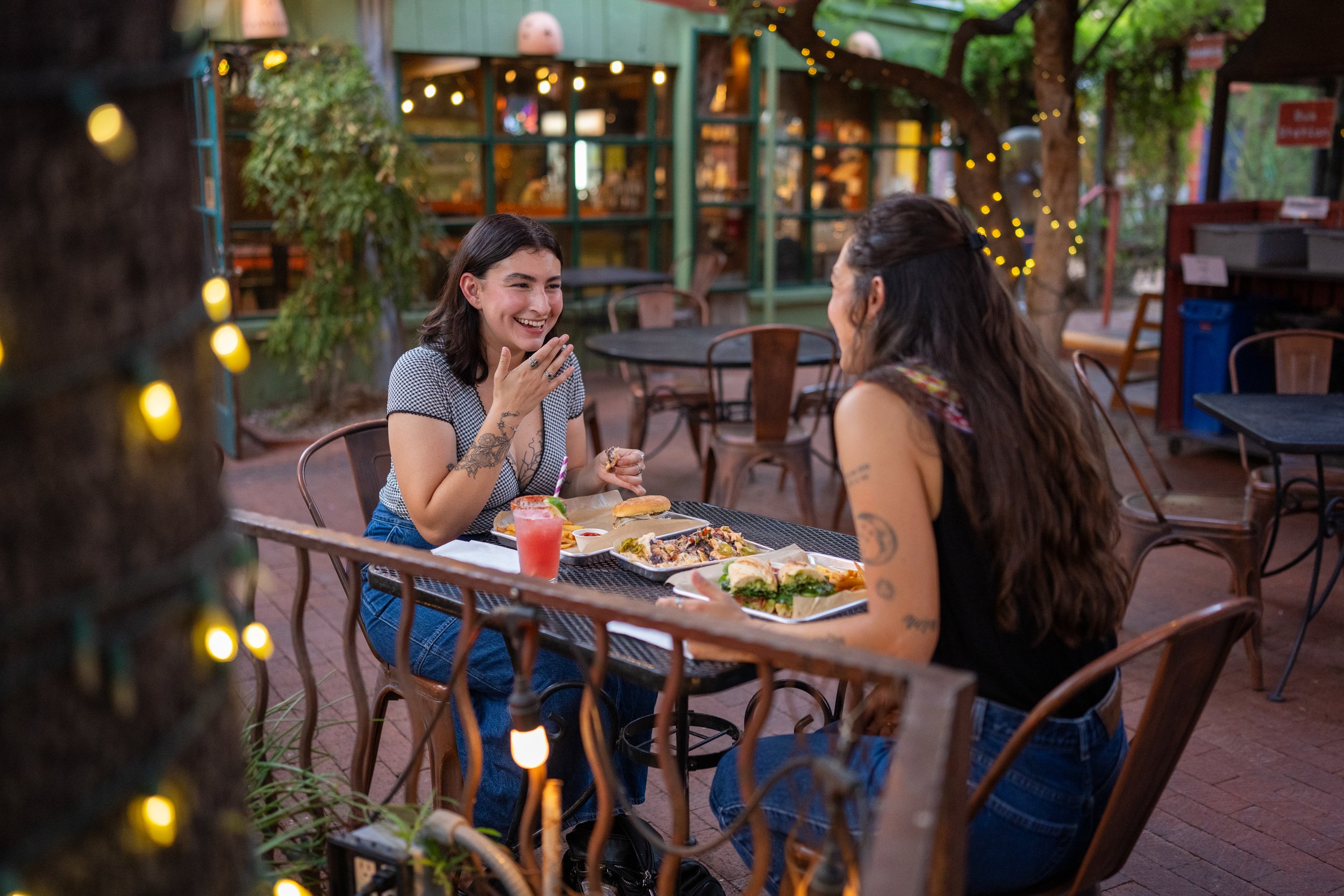
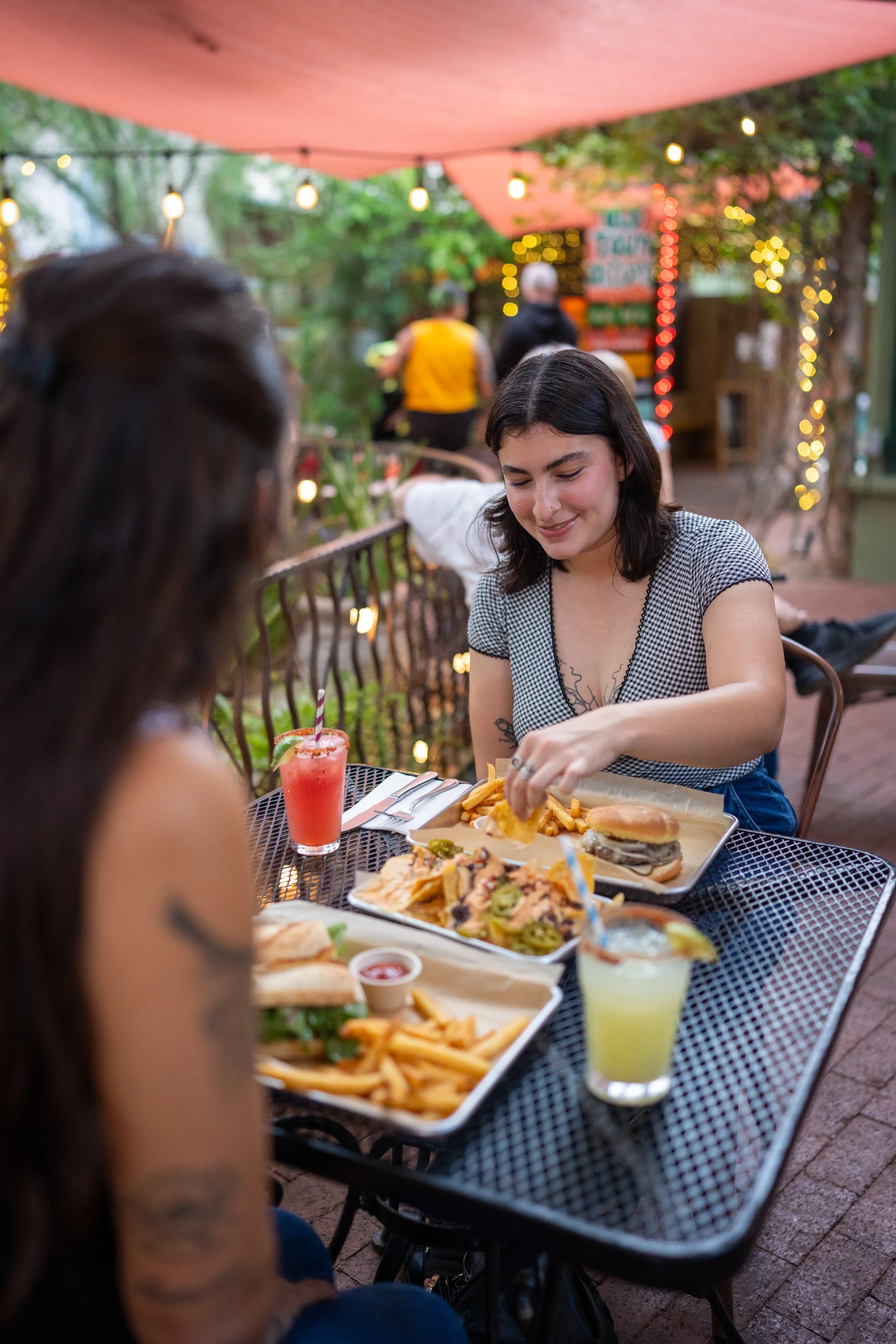
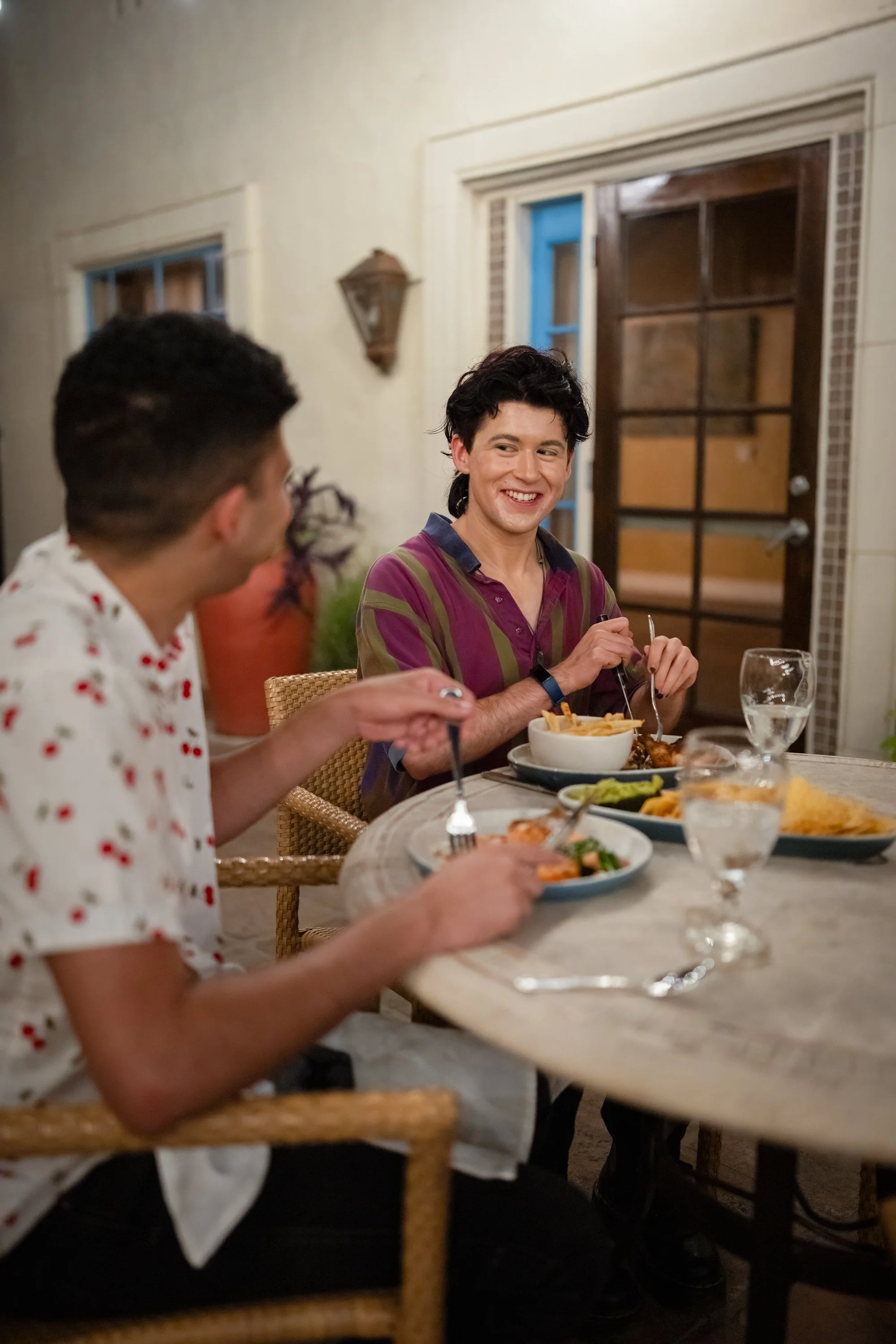
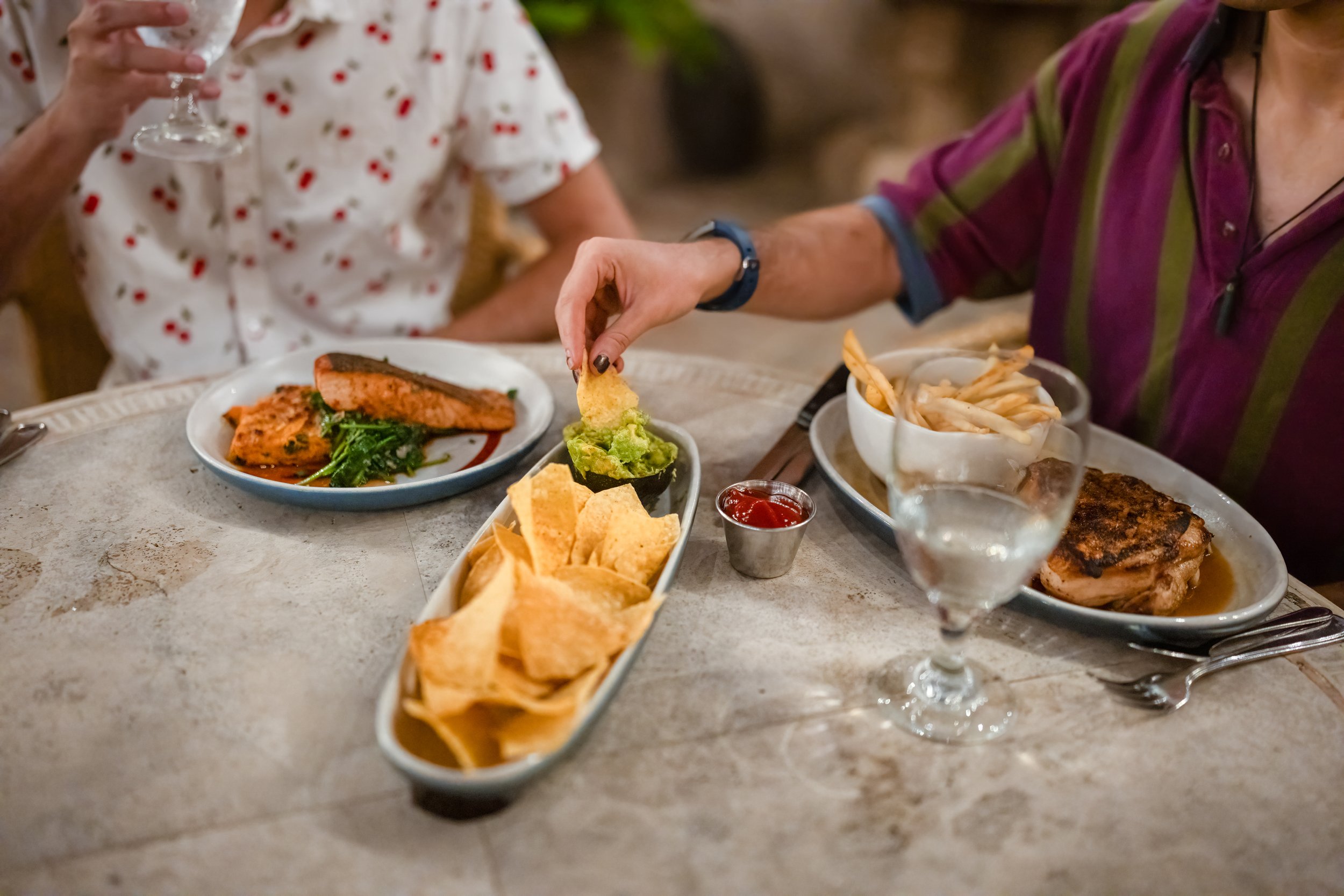
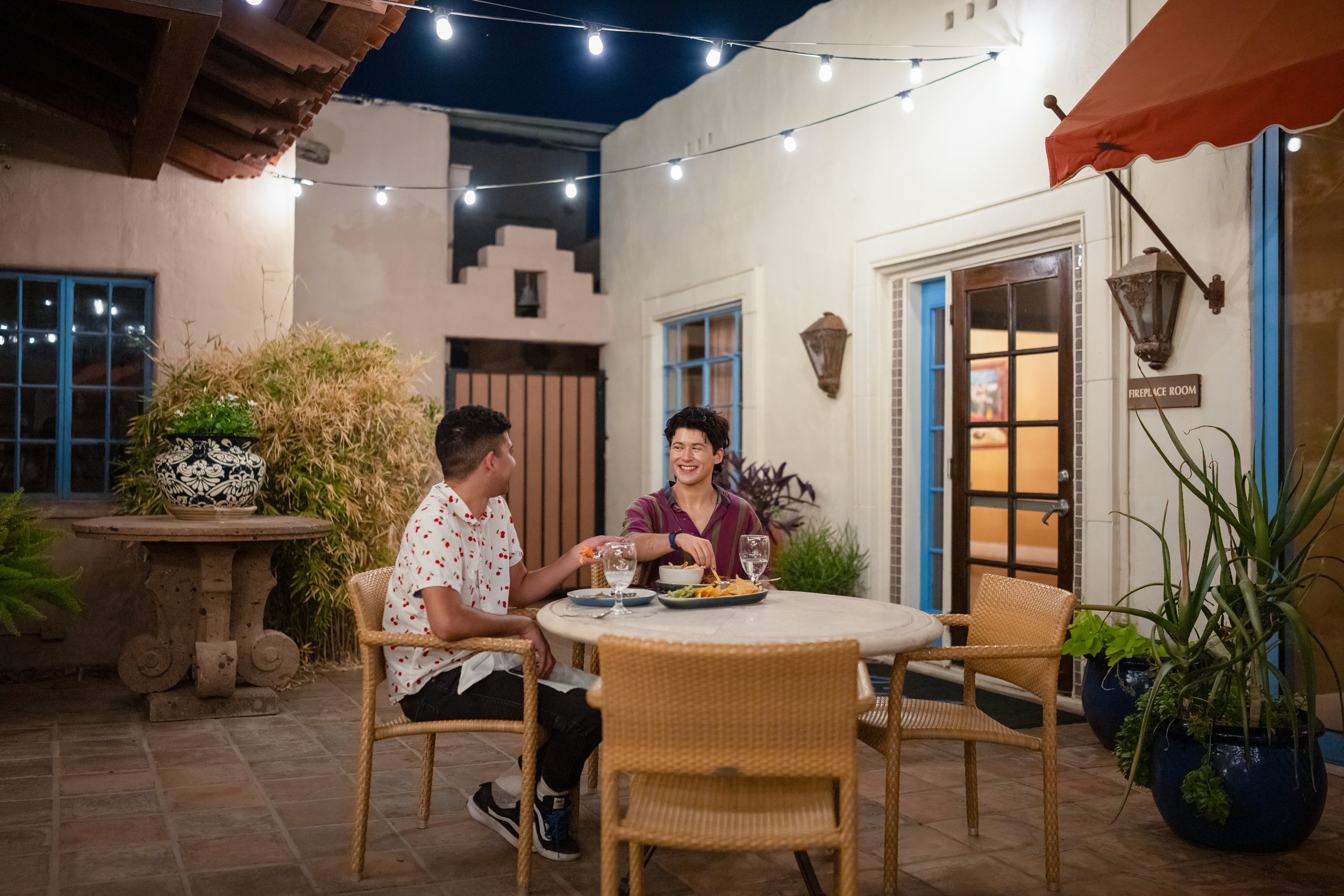
Dinner at Jojo’s is simple and perfect, and after the plates clear, we walk the neighborhood with a soft breeze carrying the scent of mesquite and desert sage.
The next morning we set out into the mountains to the northeast of town.
Mount Lemmon rises to 9,157’ from desert to pine in a matter of miles, and the drive feels like lifting through different worlds, up out of the desert and into one of the southernmost ski resorts in the United States.
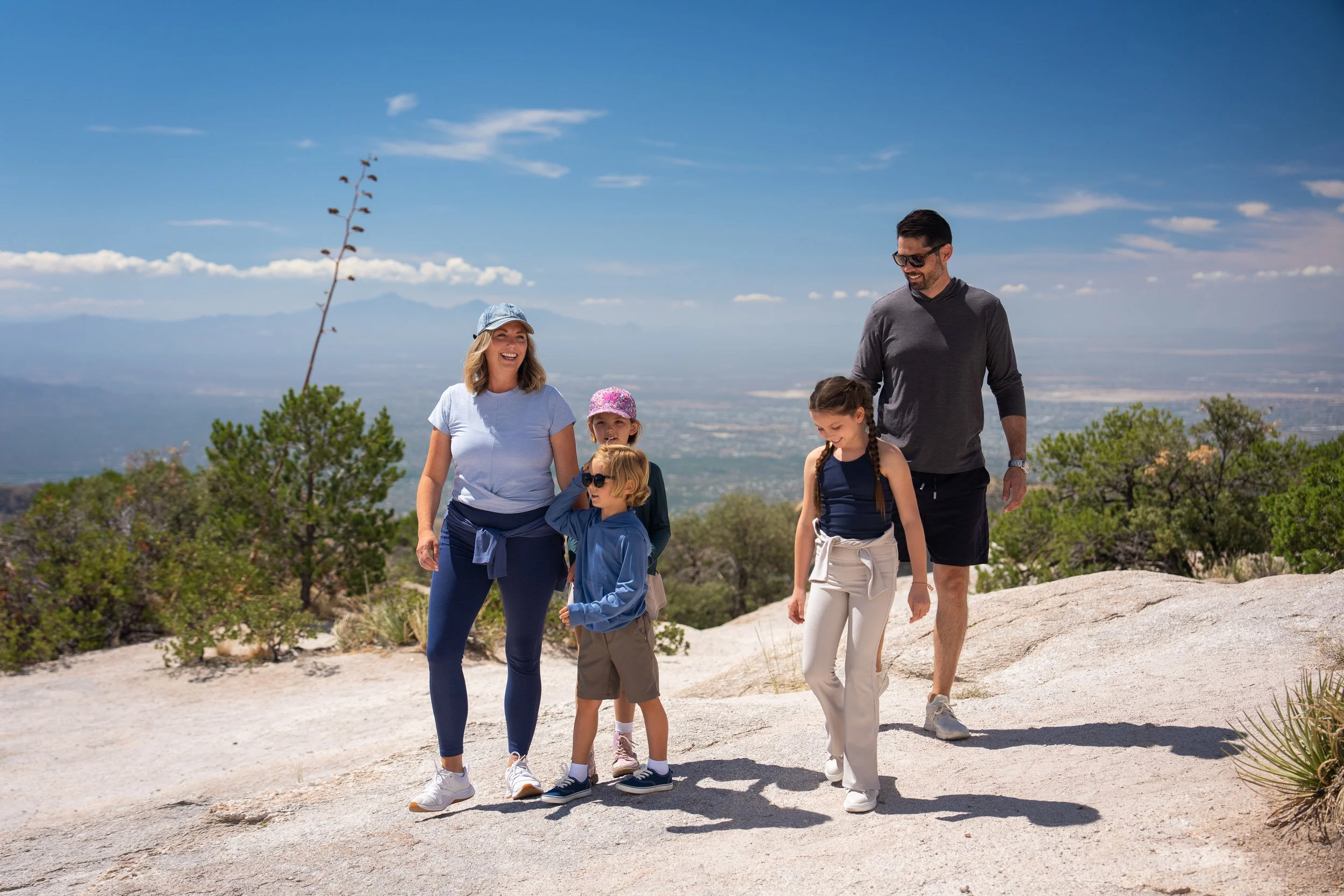
At Windy Point Vista, the granite glows pink in the sun and the view falls away into endless layers of desert. Higher still, we meet the Baron family at San Pedro Vista. Their kids race along the short wall of stone, laughing at the height of it all.
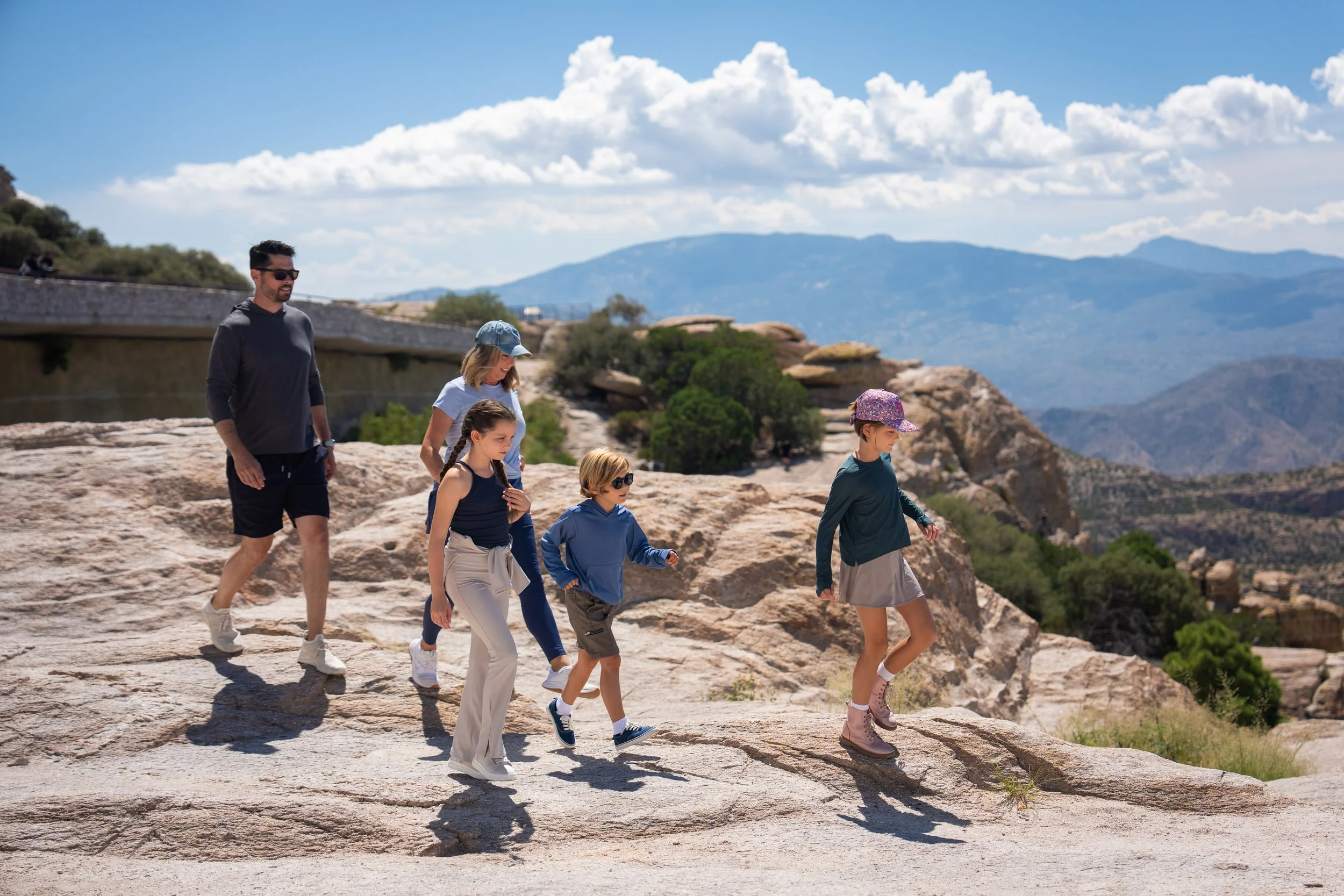
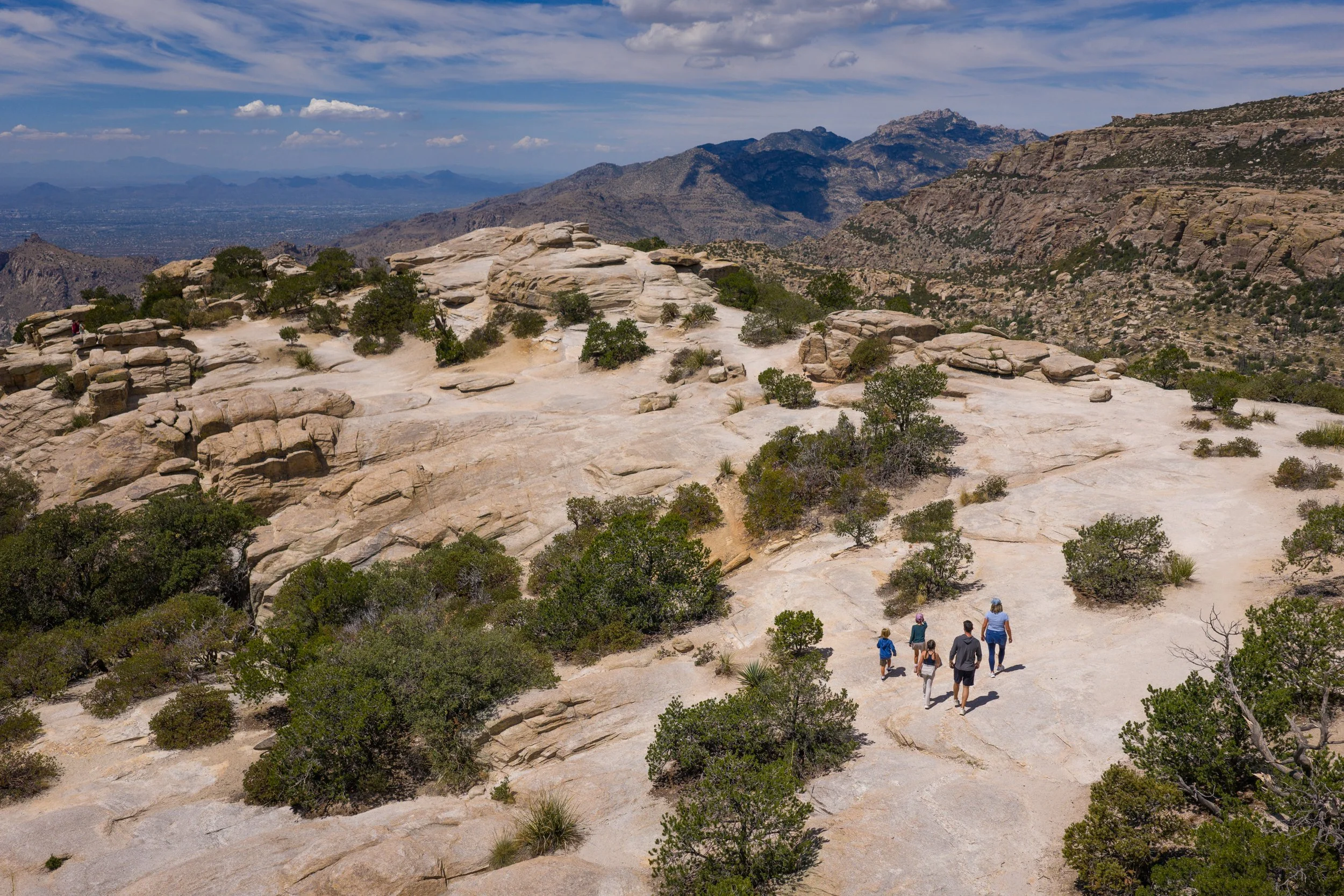
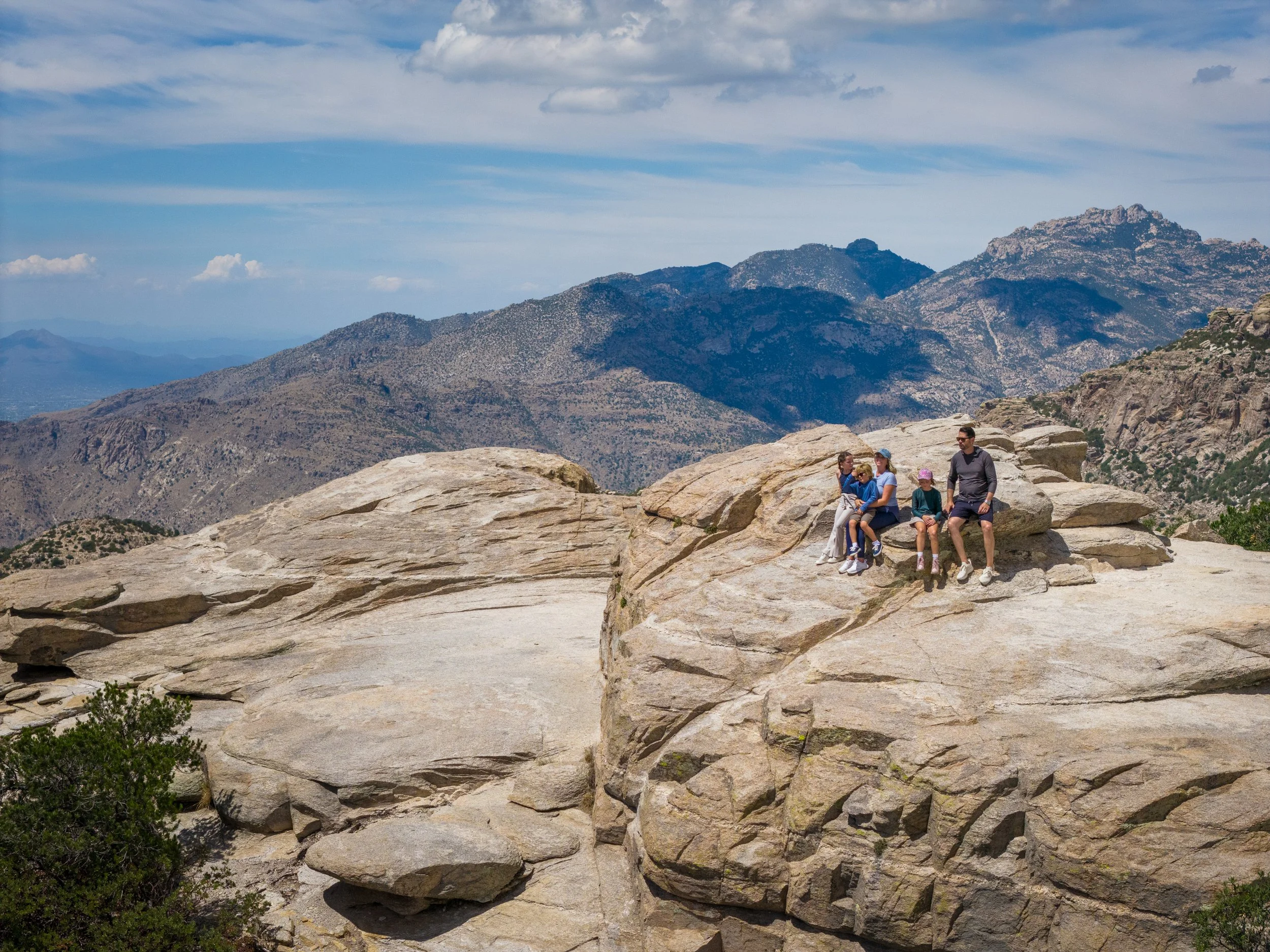
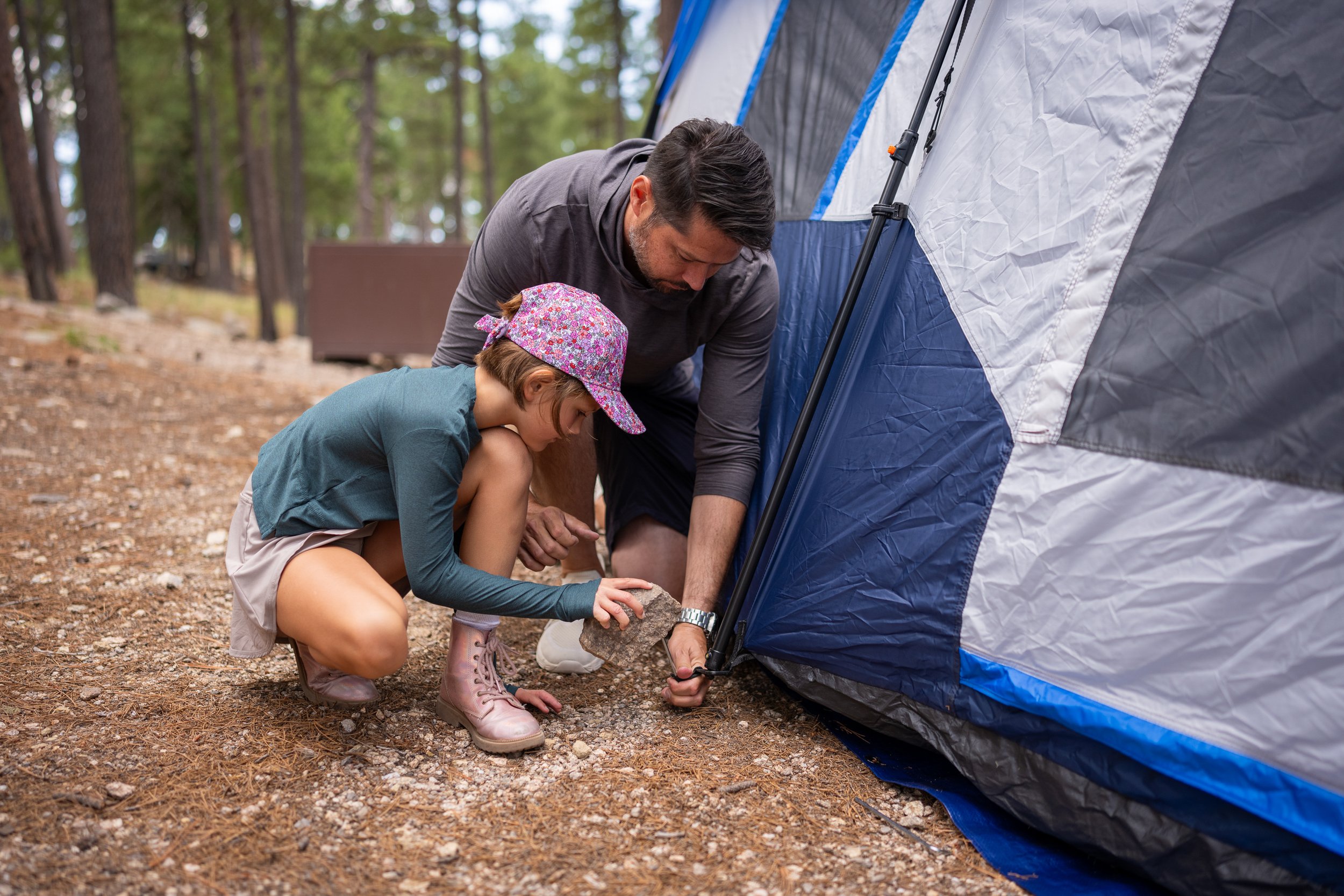
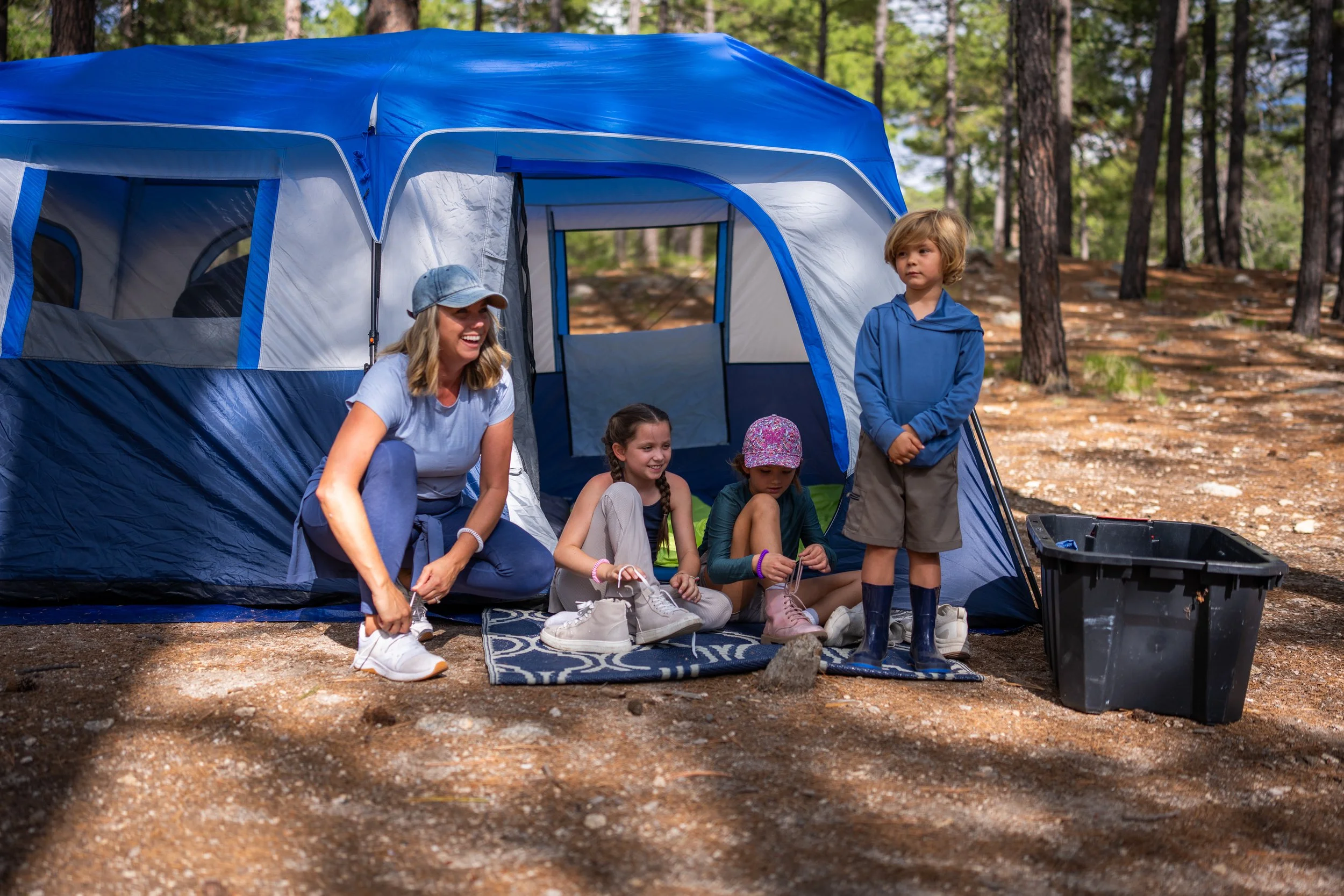
At Spencer Canyon Campground, the day turns into something quieter and sweeter, as this is the first time as a family we have gone camping.
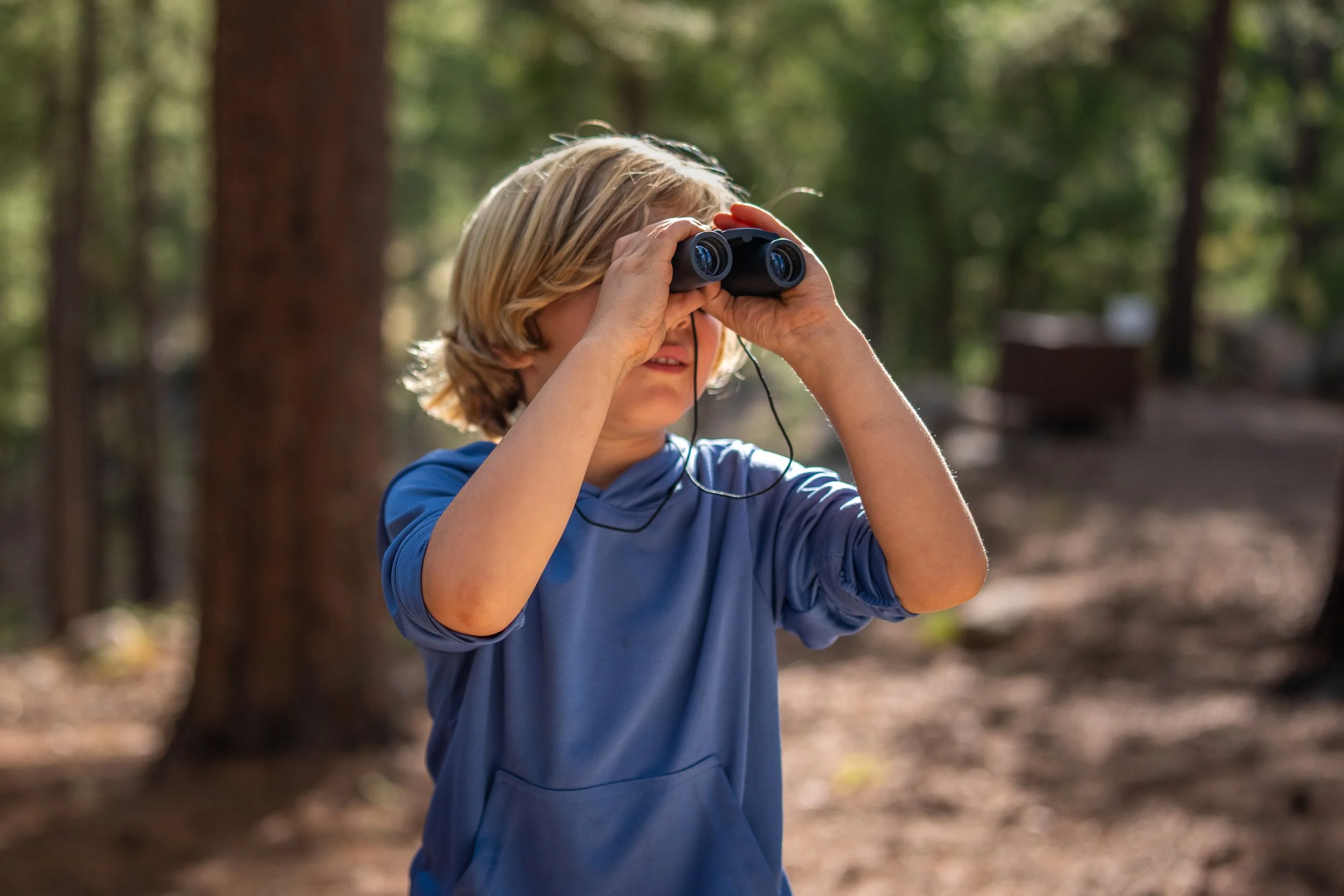
Within the first hour the kids are chasing insects, kicking dust around the site, and watching a pine squirrel disappear into a hollowed log.
When Sienna loses a tooth, everyone cheers. Later, Micah finds a baby horned lizard and holds it gently in the flat of his palm, its tiny scales shifting in the light. It becomes the highlight of the day.
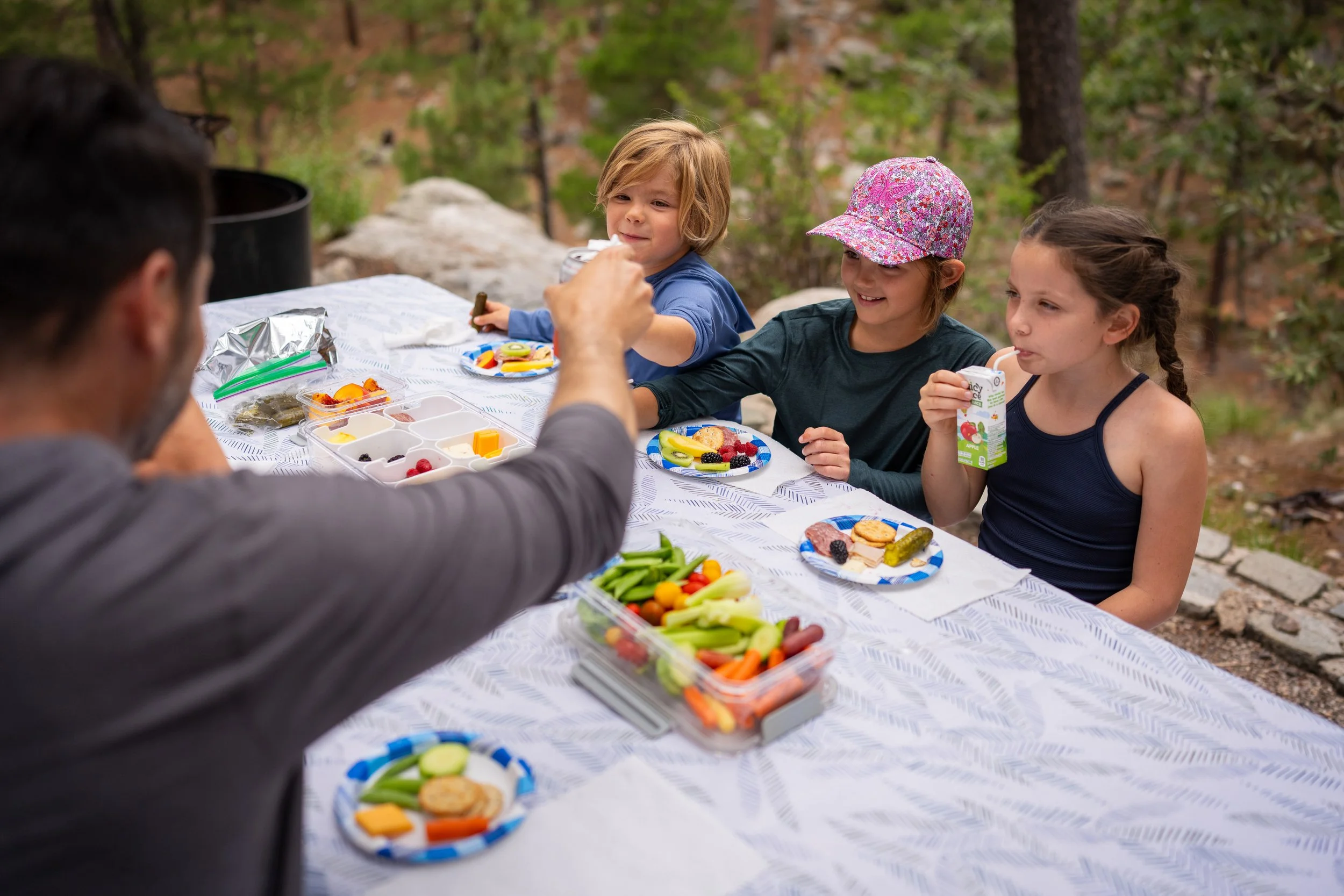
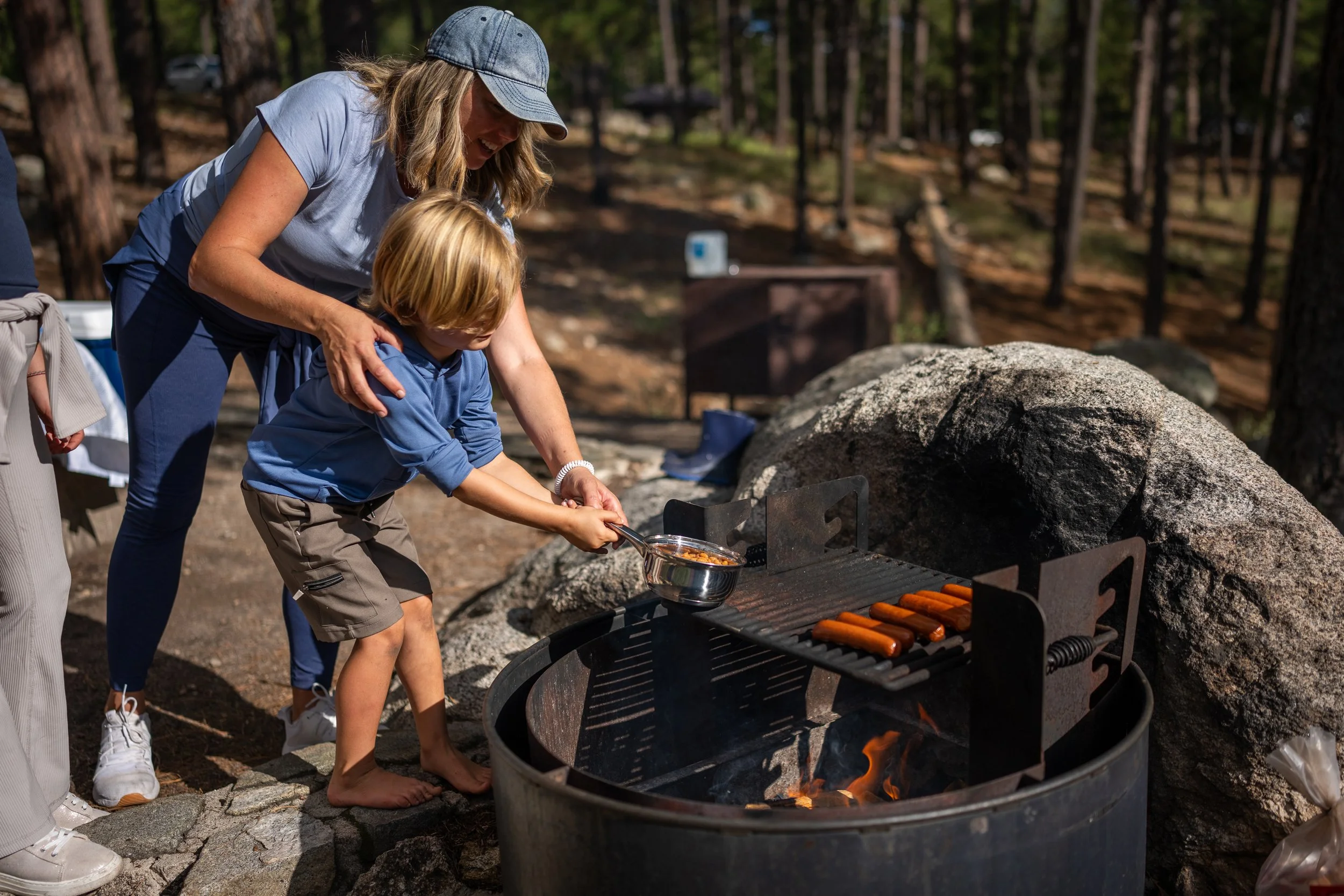
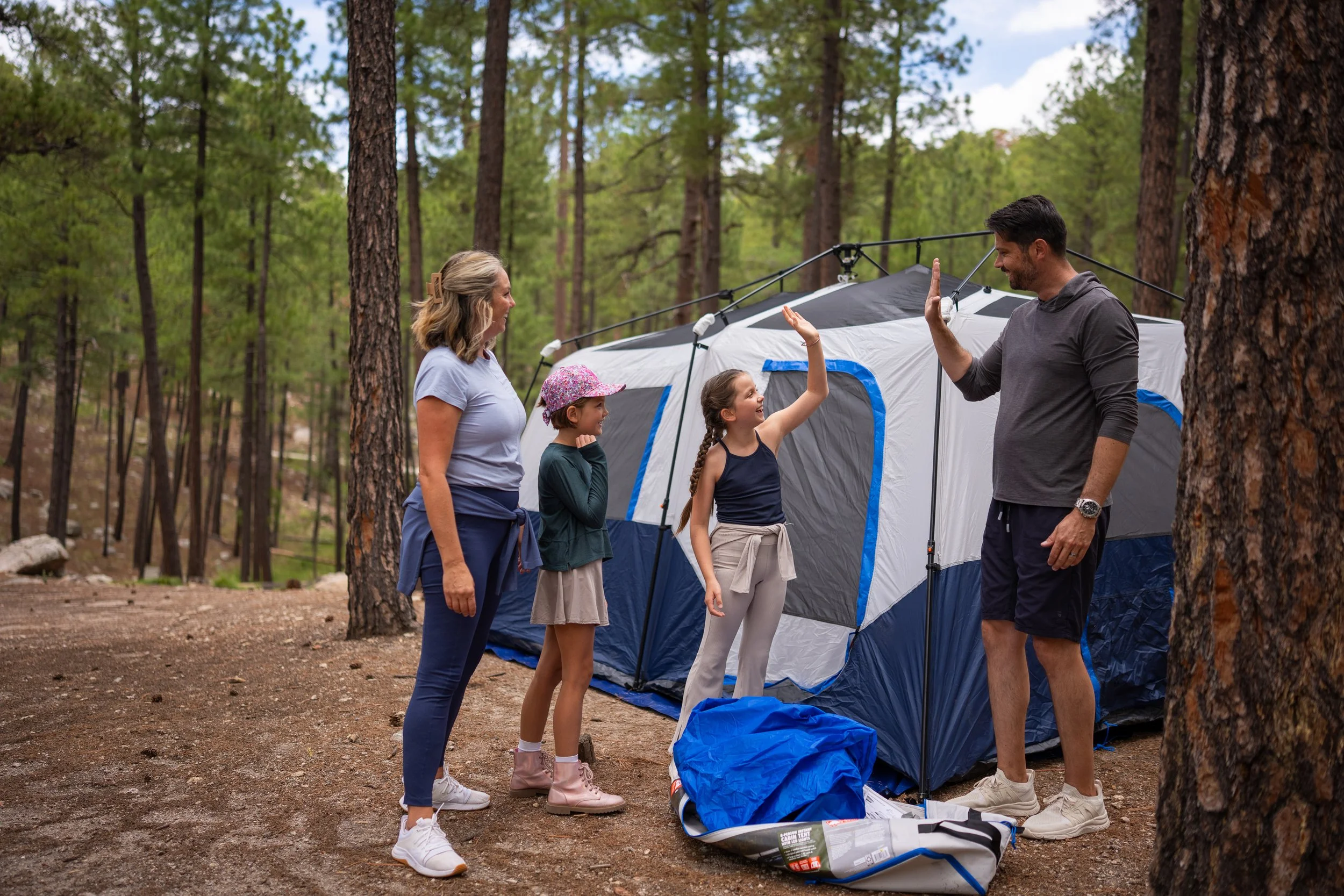
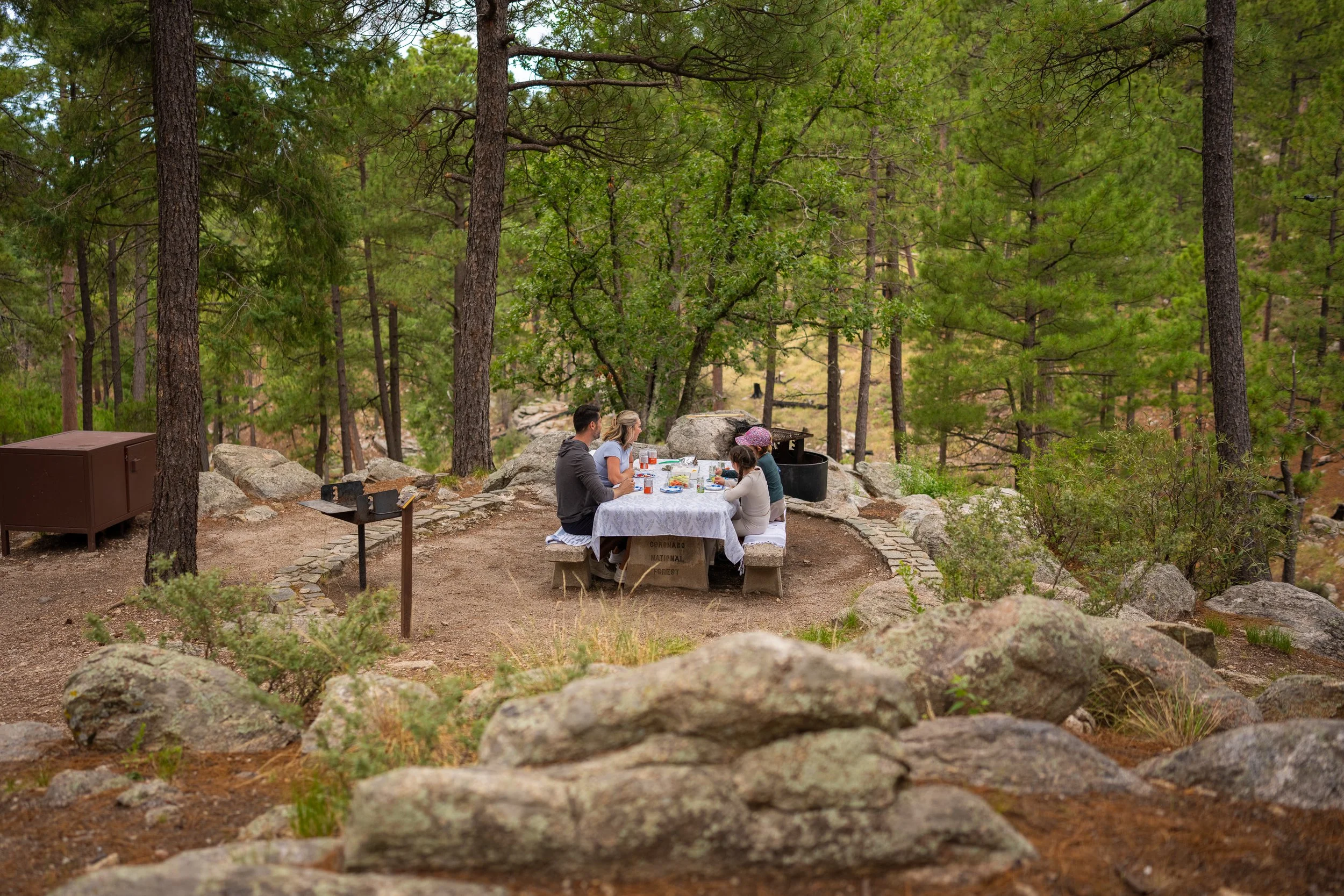
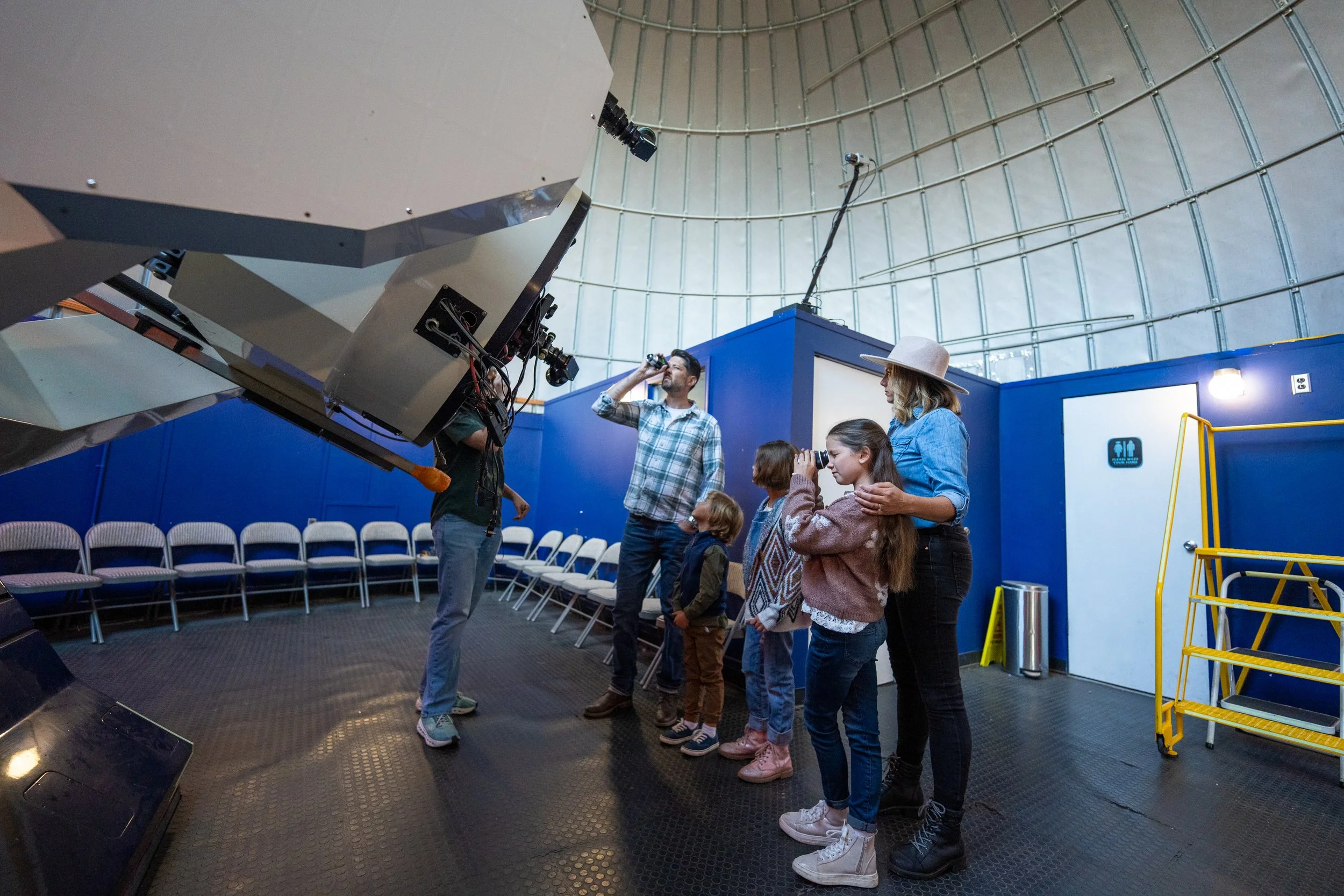
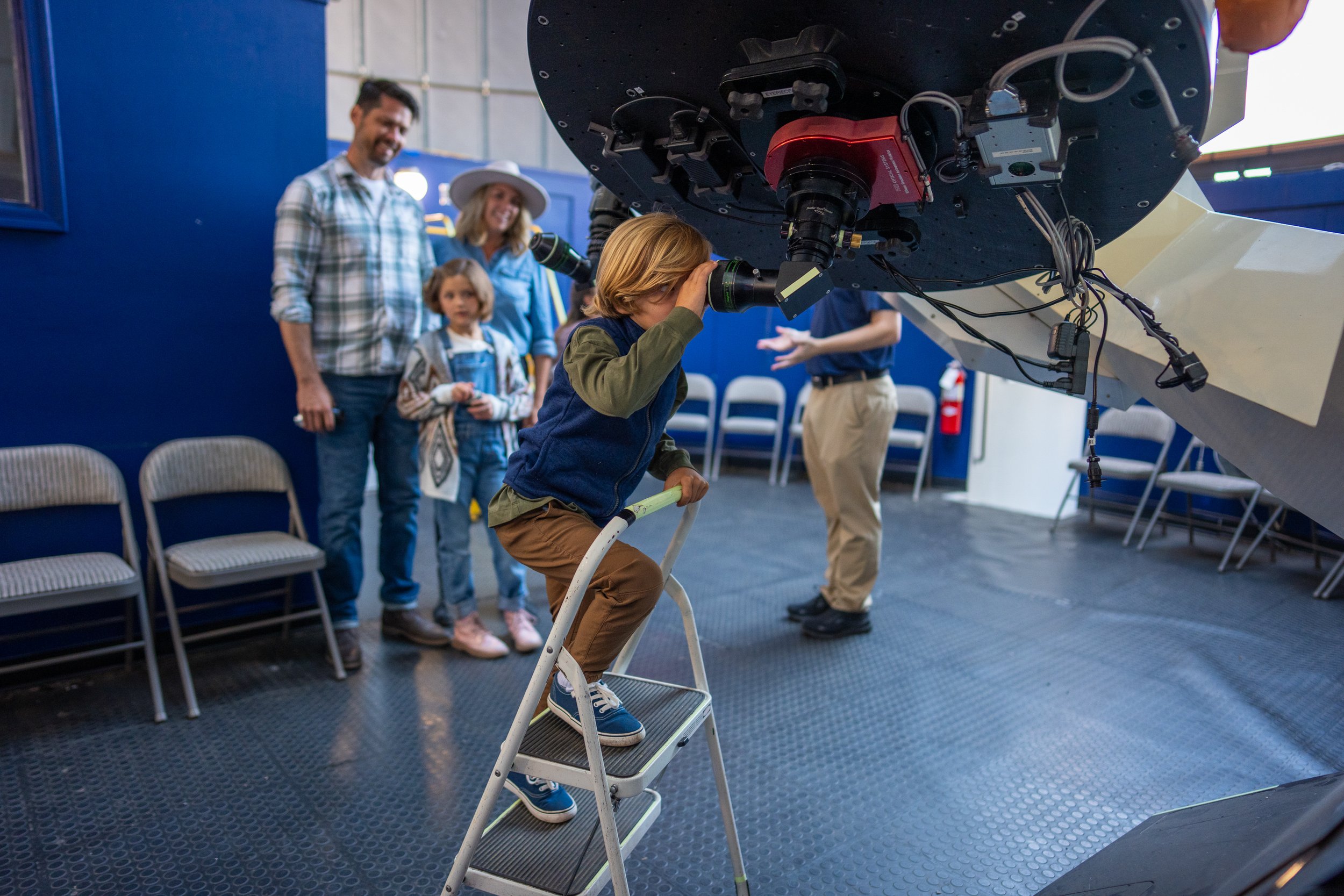
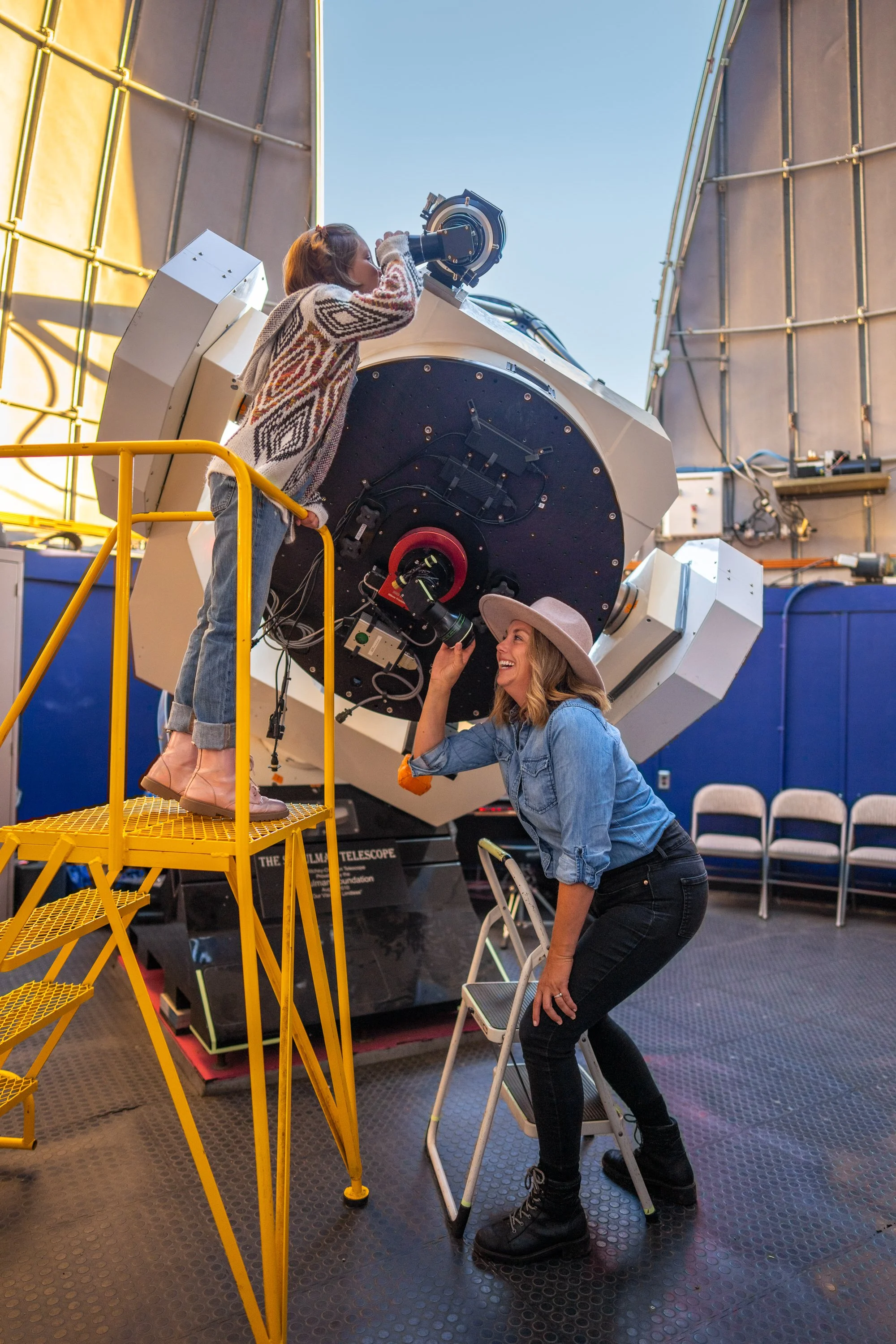
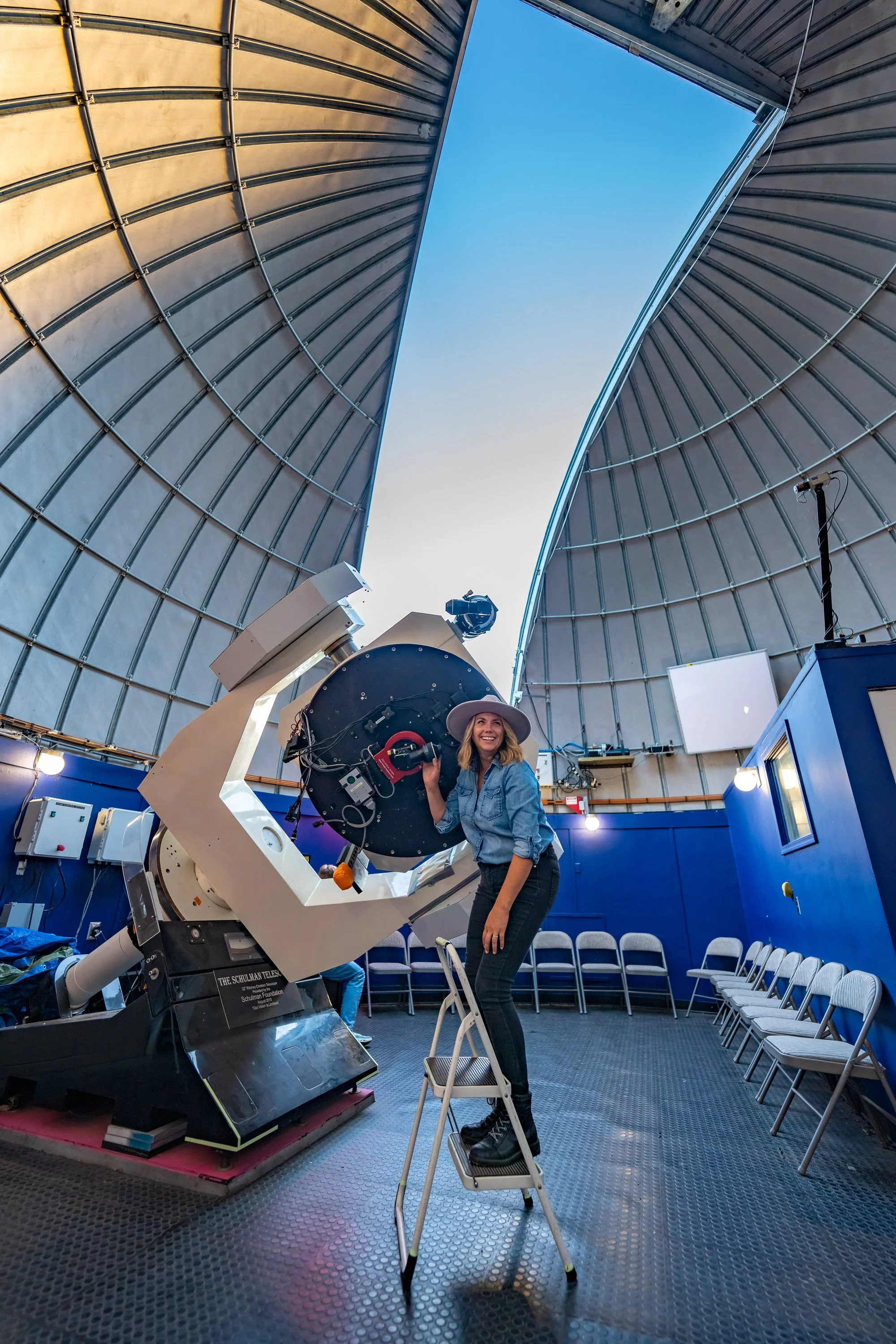
Camp cooking fills the afternoon with firelight and the soft clink of metal utensils. When evening comes, we make the climb to the Mount Lemmon SkyCenter. The air grows colder as the stars blink into view. Inside, we gather around the main telescope, which is the largest telescope in the United States dedicated exclusively to public use. It scans more than 800 square degrees of sky each night and detects over a thousand near-Earth asteroids. Its work is quiet but significant
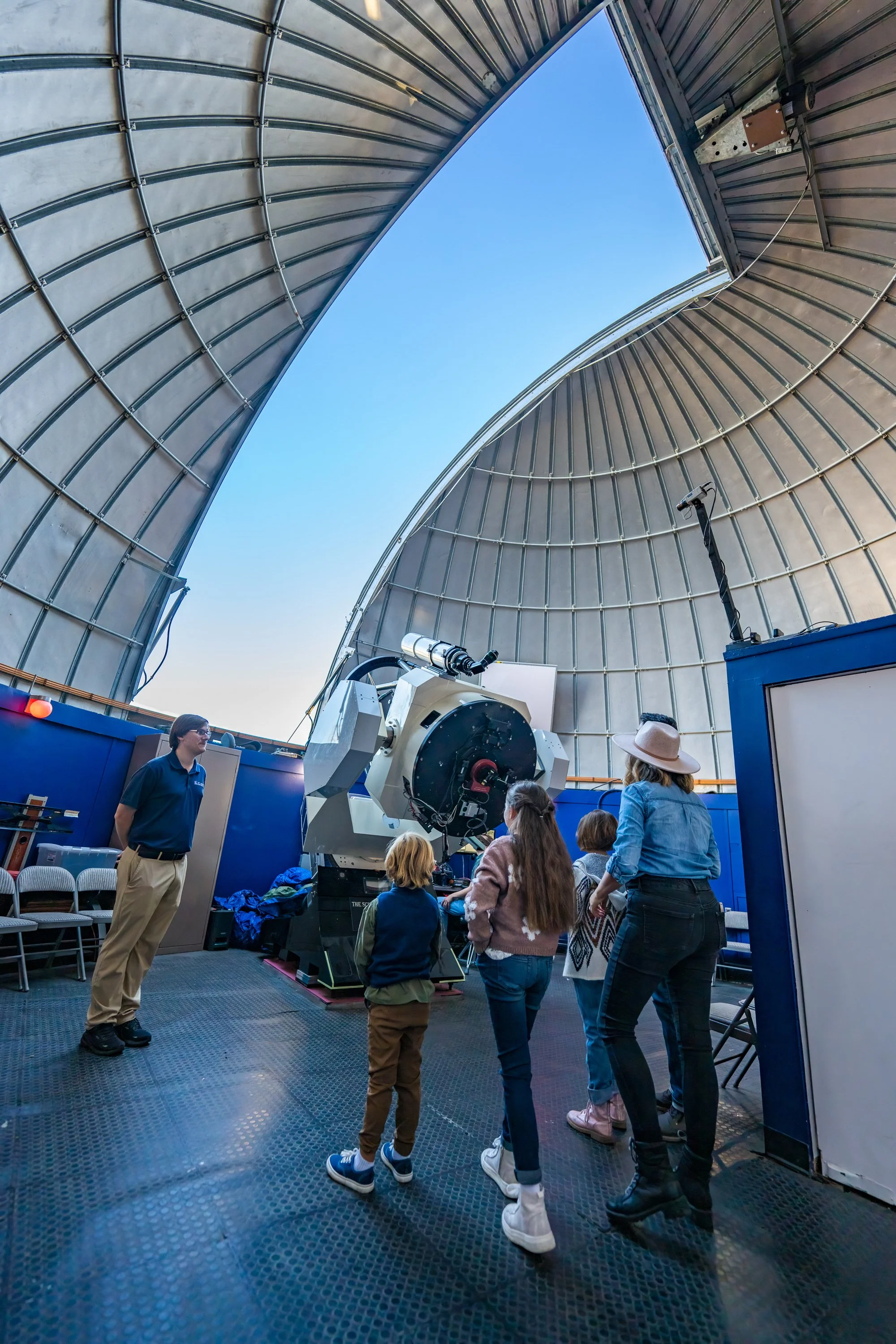
Here, in this protected dark sky preserve, cell phones stay dark. Car headlights stay off. Only red flashlights guide the way. Through the telescope, Saturn hangs in crisp detail, its rings sharp in the blackness. A collective breath goes still. It feels unreal to witness something so far away with such clarity.
Our last days unfold within Tucson’s creative heartbeat.
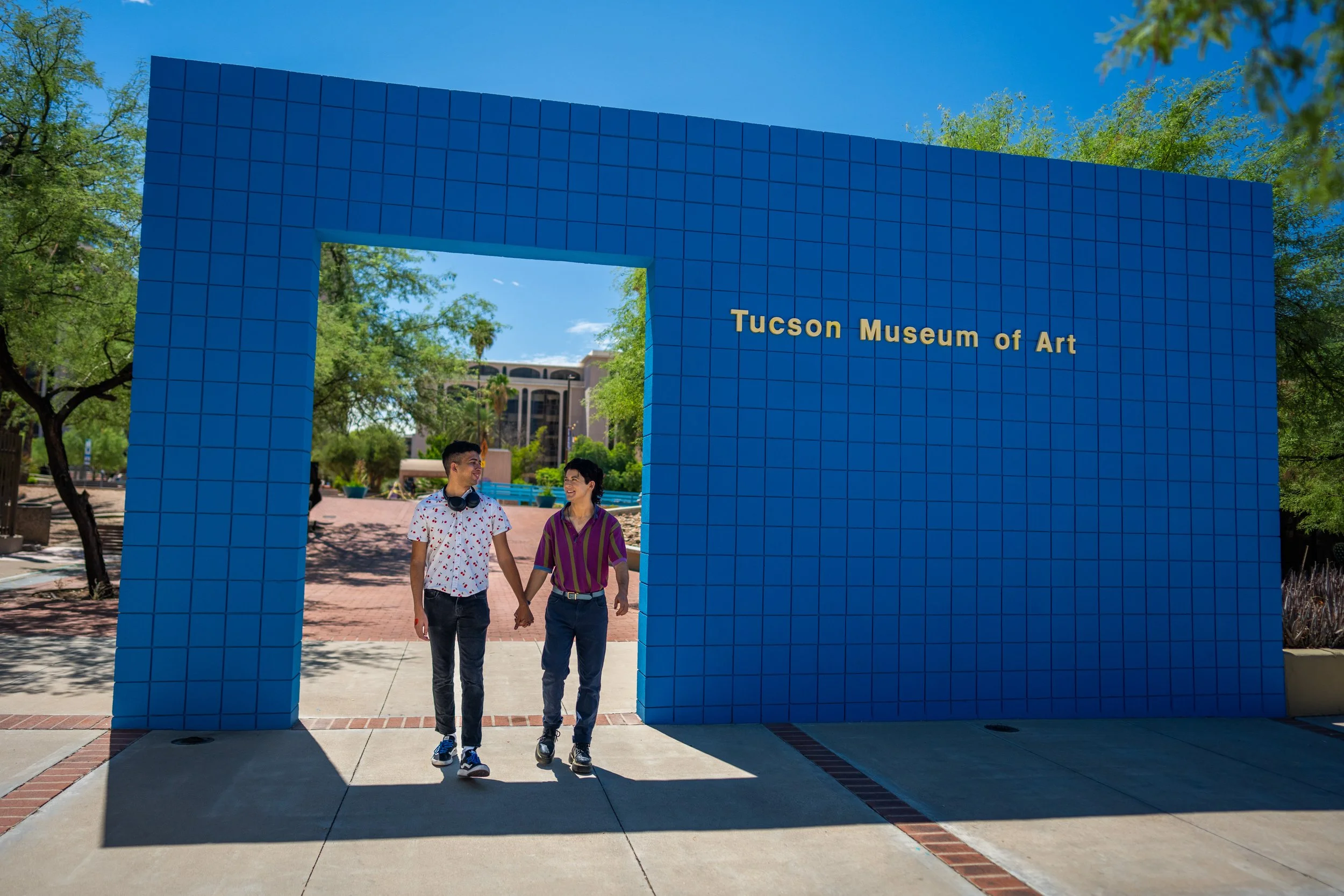
At the Tucson Museum of Art, hallways glow with color. Galleries open into courtyards lined with textured adobe and blooming plants.
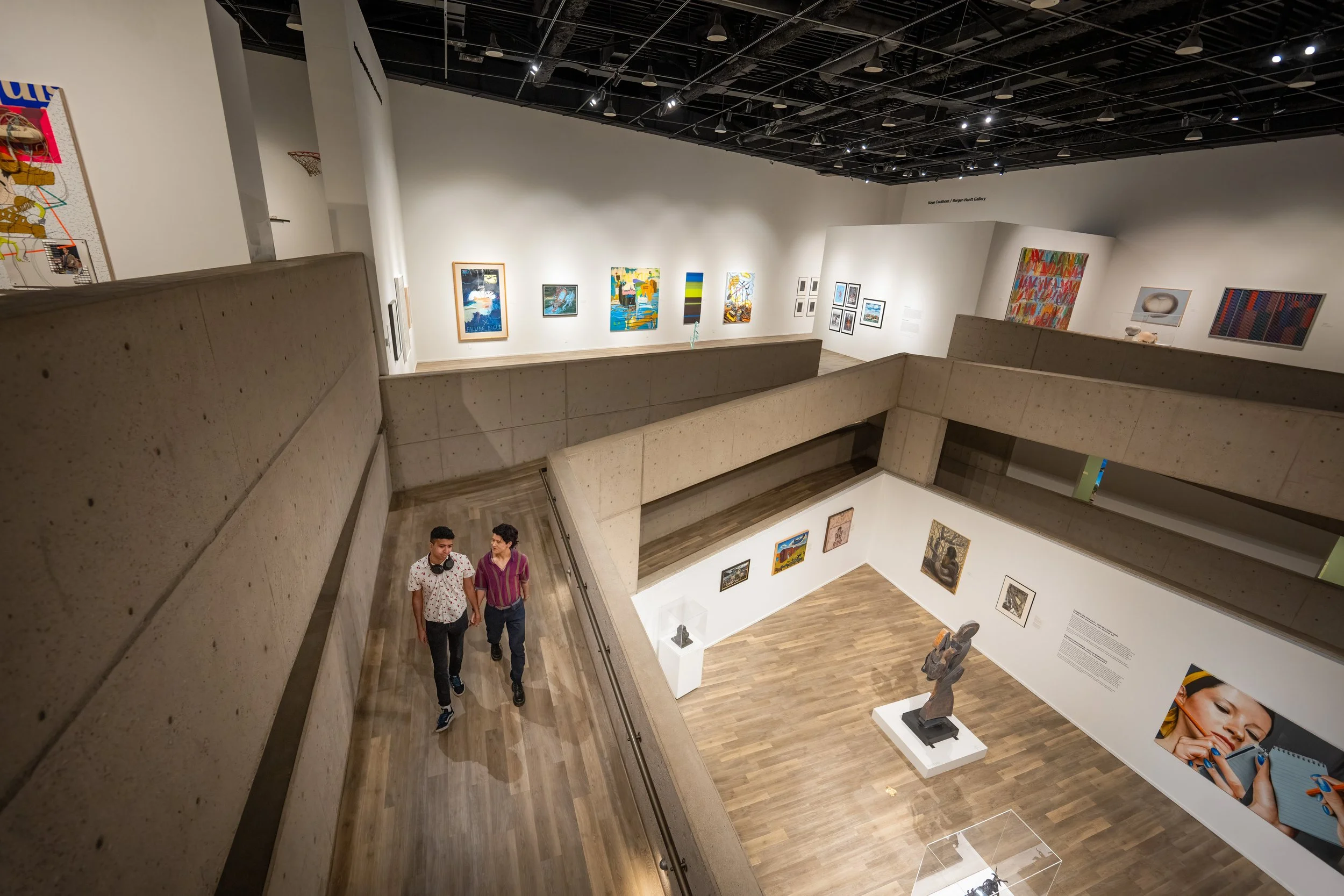
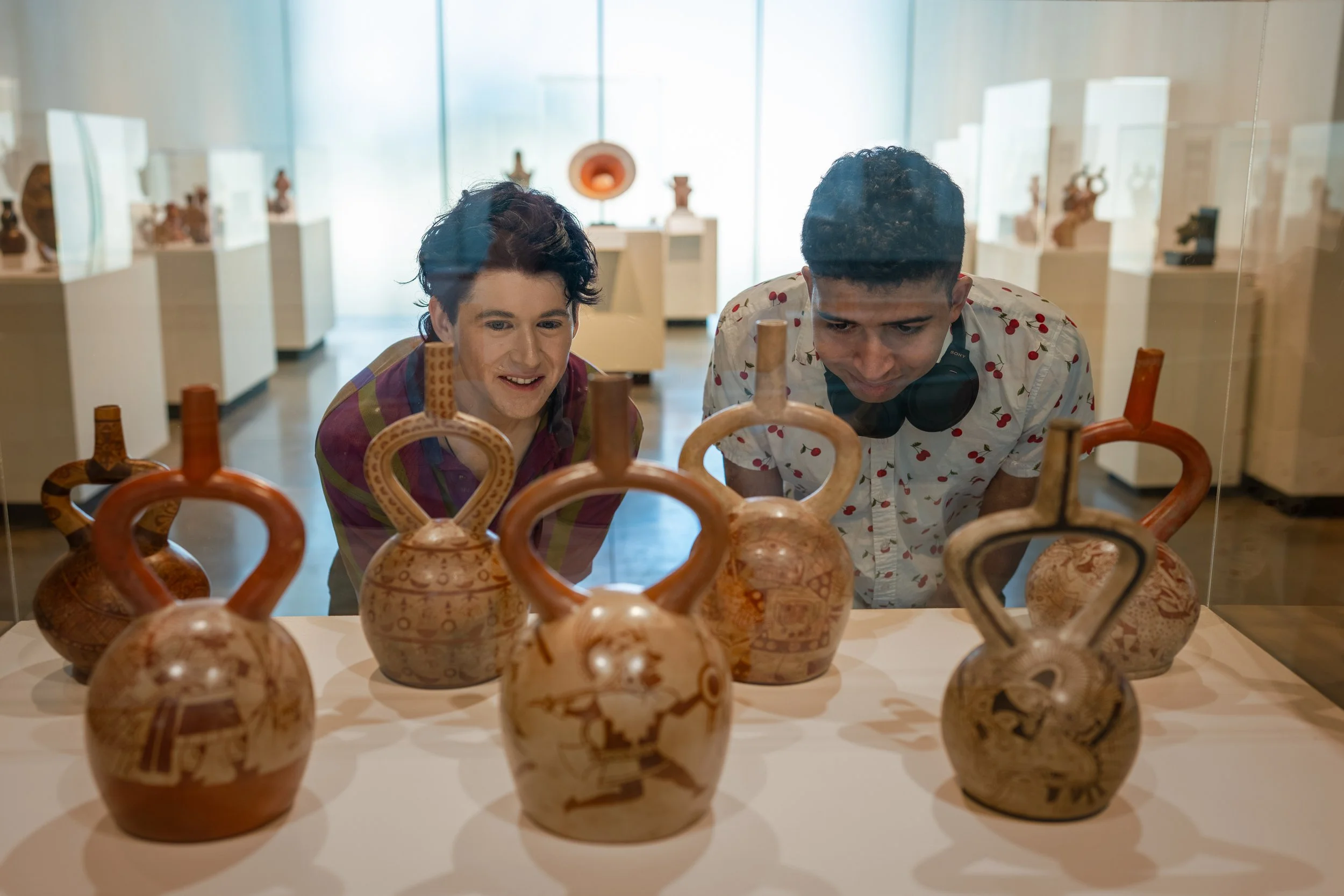
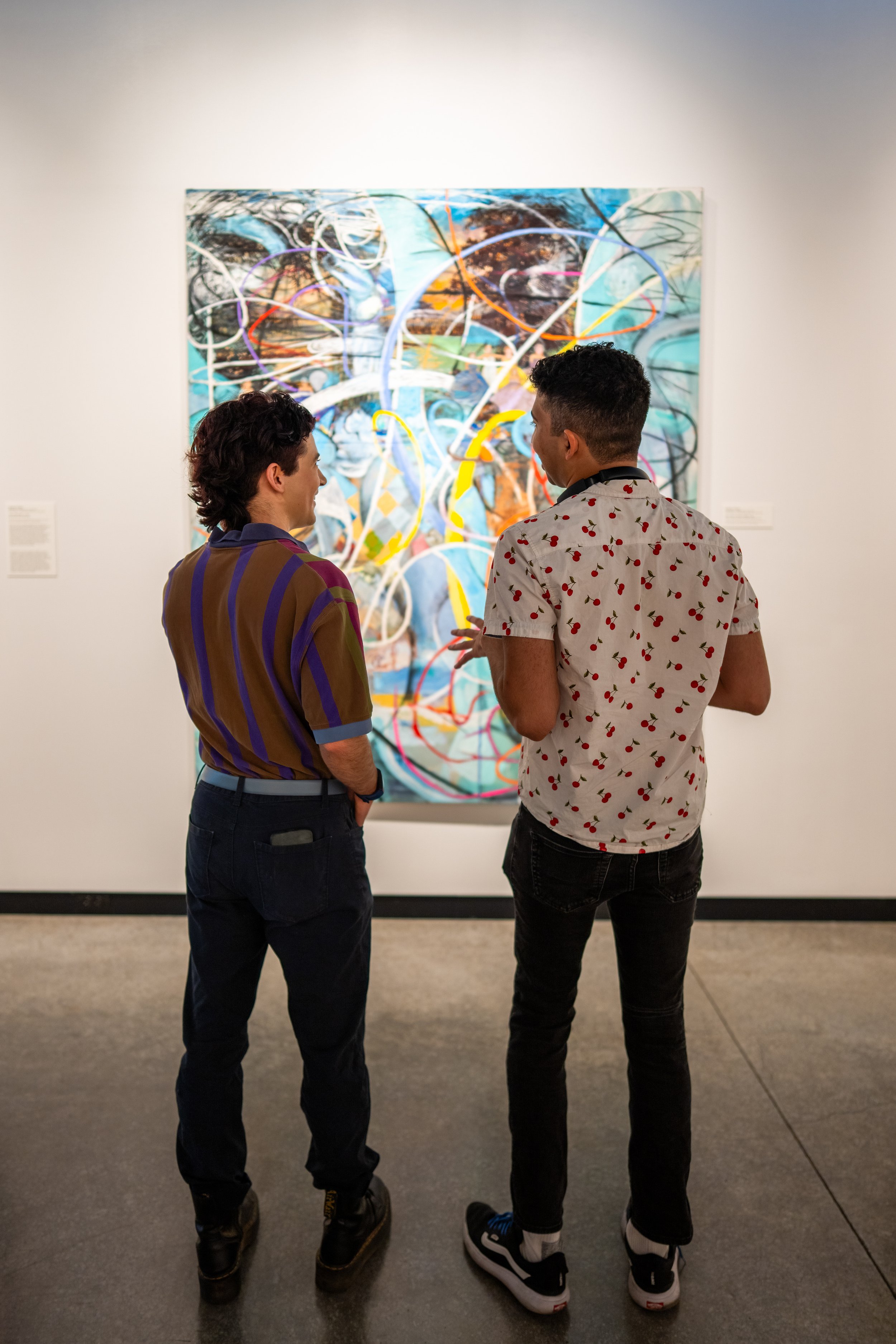
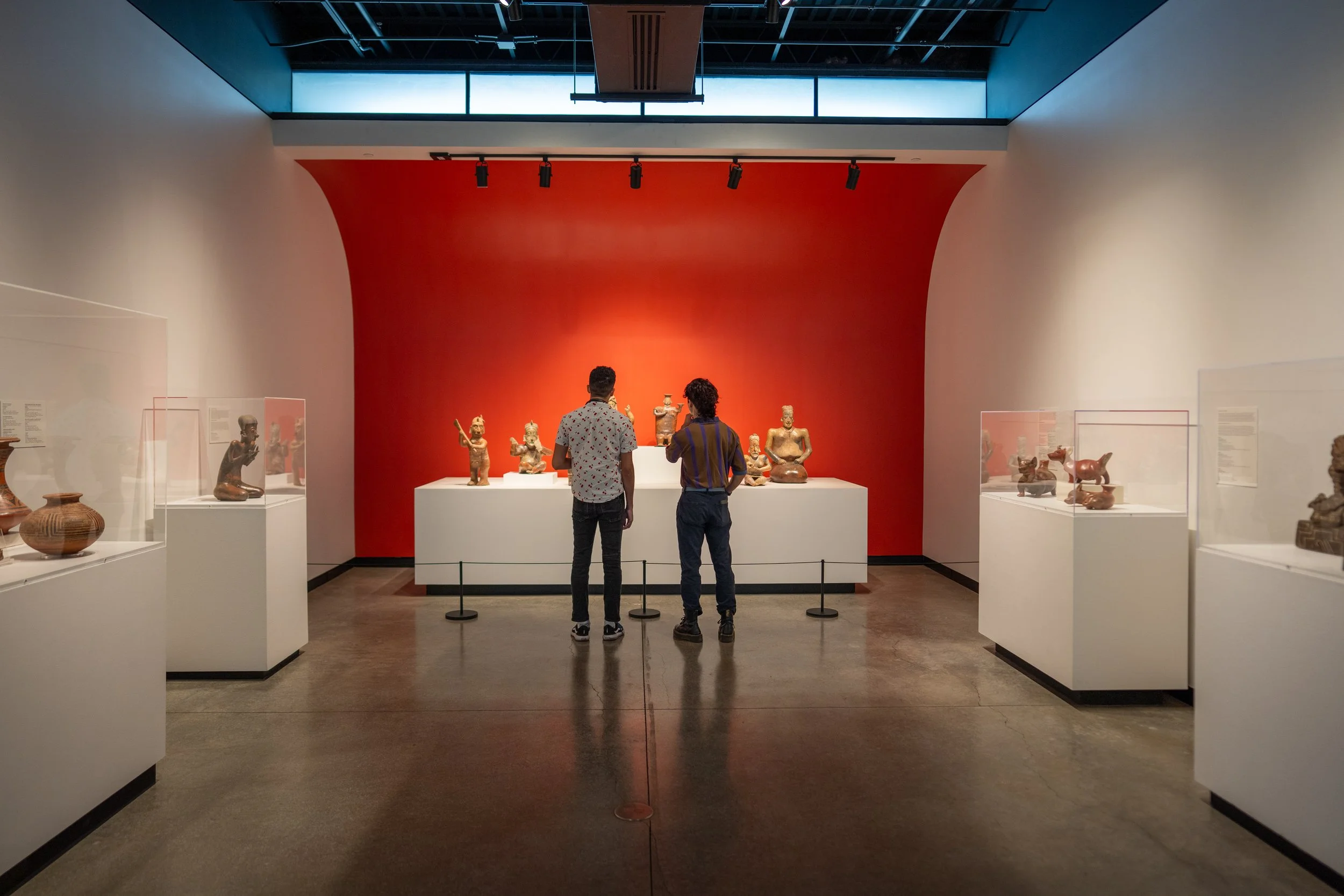

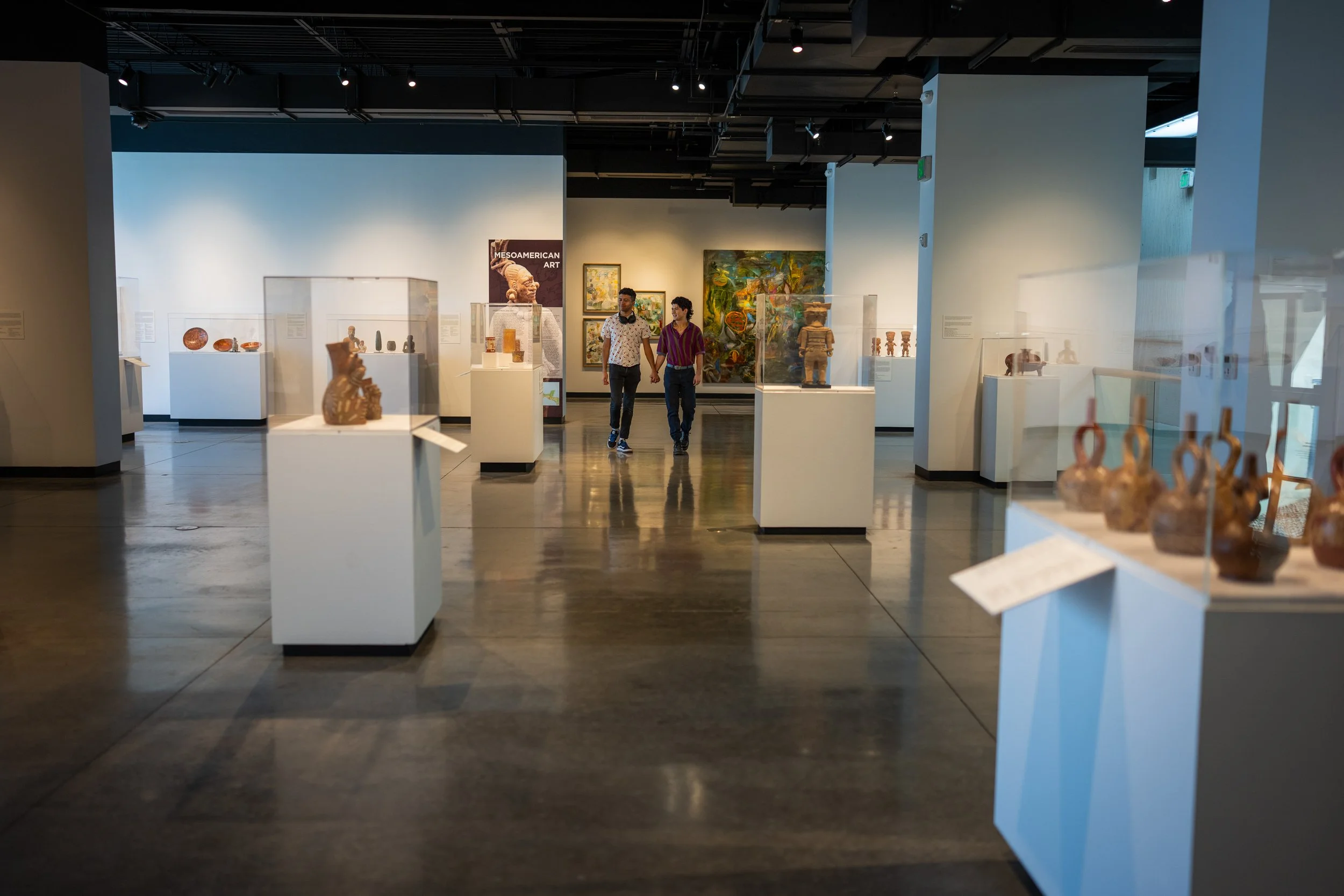
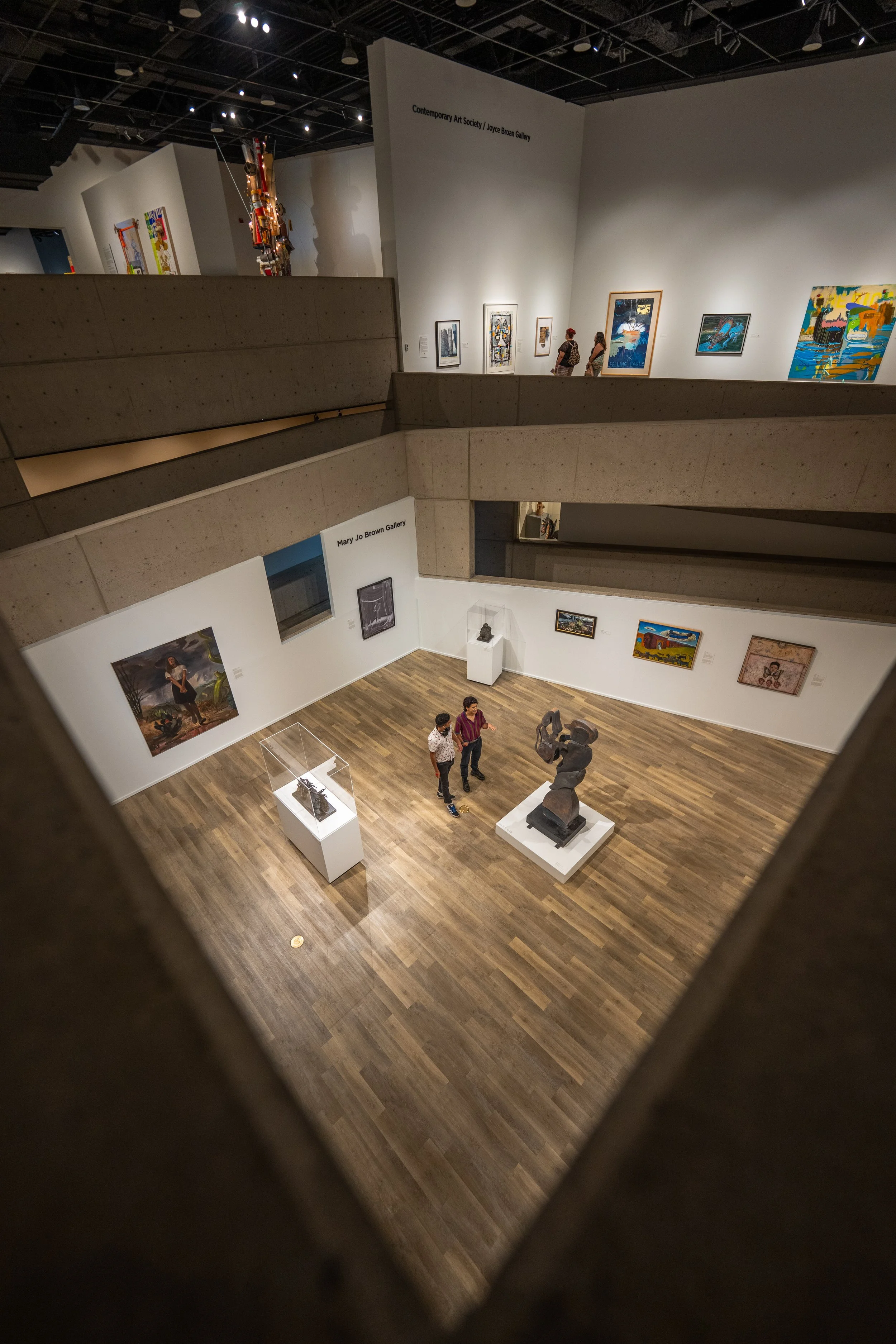
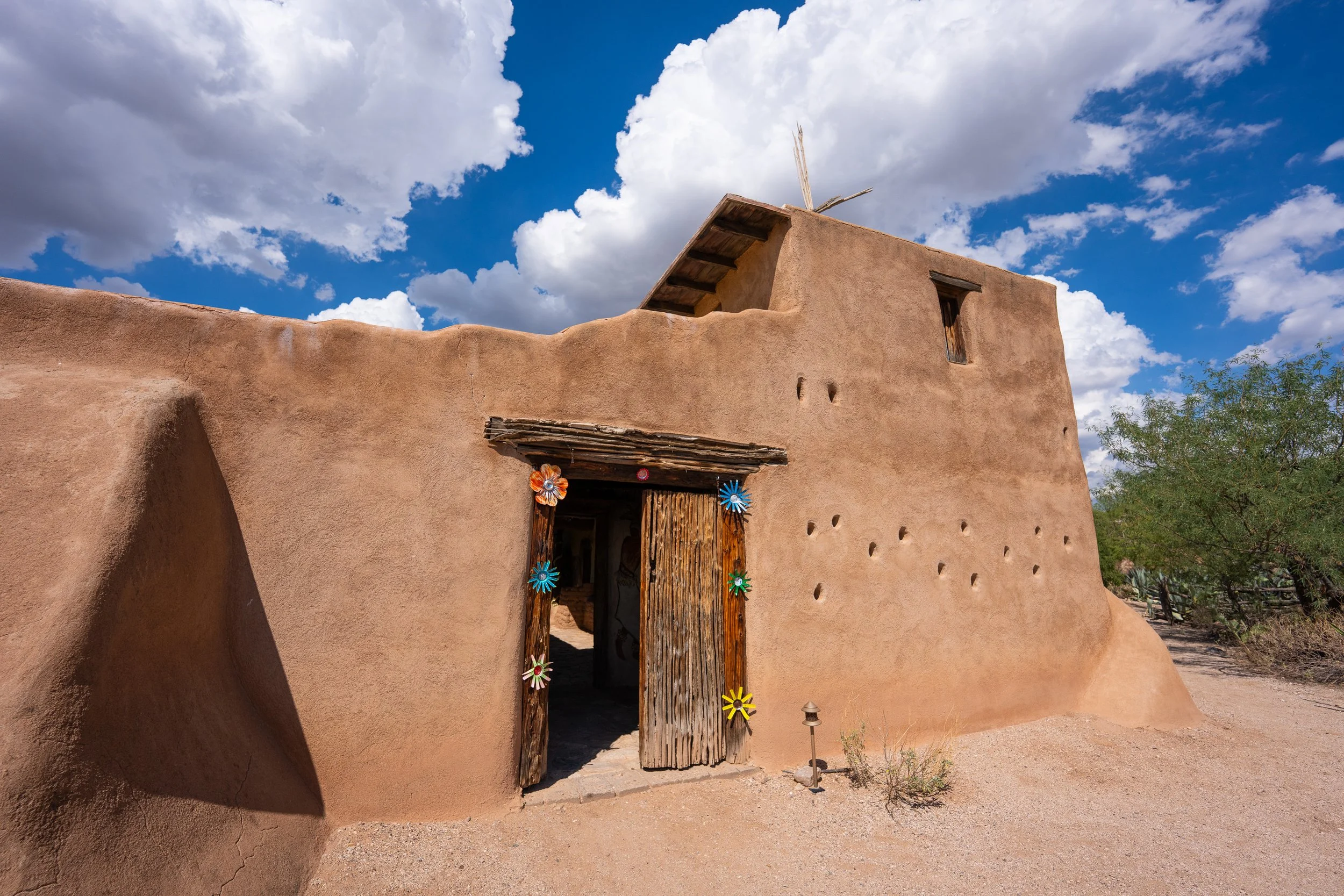
Across town The DeGrazia Gallery sits beneath tall, swaying palms and houses years of Southwestern art in bright, sun-washed rooms. Each space feels like its own small universe.
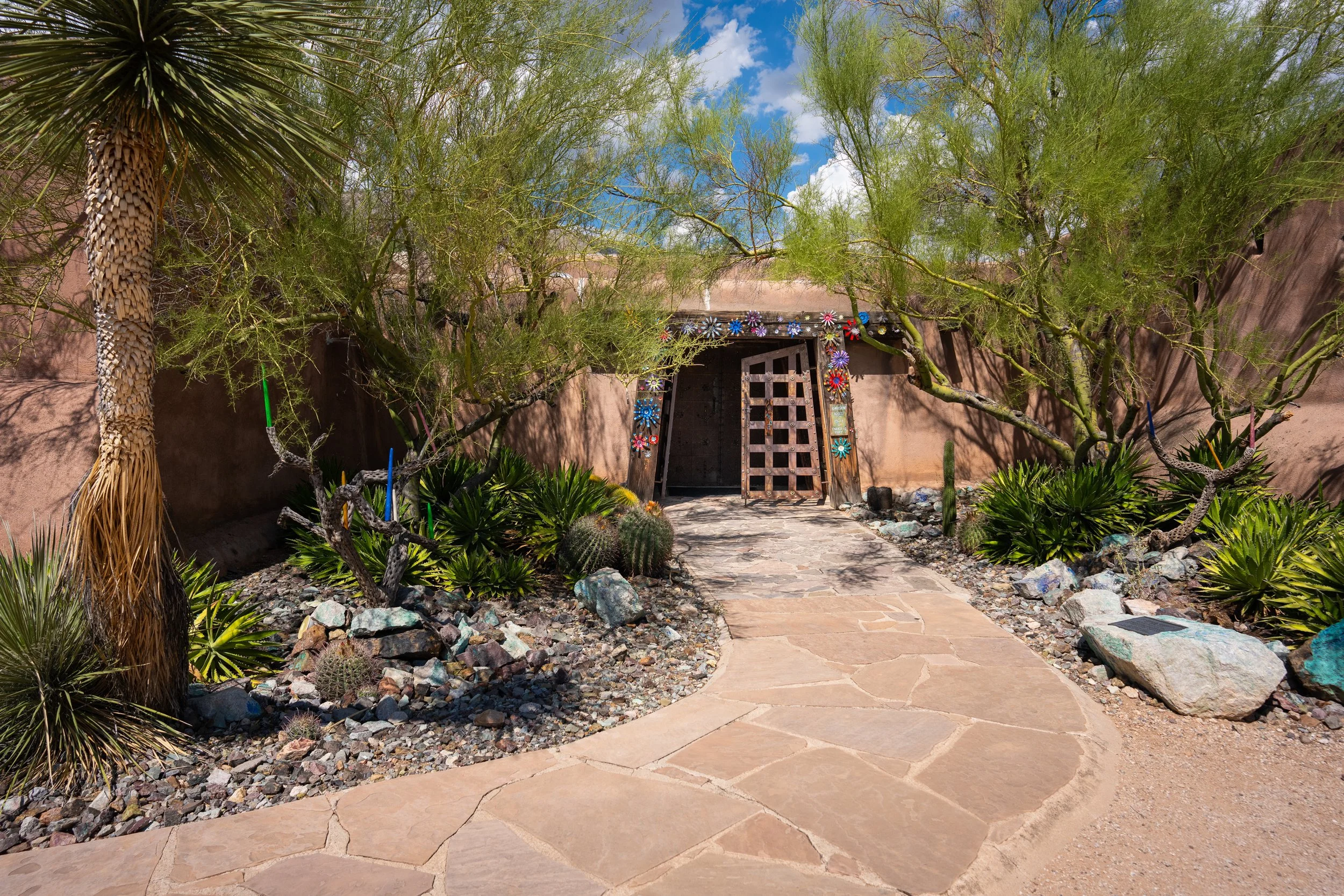
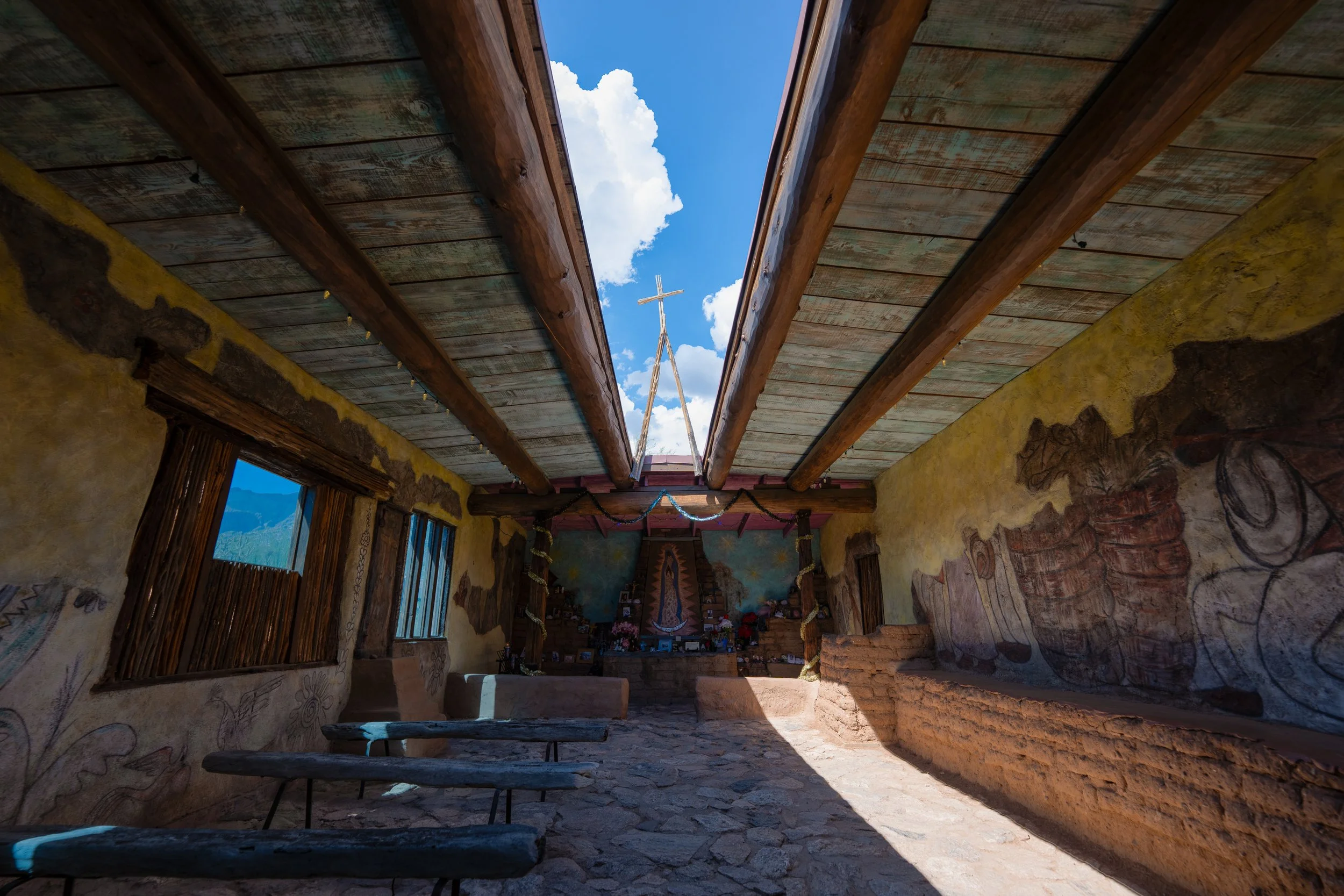
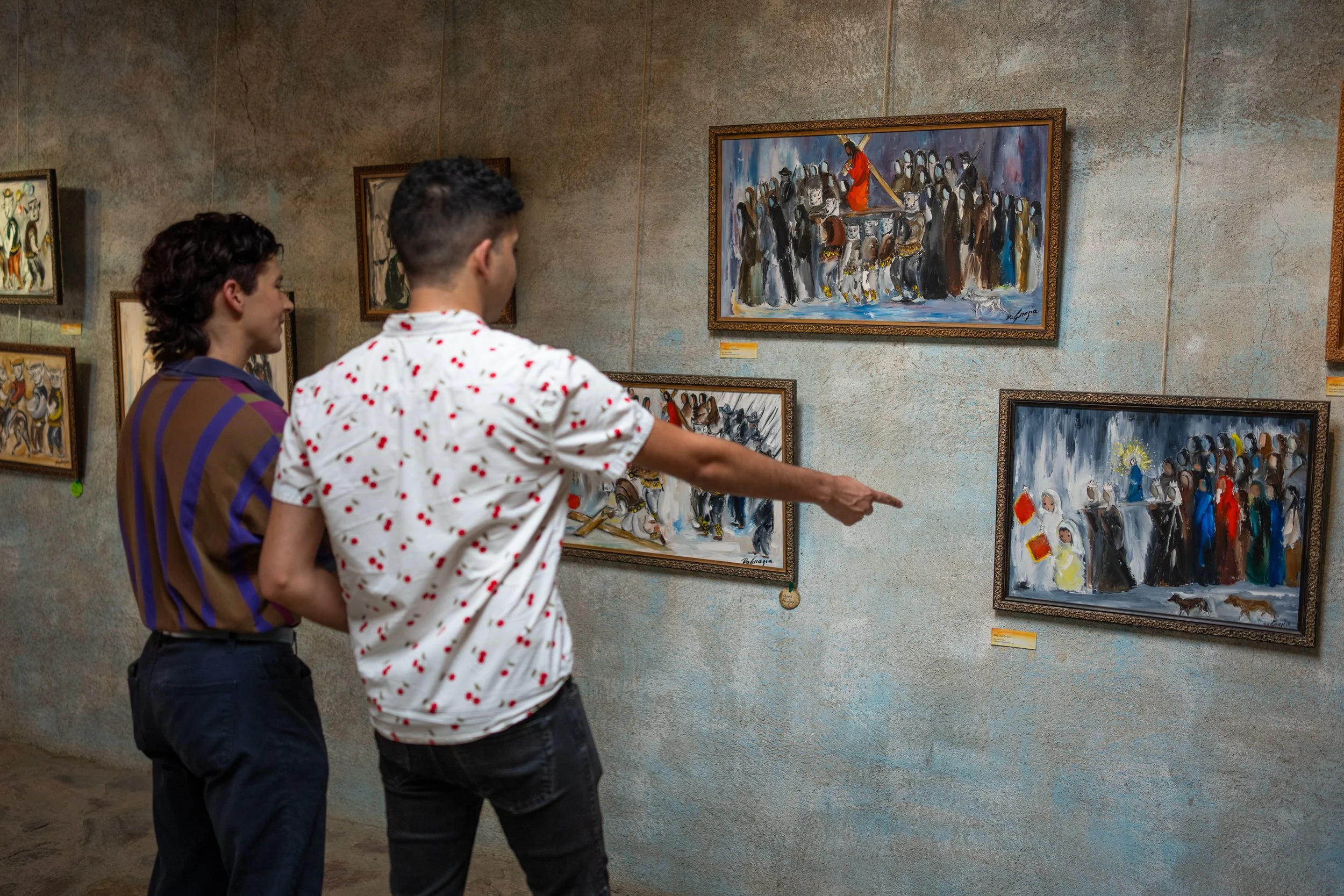
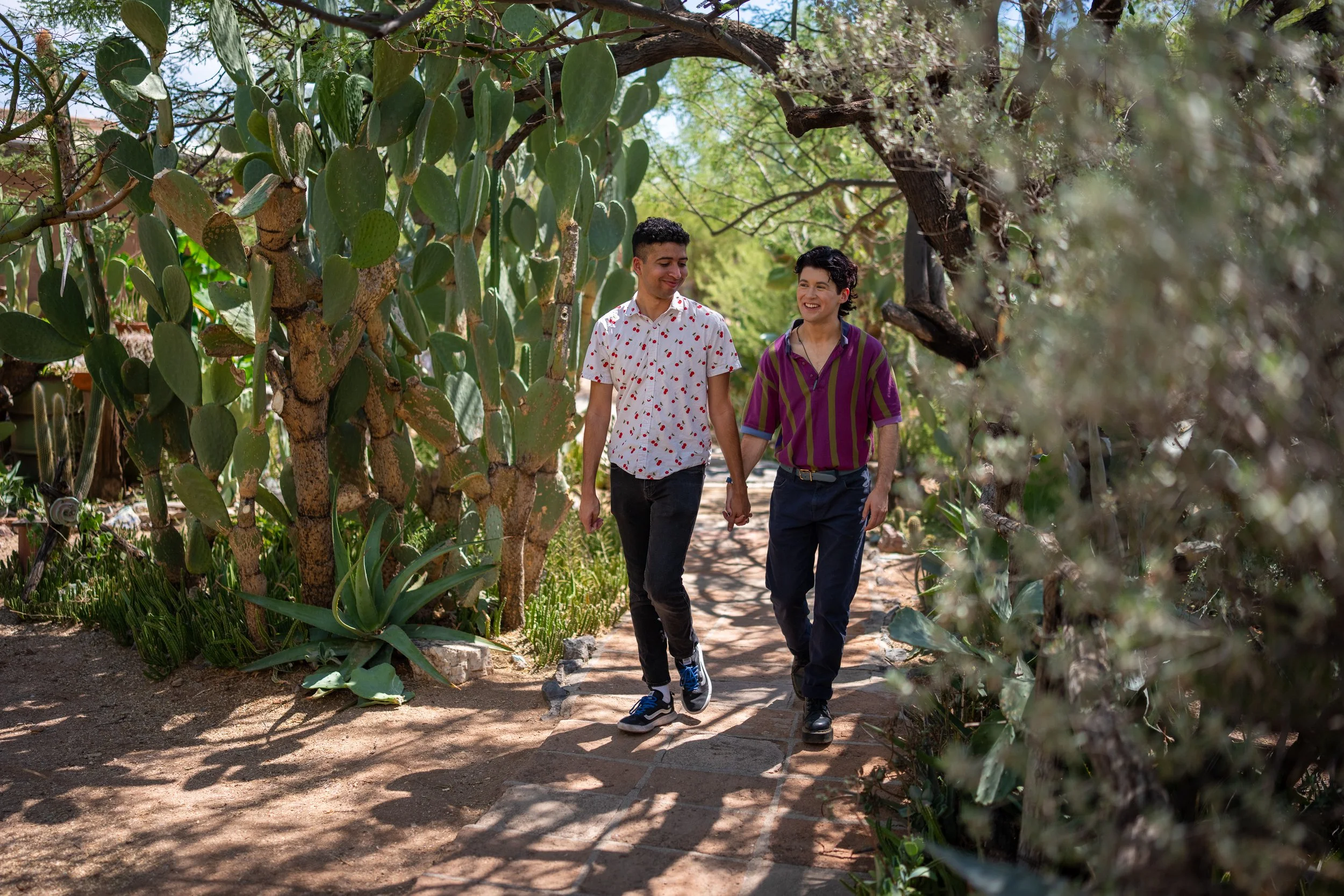
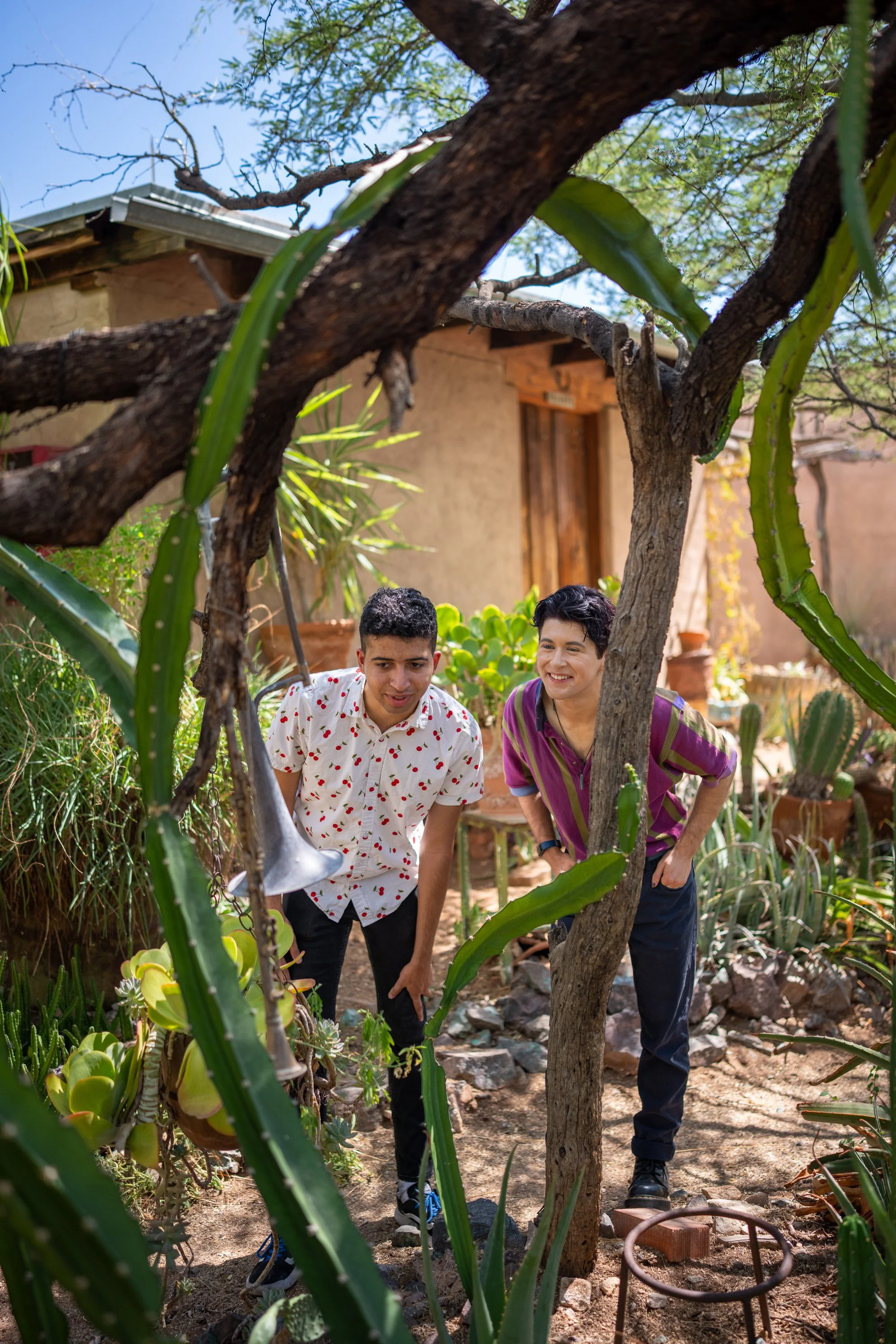
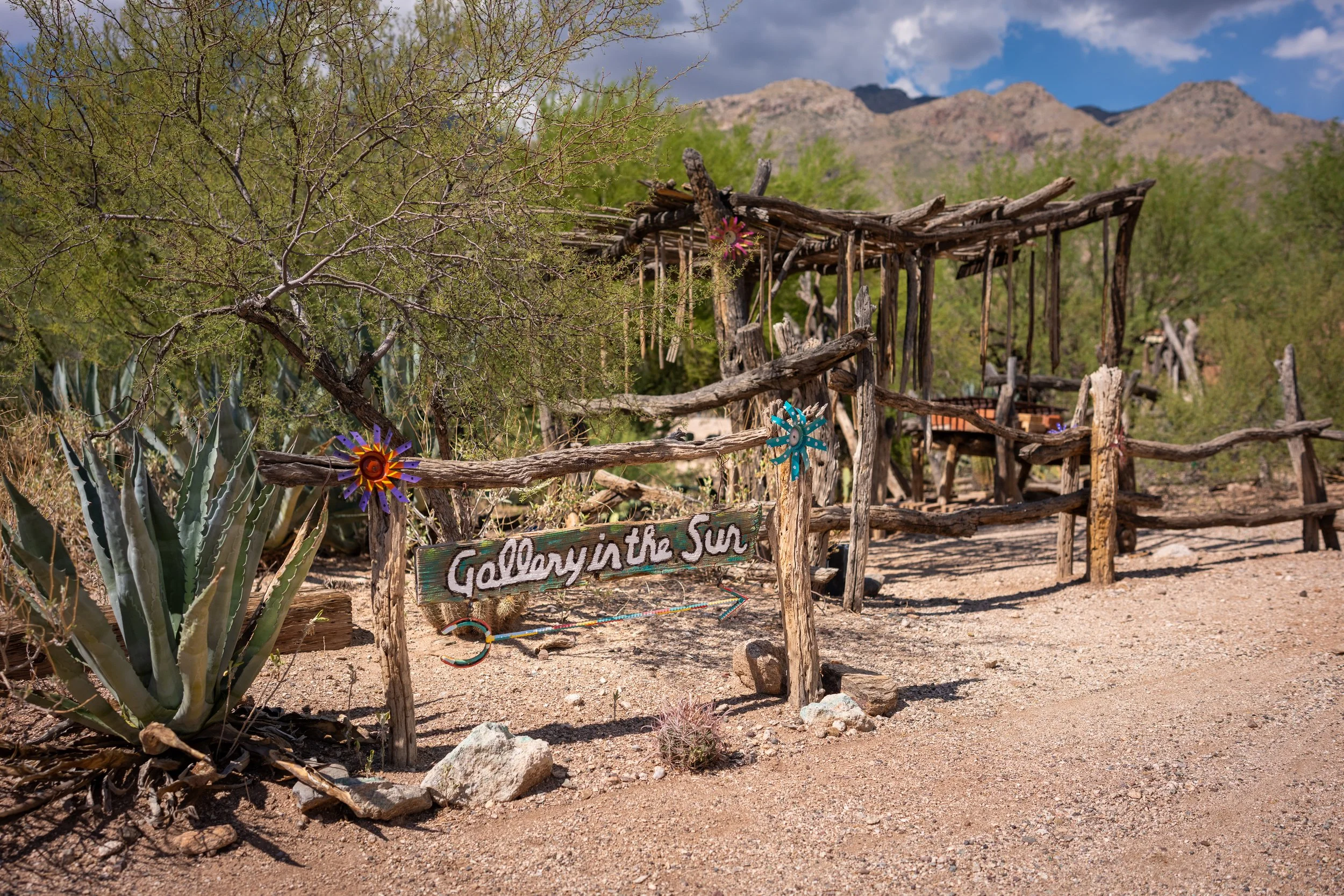
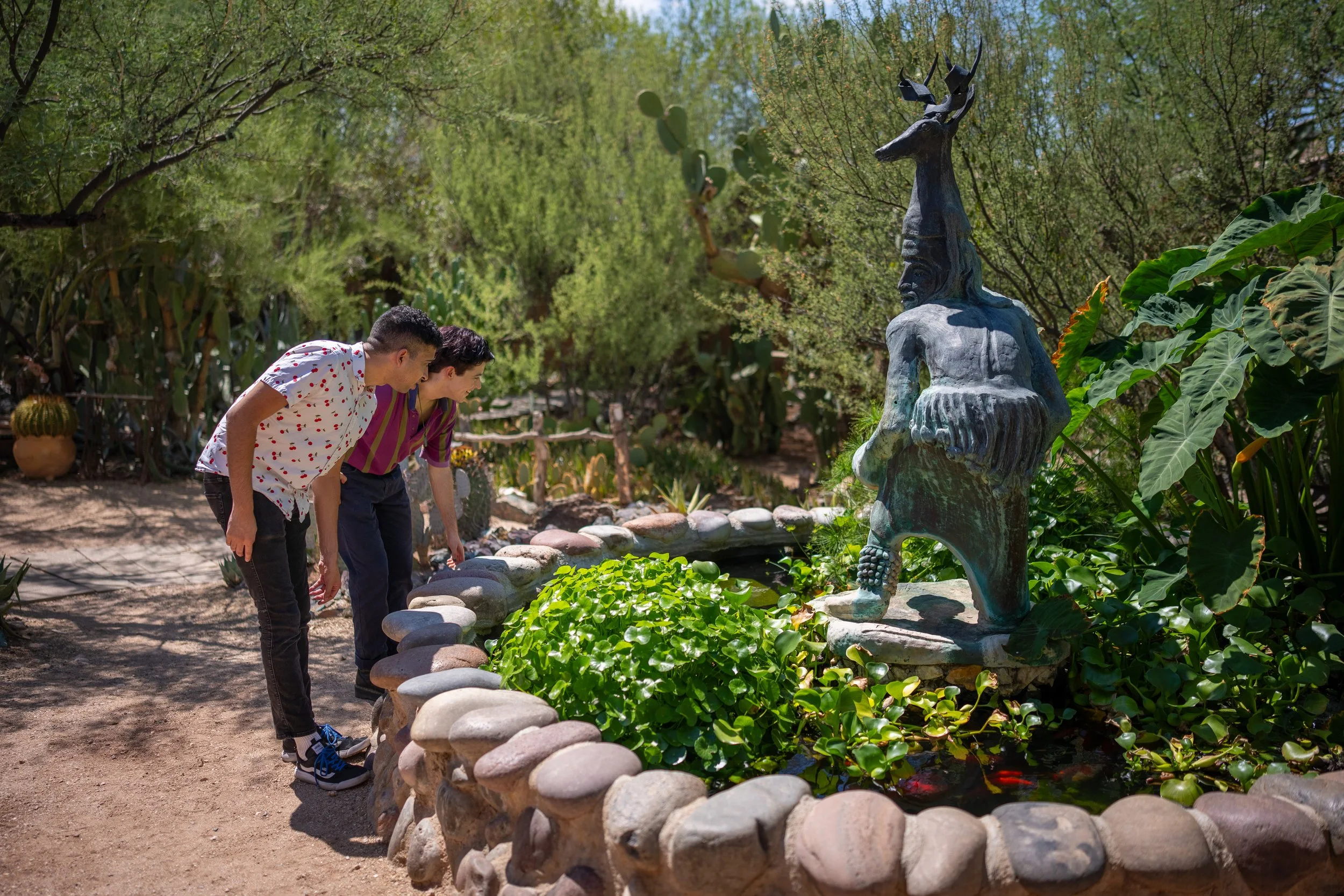
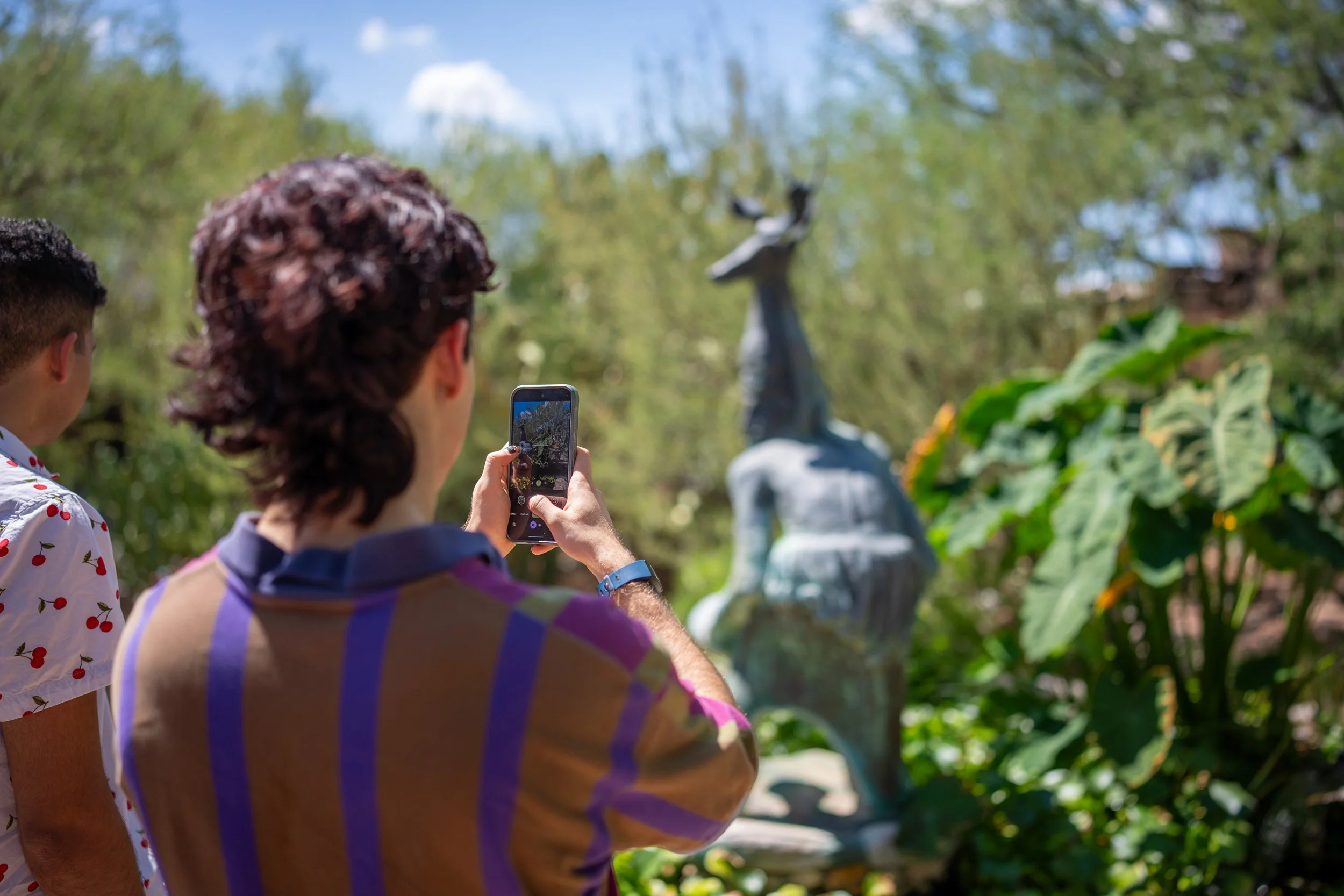
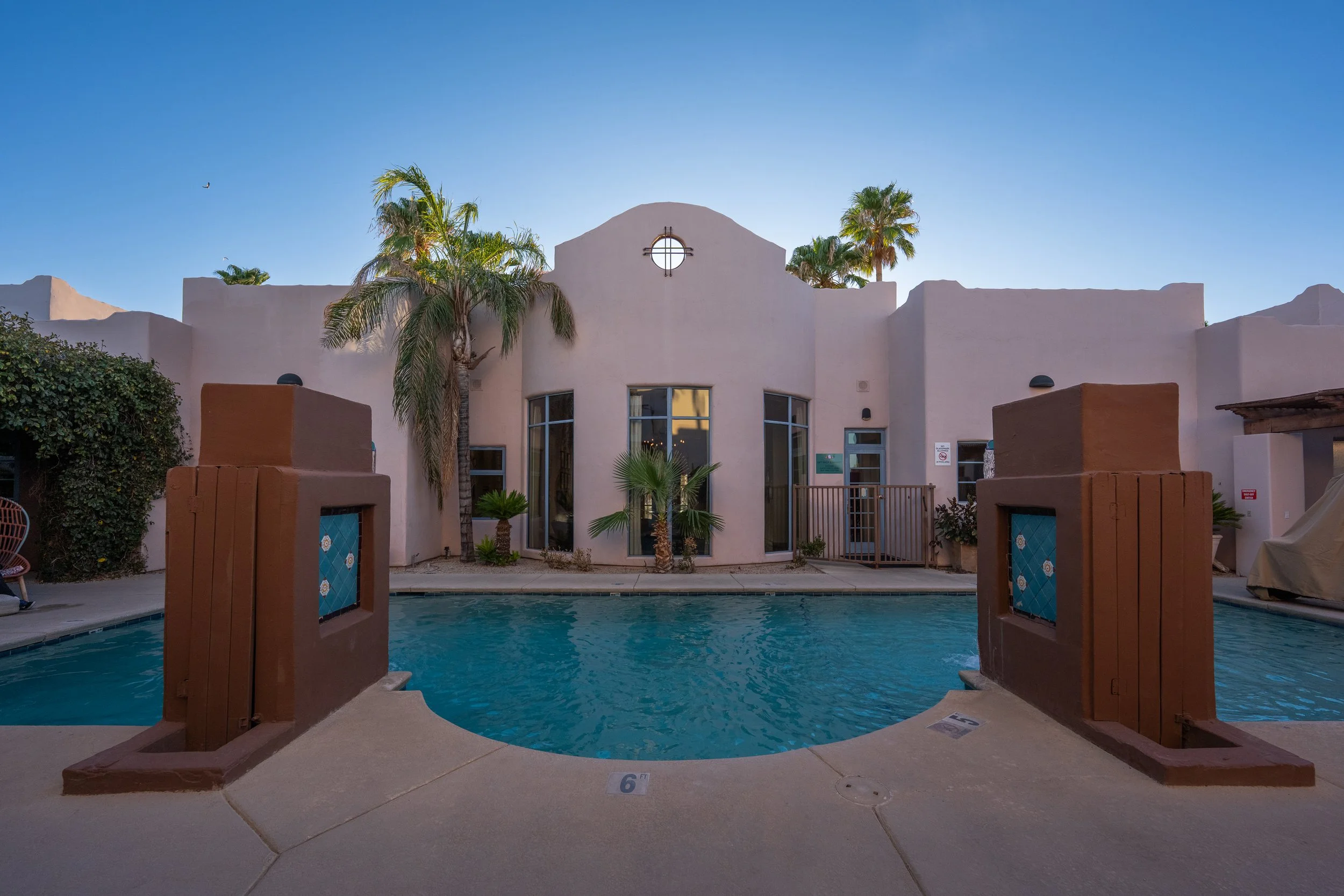
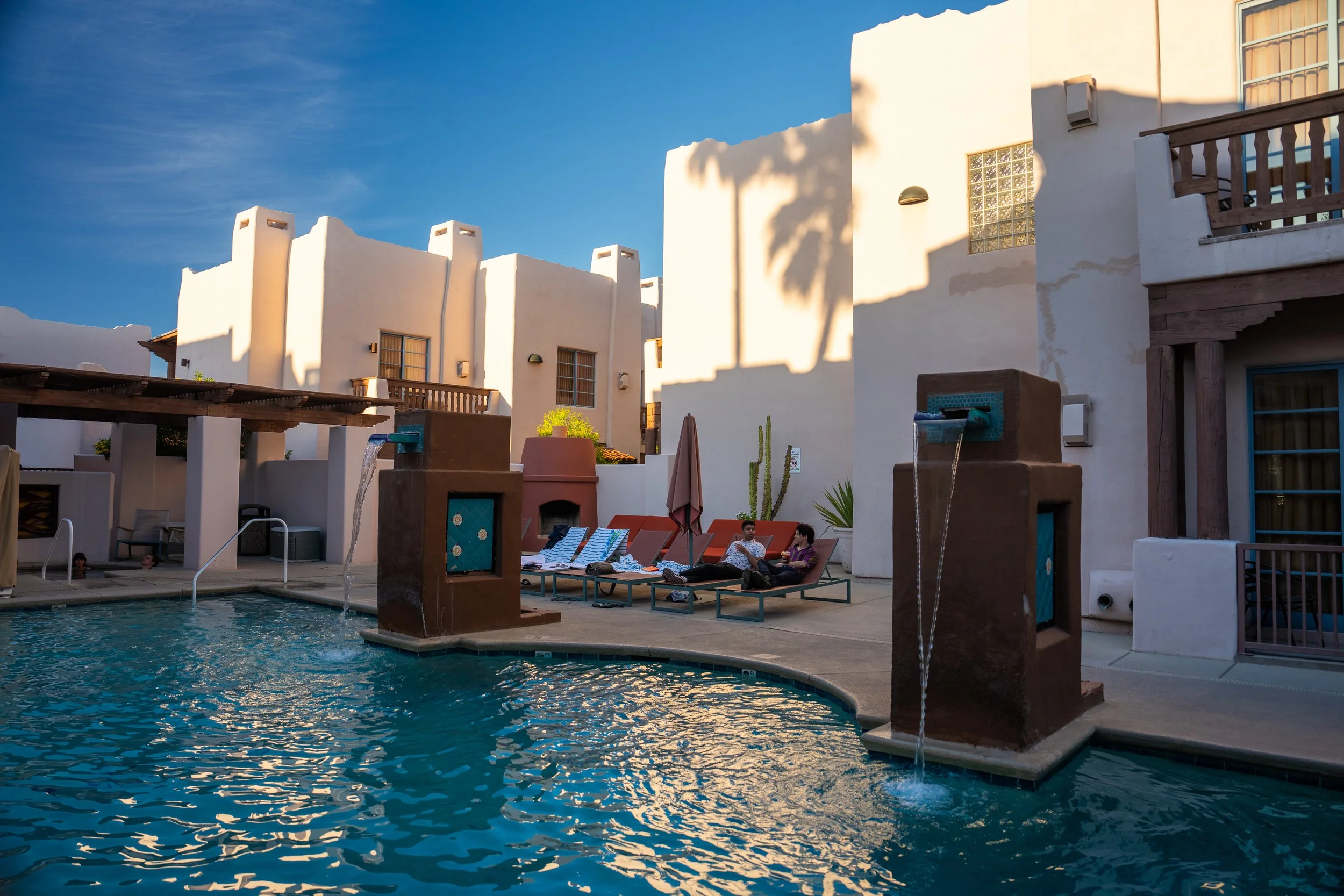
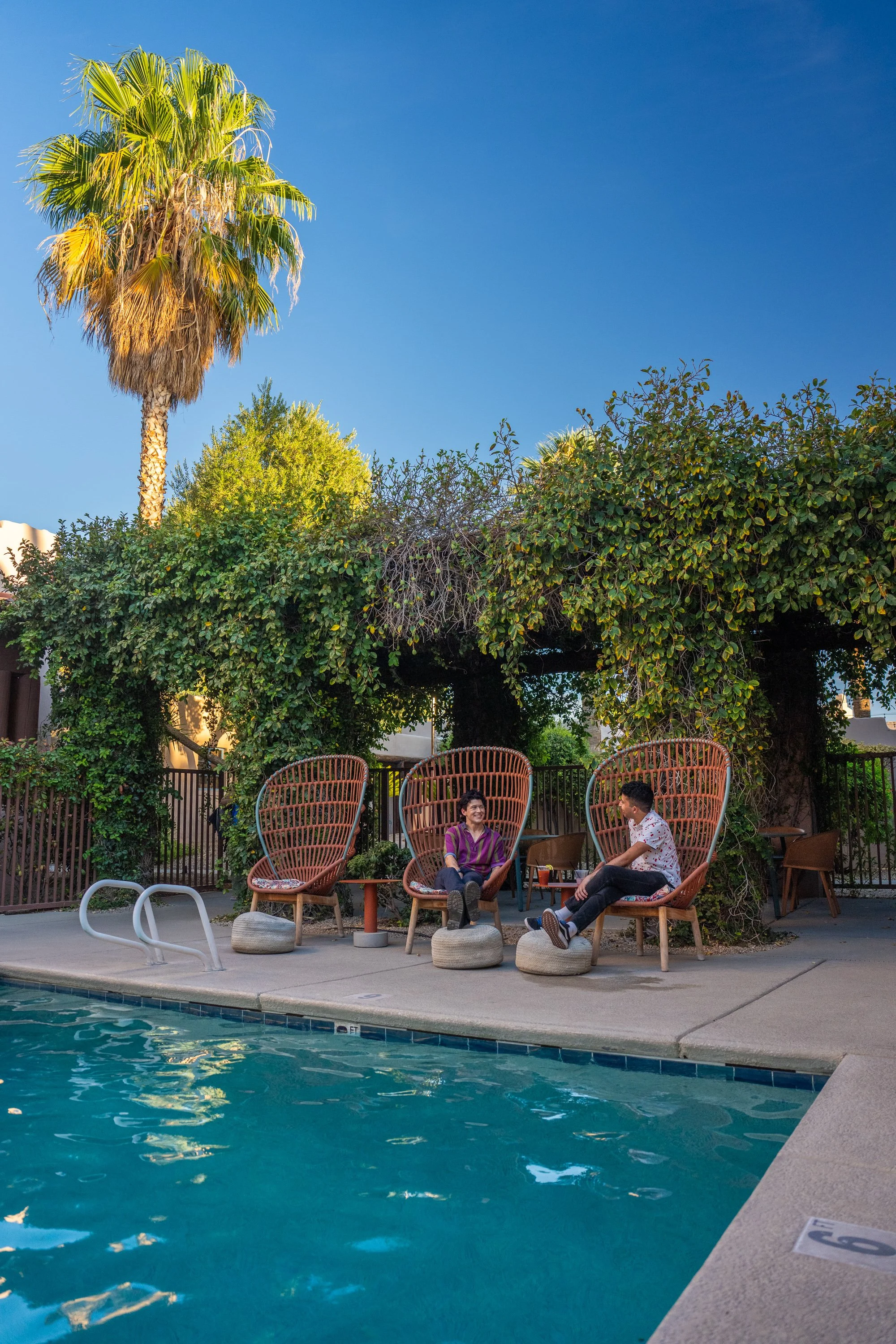
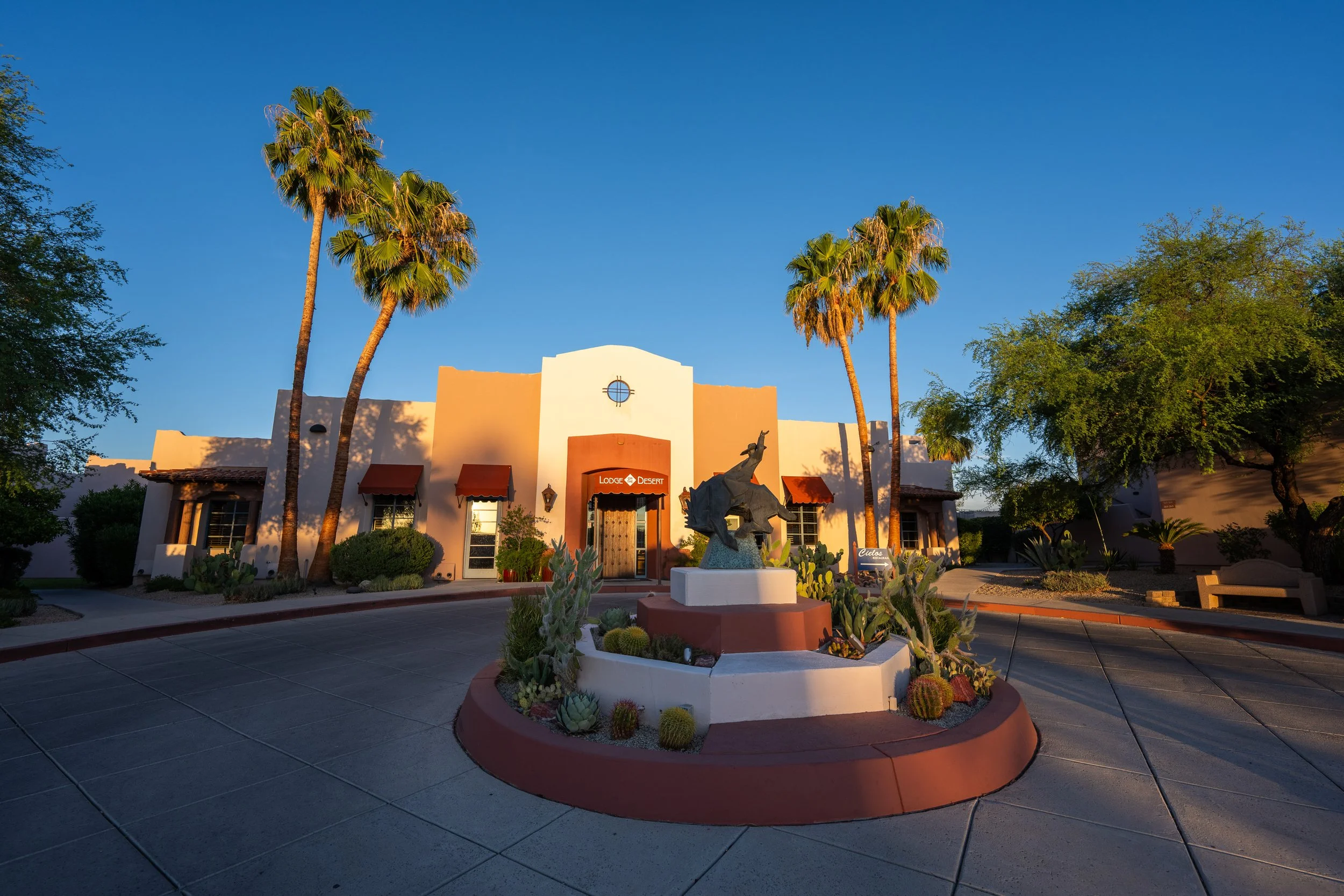
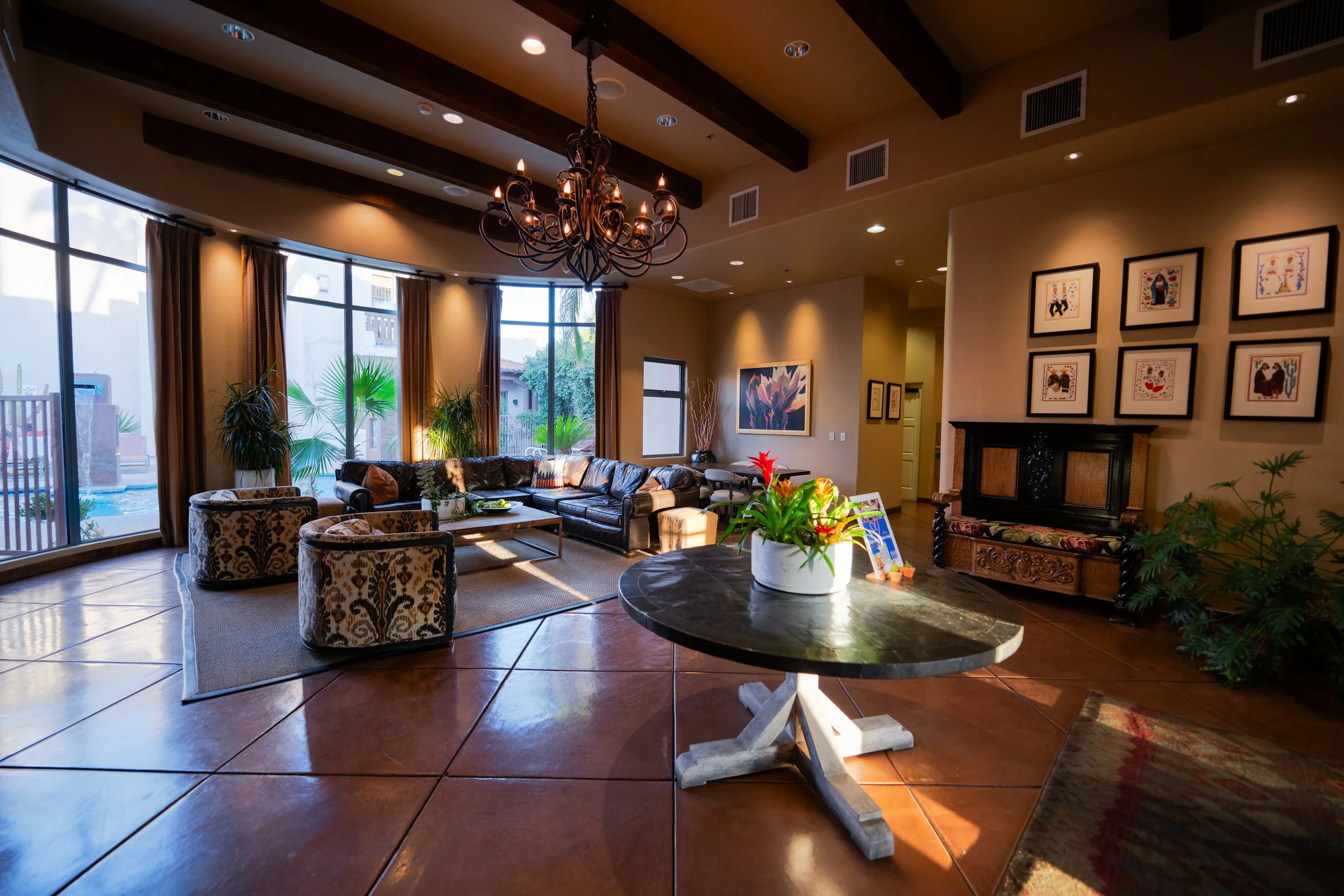
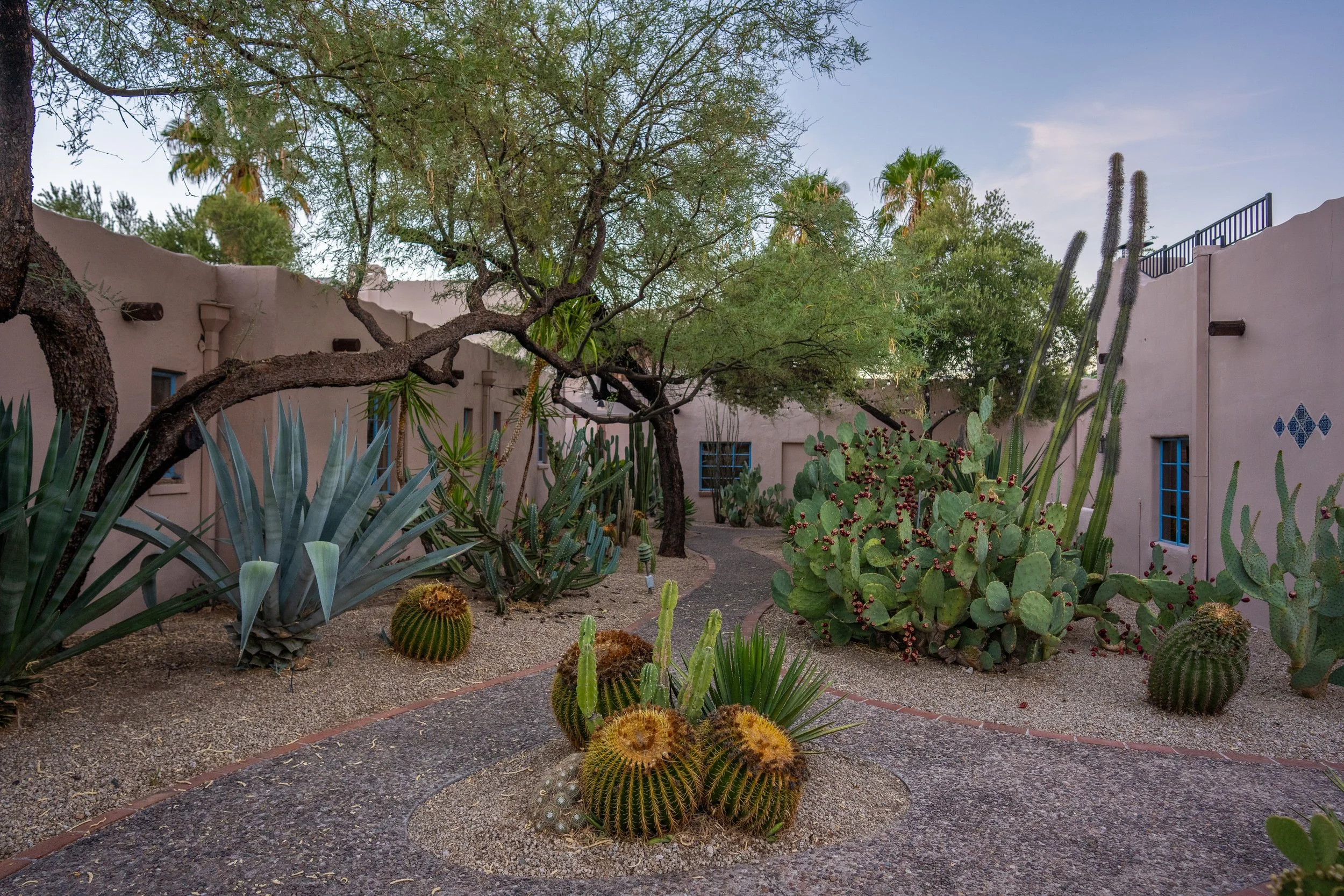
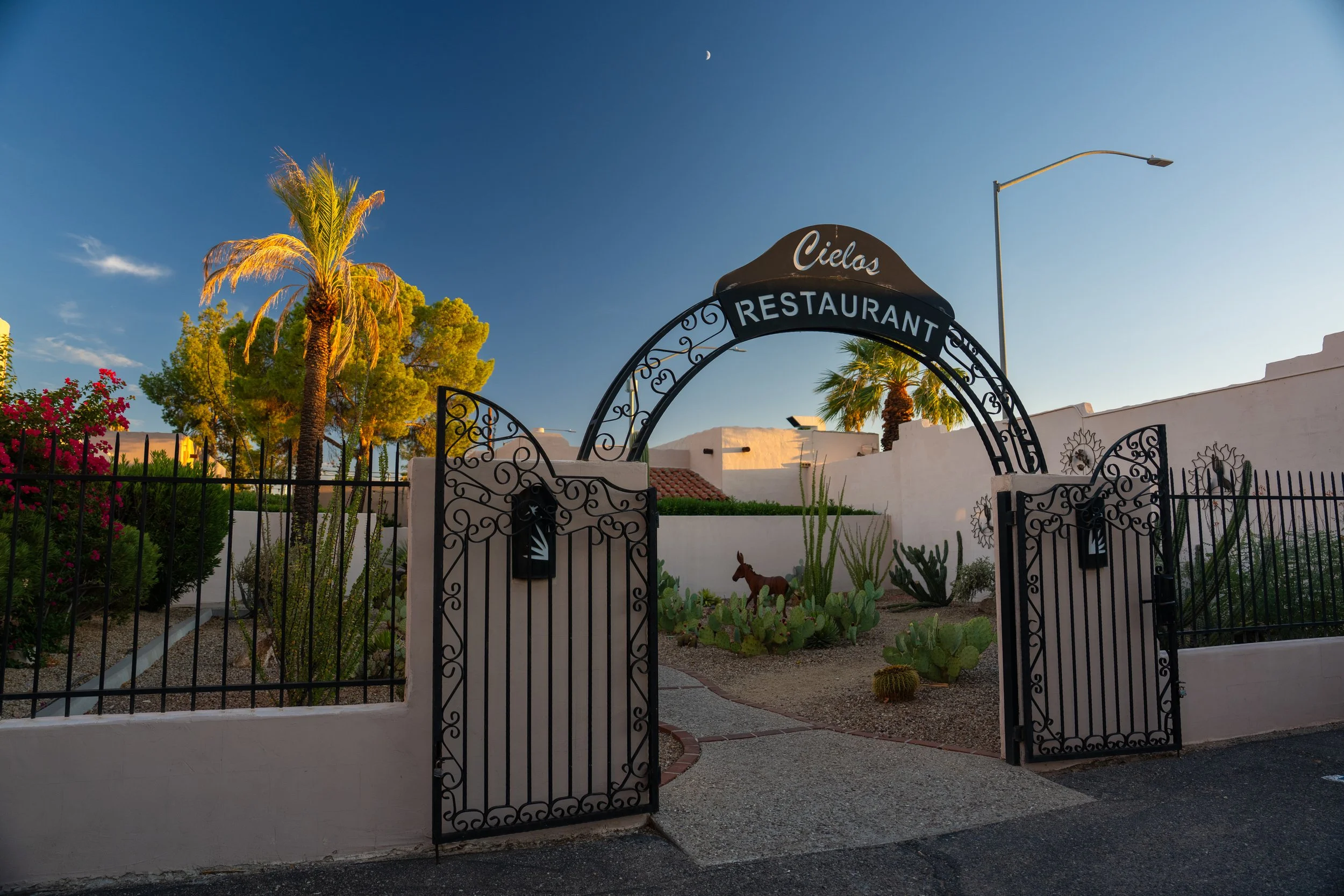
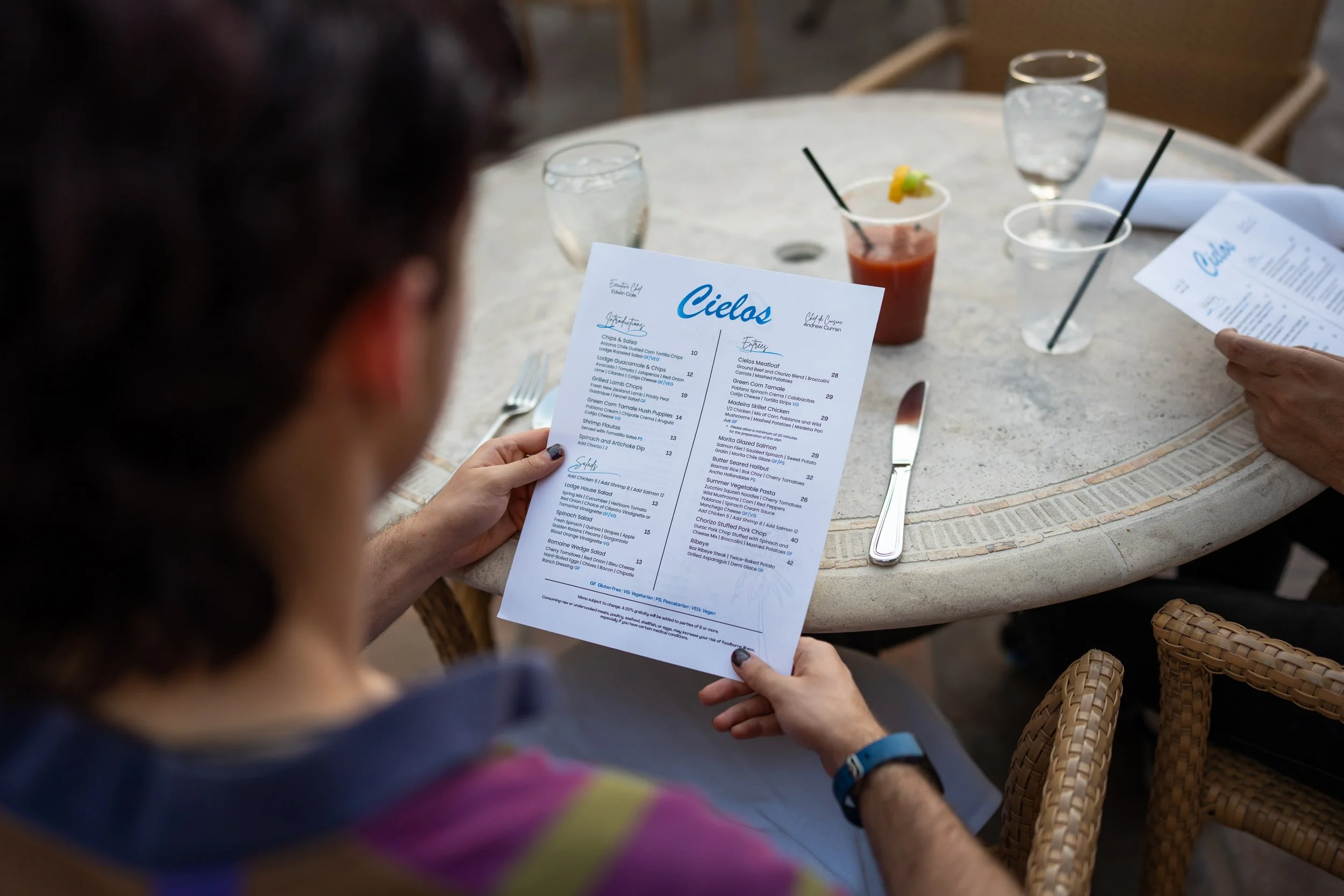
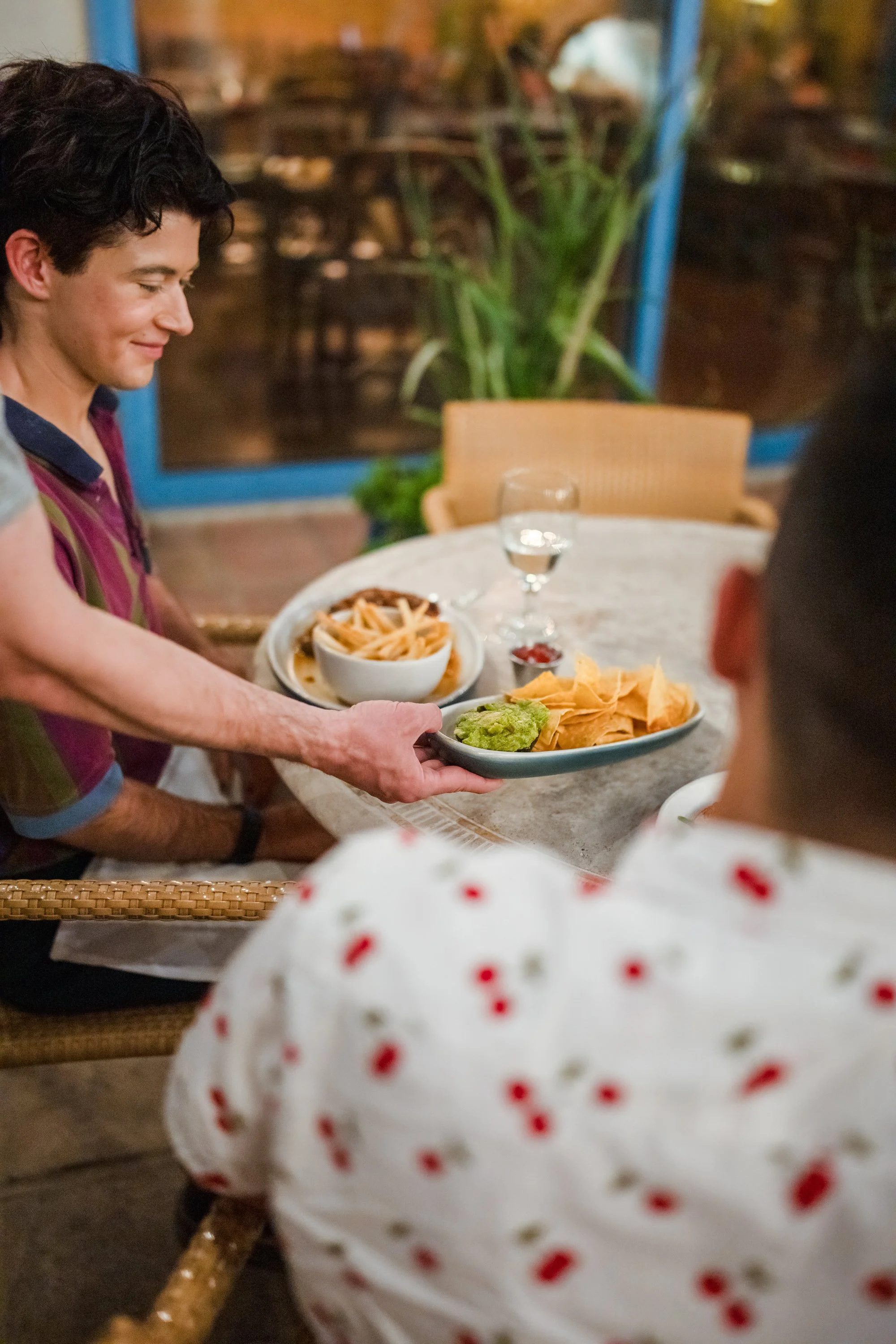
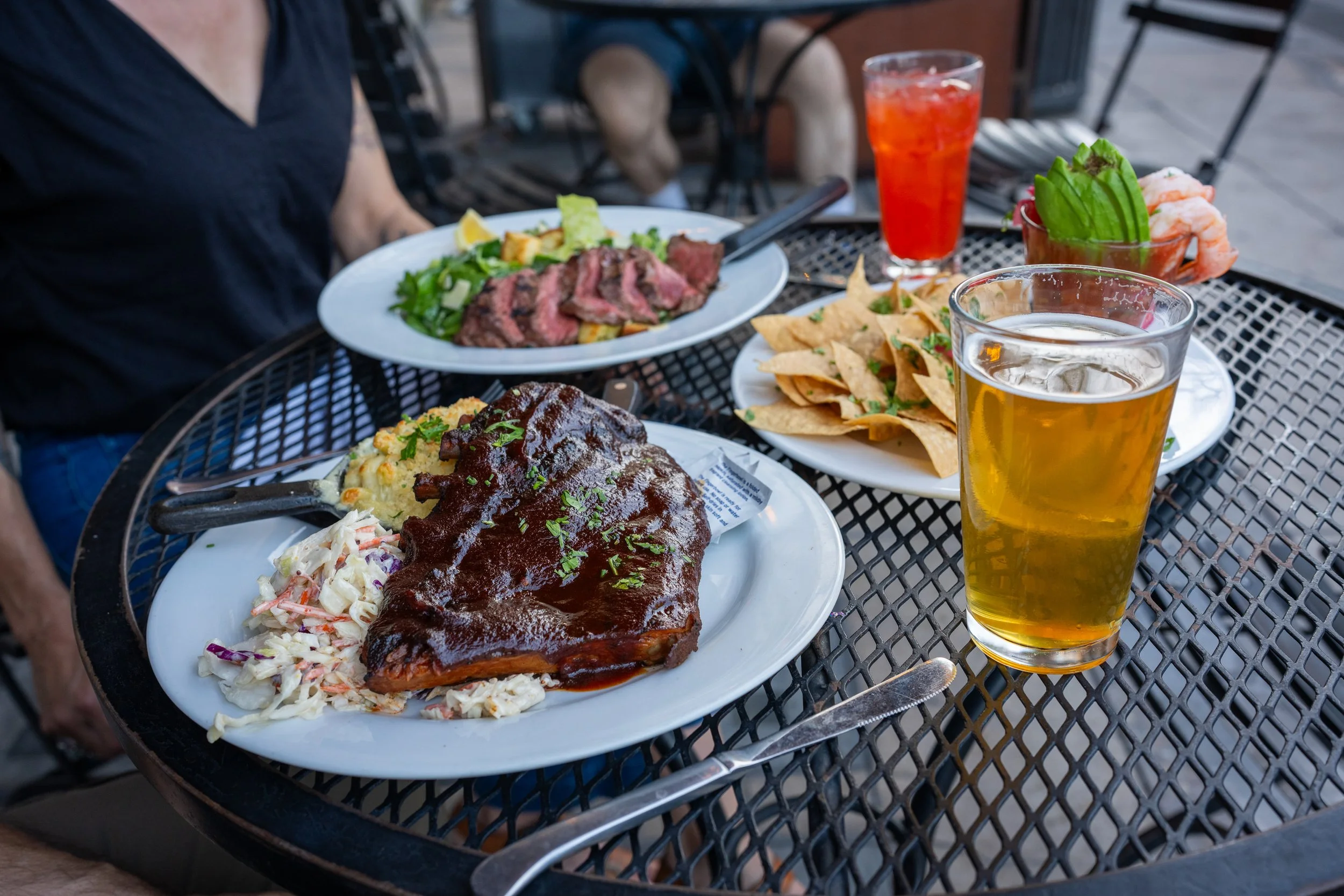
By evening we gather in the cactus garden at Lodge on the Desert. The light softens across the spines of barrel cacti and the long shadows of prickly pear pads. Dinner at Cielos gives us a moment to pause and take in the final stretch of the week. The air is warm enough to sit outside without thinking about the time.
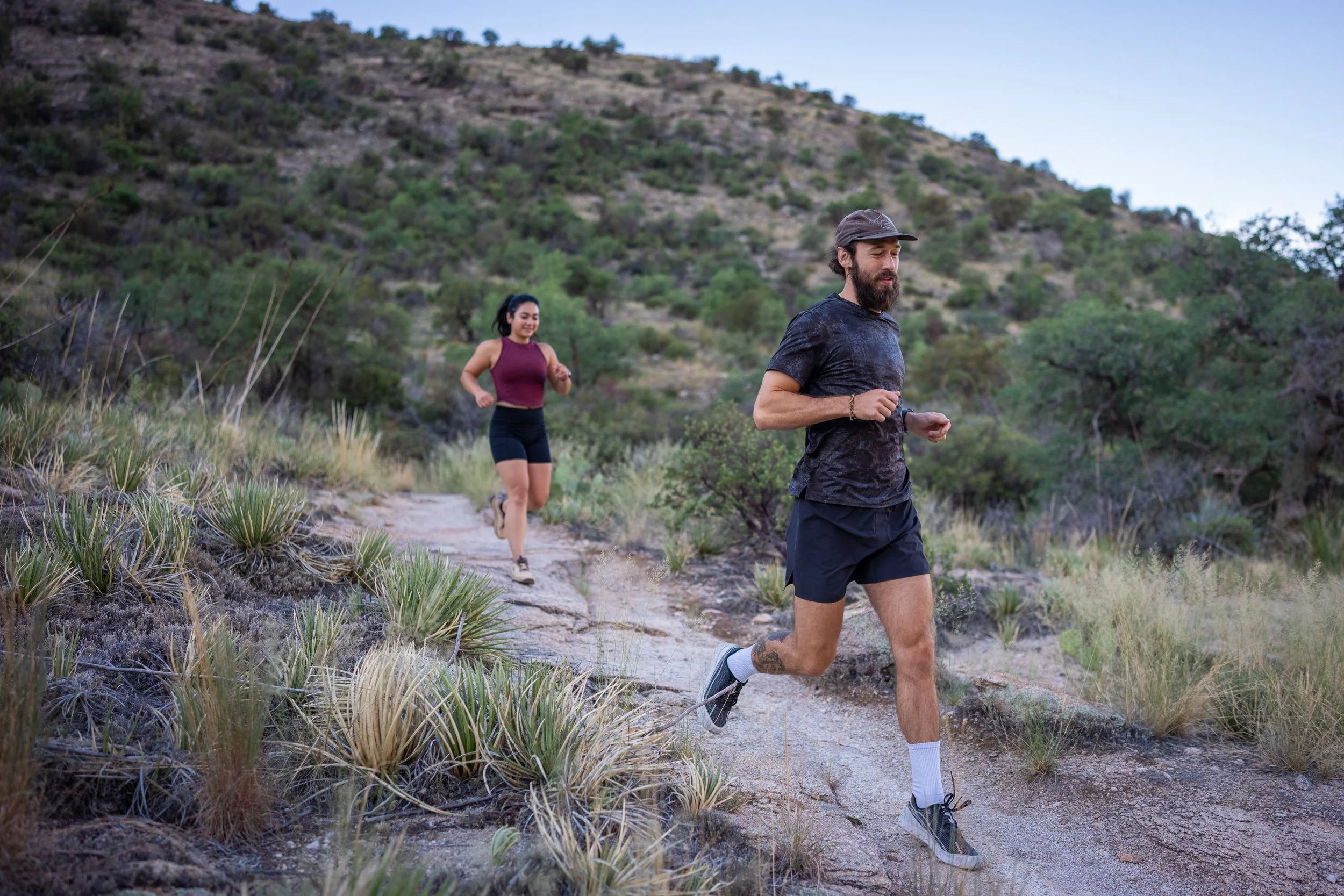
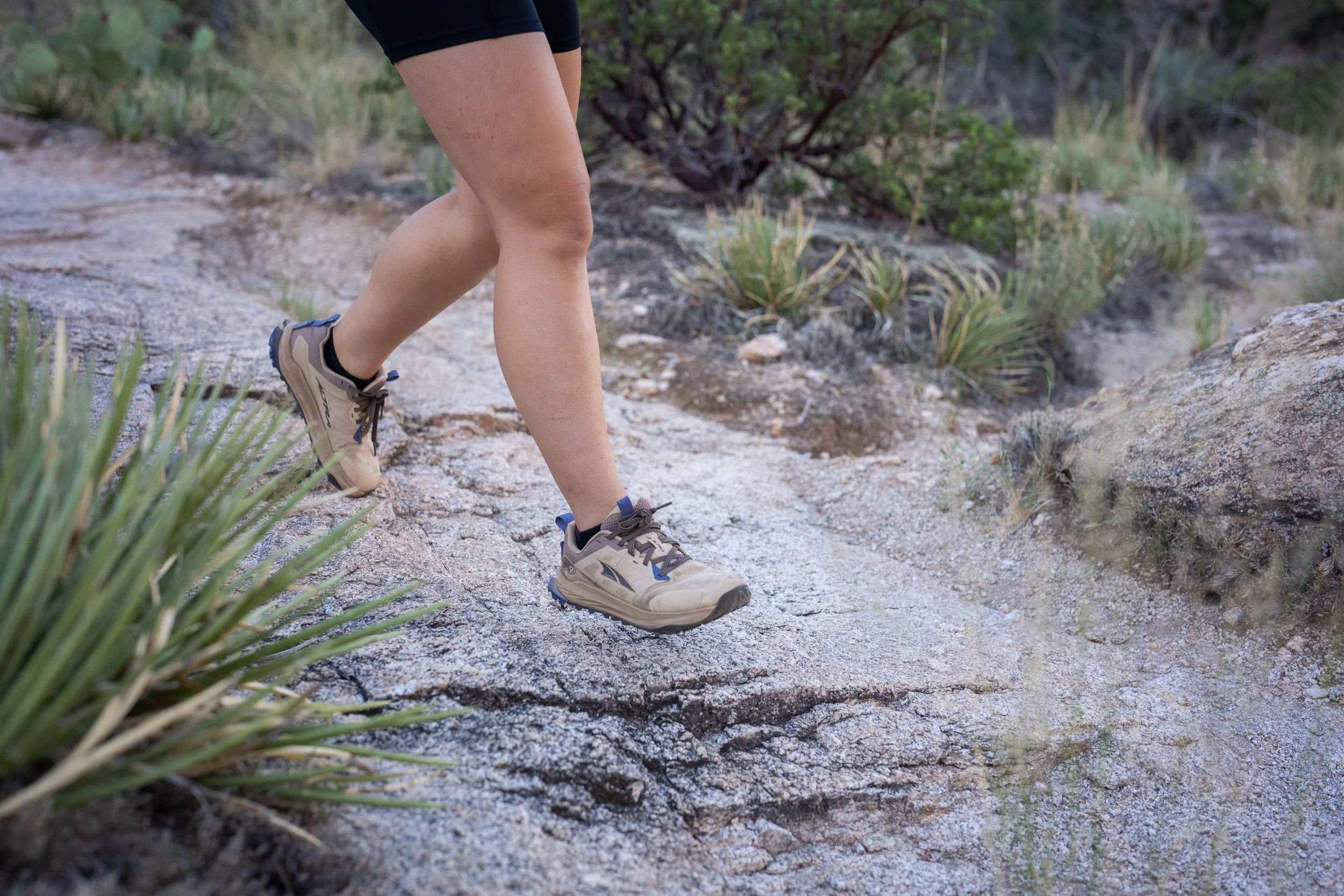
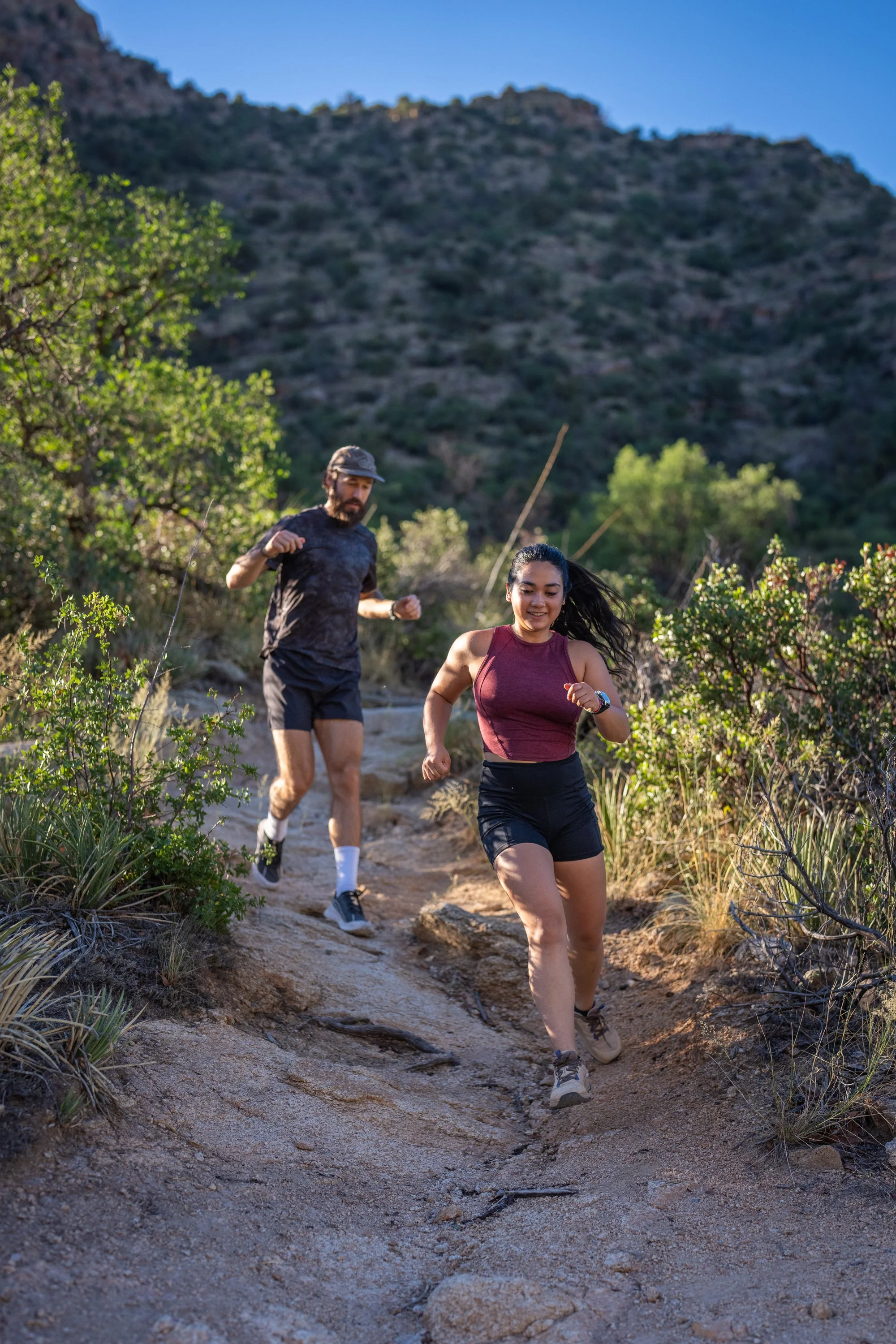
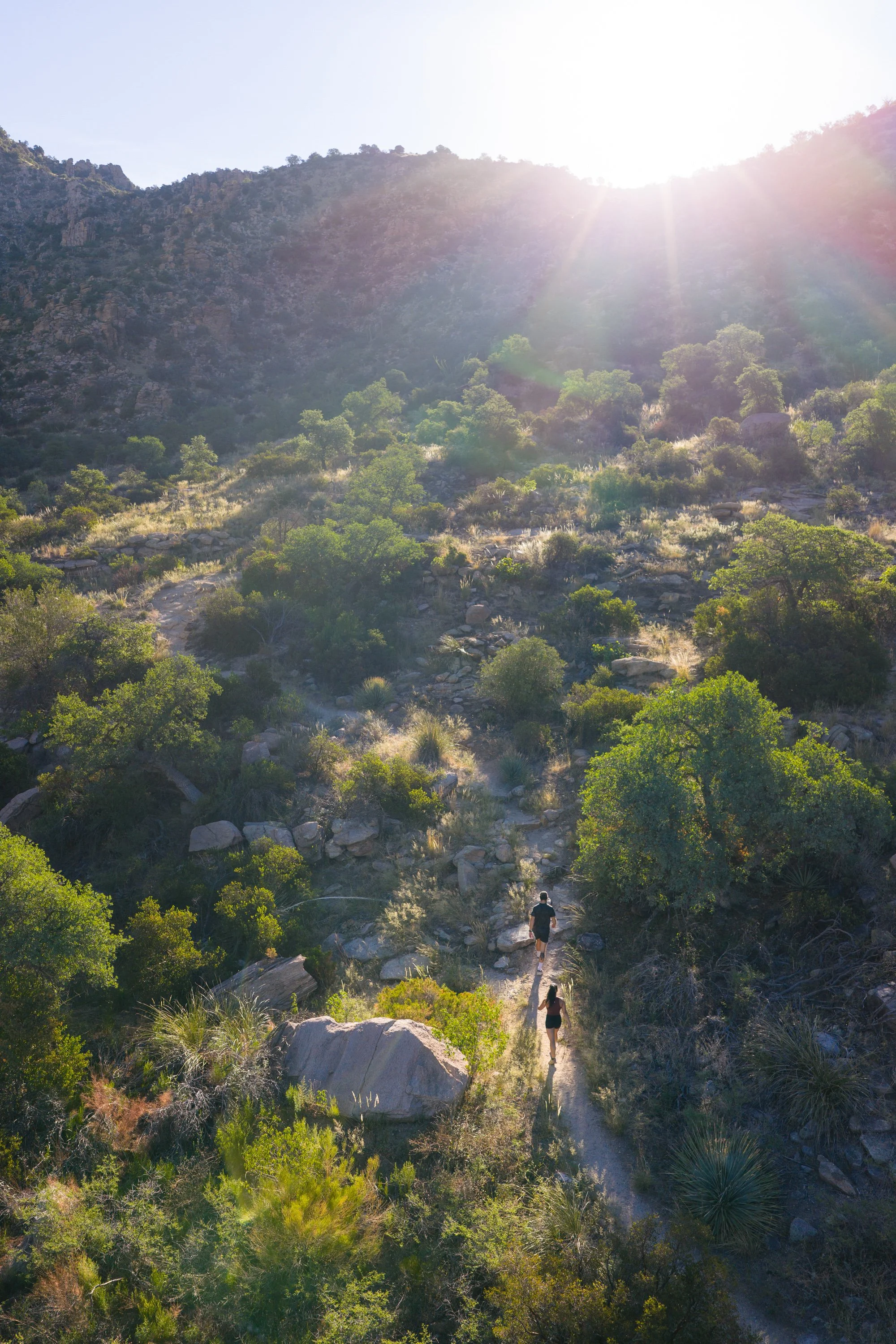
The next morning we are back at the base of the Catalina Mountains for a trail run through Molino Canyon. The sun climbs early, lighting the trail in gold, our hearts racing.
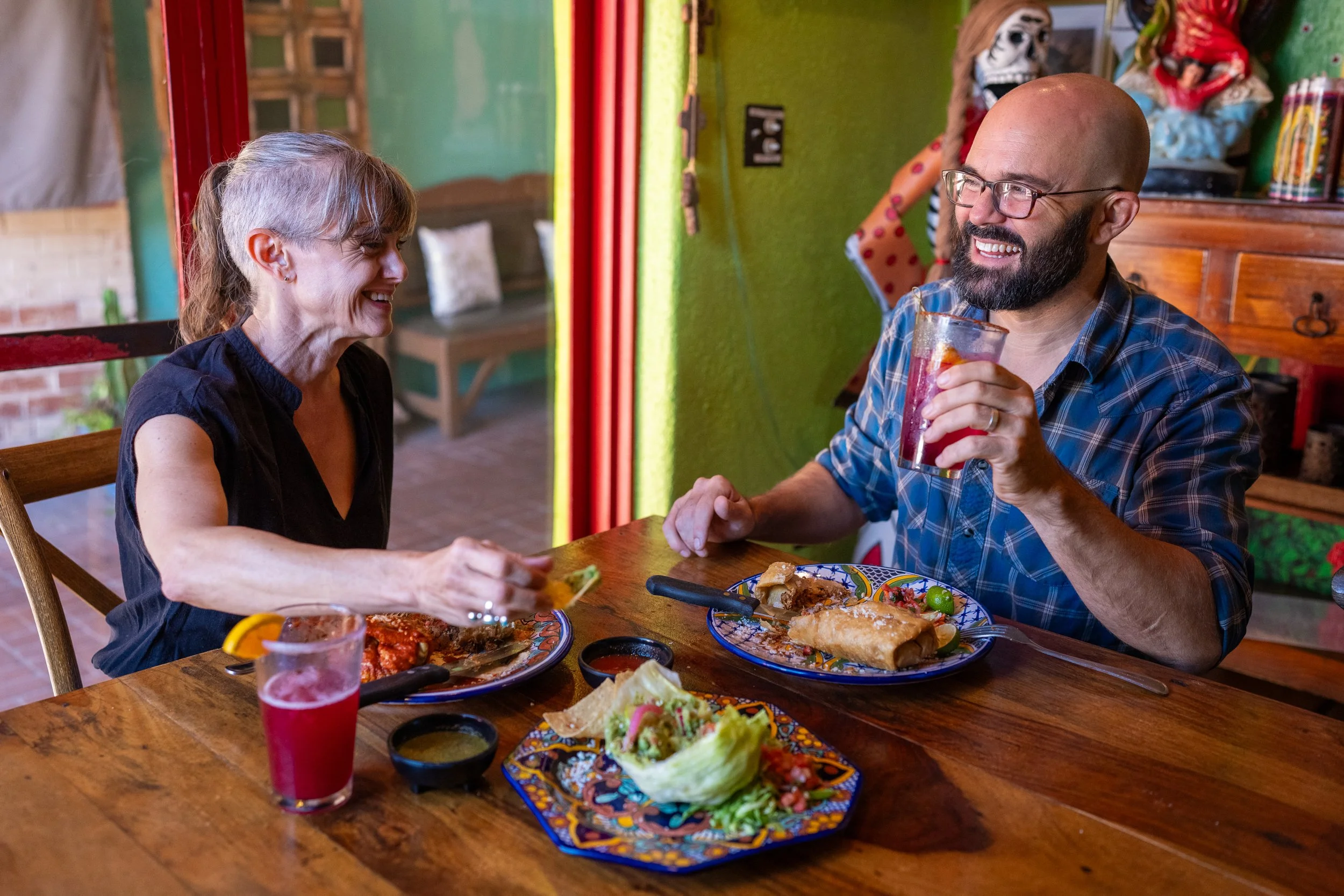
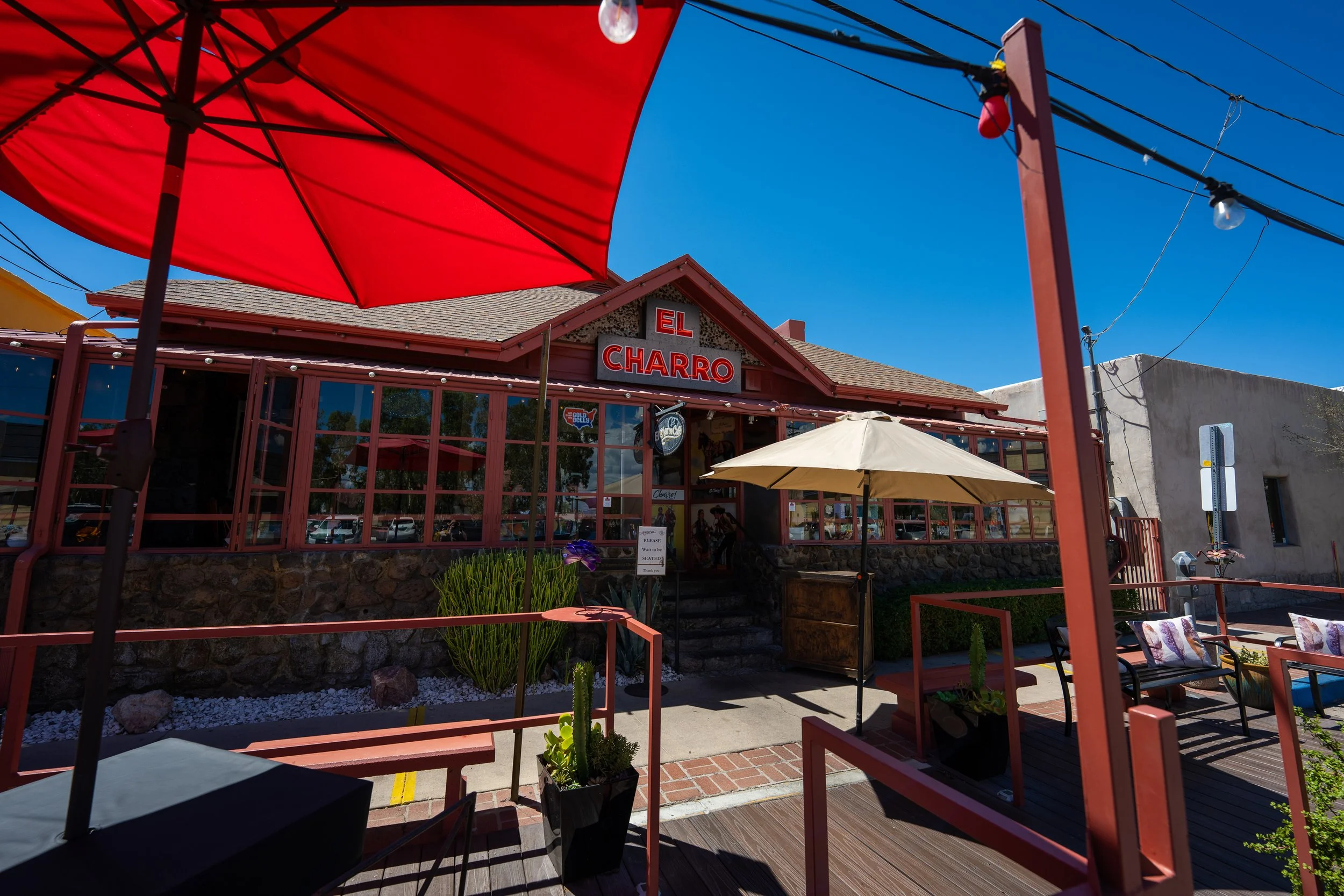
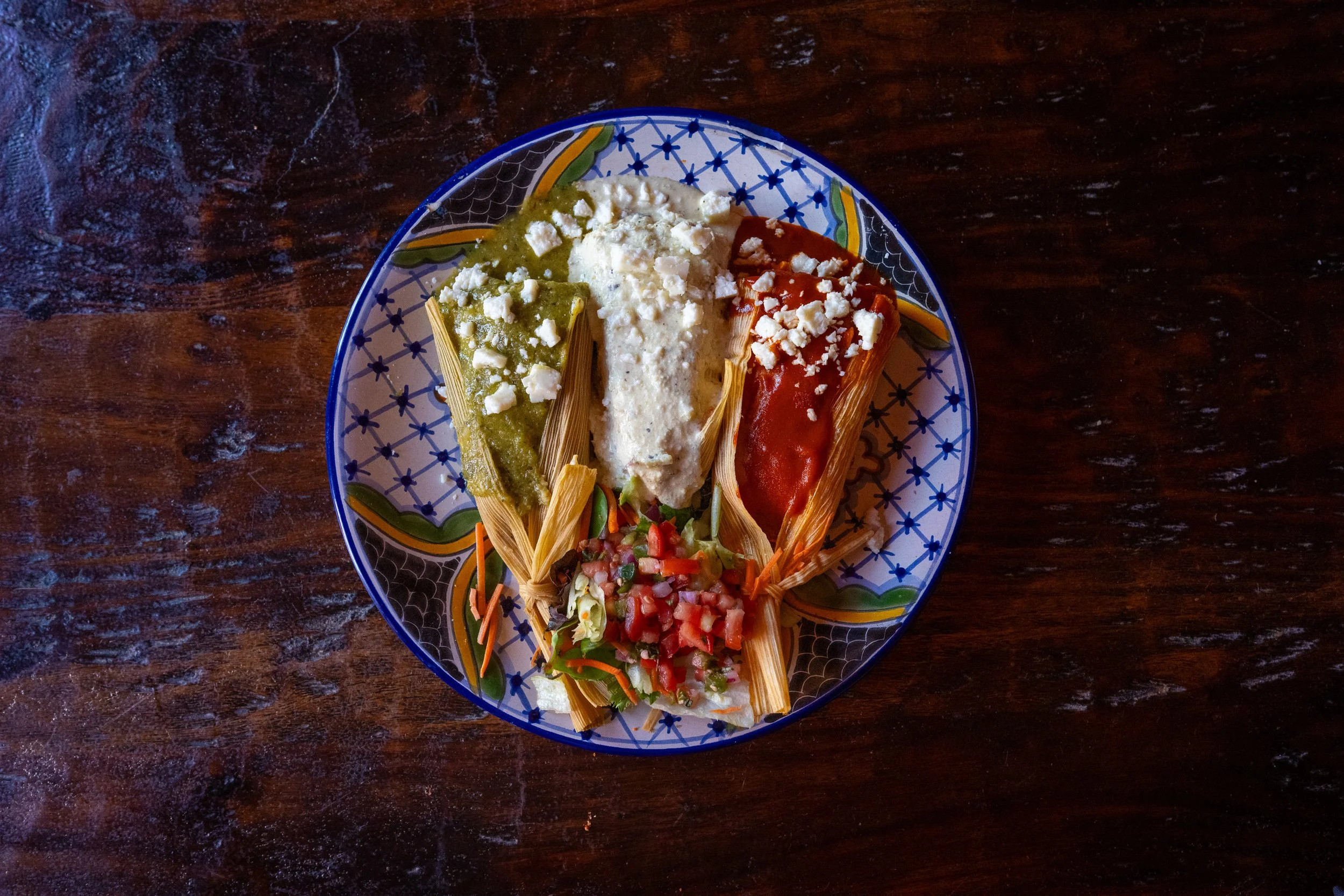
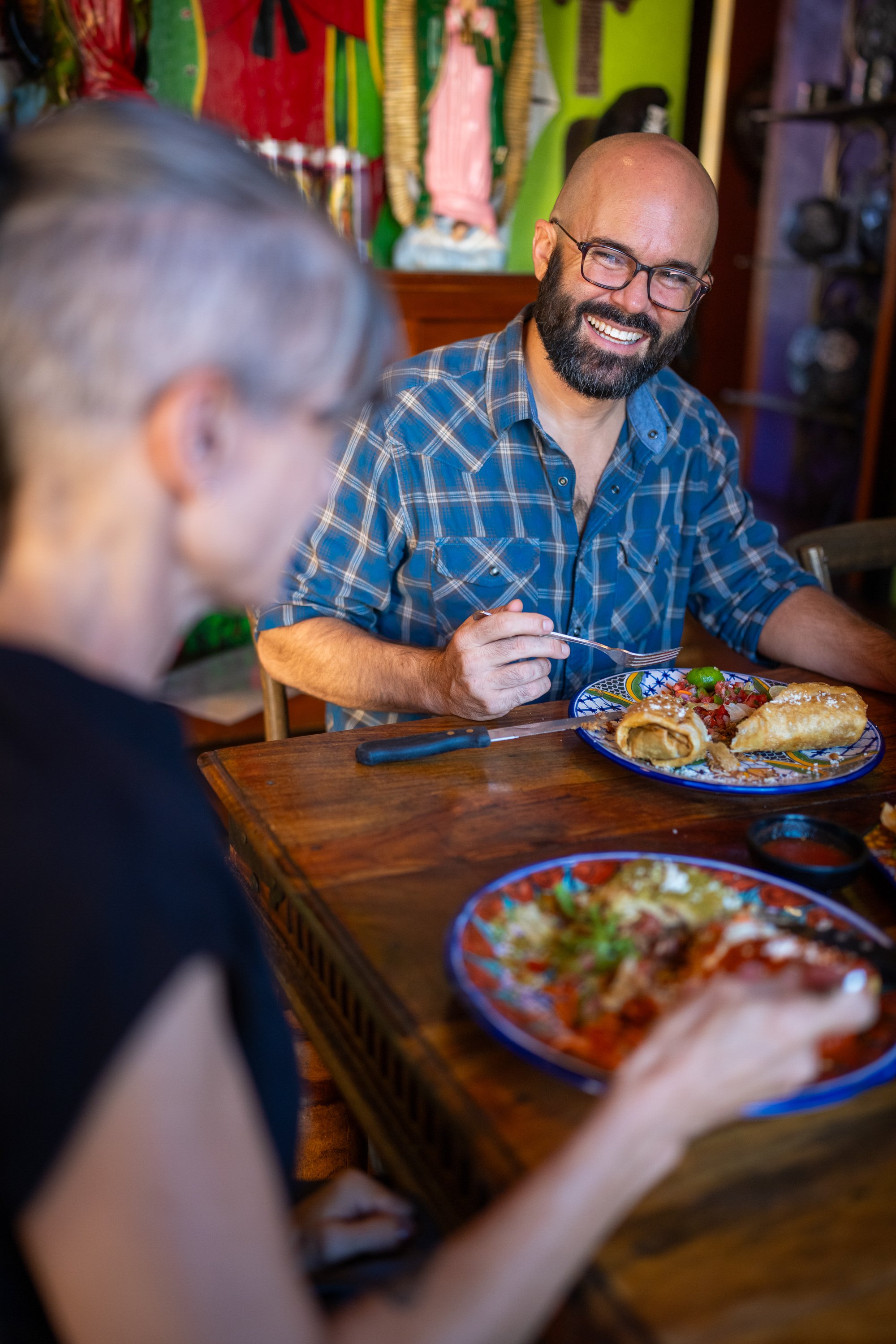
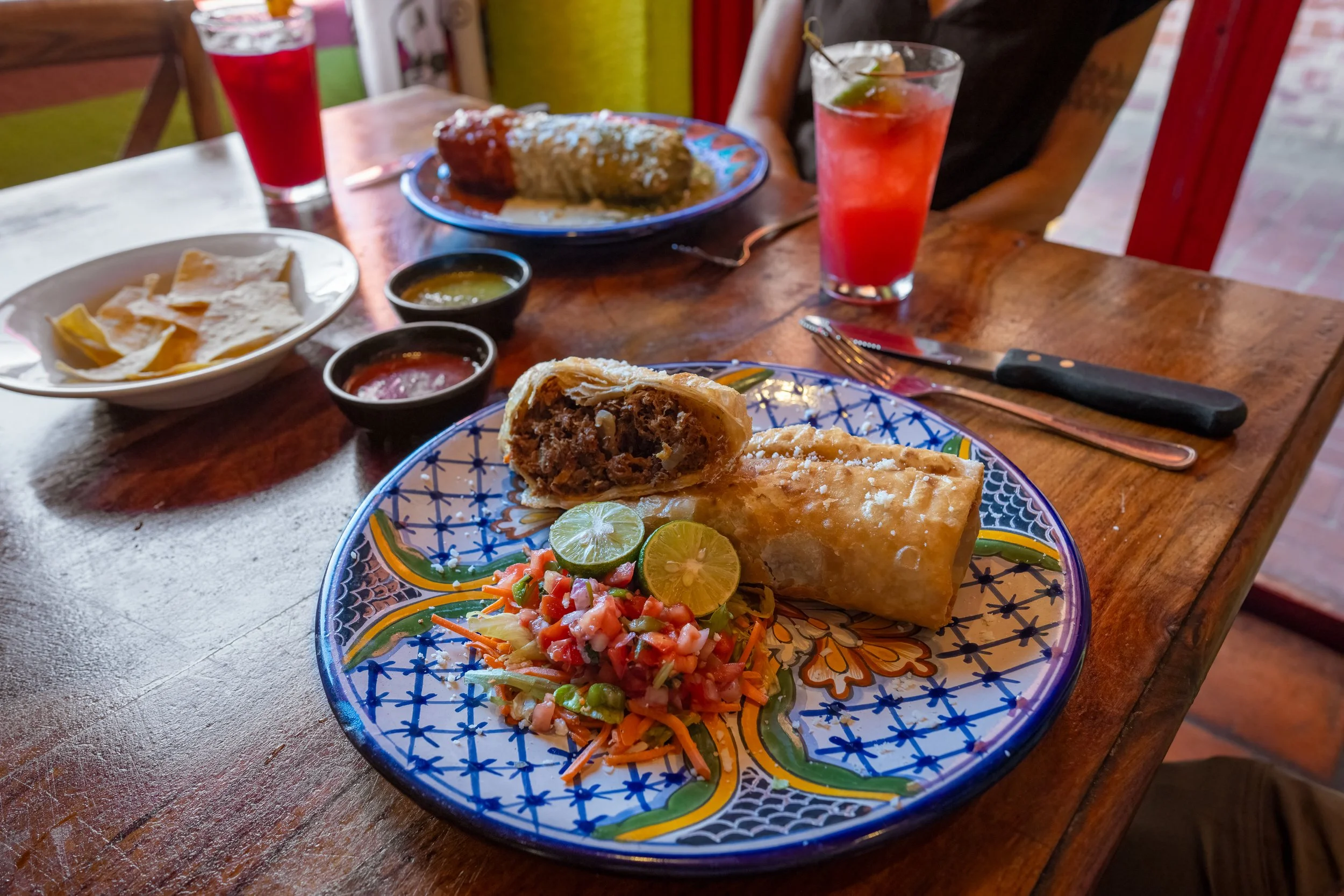
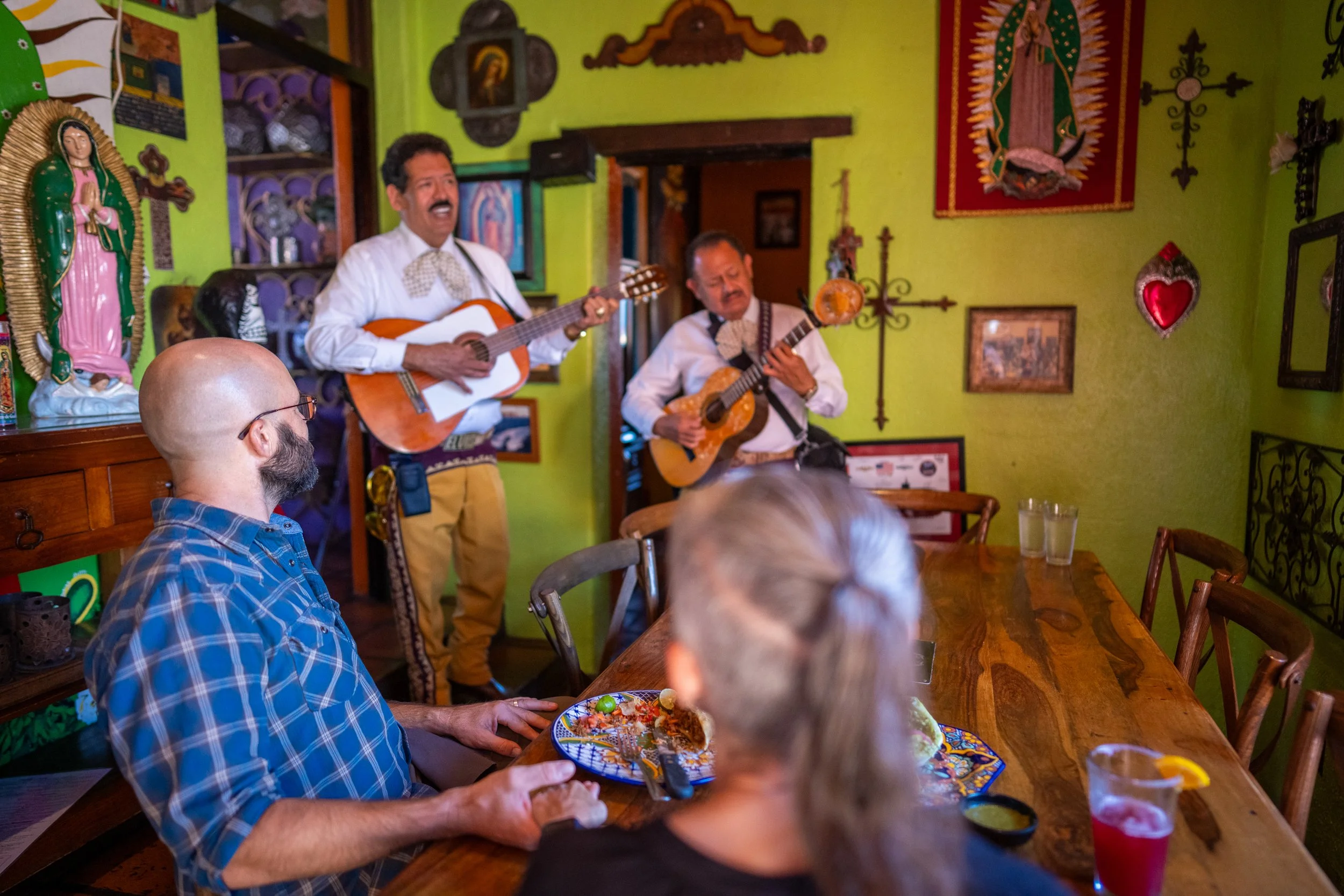
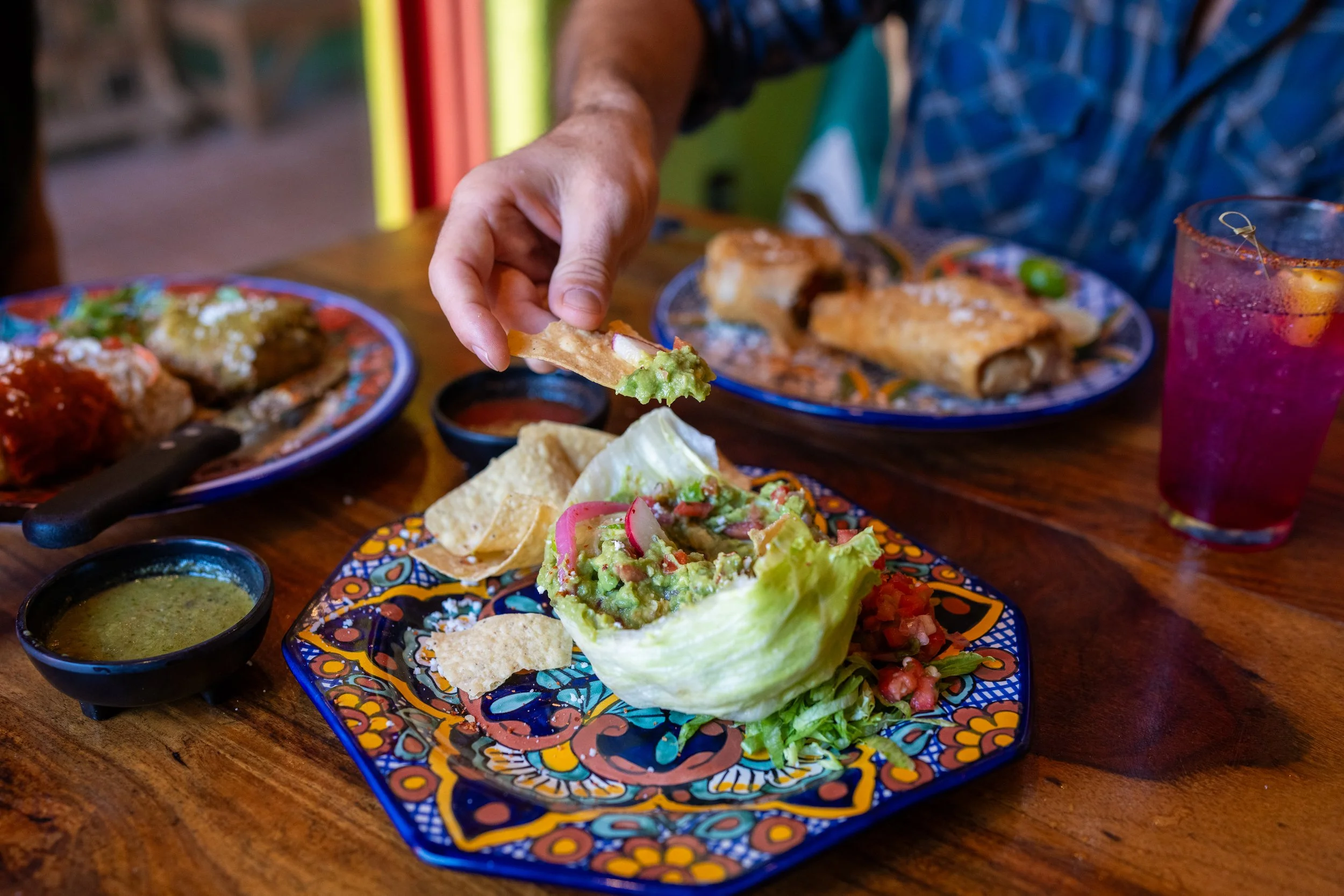
Later, at El Charro, the oldest Mexican restaurant in the United States, a mariachi band plays through hallways and arched patios. Each room feels like its own story, filled with history, light, and movement. And they still prepare their meat “El Charro carne seca”, the traditional way by hanging beef in cages in the open desert air.
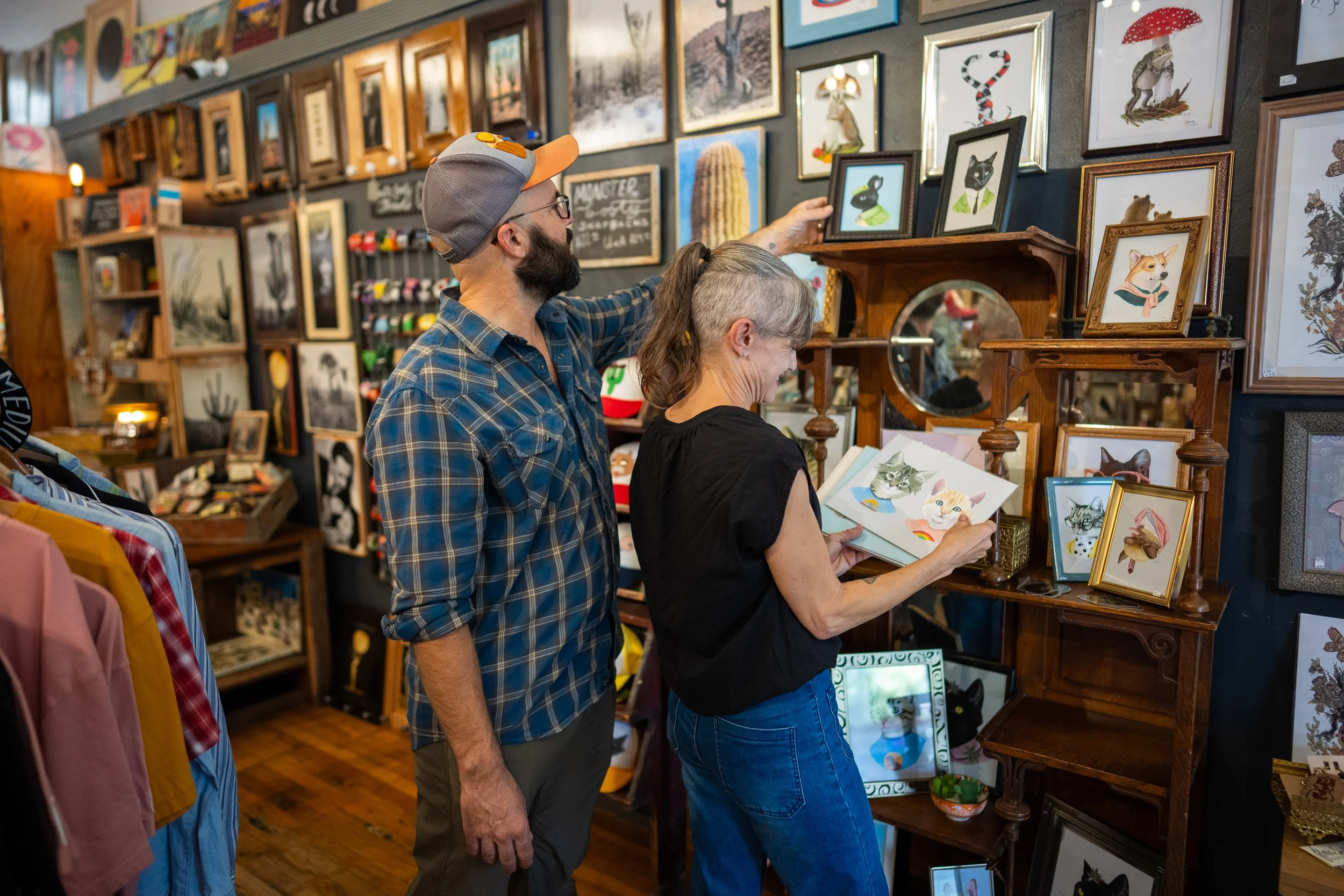
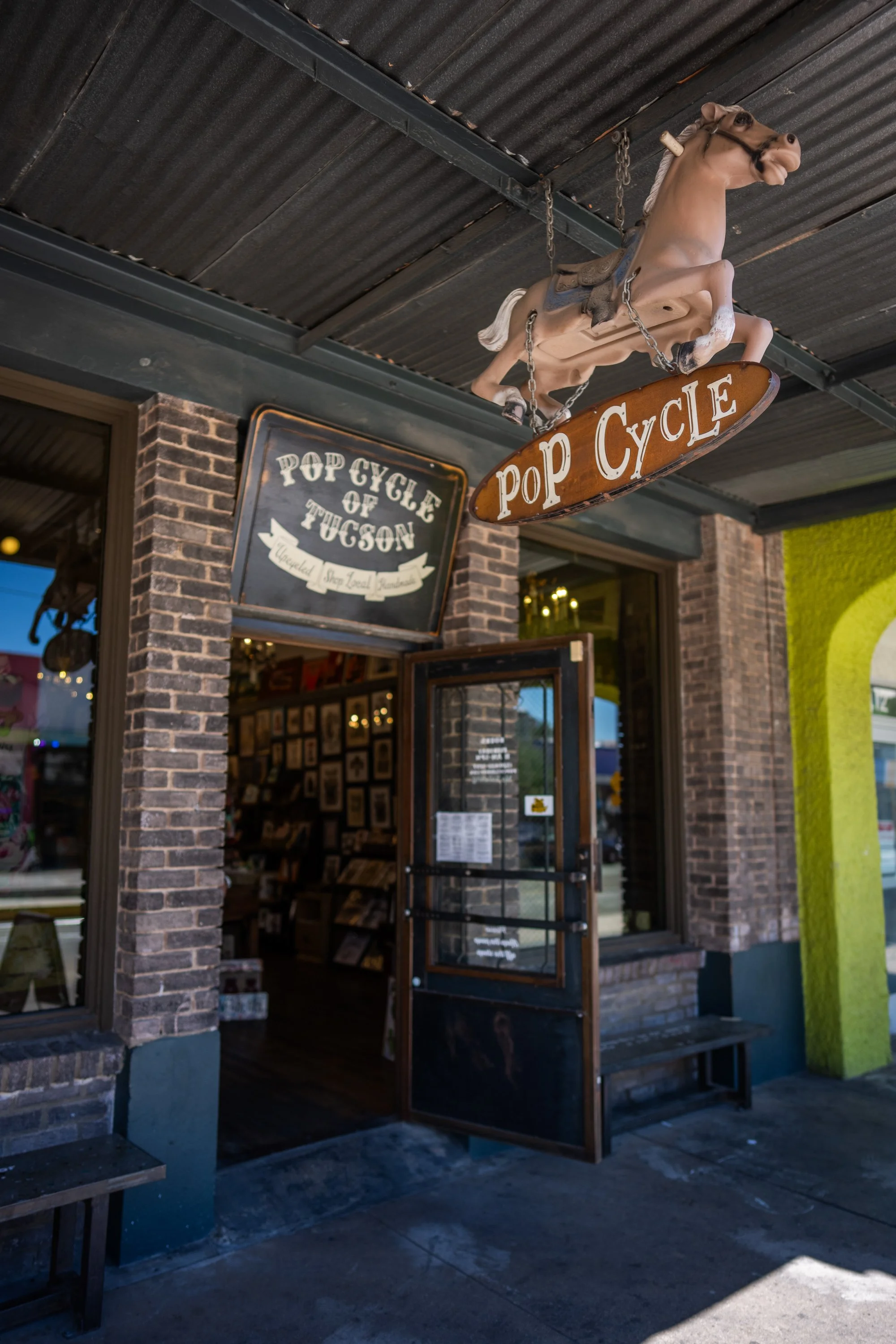
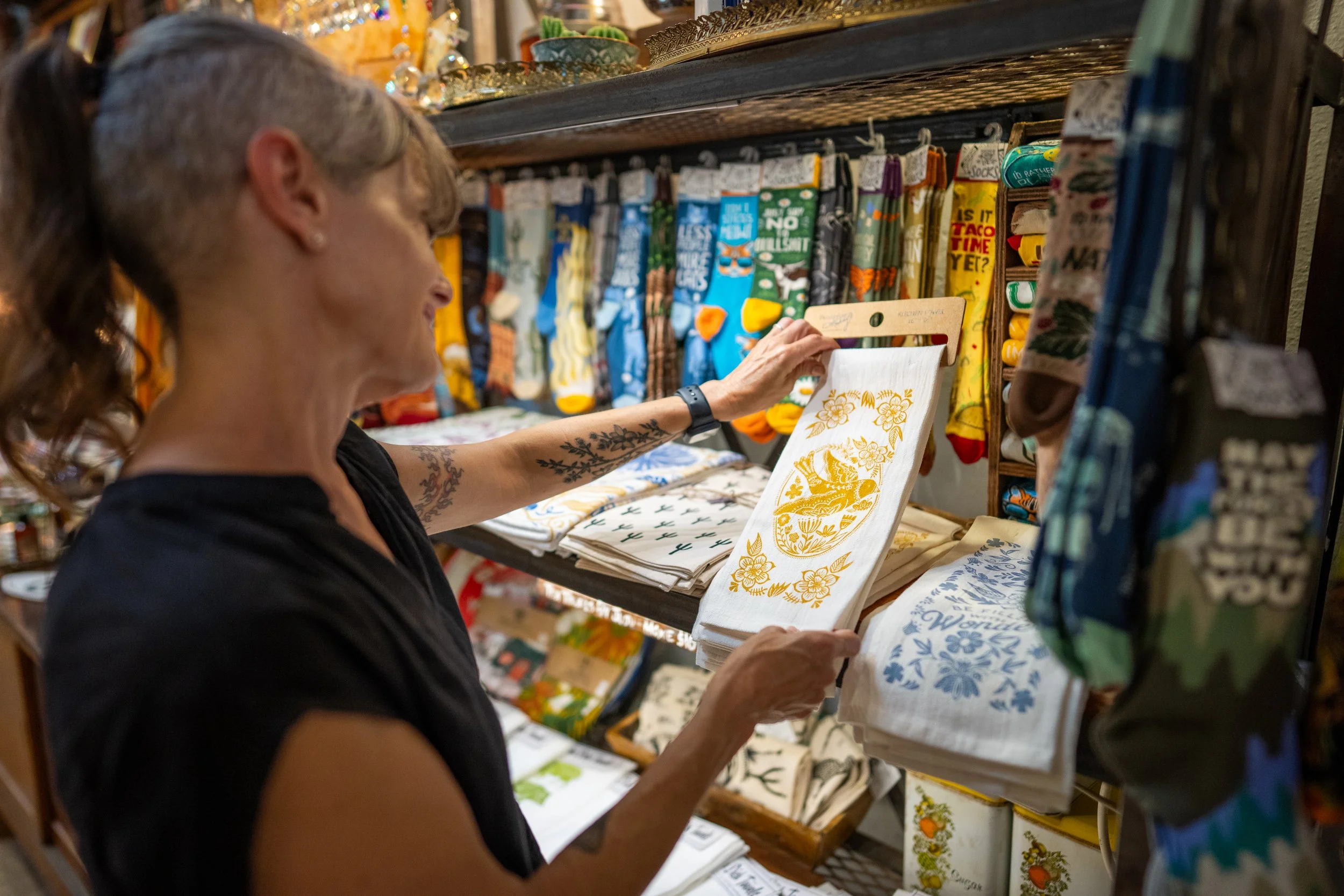
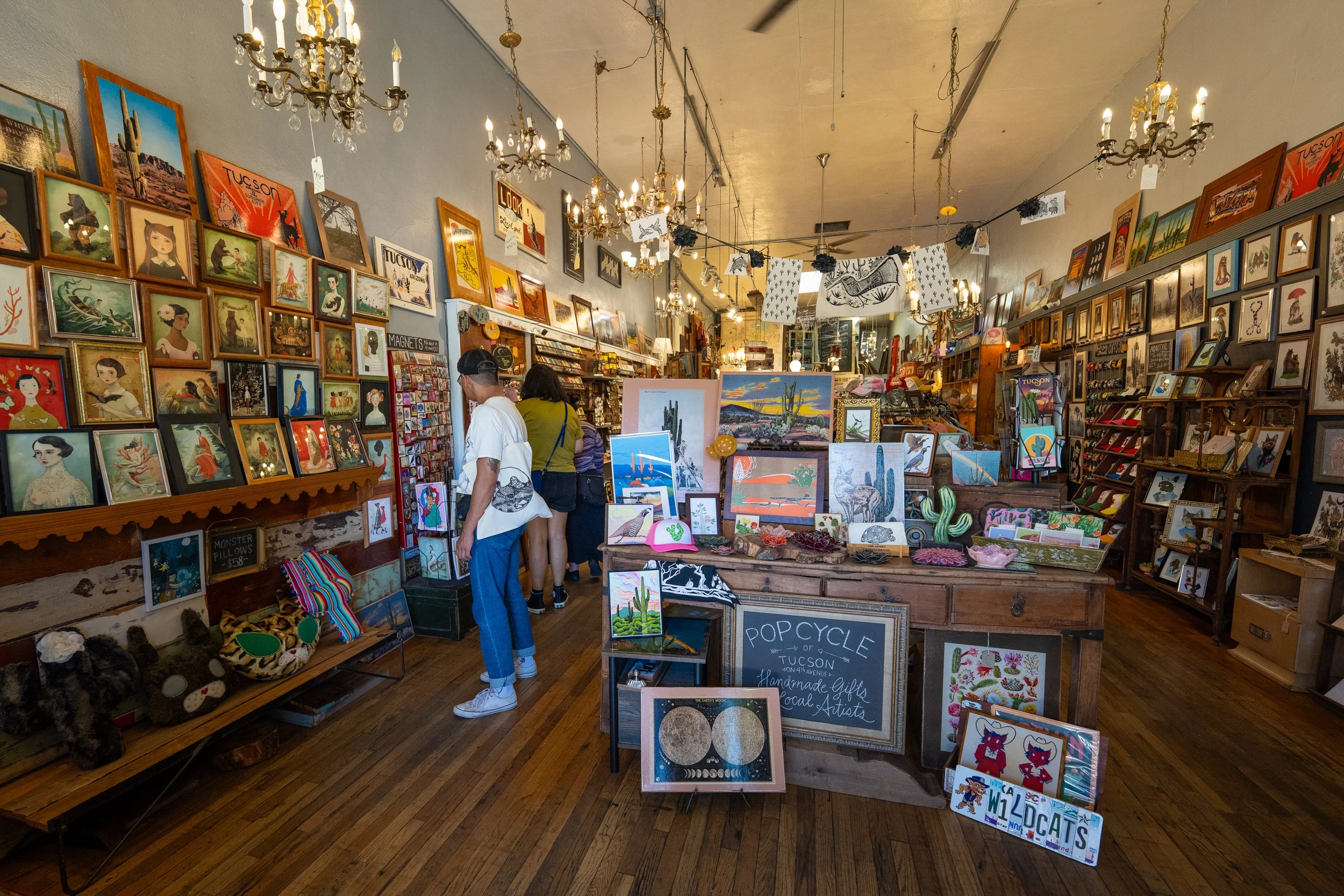
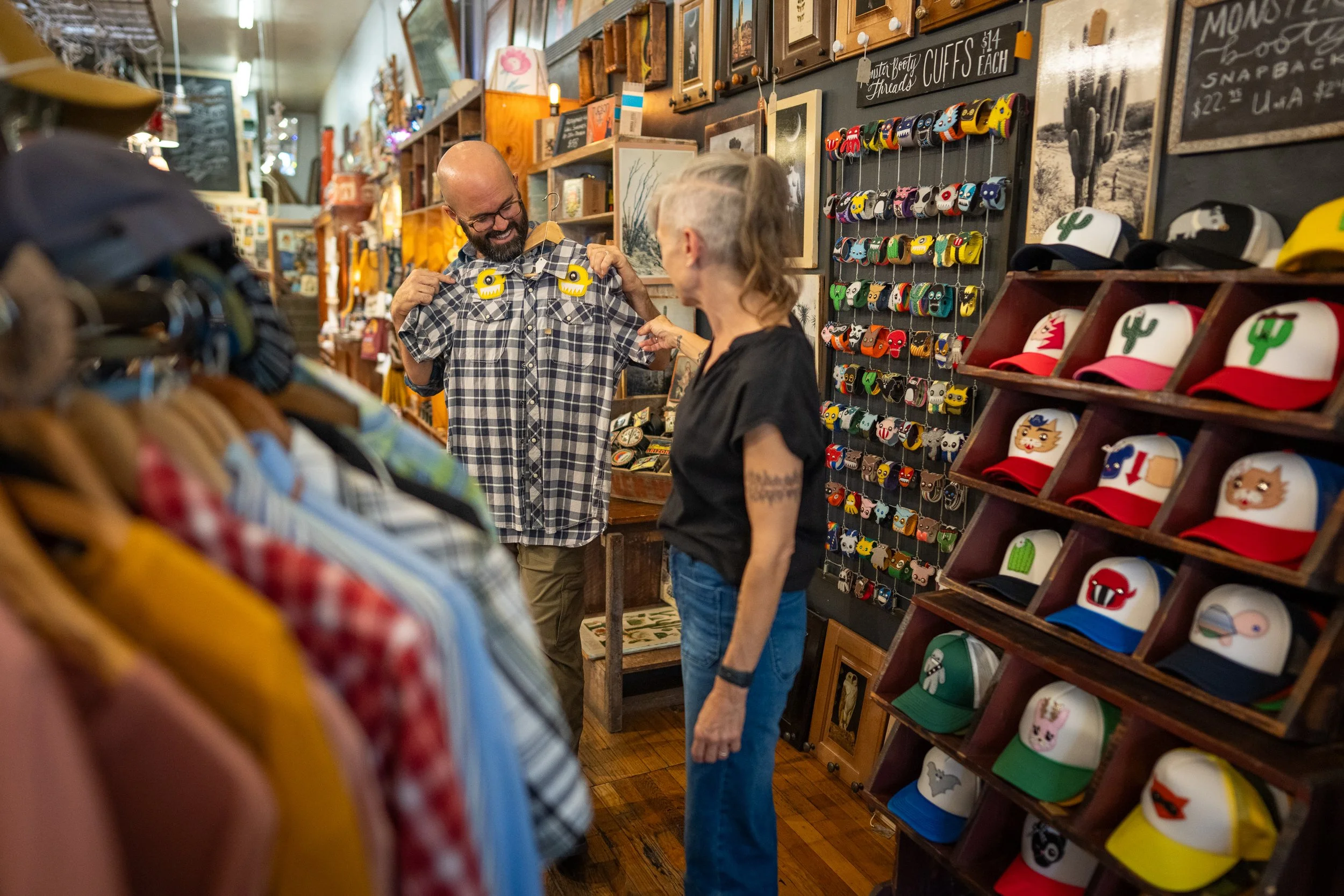
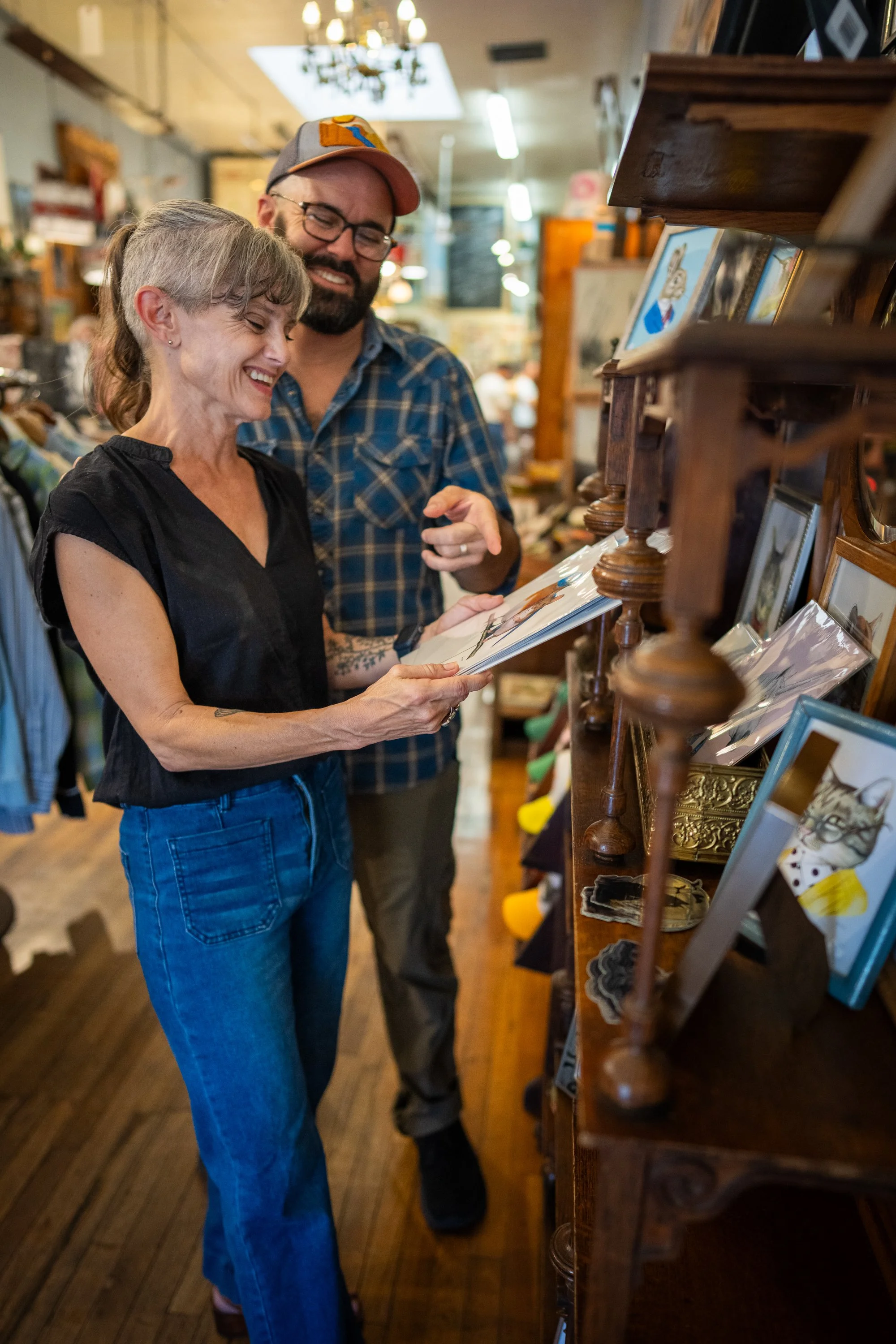
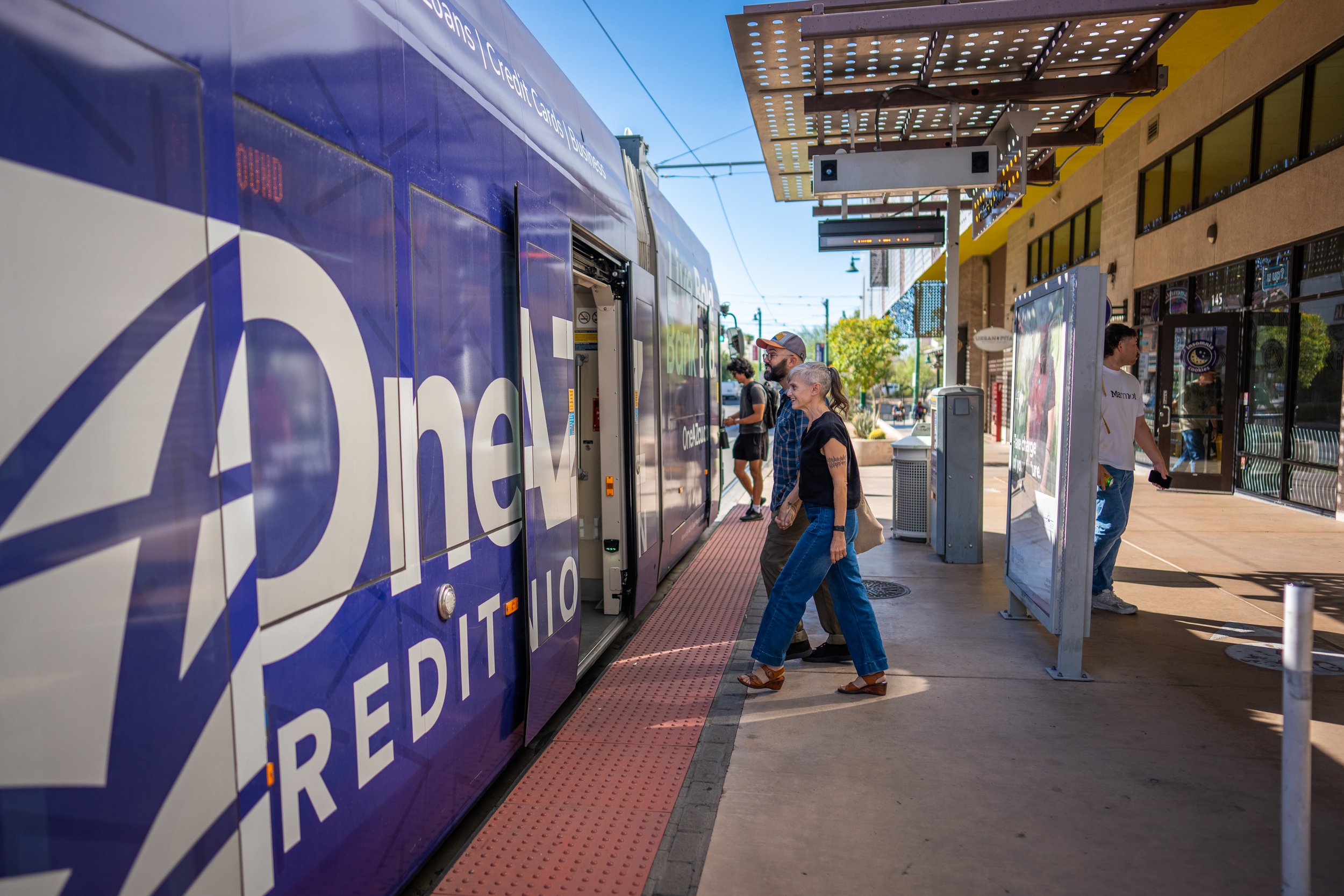
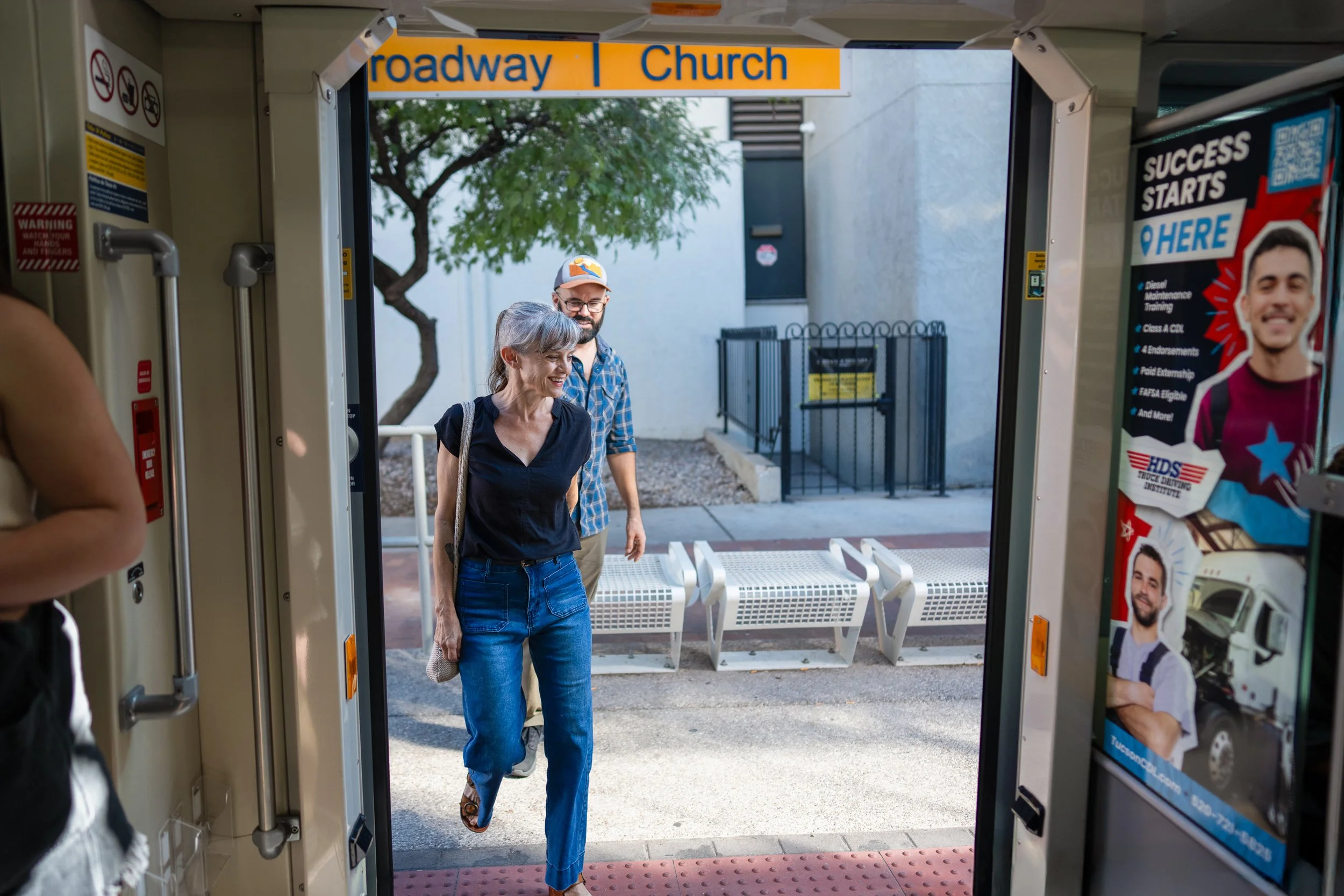
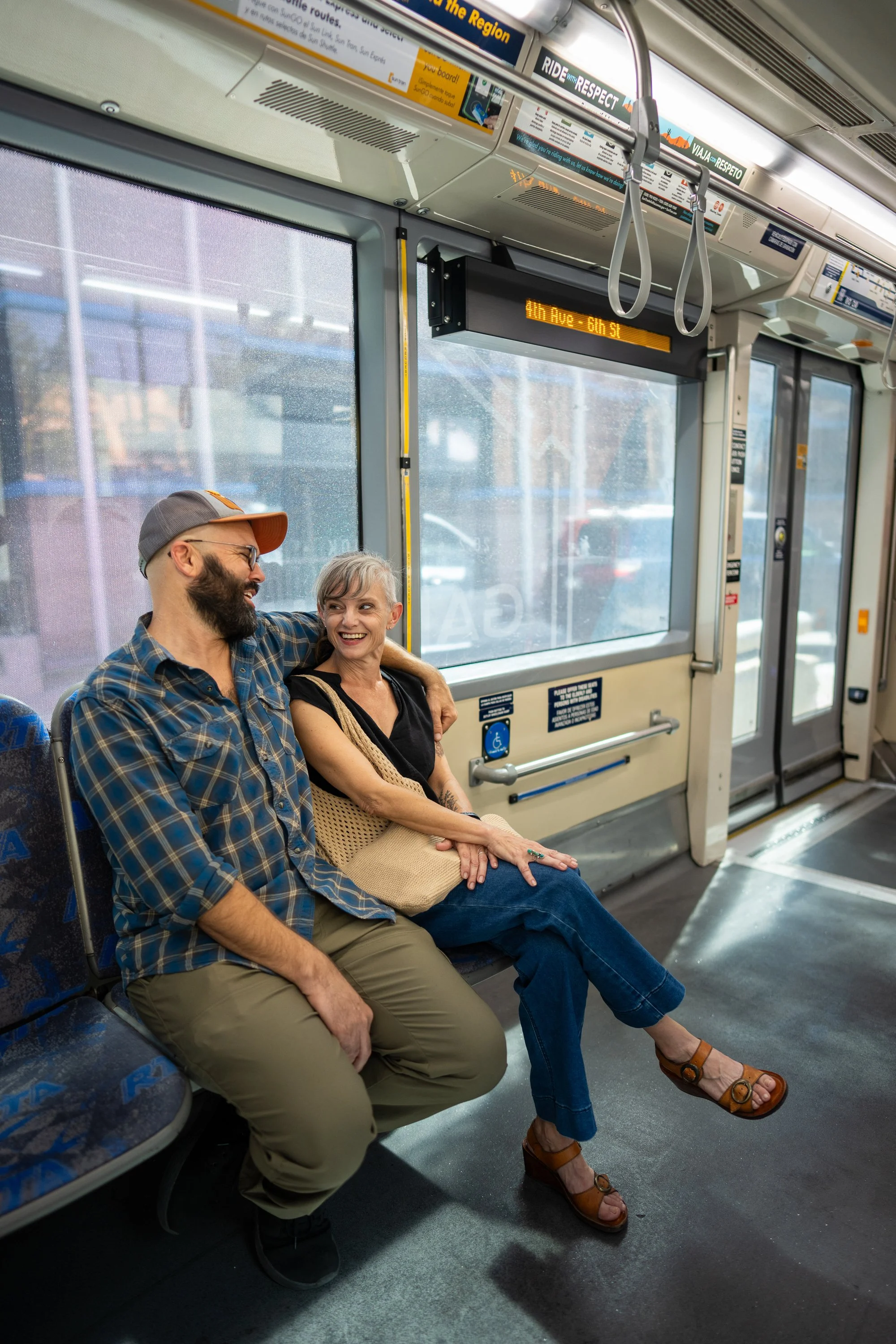
At PopCycle, we find shelves stacked with handcrafted pieces from local makers. It is impossible to leave without buying something. Across the street, the streetcar hums with visitors heading toward the Arizona Wildcats game. The whole city vibrates with energy.
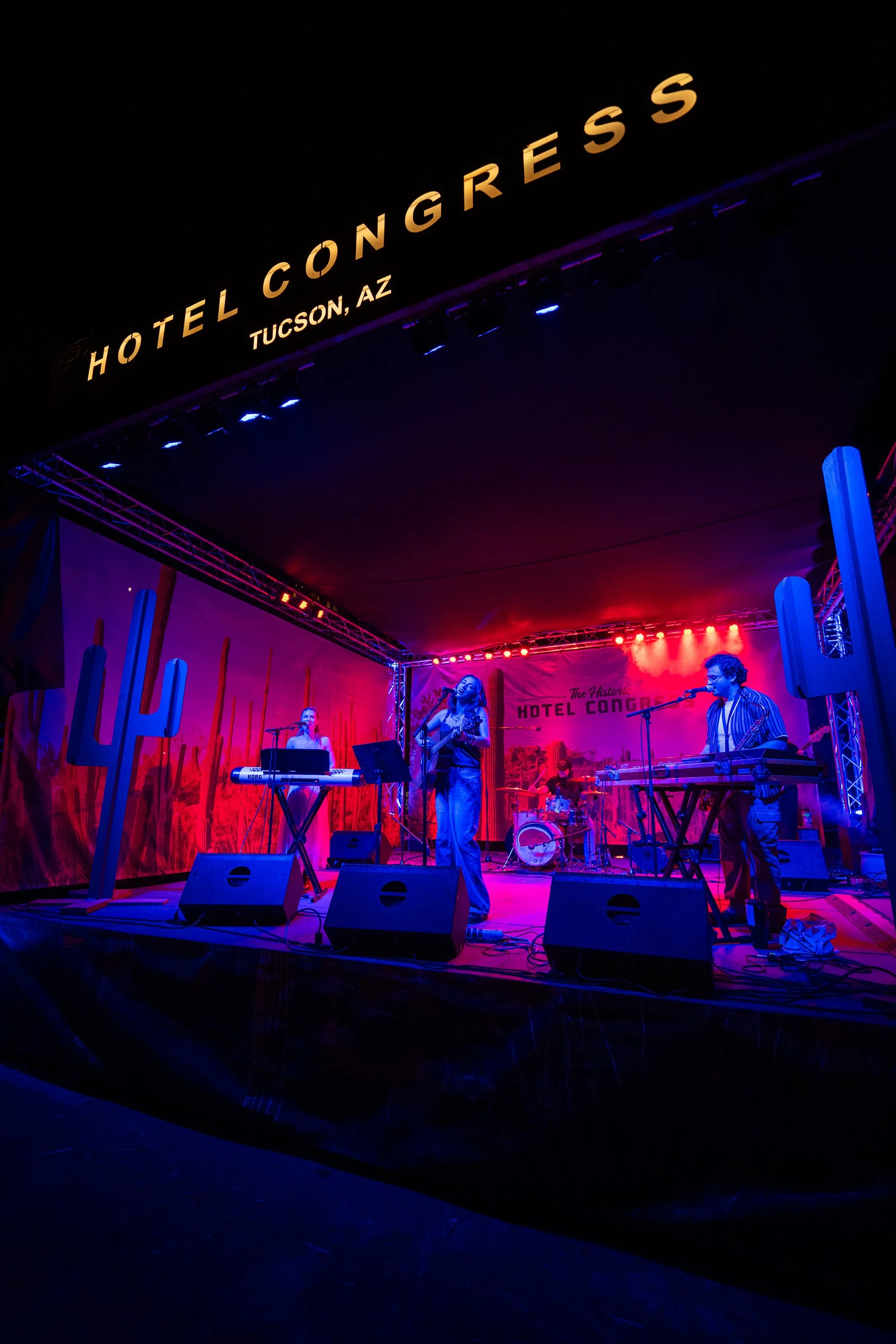
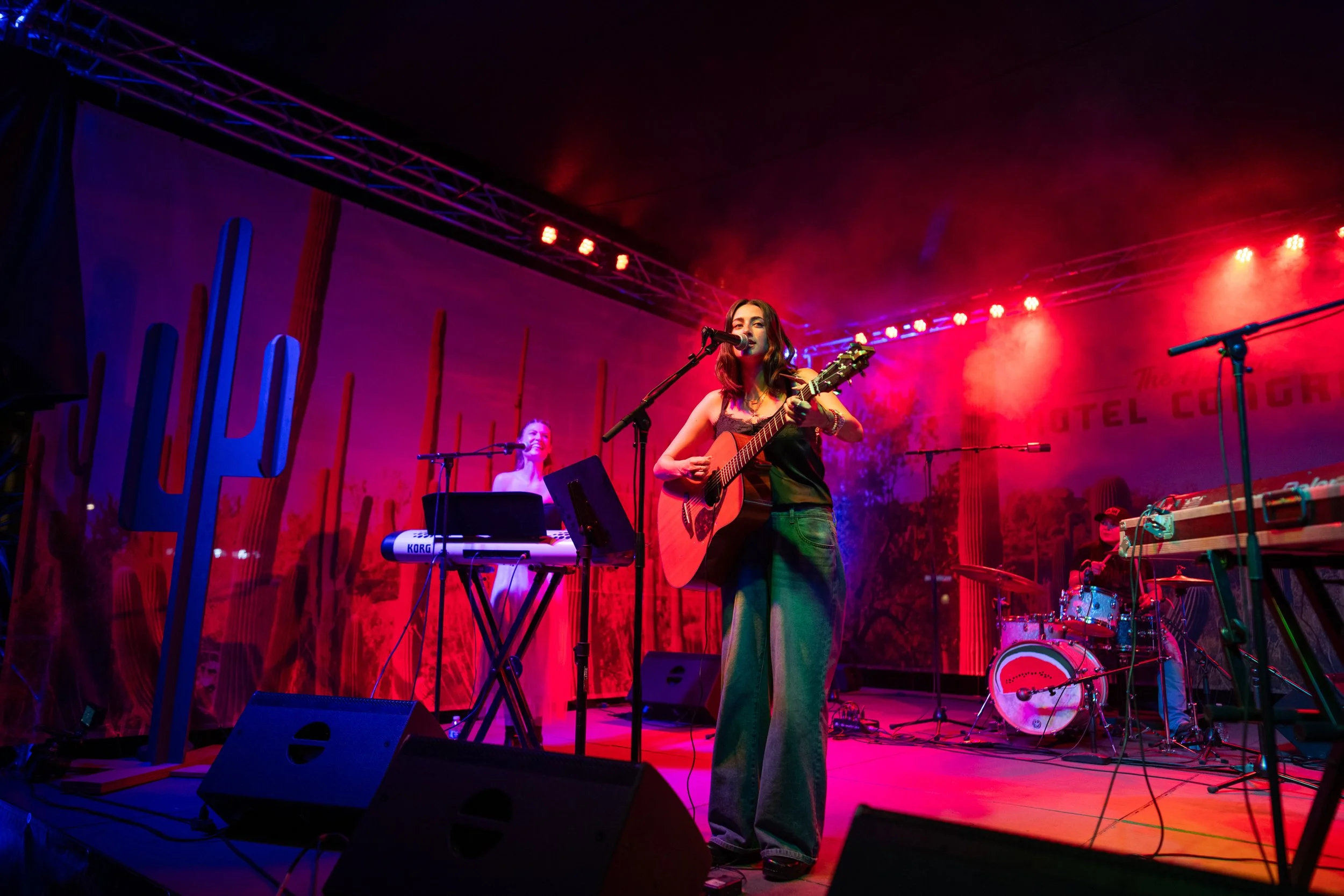
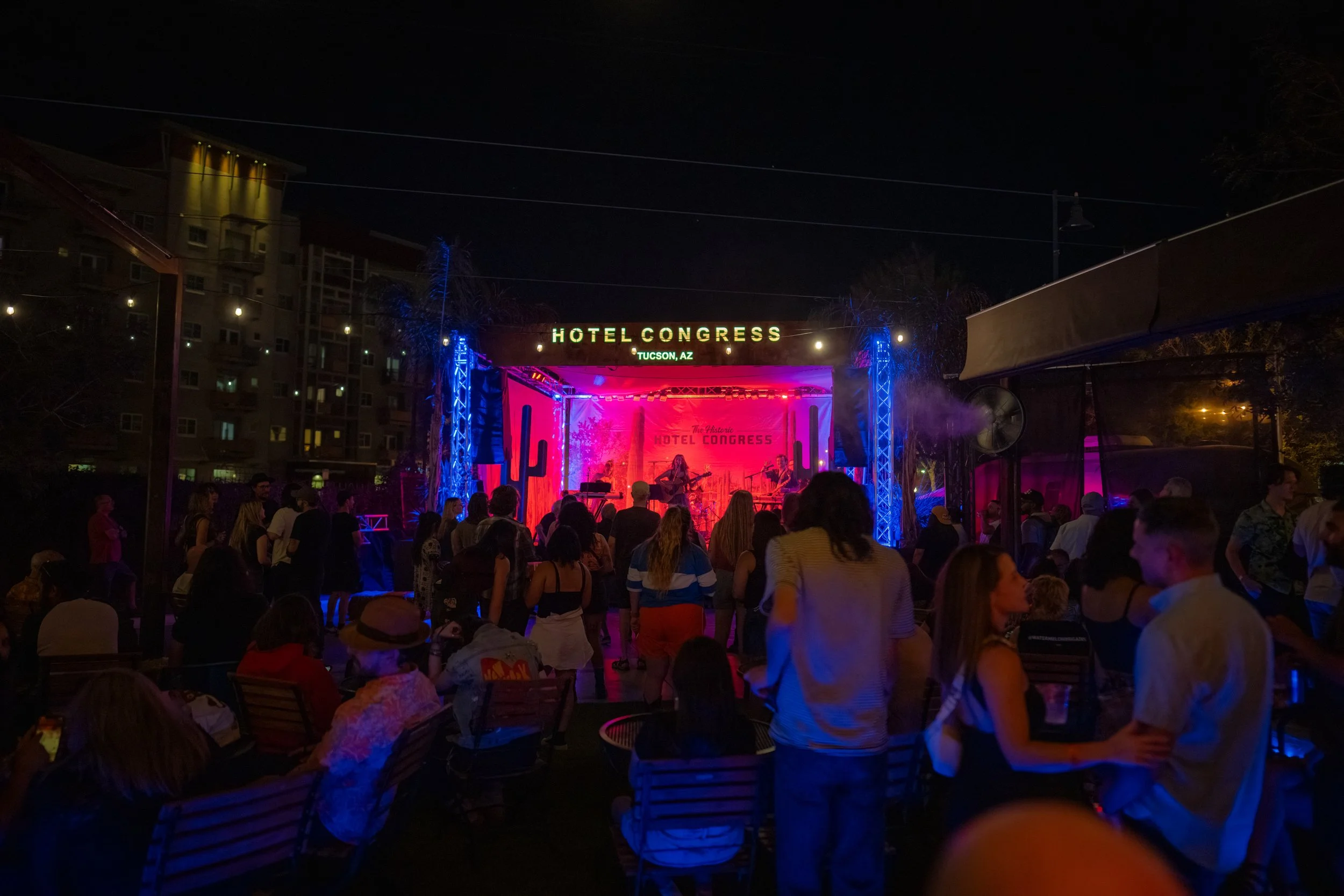
We close the trip at Hotel Congress. Patio lights glow above the tables while music drifts across the courtyard from the outdoor stage.
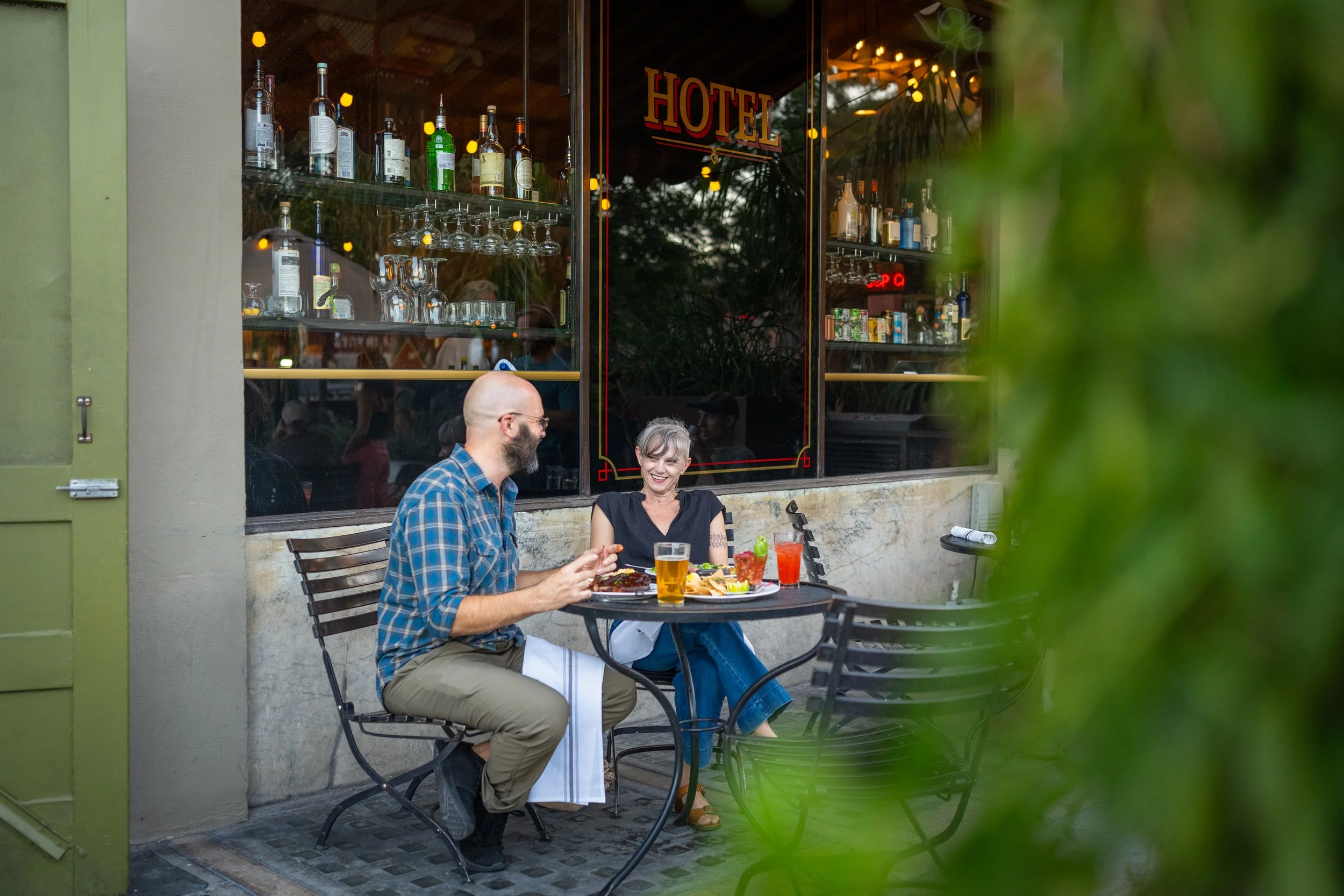
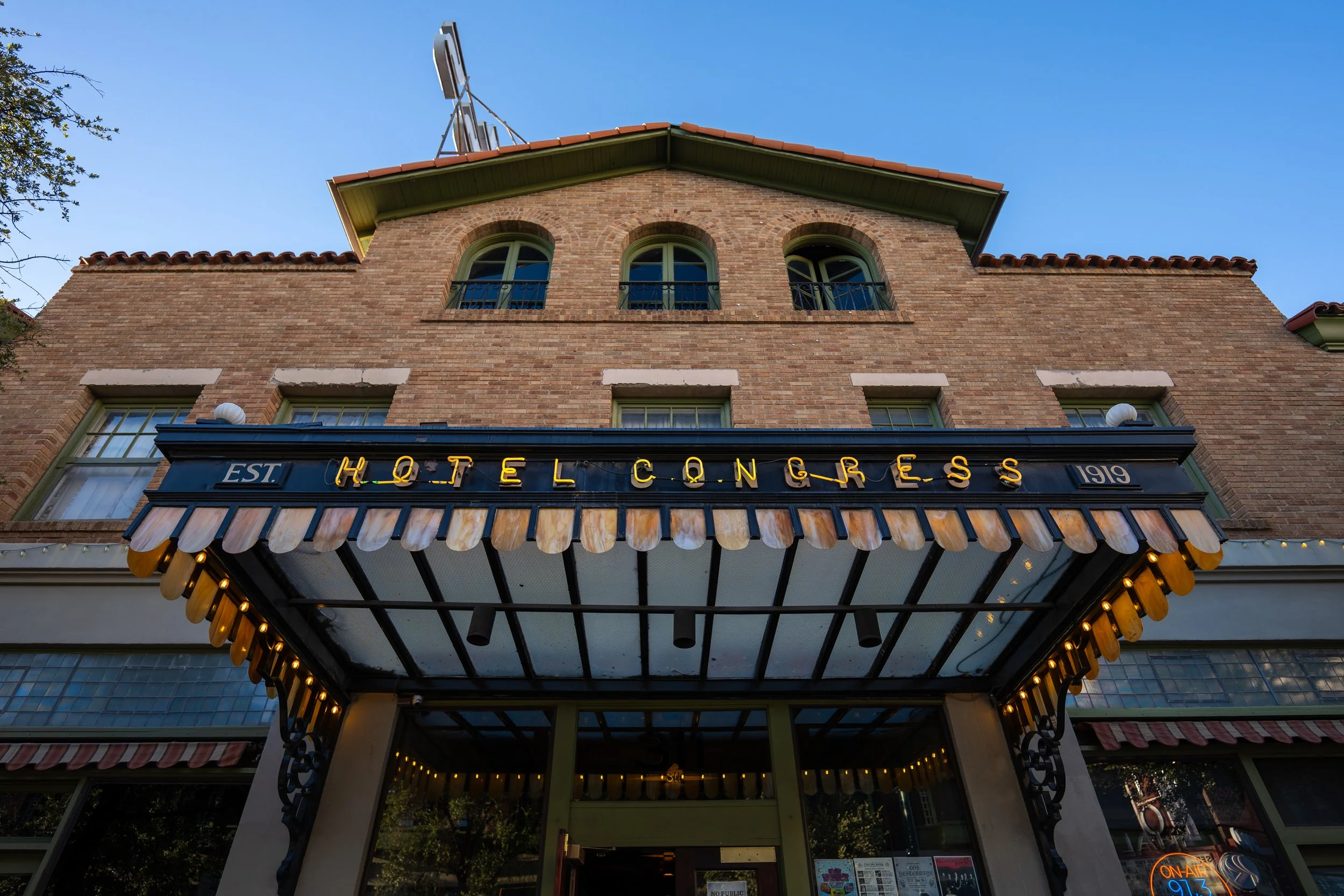
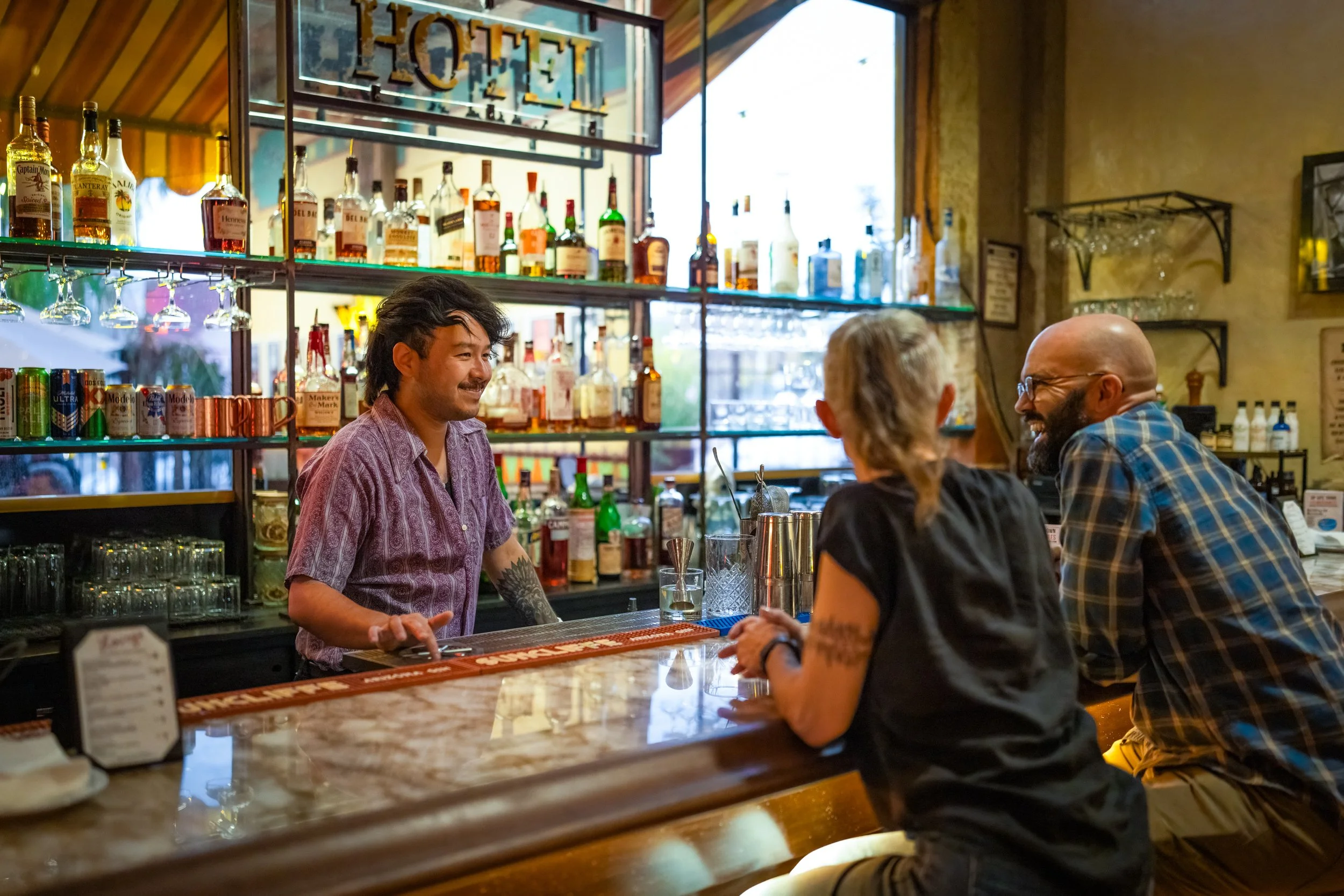
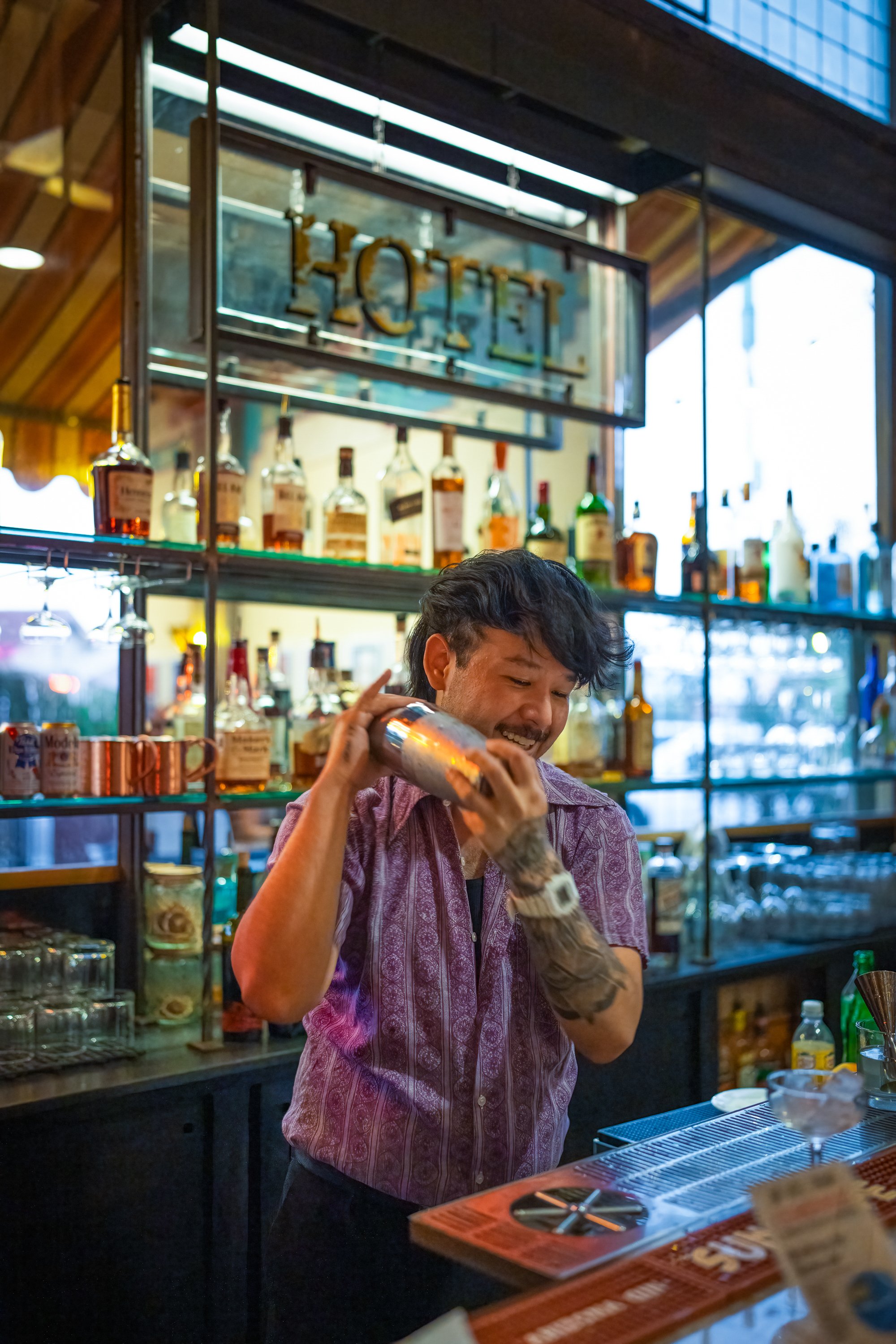
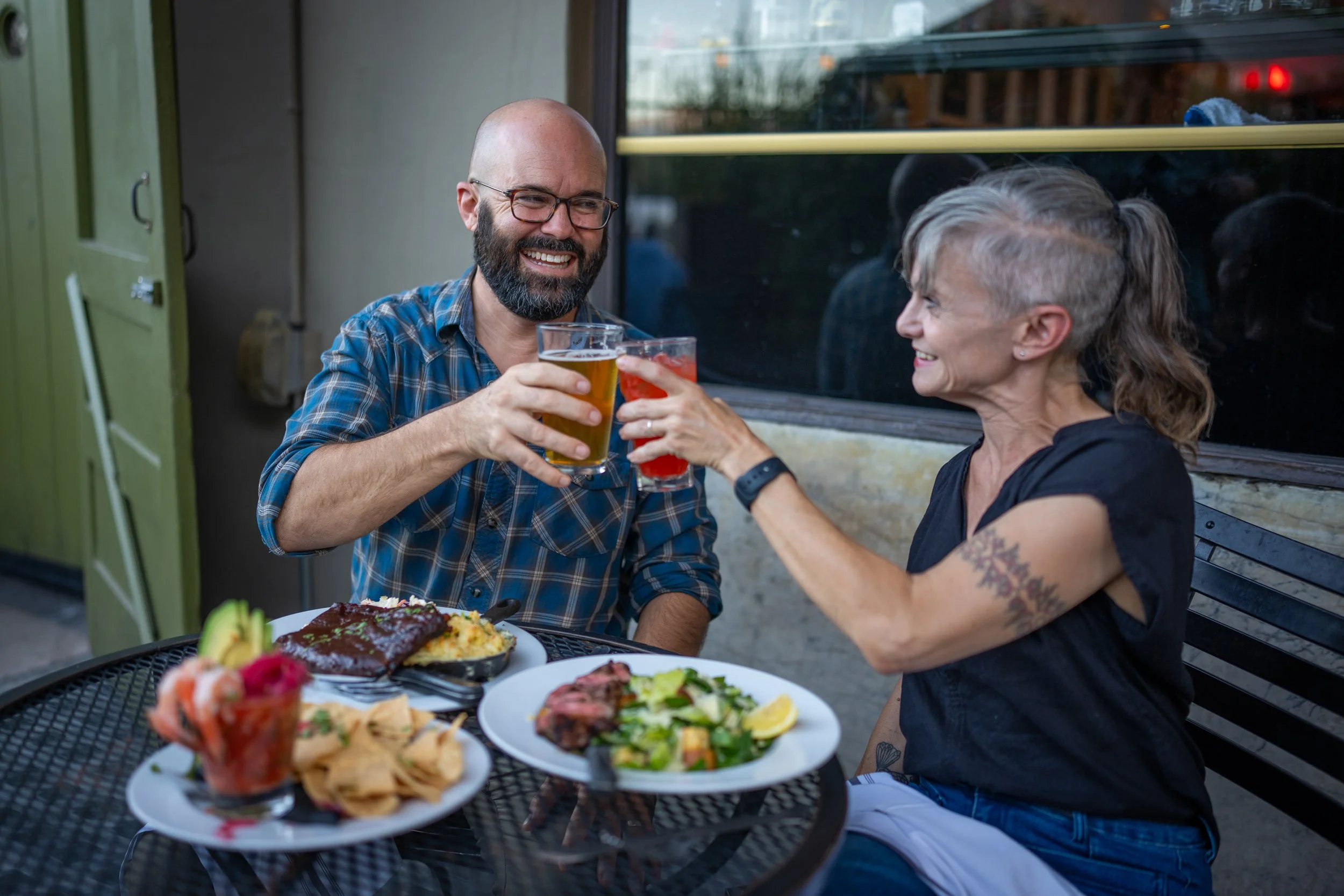
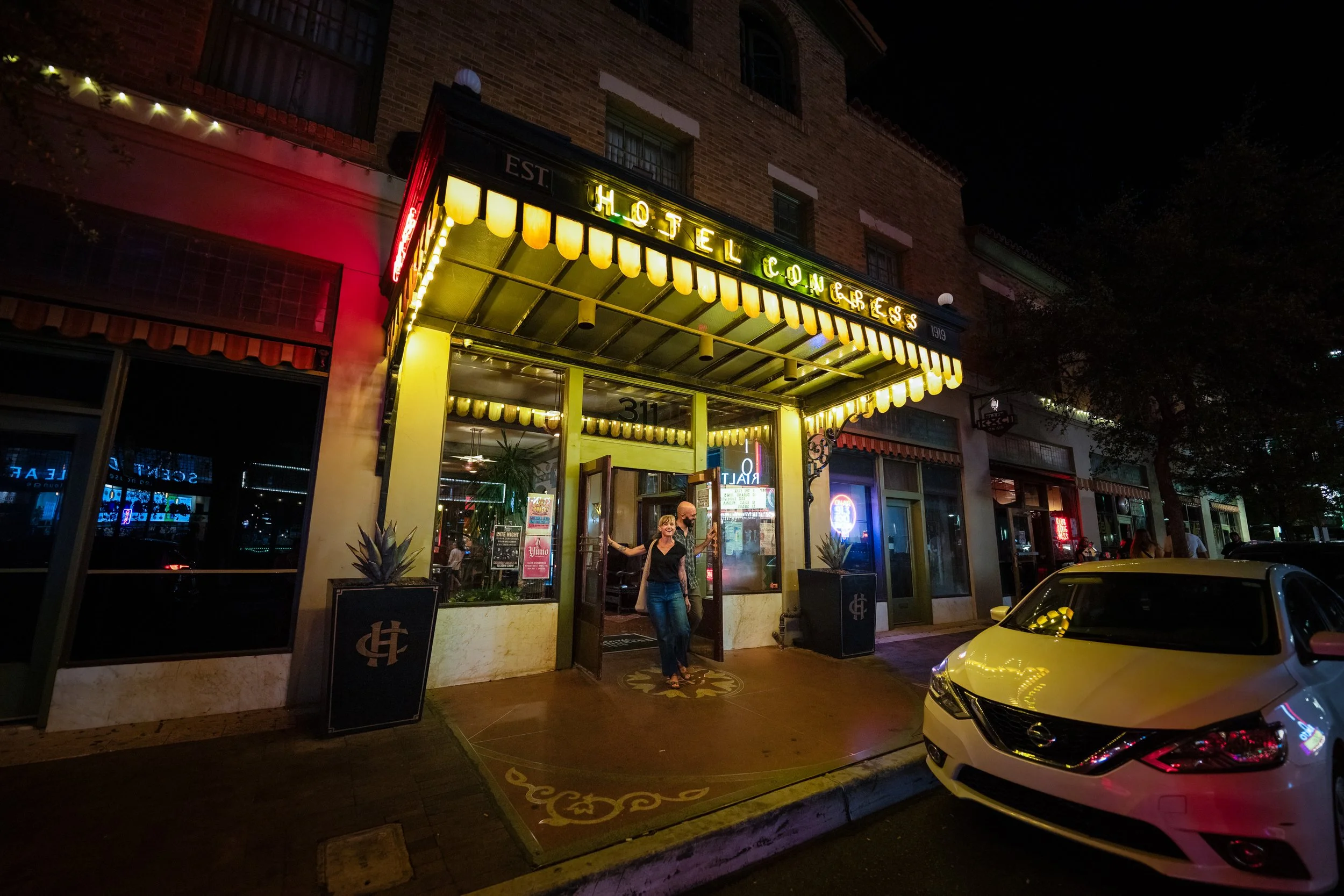
It is the kind of place that feels like Tucson distilled into a single block: warm, unhurried, and always full of life.